Connect with the Fullmind Team

For Education Leaders
Get proven strategies and expert analysis from the host of the Learning Can't Wait podcast, delivered straight to your inbox.
Virtual Staffing
Fill Teacher Vacancies in Days
- State-certified experts averaging 15+ years experience
- Fully aligned to your curriculum & standards
- Scalable, cost-effective hybrid solutions
The Role of Empathy in Education
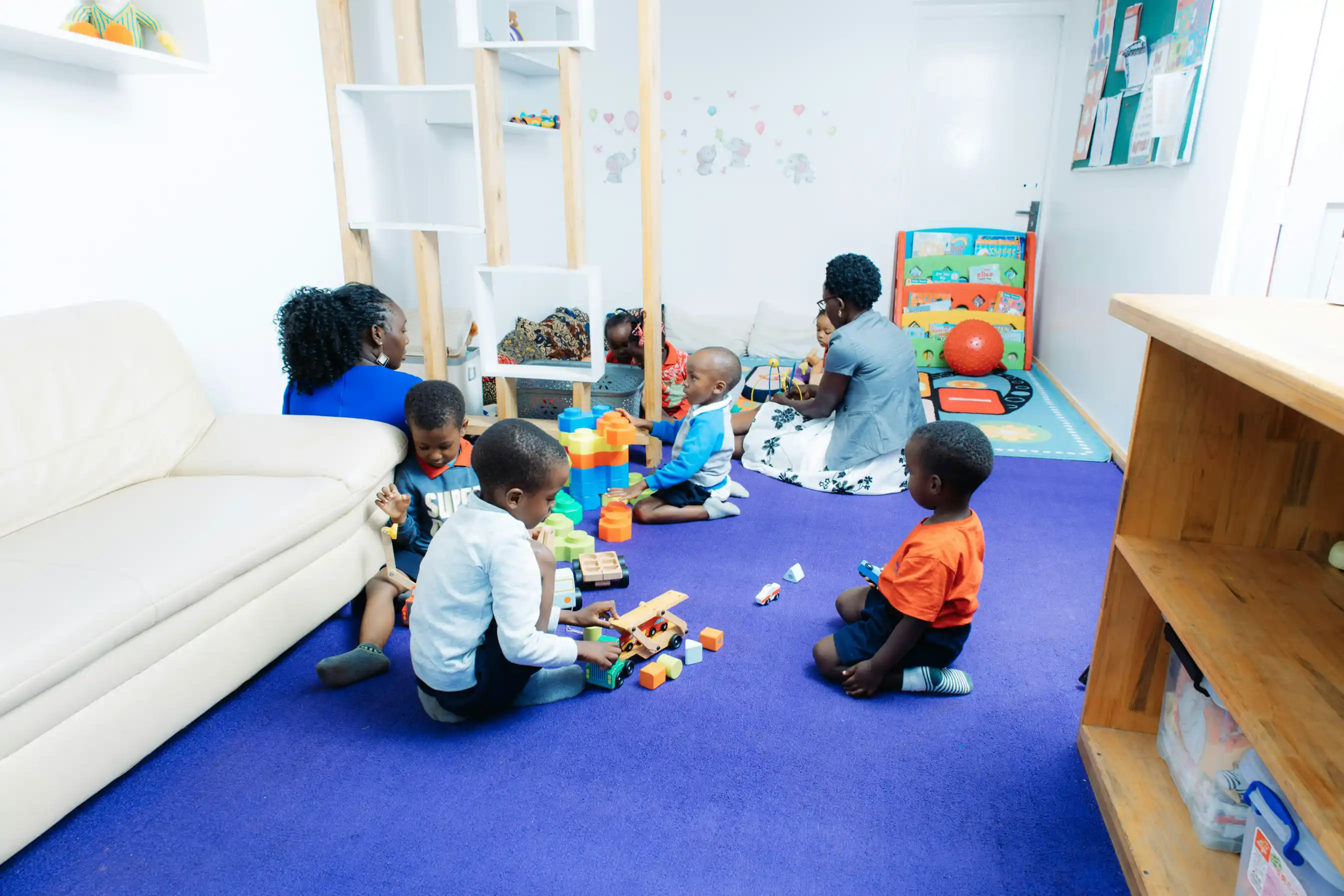
Empathy in education goes beyond being a desirable trait. It's a teachable skill and a strategic tool that educational leaders can leverage to transform schools through social emotional learning programs. When empathy is woven into educational environments, every key metric improves, from test scores and attendance to teacher retention and school climate. The data shows: empathy is not a "soft" skill but a driver of "hard" results.
This guide explores empathy in education, its connection to emotional intelligence, benefits for students and staff, implementation strategies, and scaling initiatives across the district. As a cornerstone of holistic education philosophy, empathy provides administrators with evidence-based solutions to today's educational challenges.
What Is Empathy in Education?
To harness empathy in schools, we must establish a clear, shared definition. In education, empathy goes beyond "being nice" or showing compassion. It's the ability to understand and share another person's feelings; to feel with them rather than feeling for them (which would be sympathy). This distinction is crucial for educational leaders seeking to build empathetic school communities that support whole child development.
Educational empathy has three distinct types, each vital for creating effective learning environments:
- Cognitive Empathy: The ability to understand another person's perspective or mental state, sometimes called "perspective-taking." For example, a principal might use cognitive empathy to understand why an instructional approach isn't resonating with certain teachers by considering their prior training and experiences.
- Emotional Empathy: The capacity to feel what another person is feeling, a shared emotional response. For instance, when a counselor connects with a student's anxiety about college applications, they feel echoes of that anxiety themselves.
- Compassionate Empathy (or Empathic Concern): Understanding another's feelings and perspective, experiencing resonant emotions, and then being moved to helpful action. is the ultimate goal in education. It involves understanding another's feelings and perspective, experiencing resonant emotions, and being moved to helpful action. For example, a teacher understands that a student is struggling with math concepts (cognitive) and feels their frustration (emotional), and also offers additional support during lunch or adapts their teaching approach.
In educational settings, all three forms of empathy work together to create environments where students feel safe, teachers feel valued, and learning flourishes—supporting whole child development that addresses academic, emotional, and social growth.
Empathy, Emotional Intelligence, and SEL
Empathy doesn't exist in isolation in education. It's a foundational element of two broader frameworks gaining traction in modern education: Emotional Intelligence (EI) and Social-Emotional Learning (SEL), which work alongside positive psychology strategies to create supportive learning environments.
Social-Emotional Learning (SEL) is the process through which people develop skills to recognize and manage emotions, set and achieve positive goals, feel and show empathy, establish and maintain positive relationships, and make responsible decisions. According to the CASEL 5 framework, SEL encompasses five core competencies: Self-Awareness, Self-Management, Social Awareness, Relationship Skills, and Responsible Decision-Making. Social Awareness is built upon empathy. Without understanding others' perspectives and emotions, true social awareness cannot exist.
Emotional intelligence in schools represents the practical application of these skills. An emotionally intelligent student can recognize and manage their frustration instead of acting out. An emotionally intelligent teacher can identify signs of disengagement in students and adjust their approach. In both cases, empathy connects understanding of personal emotions to understanding others' emotional states.
Educational leaders can understand the role of empathy in building the emotional and social competencies essential for academic success and lifelong well-being by recognizing it as a central component of EI and SEL.
Benefits of Empathy in Schools
Investing in empathy development isn't just idealistic; it's a strategic decision backed by research. Schools that prioritize empathy see measurable improvements in school functioning and student outcomes.
For Students: Improved Academic and Social Outcomes
Creating learning environments that value empathy impacts student achievement and behavior. When students feel understood and emotionally safe, they are more willing to take academic risks, engage in learning, and persist through challenges.
The data supporting this connection is substantial:
- Students in well-implemented SEL programs (em
- Schools with empathy-focused programs report a 22% decrease in disciplinary incidents and a 20% reduction in bullying (Taylor et al., 2020).
- When schools adopt empathy-centered approaches to student engagement, attendance rates improve by an average of 6% (Mahoney et al., 2022).
- Students with strong empathy skills are 42% more likely to graduate high school and 50% less likely to be arrested as young adults (Jones et al., 2019).
For Teachers: A More Manageable Classroom and Reduced Burnout
Empathy benefits students and transforms the teaching experience. When teachers develop stronger empathetic skills, they understand the root causes behind student behaviors, allowing them to respond more effectively.
An empathetic approach to classroom management shifts the focus from punitive reactions to restorative solutions. Instead of asking, "What rule did this student break and how should they be punished?" empathetic teachers ask, "What is this student experiencing, and how can I help them succeed?" This shift results in:
- Less time spent on behavioral issues and more time devoted to instruction
- Stronger teacher-student relationships that increase student cooperation and motivation
- Significant reductions in teacher burnout, with studies showing that schools emphasizing empathy report 31% lower teacher turnover rates (Schonert-Reichl, 2022)
- Higher job satisfaction, with 78% of teachers in empathy-focused schools reporting greater professional fulfillment (Jennings & Greenberg, 2020)
For the School: A Thriving and Positive Climate
A school's climate, the quality and character of school life as experienced by students, staff, and families, is fundamentally shaped by the presence or absence of empathy in daily interactions.
When empathy becomes a cornerstone of school culture:
- Parent engagement increases by 35%, as families feel more welcomed and understood (Mapp & Kuttner, 2021)
- School safety metrics improve, with empathetic schools reporting 40% fewer violent incidents (National Center for Education Statistics, 2023).
- Community partnerships strengthen, with businesses and organizations more willing to invest in schools that care for all stakeholders.
- Schools become more adaptive and resilient to challenges, from pandemic disruptions to demographic shifts.
This data shows that empathy is not an educational luxury. It's a strategic necessity for schools seeking to improve academic outcomes while creating healthier environments for students and staff.
Putting Empathy into Practice
Understanding the importance of empathy is the beginning. Translating this knowledge into practical actions requires intentional strategies at both classroom and administrative levels. Here are approaches that can transform your school's culture and outcomes:
Empathetic Teaching Strategies for the Classroom
- Perspective Journaling: Have students write from the viewpoint of a character in literature, a historical figure, or a classmate with a different opinion. This practice builds cognitive empathy by requiring students to step outside their own experiences.
- Emotion Check-Ins: Start class with a quick emotional check using a feelings chart, hand signals, or digital tools. This normalizes emotional awareness and gives teachers crucial information about students' readiness to learn.
- Collaborative Problem-Solving: When classroom issues arise, involve students in generating solutions. Ask, "How can we solve this together?" rather than imposing top-down consequences. This builds agency while teaching empathy.
- Literature as Empathy Training: Select diverse texts that expose students to varied life experiences. Follow readings with guided discussions that explore characters' feelings, motivations, and perspectives.
- "I" Language Framework: Teach and model communication that focuses on personal feelings rather than accusations. For example, "I feel frustrated when I can't hear the lesson" versus "You're too loud."
- Cross-Age Mentoring Programs: Pair older students with younger ones for academic or social support. These relationships foster empathy as older students learn to understand and adapt to younger students' needs.
- Pause Practice: Teach students to pause before responding when emotions run high. This creates space for empathetic consideration rather than reactive communication.
Empathetic Leadership Strategies for Administrators
- Shadowing Experience: Spend a full day experiencing school from a student's or teacher's perspective. Follow a complete schedule to understand the rhythms, challenges, and bright spots of their day.
- Regular Listening Sessions: Hold structured opportunities for stakeholders (teachers, students, support staff, parents) to share their experiences and concerns in a non-evaluative setting. The key is to listen without jumping to solutions.
- Staff Recognition System: Develop a systematic approach to acknowledging staff contributions that highlights instances of empathetic teaching or colleague support.
- Modified Meeting Protocols: Start leadership team meetings with personal check-ins and ensure all voices are heard through round-robin input or anonymous feedback channels.
- Empathy-Centered Professional Development: Invest in training that builds staff empathy capacity. This includes role-playing difficult conversations, case studies of challenging student situations, or exploration of diverse family circumstances.
- Decision-Making Matrices: When making policy decisions, include "impact on student well-being" and "impact on teacher well-being" as evaluation criteria alongside budgetary and academic considerations.
- Vulnerability Modeling: Acknowledge your own challenges and growth areas to demonstrate appropriate professional vulnerability. This creates psychological safety for others to be authentic.
These strategies are not one-size-fits-all solutions, but starting points that can be adapted to your school's context and needs. The most effective approach is to start with a few well-implemented practices rather than attempting a complete cultural overhaul at once.
Empathy as the Pillar of an Inclusive and Equitable Classroom
Empathy lies at the heart of inclusive classrooms. Inclusion goes beyond physical accessibility or differentiated worksheets; it requires understanding and appreciating each student's unique experience. Empathy transforms educational spaces from accommodating differences to valuing diversity.
Empathy is crucial for students with disabilities. An empathetic approach to supporting Students with Disabilities (SWD) means looking beyond the disability label to understand the whole child, their strengths, challenges, interests, and perspectives. When IEP goals are implemented with empathy, they become personalized pathways to success. Empathetic special education teachers ask, "How might this student experience this lesson?" rather than, "Am I following the required accommodations?" This shift leads to more creative interventions and stronger student-teacher relationships.
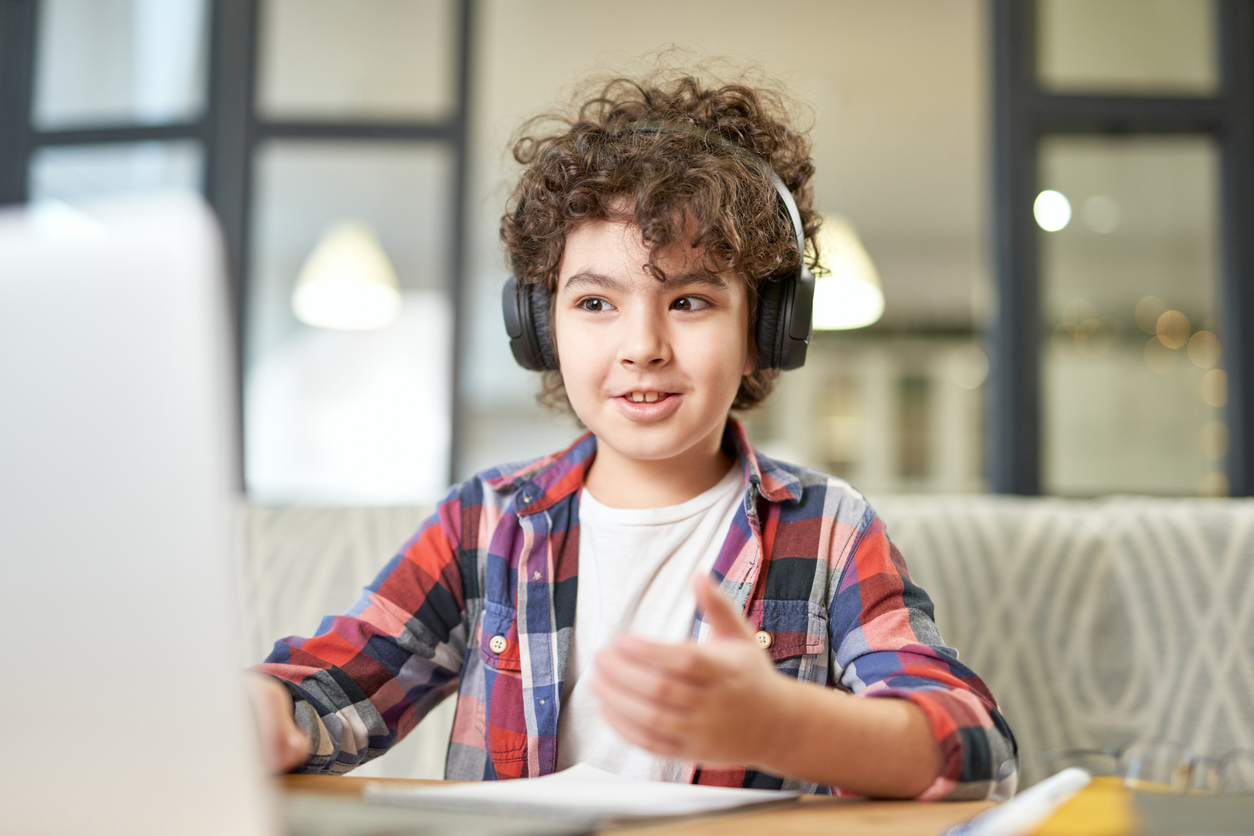
Empathy is crucial in virtual learning environments, where the physical distance between teacher and student can create barriers to connection. In virtual settings, empathetic educators must work intentionally to recognize emotional cues, create opportunities for meaningful interaction, and ensure all students feel seen and valued. Successful virtual learning requires teachers who are technologically proficient and skilled in building authentic relationships through digital interfaces, a combination of technical and emotional intelligence.
The most inclusive educational environments, physical or virtual, are those where empathy enables educators to recognize and respond to the full humanity of each student. These environments create spaces where everyone belongs not despite their differences, but because those differences are valued contributions to the learning community.
How to Bring Empathetic Instruction to Every Student
The vision is clear, but the reality is complex. As an educational leader, you recognize the value of empathy-centered instruction but face challenges in implementing it consistently across your district or school. Budget constraints, staffing shortages, and difficulty finding qualified educators for specialized roles make it seem impossible to provide every student with the empathetic instruction they deserve.
The question becomes pressing when considering how to serve your vulnerable populations. How can you ensure students requiring SWD services and IEP fulfillment receive consistent, empathetic support? How can you provide homebound students with the same quality of empathetic instruction as their peers? How can you implement high-dose tutoring programs that address academic gaps and emotional barriers to learning?
Strategic partnerships are essential. Fullmind helps schools solve these challenges by providing access to a network of live, certified virtual educators selected for their subject-matter expertise and ability to build strong, empathetic relationships with students. They fill difficult-to-staff positions, expand curricular offerings, and ensure every student, regardless of circumstances or learning needs, receives personalized, empathetic instruction.
Your school can overcome geographical and staffing limitations to scale empathetic instruction across all programs and student populations by leveraging virtual education solutions. This approach doesn't replace your in-person staff but complements their efforts, creating a comprehensive educational ecosystem where empathy is the foundation for all teaching and learning.
Conclusion
The role of empathy in education extends beyond creating "nice" classrooms. Empathy is a definable, teachable skill that serves as the foundation for emotional intelligence and social-emotional learning. When cultivated, it yields measurable benefits for students, teachers, and school communities: improved academic outcomes and behavior, reduced teacher burnout, and a stronger school climate.
The most successful 21st-century schools will recognize empathy as the heart of their educational approach. By investing in empathy through professional development, intentional practices, and strategic partnerships, educational leaders can create environments where all students thrive academically and emotionally, teachers find renewed purpose and satisfaction, and schools become vibrant community centers. In a divided world, schools grounded in empathy will produce not just successful students, but compassionate, capable citizens prepared to build a more understanding future.
For Education Leaders
Get proven strategies and expert analysis from the host of the Learning Can't Wait podcast, delivered straight to your inbox.