Connect with the Fullmind Team

For Education Leaders
Get proven strategies and expert analysis from the host of the Learning Can't Wait podcast, delivered straight to your inbox.
Virtual Resource Rooms
Compliant IEP Support Without Staffing Headaches
- Certified SPED teachers for every goal
- Seamless schedule integration & progress dashboards
- Real-time data for reviews & compliance
IEP Goal Tracking Software for Special Education

In special education administration, few challenges are larger than managing Individualized Education Programs (IEPs). School administrators and special education directors navigate a balance, ensuring legal compliance while focusing on student growth and achievement. Behind each IEP lies not just a legal document, but a promise to a student and their family that their unique educational needs will be met with care, consistency, and expertise throughout the IEP process.
IEP goal tracking software is a crucial solution to these challenges, transforming a paper-heavy, error-prone process into a streamlined system for collaboration, accountability, and data-driven decision making. These digital platforms like Frontline IEP & Special Education Management are comprehensive ecosystems designed to monitor progress, facilitate communication, and ensure that every student receives the personalized support outlined in their educational plan.
This guide explores modern IEP goal tracking software for school districts, its necessity for meeting Individuals with Disabilities Education Act (IDEA) requirements, key evaluation features, and leading special education tools and services in 2024. Whether considering your first digital solution or upgrading, this overview will help you make informed decisions that benefit students, teachers, and the administrative team.
What Is IEP Goal Tracking Software?
IEP goal tracking software is a digital platform designed to manage, monitor, and streamline a student's Individualized Education Program (IEP). These systems serve as the backbone for special education departments, providing a framework for creating, implementing, and evaluating personalized learning plans for students with disabilities.
Unlike general Student Information Systems (SIS) or standard cloud storage, dedicated IEP software transforms static documents into dynamic, actionable plans. These platforms capture real-time data, visualize progress toward measurable goals, automate administrative tasks, and generate compliance-focused reports. Solutions like Frontline IEP & Special Education Management create a living record of each student's journey, enabling informed adjustments to instruction and support services.
Key functions of IEP goal tracking software include:
- Centralize: Consolidates all IEP-related documents, data, and communications in one secure, accessible location.
- Track: Enables real-time monitoring of student progress on academic and functional goals.
- Automate: Reduces administrative burden by automating task reminders, reporting deadlines, and data compilation.
- Collaborate: Creates a unified platform for teachers, therapists, parents, and administrators to communicate and share updates.
Why Digital Goal Tracking Matters
The shift from paper-based or fragmented digital systems to comprehensive IEP goal tracking platforms delivers measurable returns. For today's school districts, these tools are essential infrastructure that impacts compliance, efficiency, and student success.
Enhance IDEA Compliance and Simplify Reporting
Modern IDEA compliance software is engineered for federal and state regulations. These platforms build compliance guardrails into the workflow, with features like automated timeline monitoring, electronic signature capabilities, and required-field validation to prevent common errors. From Alaska IEP compliance requirements to district-specific protocols, the software adapts to varying regulatory frameworks.
The reporting capabilities transform a dreaded audit preparation process into a straightforward data export. Systems generate compliance dashboards showing service delivery rates, timeline adherence, and goal progress metrics across the special education population. This reduces the administrative burden during state monitoring visits and provides administrators with ongoing visibility into potential compliance issues.
Drive Student Progress with Data-Driven Instruction
The power of digital IEP management lies in its ability to transform instruction through continuous, meaningful IEP data collection. Instead of relying on subjective impressions or quarterly assessments, teachers can document observations, assessment results, and progress measures in real time.
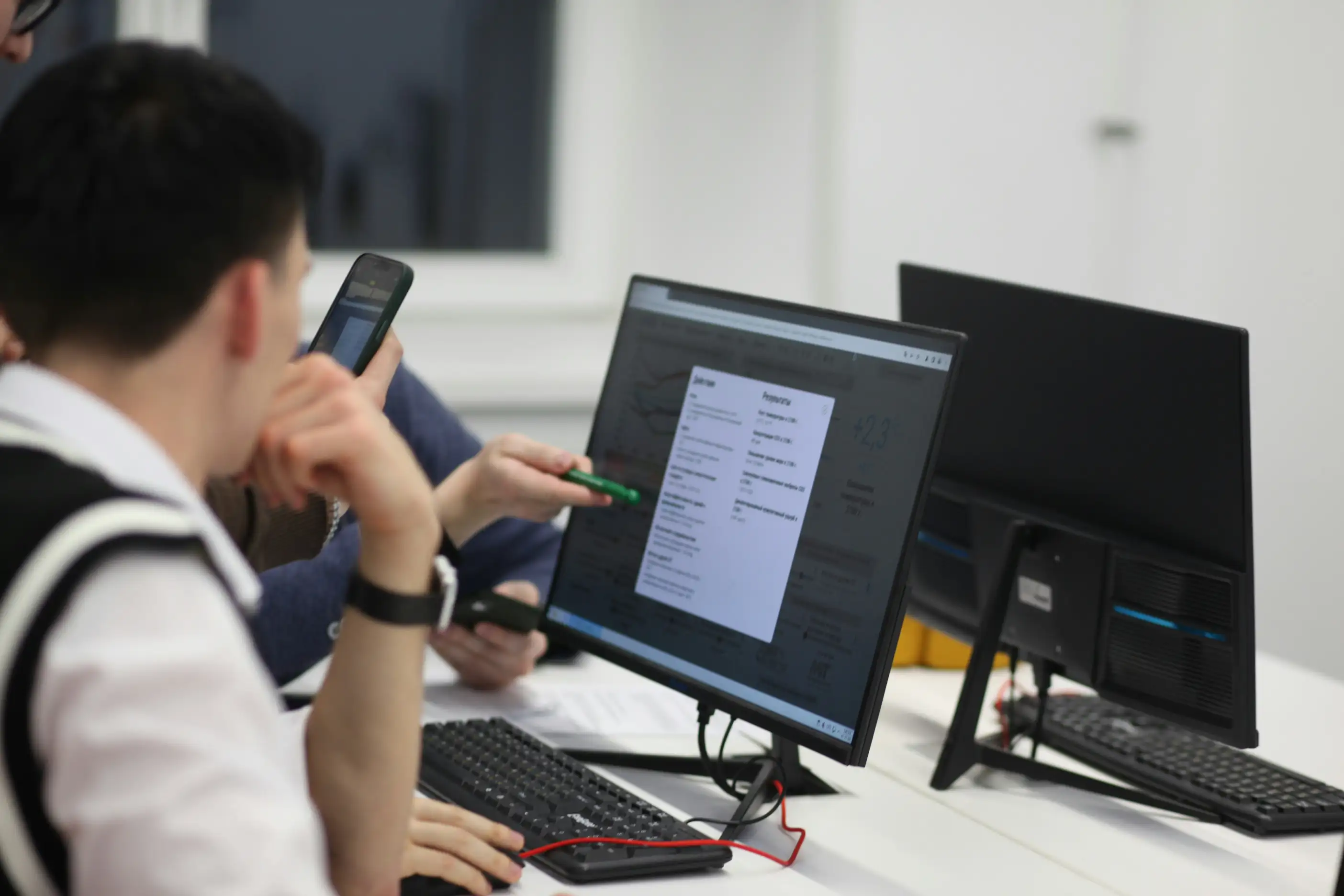
These platforms visualize progress data through intuitive charts and graphs that make trends apparent. Educators can quickly identify effective interventions, needed goal modifications, and areas for additional support. This creates a feedback loop where instructional decisions are refined based on actual student responses, leading to more personalized and effective educational experiences for students with disabilities.
Boost Efficiency and Reduce Special Educator Burnout
The special education teacher shortage is a major challenge for school districts. Digital IEP solutions address this crisis by eliminating hours of paperwork that contribute to educator burnout. By automating routine documentation like service logs, progress reports, and meeting notifications, these tools allow specialists to focus on meaningful interaction with students.
Efficiency gains extend beyond time savings to include reduced cognitive load. When systems handle procedural details, reminding staff about deadlines, auto-populating forms, and providing templates, educators experience less stress and greater job satisfaction. This technology is key in efforts to alleviate staffing shortages by making special education roles more sustainable and focused on student outcomes rather than administrative compliance.
Key Features of Special Education Management Tools
Before scheduling demonstrations or comparing pricing plans, your evaluation team should establish clear criteria for an effective solution for your district. Not all special education software offers the same functionality, and the features that deliver the greatest value depend on your specific challenges and priorities.
Customizable Goal Banks & Templates
A customizable library of IEP goals aligned to state standards saves time while ensuring consistency and quality. Look for systems that allow your district to build and maintain its own goal bank based on your curriculum and common student needs. The best platforms enable educators to select and modify pre-written goals for individual students, balancing efficiency and personalization.
Flexible Data Collection Methods
Special education involves diverse data types across different disabilities and age ranges. Effective systems support multiple collection methods: rubric-based assessments, frequency counting, duration recording, anecdotal notes, work samples, and more. Mobile capabilities are important, allowing service providers to document progress during sessions rather than reconstruct events from memory.
Robust Reporting & Visualization
Data has limited value if it can't be easily interpreted and shared. Prioritize platforms with intuitive dashboards that translate complex progress data into clear visuals. Look for customizable reporting functions that generate different views for different stakeholders: detailed intervention data for practitioners, progress summaries for parents, and compliance metrics for administrators.
Secure Parent & Team Communication Portal
Communication is key to successful IEP implementation. The best systems include FERPA-compliant messaging platforms where the entire IEP team, teachers, service providers, administrators, and parents, exchange information, share resources, and document conversations. This creates a comprehensive collaboration record and eliminates communication gaps that lead to misunderstandings or compliance issues.
Integration Capabilities
Your IEP software shouldn't exist in isolation from other district systems. Evaluate each platform's ability to integrate with your existing Student Information System (SIS), assessment platforms, and learning management systems. Seamless data flow eliminates redundant data entry, reduces errors, and provides a complete picture of each student's educational experience.
Top IEP Goal Tracking Software & Services
Now that you know what to look for, let's explore leading special education software for schools and service providers. The best solution may not be software alone, but a partner to help implement and execute the IEP process.
Fullmind: The Service-Led Approach to IEP Fulfillment
While most companies focus on software tools, Fullmind takes a different approach by addressing the most critical component of successful IEP implementation: qualified special education professionals. Their model recognizes that even the most sophisticated tracking system requires skilled educators to deliver services, collect meaningful data, and make informed instructional decisions.
Fullmind provides districts with live, certified teachers specializing in virtual special education services. These educators integrate with your existing team to deliver specialized instruction, conduct assessments, and document progress using research-based methodologies and digital tools. They participate in the entire IEP process, from planning meetings to service delivery to progress monitoring, ensuring continuity for students despite local staffing fluctuations.
For districts facing a shortage of specialized personnel, a software-only solution can fall short. Fullmind offers a direct path to compliance and student success by providing the expert educators you need.
SpedTrack
SpedTrack is a widely-used, compliance-focused platform with strengths in forms management. It offers state-specific IEP and 504 plan templates updated to reflect changing regulations. Its Medicaid billing features and audit preparation tools make it valuable for districts prioritizing funding recovery. Best for: Districts needing a robust, all-in-one compliance and documentation system with strong financial management capabilities.
Frontline Special Education Management
As part of the Frontline Education ecosystem, this platform benefits districts using other Frontline products for human resources, absence management, or professional learning. Its strongest features include process automation, configurable workflow rules, and evaluation management tools for special education assessments. The unified data environment connects staffing, service delivery, and student outcomes. Best for: Districts invested in the Frontline ecosystem or seeking a comprehensive school administration suite.
PowerSchool Special Programs
PowerSchool's special education module builds upon their leading SIS platform, creating a unified student record that bridges general and special education data. Its strengths include intuitive data visualization tools, customizable compliance dashboards, and sophisticated reporting capabilities for operational and instructional decision-making. The seamless integration with the core PowerSchool environment eliminates many data synchronization challenges of stand-alone solutions. Best for: Districts already using PowerSchool SIS who want seamless integration between general and special education data systems.
Quick-Start Guide to Implementing Your New Solution
Choosing the right IEP goal tracking system is the start of your digital transformation journey. These strategies will ensure a successful implementation that improves efficiency and student outcomes.
- Assess & Involve: Before final decisions, conduct a thorough needs assessment with your special education staff. Understand their daily pain points, workflow challenges, and the specific data they value for instructional decision-making. Include representatives from various roles, teachers, therapists, administrators to ensure the solution addresses diverse requirements and builds organization-wide buy-in.
- Prioritize Training: Even the most intuitive system requires comprehensive training to reach its full potential. Evaluate each vendor's ongoing professional development offerings beyond the initial implementation period. Successful districts establish internal capacity by identifying and supporting "power users" who provide peer coaching and serve as the first line of support for common questions.
- Choose a Partner, Not a Product: The distinction between vendors and partners becomes evident during implementation challenges. True partners provide responsive support, understand your educational needs, and evolve their offerings based on user feedback. The relationship with your provider is as important as the technical specifications of their platform.
Conclusion
The days of managing special education programs through spreadsheets, paper forms, and email chains are fading. Today's educational challenges demand modern solutions, and effective IEP goal tracking software is essential for serving students with disabilities. These tools do more than satisfy compliance requirements, they empower educators, inform instruction, and ensure every student receives personalized support to thrive.
As you evaluate potential solutions, remember that technology alone cannot solve the complex challenges of special education delivery. The most successful implementations pair powerful digital tools with knowledgeable professionals who understand both the technical and educational dimensions of effective IEP management. By choosing the right combination of software and support services, you position your district to deliver on the true promise of special education: ensuring that every student, regardless of disability, can reach their full potential.
For Education Leaders
Get proven strategies and expert analysis from the host of the Learning Can't Wait podcast, delivered straight to your inbox.