Connect with the Fullmind Team

For Education Leaders
Get proven strategies and expert analysis from the host of the Learning Can't Wait podcast, delivered straight to your inbox.
LIVE Staffing
LIVE Staffing fills hard-to-staff roles with certified educators who teach live, synchronously, on your schedule and curriculum.
K-12 Virtual Learning: A Guide for Modern School Districts

At the start of the school year, in a nation with over 40,000 unfilled teaching positions, especially in critical subjects like mathematics, science, and special education, school districts face unprecedented challenges in delivering education. The demand for personalized learning pathways further strains limited resources, though AI-powered learning tools are emerging as potential solutions to help address these capacity constraints. These challenges have become systemic, requiring strategic solutions beyond stopgap measures.
This guide aims to equip school administrators with the knowledge to implement online education programs in their districts. It explores virtual learning models, strategic benefits, implementation best practices, and how to select the right partner to build a more resilient, equitable school system that delivers differentiated virtual instruction to meet diverse student needs.
Online Learning: From Remote to Strategic Instruction
When schools closed in March 2020, educators faced "emergency remote teaching", a necessary but inadequate response to unprecedented circumstances. Teachers adapted in-person lessons for online delivery with minimal preparation, using consumer-grade video conferencing tools instead of educational platforms. While commendable as a crisis response, this approach bears little resemblance to true K-12 virtual learning, which requires a comprehensive distance learning implementation framework rather than hasty adaptations of traditional methods.
Strategic virtual learning represents a fundamentally different approach based on years of online pedagogy research and practice. Modern programs feature certified teachers trained in online instruction, curricula designed for digital environments, interactive learning platforms, and robust support systems for students, parents, and school staff. Many schools benefit from online learning support services to implement these comprehensive systems effectively. The result is not just a digital version of the traditional classroom but an entirely reimagined learning experience tailored to the online medium.
Spectrum of K-12 Virtual Learning Models
Virtual learning isn't a one-size-fits-all solution but a diverse ecosystem of approaches tailored to specific district needs. Understanding the available models and implementing proven online teaching strategies helps administrators create solutions that target their challenges, from filling a single specialized course to providing comprehensive education options.
Synchronous vs. Asynchronous
Synchronous learning occurs in real-time, with teachers and students gathering virtually during scheduled class periods. This model resembles traditional instruction, featuring live lectures, discussions, and activities where students can raise their hands, ask questions, and receive immediate feedback. The real-time interaction promotes engagement, builds community, and provides structure that many students require to thrive. Many districts have turned to this format as one of several teacher shortage solutions to maintain quality instruction.
Asynchronous learning allows students to access lessons, materials, and assignments on their schedule. This approach offers flexibility, enabling students to work at their pace and revisit challenging concepts. Effective online education programs blend both approaches, using synchronous sessions for instruction, discussion, and relationship-building while leveraging asynchronous elements for independent practice, projects, and personalized learning paths. Successful implementation of these virtual learning models requires comprehensive educational technology planning to ensure proper infrastructure and support systems are in place.
Full-Time vs. Supplemental Instruction
Full-Time Virtual School provides a complete online school experience where students take all courses virtually, often supplemented with online tutoring services for additional academic support. This model serves:
- Students with medical conditions preventing in-person attendance
- Families seeking alternative education environments
- Districts establishing permanent complete virtual academies
- Students with social or emotional needs do better in non-traditional settings.
Supplemental Virtual Instruction represents the common implementation, where districts use online courses and online tutoring partnerships to enhance existing offerings. This approach allows schools to:
- Expand course catalogs with Scottish offerings like AP courses, world languages, and advanced STEM electives.
- Provide online credit recovery opportunities for struggling students.
- Offer homebound instruction services for temporarily or permanently homebound students.
- Fill staffing gaps in hard-to-recruit subject areas
- Support students with specialized learning needs through targeted interventions.
Why Top Districts Invest in Virtual Education
Forward-thinking administrators recognize that strategic virtual learning directly addresses education's persistent challenges. By following a proven distance learning implementation framework and integrating well-designed online programs, districts can transform limitations into opportunities for innovation and improvement.
Solution #1: Addressing Critical Staffing Shortages and Gaps
The national teacher shortage has reached crisis levels, with acute shortages in STEM subjects, special education, and world languages. According to the National Education Association, 55% of educators are considering leaving the profession early. This crisis has forced many districts to eliminate courses, increase class sizes, rely on long-term substitutes without subject expertise, or turn to online credit recovery programs to maintain graduation requirements.
Virtual learning partnerships provide immediate access to nationwide networks of state-certified virtual teachers for schools, removing geographical constraints from the hiring process. A rural Montana district can access a qualified AP Physics teacher in Massachusetts or a certified Spanish instructor in Florida. This expanded talent pool is valuable for specialized roles that would otherwise go unfilled, while also enabling student-led learning approaches that foster greater independence in virtual classroom environments.
These virtual staffing solutions don't just maintain educational offerings; they expand them. Many districts report that virtual partnerships enabled them to offer advanced courses and specialized electives for the first time, ensuring students aren't disadvantaged by their zip code or district size.
Solution #2: Expanding and Equalizing Student Opportunity
When course offerings vary between well-resourced and under-resourced districts, educational equity remains elusive. Access to quality online K-12 courses levels this playing field. A small rural district with 300 students can now offer the same AP courses, world languages, and specialized electives as affluent suburban schools.
The democratization of advanced coursework has profound implications for student futures. Research from the College Board shows that students who complete AP courses are more likely to succeed in college and graduate on time. By making these opportunities universally accessible, virtual learning ensures all students can develop the academic credentials and confidence needed for post-secondary success, regardless of their district's size or resources.
Solution #3: Meeting Diverse and Individual Learner Needs
No area demonstrates the strategic value of virtual learning more clearly than its ability to address diverse learner needs with unprecedented personalization.
Delivering mandated services for students with disabilities presents ongoing challenges for many districts, particularly those facing special education teacher shortages. Dedicated SWD and IEP fulfillment programs connect students with specialized educators trained in virtual special education delivery. These programs offer flexible scheduling, one-on-one or small-group instruction, and specialized resources tailored to individual needs, ensuring districts meet legal requirements while providing high-quality services.
Homebound & Medically Fragile Students: For students unable to attend school due to medical conditions, traditional homebound instruction services meant limited hours with itinerant teachers and disconnection from peers. Virtual learning transforms this experience by providing consistent access to certified teachers, maintaining academic rigor, and enabling social connection through class participation. Students maintain their educational progress while managing health challenges.
Accelerated & At-Risk Learners: Virtual programs excel at addressing learning gaps and accelerating progress through personalized pathways. Targeted high-dosage tutoring programs and credit recovery options allow students to catch up or move ahead at their own pace with guidance from certified teachers. The ability to offer multi-tiered support systems virtually gives districts tools for intervention and enrichment without needing additional physical space or staff.
Successfully Integrating Virtual Learning
While the benefits of strategic virtual learning are compelling, successful implementation requires thoughtful planning and execution. Districts that approach virtual learning with clear goals and structured processes report higher satisfaction and better outcomes.
1. Assess Your District's Needs
Before seeking a provider, conduct a thorough needs assessment to clarify your goals and constraints:
- What problems are we trying to solve: staffing shortages, course expansion, supporting homebound students?
- Which student populations will benefit most from virtual options?
- What is our budget and technological infrastructure?
- What outcomes would indicate success (graduation rates, course access, teacher retention)?
- How will virtual offerings integrate with our existing programs and schedules?
- What internal capacity do we have for program management and oversight?
This assessment clarifies your district's unique requirements, ensuring you seek solutions for your specific challenges rather than generic offerings.
2. Prioritize Technology and Support
The success of your virtual learning program impacts the technical foundation. The primary platform for content delivery, student engagement, and progress monitoring is the Learning Management System (LMS). Prioritize systems that integrate seamlessly with your existing Student Information System (SIS) to minimize administrative burden and ensure data consistency.
Comprehensive technical support for all stakeholders is crucial. Even the best platform falters when users face insurmountable barriers. Ensure your implementation plan includes dedicated support for students, parents, teachers, and administrators, especially families with limited tech experience. Create a single point of contact for technical issues to streamline problem resolution and prevent frustration.
3. Foster a Culture of Collaboration and Communication
Virtual learning thrives when stakeholders understand their roles and communicate effectively. Success depends on collaboration between the virtual provider, in-school facilitators, classroom teachers, counselors, and families. From the outset, establish clear communication channels and regular check-ins.
Establish clear expectations for student engagement and progress monitoring, with defined intervention processes for struggling students. When schools treat virtual learning as an integral part of their ecosystem rather than an isolated program, students receive consistent support. Regular data sharing between virtual providers and on-site staff ensures early identification of challenges and successes.
5 Non-Negotiable Qualities in a Virtual Learning Provider
The quality of your virtual learning partner determines program outcomes. The partner aligns with your district’s educational philosophy and goals rather than just providing a service.
- State-Certified, Live Teachers: The most critical factor for virtual learning success is teacher quality. Insist on state-certified educators trained in online instruction. Pre-recorded content or facilitators without teaching credentials can’t provide the responsiveness, differentiation, and relationship-building that certified teachers deliver. Ask potential partners about their teacher qualifications, training programs, and supervision processes.
- Curriculum Flexibility: Every district has unique standards, priorities, and communities. Your virtual partner should offer a customizable curriculum aligned to your state standards and district requirements, not a rigid, one-size-fits-all approach. Look for providers willing to adapt content and pacing to match your existing curriculum maps and assessment schedules.
- Comprehensive Services: Managing multiple vendors creates unnecessary complexity. Seek a partner capable of addressing diverse needs, from core academic instruction and credit recovery to virtual IEP support and advanced coursework. A comprehensive provider simplifies procurement, ensures consistent quality, and creates a cohesive experience for students and staff.
- Proven Track Record and Data: Established providers should share evidence of their effectiveness. Request case studies from similar districts, detailed performance data, and references. Examine metrics beyond completion rates – look for evidence of academic growth, engagement, and stakeholder satisfaction. A confident partner will welcome these discussions.
- Onboarding and Support: Implementation quality directly impacts program success. The best partners provide comprehensive onboarding for staff, training for students and families, and ongoing support. Clarify included support services and issue resolution speed.
Finding a partner that excels in all these areas is key to maximizing your ROI. For over a decade, Fullmind has partnered with hundreds of districts nationwide, providing live, certified educators and customized online education programs to solve their challenges. Our solutions integrate seamlessly with your district's goals, from virtual staffing to complete IEP fulfillment.
Conclusion
K-12 education is evolving, driven by persistent challenges and emerging opportunities. K-12 virtual learning has matured into a strategic asset beyond crisis response. When implemented thoughtfully, virtual learning programs enhance educational equity, solve staffing shortages, and deliver personalized learning experiences impossible within traditional constraints.
As you consider virtual learning for your district, remember the goal isn't to replace traditional education but to enhance it with new tools and approaches. By viewing virtual learning as a first-choice strategy, forward-thinking administrators are creating more flexible, resilient, and opportunity-rich educational environments. This ensures their districts are prepared for today's challenges and tomorrow's possibilities.
Podcast
From the Learning Can’t Wait podcast
 Hosted by Hayley Spira-Bauer, Chief Academic Officer at Fullmind
Newest episodes
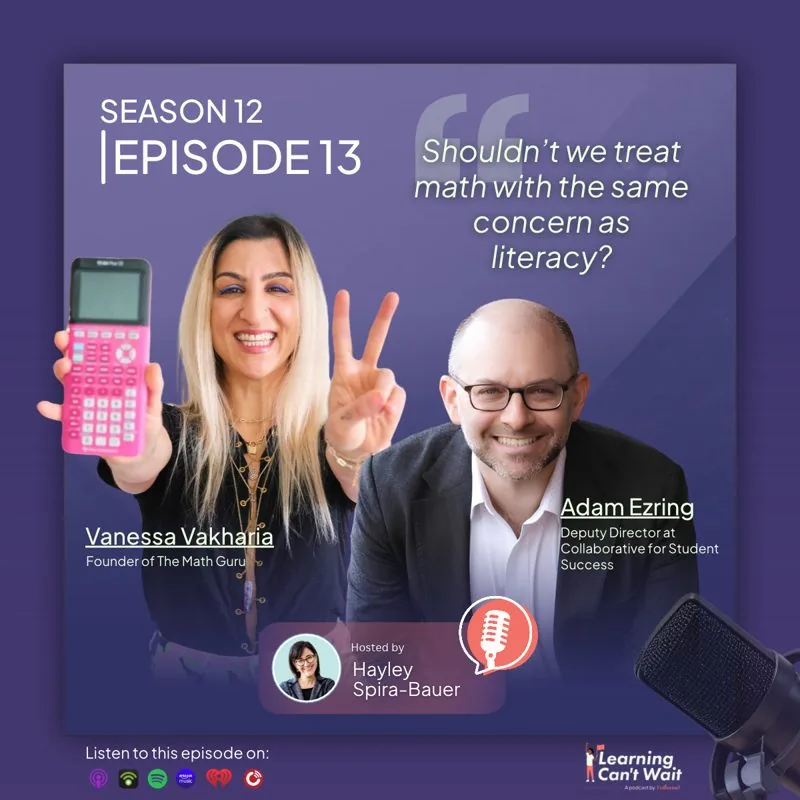 Vanessa Vakharia & Adam Ezring: Family Math, Math Confidence & Learning Through PlayOctober 13, 2026 · Vanessa Vakharia, Adam Ezring
 Dr. Daveda Colbert: Leadership, Belonging & ServiceOctober 6, 2026 · Dr. Daveda Colbert
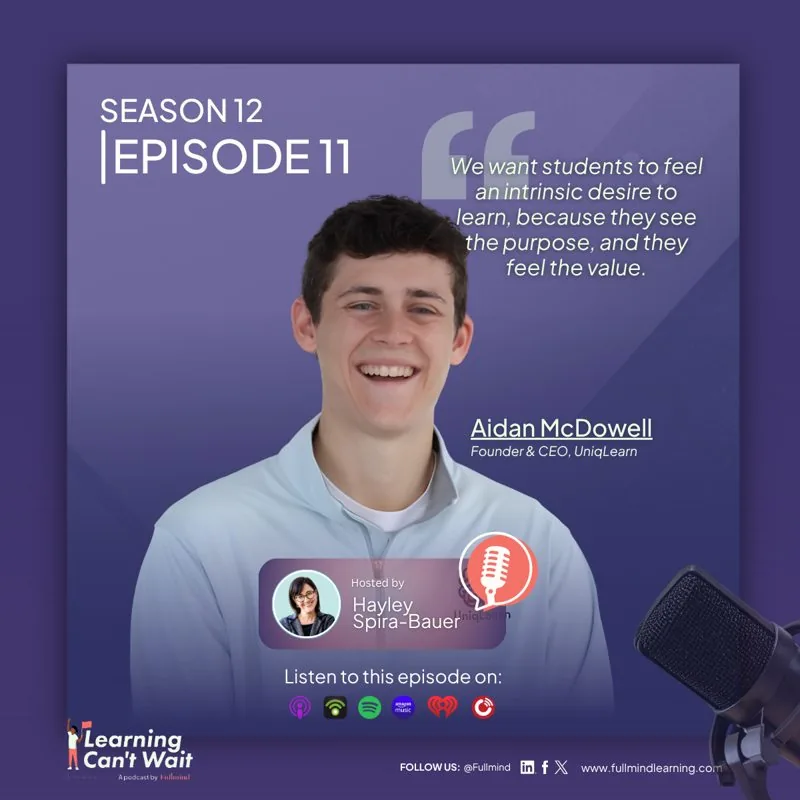 Aidan McDowell: Personalized learning, Student agency & Intrinsic motivationSeptember 29, 2026 · Aidan McDowell
For Education Leaders
Get proven strategies and expert analysis from the host of the Learning Can't Wait podcast, delivered straight to your inbox.



















































































How can we help? Let’s connect.
Tell us what you need. It takes about a minute, and you’ll see the next steps right away.
Meet an education consultant
Talk through your students, schedule and goals.
Get a proposal for your district
A plan built around your needs and budget.
Thanks! Our team will reach out within one business day to set up a time that works for you.
Need help sooner? Book a time now
Your one-pagers
Matched to what you told us. They download as one PDF.
Every child deserves the opportunity to access exceptional education.