Connect with the Fullmind Team

For Education Leaders
Get proven strategies and expert analysis from the host of the Learning Can't Wait podcast, delivered straight to your inbox.
Virtual Staffing
Fill Teacher Vacancies in Days
- State-certified experts averaging 15+ years experience
- Fully aligned to your curriculum & standards
- Scalable, cost-effective hybrid solutions
The Impact of AI in the Workplace and Education
Gartner research from 2023 showed that 75% of enterprises would shift from piloting to operationalizing Artificial Intelligence by 2024. AI enables computers and machines to simulate human intelligence and problem-solving capabilities, from simple automation to sophisticated machine learning systems that adapt and improve over time. We're already seeing real applications of AI in education transform how students learn and teachers instruct.
Business and education leaders face critical decisions about AI implementation, investment, and integration. This analysis examines the advantages and disadvantages of AI in professional and educational settings, providing evidence-based insights for organizational leaders. District superintendents considering new educational technology must balance technology integration expectations with practical implementation challenges, while business leaders evaluating AI solutions need to understand the potential benefits and drawbacks for responsible decision-making.
AI's Impact on the Modern Workplace
Before exploring AI's educational applications, it's important to understand how artificial intelligence is reshaping the professional world. These workplace trends forecast similar changes in educational settings.
How AI Boosts Business Productivity and Innovation
- Automation of Repetitive Tasks: AI excels at handling routine, time-consuming work like data entry, scheduling, and report generation. By delegating these tasks to AI, organizations can redirect human talent toward strategic planning, creative problem-solving, and relationship building. According to McKinsey research, this application of AI in business has shown 30-40% productivity gains in administrative functions.
- Enhanced Data Analysis & Decision-Making: AI algorithms can process vast datasets in seconds, identifying patterns, forecasting trends, and generating insights that take human analysts weeks. For example, a retail company might use AI to analyze years of sales data alongside weather patterns, economic indicators, and social media trends to predict inventory needs accurately.
- Improved Customer Experience: According to Accenture, AI-powered chatbots handle 68% of customer conversations from start to finish. These systems provide 24/7 support while personalization engines recommend products and services based on individual preferences and behaviors, leading to higher customer satisfaction and retention rates.
- Fostering Innovation: AI accelerates research and development across industries. It helps pharmaceutical companies identify drug candidates and assists engineers with complex design optimizations, shortening innovation cycles. The emergence of AI has created new job categories like AI ethicists, prompt engineers, and machine learning specialists.
Navigating AI Risks in the Workplace
- Job Displacement and Evolving Skill Requirements: A 2023 Goldman Sachs report suggested AI could impact 300 million jobs globally. While complete automation will affect some positions, most jobs will be transformed rather than eliminated. This transformation necessitates investment in upskilling and reskilling programs. AI and job displacement concerns are valid, but historically, technological revolutions have created more jobs than they've eliminated, though these transitions can be painful for affected workers.
- Significant Implementation and Maintenance Costs: Developing, integrating, and maintaining sophisticated AI systems requires substantial financial investment. Organizations must invest in compatible infrastructure, data preparation, specialized talent, and ongoing maintenance beyond the initial software costs. For small and medium enterprises, these costs can be prohibitive, widening the competitive gap between large and small organizations.
- Ethical Concerns: Algorithmic Bias and Surveillance: Algorithmic bias occurs when AI systems trained on data reflecting historical human biases perpetuate discrimination. For instance, an AI hiring tool trained on data from predominantly male workforces disadvantages female applicants. Additionally, AI-powered monitoring tools raise concerns about workplace surveillance, eroding employee trust and autonomy.
- Lack of Emotional Intelligence and Creativity: Despite advancements, AI falls short in areas requiring emotional intelligence, contextual understanding, and genuine creativity. AI cannot authentically motivate a team through challenges, navigate complex interpersonal conflicts, or generate novel ideas requiring cultural understanding and lived experience. These human capabilities remain irreplaceable in effective leadership.
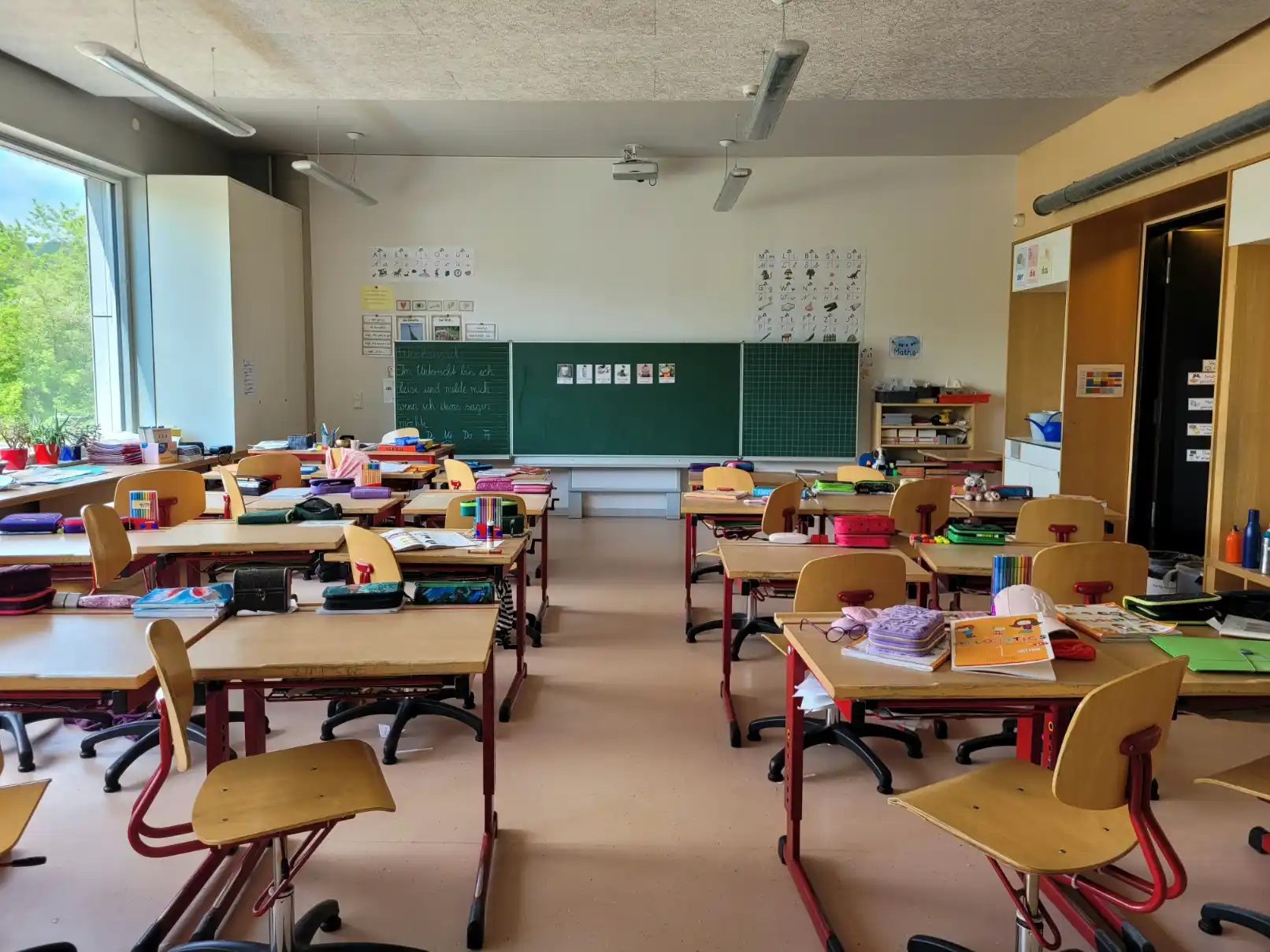
AI's Role in K-12 Education
The educational sector presents unique opportunities and challenges for AI implementation. Some applications mirror those in the corporate world, but schools must consider their mission of developing young minds and hearts.
AI Opportunities to Enhance Teaching and Learning
- Personalized Learning at Scale: Adaptive learning platforms are a benefit of AI in schools. These systems can adjust content difficulty, pacing, and presentation based on individual student performance, providing additional practice or enrichment as needed. Personalized learning AI can help address the challenge of teaching diverse abilities within a single classroom, ensuring struggling and advanced learners receive appropriate challenges.
- Empowering Teachers by Automating Administration: AI for teachers can reduce administrative burdens. AI tools reclaim valuable time by automating tasks like grading assessments, generating reports, and creating lesson plans. A 2022 National Center for Education Statistics study found teachers spend an average of 13 hours per week on administrative tasks, time that could go toward instructional planning and student interaction.
- Unlocking Data-Driven Insights: AI systems can analyze student performance data to identify patterns that human observers might miss. This enables earlier identification of students needing additional support, reveals potential gaps in curriculum delivery, and helps administrators evaluate program effectiveness at a district level with greater precision and less manual analysis.
- Expanding Access to Information: AI-powered research tools help students navigate vast information efficiently. Intelligent tutoring systems provide after-hours homework support. Translation technologies break down language barriers for English language learners and their families. These tools democratize access to educational resources otherwise inaccessible due to timing, language, or geography.
Challenges of Implementing AI in Schools
- Dehumanization and Loss of Human Connection: Education is a deeply human endeavor built on relationships, mentorship, and modeling. The risk of AI in K-12 education is that overreliance on technology may erode these connections. Students need encouragement, emotional support, and nuanced feedback from human teachers. Research shows that positive teacher-student relationships predict academic success and social-emotional development.
- Equity, Access, and the Digital Divide: Despite improving internet access, significant disparities remain. According to the Pew Research Center, about 15% of U.S. households with school-aged children lack high-speed internet, with higher rates among low-income and rural families. AI educational tools requiring robust connectivity and updated devices risk widening achievement gaps, creating a two-tiered educational system that further disadvantages marginalized students.
- Data Privacy and Security Risks: Educational AI systems collect unprecedented amounts of student data, from academic performance to behavioral patterns and keystroke analytics. This concentration of sensitive information creates significant privacy concerns and security vulnerabilities. School districts must navigate complex regulatory frameworks like FERPA and COPPA while protecting against sophisticated cybersecurity threats targeting educational institutions.
- Algorithmic Bias in Education: The consequences of biased algorithms are damaging in education. An AI system might incorrectly identify students from certain demographics as "at risk" or having lower potential, influencing teacher perceptions and student placements. These mischaracterizations can become self-fulfilling prophecies, making ethical AI in education essential. Ensuring fairness requires ongoing vigilance, expertise, and resources that many districts lack.
- Teacher Training and Staffing Gaps: Effective AI implementation requires comprehensive professional development for educators, adding to heavy workloads. Moreover, AI cannot solve fundamental staffing shortages in education, particularly for difficult-to-fill roles like special education, STEM, and world languages. While AI can supplement instruction, it cannot replicate the classroom management, social-emotional support, and responsive teaching that certified educators provide. AI can help with content delivery, but cannot substitute for qualified teachers who understand child development and create safe, engaging learning environments.
Prioritizing Human Expertise in a Tech-Enabled World
The preceding analysis reveals a fundamental truth: AI offers powerful tools for efficiency, personalization, and insight, but lacks human connection, ethical judgment, and creative adaptation that define excellent teaching and leadership. While real applications of AI in education demonstrate significant potential, the question isn't whether to adopt AI, but how to integrate it to amplify human capabilities.
In education, technology should extend great teaching, not replace it. The best educators inspire curiosity, build student confidence, manage social dynamics, and adapt instruction based on subtle cues that AI can't detect. They understand learning requires struggle, motivation, and emotional safety, conditions that need human awareness and responsiveness. Technology can provide tools and platforms, but it cannot address specific learning gaps with the empathy, flexibility, and persistence of a dedicated teacher who sees the whole child. As we consider the future of education with AI, this human element remains irreplaceable.
The Fullmind Solution
Navigating the future of education doesn't mean choosing between technology and teachers. At Fullmind, we believe in the power of both. We provide K-12 schools and districts with live, state-certified virtual educators who use technology to connect with students, wherever they are. Our solutions fill staffing needs, expand course offerings, and provide dedicated support for diverse needs, ensuring no student is left behind. We deliver human expertise that AI can't.
Conclusion
This article explores the pros and cons of AI in the workplace and education, representing two sides of a technological revolution. AI offers unprecedented capabilities to personalize learning, improve efficiency, and provide data-driven insights. It also presents significant challenges related to equity, privacy, bias, and the potential erosion of human connection in learning environments.
The path forward requires thoughtful leadership that embraces innovation while maintaining commitment to human-centered education. School administrators and business leaders should approach AI as a complement to human expertise rather than a replacement. By leading with clear ethical principles, prioritizing equity of access, and focusing on relationships and human development, organizations can harness AI's benefits while mitigating its risks. Technology should serve our educational aspirations, not define them. With careful implementation, it can help us create more effective, engaging, and equitable learning experiences for all.
For Education Leaders
Get proven strategies and expert analysis from the host of the Learning Can't Wait podcast, delivered straight to your inbox.