Connect with the Fullmind Team

For Education Leaders
Get proven strategies and expert analysis from the host of the Learning Can't Wait podcast, delivered straight to your inbox.
Virtual Staffing
Fill Teacher Vacancies in Days
- State-certified experts averaging 15+ years experience
- Fully aligned to your curriculum & standards
- Scalable, cost-effective hybrid solutions
Supporting Substitute Teachers: A Guide for School Leaders
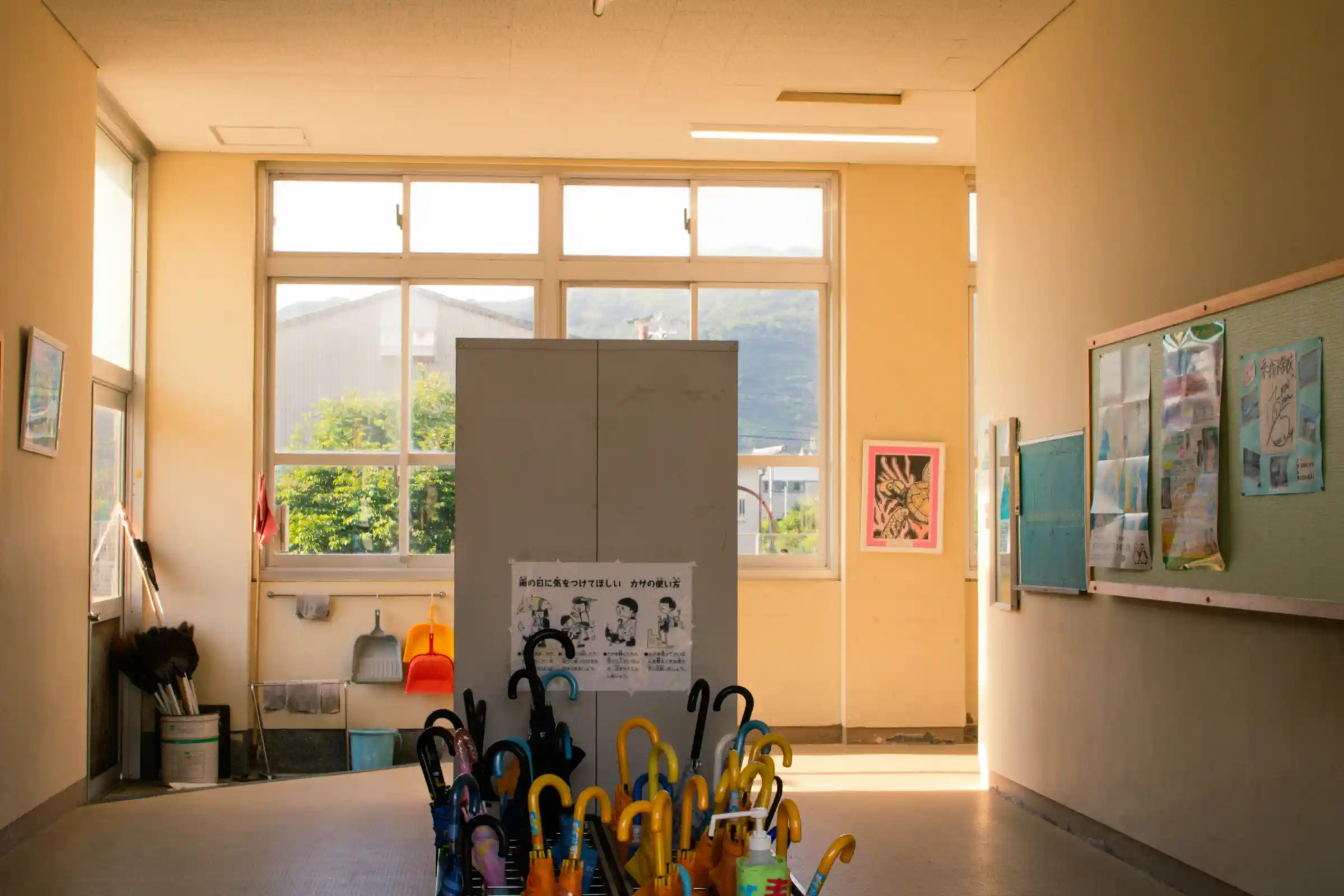
Your phone rings at 6 AM. Another teacher is out sick, and you're faced with the scramble to find a substitute. This moment isn't just a logistical headache; it's a critical inflection point that will determine whether today's learning continues smoothly or grinds to a halt for dozens of students. While some absences require just a day's coverage, others may necessitate long-term substitute teachers who can provide consistent educational continuity.
The challenge is significant. According to the National Education Association, the average K-12 student will spend 6-10% of their academic career, nearly a full year under substitute teachers. In many schools, these guest educators receive minimal support, leading to inconsistent classroom experiences, management challenges, and interrupted learning—issues that ultimately impact broader teacher retention efforts.
This guide provides school leaders with a three-pillar framework to transform substitute teaching. By mastering support for substitute teachers through Preparation, In-the-Moment Support, and Post-Assignment Follow-Up—while leveraging digital leadership capabilities for seamless communication and resource management—you will ensure learning continuity and build a competitive advantage in attracting and retaining high-quality substitute educators.
Why a Substitute Support System is Non-Negotiable
When substitute teachers enter classrooms without proper support, instruction often defaults to busywork or review instead of meaningful learning. These "lost days" accumulate, creating invisible gaps in student learning that widen existing achievement disparities. U.S. Department of Education research shows that frequent disruptions to instructional continuity can set back curriculum pacing by weeks, affecting standardized test performance and college readiness.
Your substitute management approach directly affects your school's culture and staff retention, beyond academic impacts. Schools supporting guest educators become preferred workplaces, developing a reliable pool of high-quality substitutes who choose your campus. This reduces the administrative burden of last-minute staffing and improves morale among permanent teachers, who can take necessary absences knowing their students are in capable hands—a critical advantage during today's ongoing teacher shortage.
Building an effective substitute teacher support system requires a mindset shift. Successful schools treat substitutes as valued "guest educators" deserving respect, resources, and recognition, rather than viewing them as temporary placeholders. This shift, from seeing substitutes as a necessary inconvenience to viewing them as essential partners, aligns with proven HR best practices and lays the groundwork for the practical strategies that follow.
Before Arrival - Building a Proactive Support Framework
The best support happens before the substitute arrives. It's about creating a prepared environment.
The "Sub-Ready" Classroom and the Ultimate Sub Binder
A comprehensive substitute binder, physical or digital, serves as the guest educator's lifeline in an unfamiliar environment. This resource must be prominently displayed, clearly labeled, and intuitively organized to support immediate classroom functionality.
Logistical Must-Haves:
- Current bell schedule with exact times
- A school map with highlighted bathroom locations
- Key contact information (principal, neighboring teachers, IT support) with phone extensions
- Step-by-step emergency procedures for fire, lockdown, and medical situations
- Accurate attendance roster with phonetic spelling guides for challenging names
Classroom Essentials:
- Updated seating chart with student photos.
- Detailed lesson plans for 2-3 days, with alternatives for different skill levels.
- Student notes highlighting accommodations, medical needs, and students with IEPs or 504 plans
- Classroom rules written positively with specific consequences.
- Technology instructions with troubleshooting tips and login information
"Emergency" Plans:
- Extension activities that reinforce current learning objectives
- "Anytime" lessons that connect to grade-level standards, specific to each subject.
- List of student helpers for routines and procedures
Streamlining Onboarding and Orientation
Even experienced substitute teachers need context to succeed in your school. Develop a brief orientation process that can be delivered in 10-15 minutes by an administrator, office staff, or designated teacher.
The orientation should cover your school's core values, behavior management philosophy, and procedures for handling technology issues or student conflicts. Many leading schools create a 5-minute welcome video for substitutes to watch upon arrival, ensuring consistent messaging.
Establishing Clear Communication Channels
Substitute teachers often feel isolated during problems. Prevent this by creating a communication flowchart that eliminates guesswork during challenges. Specify who to contact for:
- A technology failure or login issue
- A significant student behavior problem
- A medical emergency
- Questions about lesson content or materials
- Administrative needs (e.g., extra copies, supplies)
Include this one-page reference guide in the substitute binder, with multiple contact methods for each resource person. A "buddy teacher" should always be identified as the first point of contact for non-emergency questions.
Empowering Substitutes for In-Classroom Success
Once the school day starts, proactive systems must be matched with real-time human support.
The Power of a Personal Welcome
A personal greeting from a school leader greatly impacts a substitute's experience. Designate a staff member, such as an assistant principal, department head, or lead teacher, to personally check in with each substitute within the first 30 minutes of arrival. This brief interaction allows for questions, explains unique circumstances, and makes the guest educator feel valued and seen.
This personal connection transforms the substitute from an outsider to a welcomed professional, increasing their investment in the day's success. Schools implementing this practice report higher substitute return rates and fewer classroom management issues.
In-Classroom Backup and Resources
Effective substitute support systems include a structured "buddy system," where a neighboring teacher is assigned to check in during their planning period. This colleague can answer curriculum questions, provide context about student dynamics, and offer professional camaraderie.
Administrators should be visible throughout the day, briefly visiting substitute-led classrooms not as evaluators but as supportive resources. A simple "How is everything going? Do you need anything?" communicates that the substitute isn't isolated or forgotten after the bell.
Differentiating Support for Short vs. Long-Term Assignments
Short-term substitutes need immediate resources for a single class period or day, while long-term substitute teacher support requires a comprehensive integration approach. For assignments lasting over a week, implement these additional supports:
Long-term substitutes should access departmental planning meetings, curriculum resources, and grading platforms. Assign an instructional coach or department chair to meet weekly with them to review upcoming content and assessment strategies. Include them in relevant email communications and invite them to faculty gatherings to foster connection with the permanent staff.
These supports ensure that long-term substitutes can maintain instructional momentum rather than just "holding the line" until the regular teacher returns.
Covering Specialized and Long-Term Vacancies
Even the best substitute teacher support system faces impossible challenges in specialized positions. Traditional substitute solutions fall short when your AP Calculus teacher takes unexpected medical leave, or your only Spanish instructor needs six weeks of FMLA time. Most substitute pools lack candidates with expertise in advanced subjects like higher-level mathematics, world languages, or specialized special education services.
This expertise gap creates significant learning losses that well-supported general substitutes cannot mitigate. Students in specialized courses can quickly fall weeks behind, affecting college preparation and course sequencing. The problem is acute in rural districts with limited local substitutes and in high-needs areas like special education, where compliance with IEPs requires specific credentials.
Forward-thinking districts are implementing synchronous virtual instruction. Schools can now bring a live, certified subject-matter expert into the classroom virtually instead of an unqualified substitute supervising busywork. Students interact in real-time with a qualified instructor while an in-person monitor handles logistics and behavior management. This blended approach maintains rigorous instruction during difficult-to-cover absences.
When a long-term vacancy arises or a specialized role is impossible to fill locally, leading districts need a reliable partner to prevent learning loss. Fullmind provides schools access to over 600 live, certified virtual educators across all subjects and grade levels. By partnering with Fullmind, you ensure your students, including those with special needs requiring certified virtual educators for SWD services, receive the expert instruction they deserve, regardless of staffing challenges.
Learn how Fullmind's virtual staffing solutions can fill your critical vacancies.
Closing the Loop with Feedback and Recognition
Support doesn't end when students leave. What happens next determines if a great substitute will return.
Creating a Simple Two-Way Feedback System
Implement a standardized end-of-day form that must be completed before departing. This document should capture essential information about covered material, helpful or disruptive students, and any questions that arose. The most effective forms require minimal writing while providing actionable information for the returning teacher.
It’s important to create a channel for substitutes to provide feedback about their experience at your school. A simple digital form asking about the clarity of lesson plans, student behavior, and overall support received provides invaluable insights for improving your substitute teacher support system. Schools that systematically collect and act on this feedback report higher substitute retention rates and more consistent classroom experiences during teacher absences.
Showing Appreciation to Build Your "Preferred" List
Recognition builds loyalty. Simple appreciation acts ensure your best substitutes prioritize your school when multiple opportunities arise:
- A personalized thank-you email from an administrator noting specific contributions.
- Adding high-performing substitutes to a "preferred caller" list that receives first notification of openings.
- Including regular substitutes in school-wide communications and events.
- Offering professional development opportunities that enhance their effectiveness and demonstrate investment in their growth.
These small gestures create a virtuous cycle: better support leads to better performance, genuine recognition, and attracts and retains the highest-quality substitutes for your school.
Conclusion
Building an effective system to support substitute teachers requires intentional design across three phases: proactive preparation before arrival, meaningful empowerment during the teaching day, and thoughtful follow-up after the assignment. Each element reinforces the others, creating a comprehensive approach that ensures continuity of learning despite teacher absences.
By implementing the strategies in this guide, you transform substitute teaching from a liability into a strategic asset. Your students benefit from uninterrupted learning, your permanent teachers gain peace of mind during absences, and your school attracts high-quality substitute educators. In today's staffing environment, a robust substitute teacher support system isn't just good practice; it's a competitive necessity for educational excellence.
For Education Leaders
Get proven strategies and expert analysis from the host of the Learning Can't Wait podcast, delivered straight to your inbox.