Connect with the Fullmind Team

For Education Leaders
Get proven strategies and expert analysis from the host of the Learning Can't Wait podcast, delivered straight to your inbox.
Virtual Resource Rooms
Compliant IEP Support Without Staffing Headaches
- Certified SPED teachers for every goal
- Seamless schedule integration & progress dashboards
- Real-time data for reviews & compliance
Iowa IEP Laws, Eligibility, and Compliance Guide for Districts
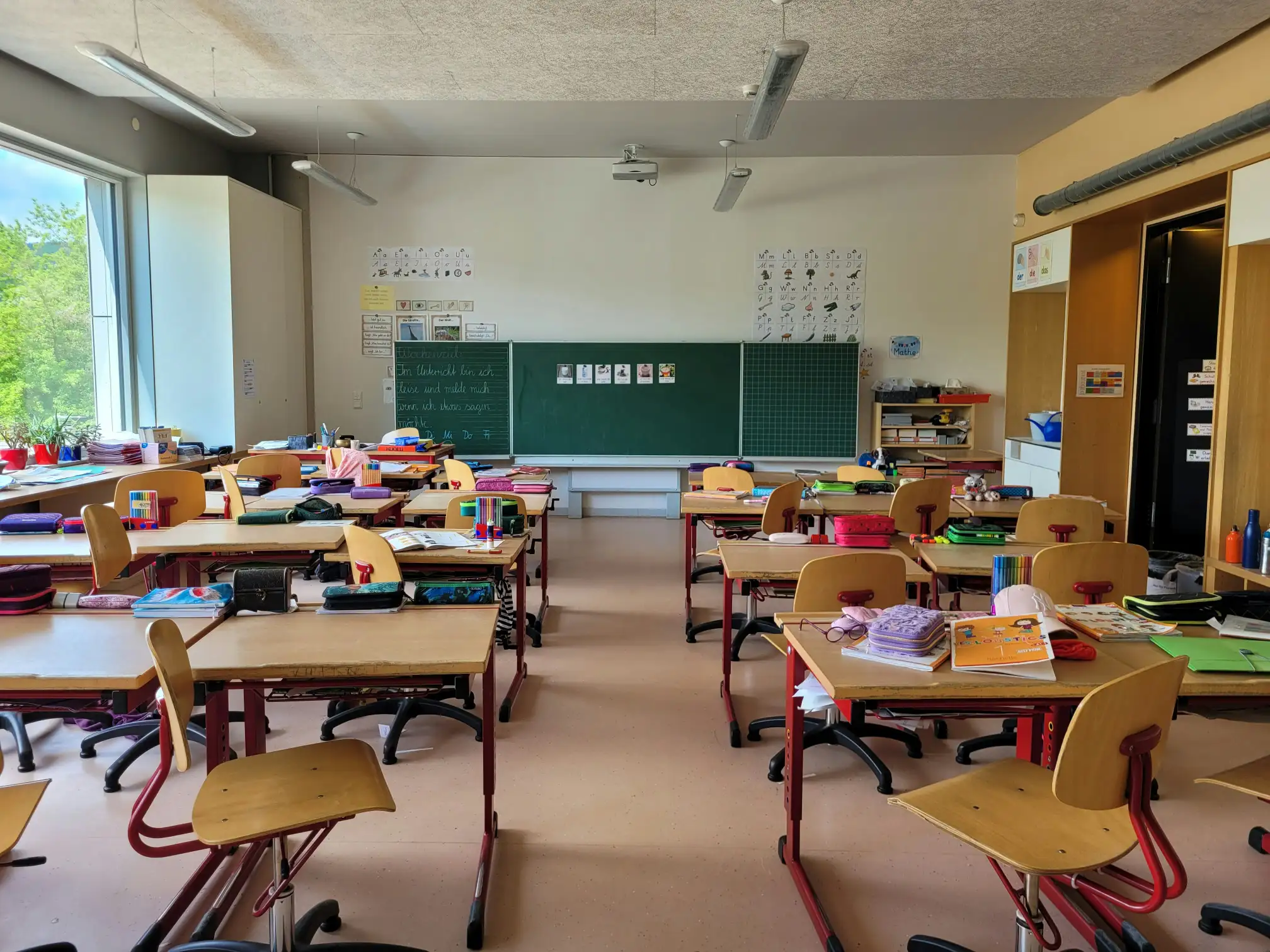
In Iowa, about 62,000 students receive special education services, nearly 13% of the state's total student population. For these students, an Individualized Education Program (IEP) is a roadmap to academic success, outlining specialized instruction, accommodations, and services to meet their needs. Under the Individuals with Disabilities Education Act (IDEA), every eligible student is entitled to a free appropriate public education tailored to their requirements.
Understanding Iowa IEP laws, eligibility, and compliance has become complex as federal and state regulations evolve. School districts face pressure to ensure full compliance while delivering high-quality services that support student outcomes. This guide provides education professionals, administrators, and parents with essential information about Iowa's IEP laws, eligibility requirements, and compliance obligations.
Districts navigating these complexities may benefit from specialized service providers for comprehensive IEP fulfillment support.
Overview of Iowa IEP Laws
Iowa IEP laws are based on the federal Individuals with Disabilities Education Act (IDEA), which guarantees eligible students with disabilities the right to special education services. IDEA establishes the framework for special education across all states, ensuring consistency in core protections and procedures while allowing states to develop specific implementation guidelines.
Iowa's special education requirements are in Iowa Administrative Code Chapter 41, aligning with and expanding upon IDEA mandates. These regulations guide evaluation procedures, Individualized Education Program (IEP) development, service delivery, and compliance monitoring. Iowa's approach emphasizes collaborative decision-making, individualized programming, and evidence-based interventions to support student success.
Iowa's IEP laws include Child Find obligations, requiring districts to identify students needing special education services. Comprehensive evaluation and eligibility processes ensure only those who need specialized instruction receive services. IEP development and implementation guidelines establish procedures for creating and executing individualized programs, with many districts utilizing IEP goal tracking software to monitor student progress effectively. Parental rights protections guarantee meaningful participation in their child's education. Dispute resolution mechanisms provide pathways for addressing disagreements between families and schools.
Central to Iowa's special education framework is the commitment to providing a Free Appropriate Public Education (FAPE) to all eligible students with disabilities in the Least Restrictive Environment (LRE). FAPE ensures that special education and related services are provided at no cost to families, are appropriate to the student's individual needs, and include access to the general education curriculum. LRE mandates that students with disabilities are educated alongside their non-disabled peers to the maximum extent appropriate, with removal to separate settings occurring only when the nature or severity of the disability prevents satisfactory achievement in general education classes even with supplementary aids and services.
IEP Eligibility Criteria in Iowa
In Iowa, determining a student's eligibility for special education services requires a comprehensive, individualized evaluation. This evaluation must be conducted by a qualified team and assess the student across all areas of suspected disability. The evaluation has two purposes: identifying whether the student has a disability in a recognized category and determining whether that disability adversely affects educational performance to the extent that specialized instruction is necessary.
The evaluation process begins with a referral from parents, teachers, or school personnel. After receiving a referral, the district must obtain informed parental consent before conducting assessments. The evaluation must be completed within 60 calendar days of receiving written parental consent, and all assessments must be conducted in the student's native language or preferred communication mode.
Iowa recognizes the same 13 disability categories under IDEA for students ages 3-21:
- Specific Learning Disability - A disorder in one or more basic psychological processes affecting the ability to understand or use language.
- Other Health Impairment - Limited strength, vitality, or alertness due to chronic or acute health problems
- Autism Spectrum Disorder - A developmental disability that significantly affects verbal and nonverbal communication and social interaction.
- Emotional/Behavioral Disorder - A condition exhibiting emotional or behavioral responses significantly different from age-appropriate norms.
- Speech or Language Impairment - A communication disorder affecting articulation, language, voice, or fluency
- Intellectual Disability - Significantly subaverage intellectual functioning with deficits in adaptive behavior
- Deafness - A hearing impairment severe enough to prevent processing linguistic information through hearing
- Hearing Impairment - A hearing impairment that adversely affects educational performance.
- Visual Impairment - A vision impairment that adversely affects educational performance
- Deaf-Blindness - Concomitant hearing and visual impairments causing severe communication and developmental needs
- Orthopedic Impairment - A severe orthopedic impairment that adversely affects educational performance.
- Traumatic Brain Injury - An acquired brain injury caused by an external physical force
- Multiple Disabilities - Concomitant impairments causing severe educational needs that cannot be accommodated in programs designed for any one disability.
Having a diagnosed condition is insufficient for eligibility determination. The student must demonstrate that the disability adversely affects educational performance and that specialized instruction beyond general education accommodations and interventions is necessary for educational benefit.
IEP Development and Implementation in Iowa
In Iowa, the IEP development process requires collaboration among a diverse team of professionals and stakeholders to support the student's educational program. The IEP team must include several required members: the student's parents or guardians, who provide insights into the child's needs, strengths, and preferences; at least one general education teacher who can address the general curriculum and classroom expectations; at least one special education teacher or provider who understands specialized instruction and disability-related needs; a district representative qualified to provide or supervise special education services and knowledgeable about general curriculum and district resources; and an individual who can interpret evaluation results and their instructional implications.
When appropriate, particularly for students aged 16 and older, the student should participate in IEP meetings to develop self-advocacy skills and ensure their voice is heard in educational planning. Additional team members may include related service providers, transition specialists, or other professionals with relevant expertise based on the student's individual needs.
The IEP development process starts with a thorough review of evaluation data, including academic assessments, behavioral observations, and input from parents and teachers. This information is the foundation for developing measurable annual goals that address the student's individual needs. The team must also determine appropriate accommodations and modifications for the student to access the general education curriculum and demonstrate their knowledge and skills.
An Iowa IEP must contain several required components to create a comprehensive educational program:
- Present Levels of Academic Achievement and Functional Performance (PLAAFP) - A detailed description of the student's current performance in academic and functional areas.
- Measurable Annual Goals - Specific, observable objectives the student is expected to achieve within one year.
- Special Education and Related Services - Description of specialized instruction and support services.
- Accommodations and Modifications - Changes to instruction, materials, or environment to support student access and participation.
- Participation in State and District Assessments - How the student will participate in required testing programs
- Dates, Frequency, and Location of Services - When, how often, and where special education services will be provided
- Transition Planning - For students 16 and older, planning for post-secondary goals and activities.
Iowa law requires IEPs to be developed within 30 calendar days of the eligibility determination. Once implemented, the IEP must be reviewed annually but can be modified more frequently. The team must ensure all specified services are provided as written, maintaining fidelity to the agreed-upon program.
Iowa Law Compliance Requirements
Iowa's special education laws have extensive compliance requirements to ensure students with disabilities receive appropriate services. Chapter 41 of the Iowa Administrative Code establishes standards for special education service delivery, from initial identification to transition planning. Districts must maintain documentation systems to demonstrate adherence to these requirements and provide evidence of student progress and program effectiveness.
Iowa's monitoring and accountability system includes regular compliance reviews, data collection and analysis, and on-site investigations for concerns. The Iowa Department of Education conducts cyclical monitoring of all districts, examining policies, procedures, and practices for alignment with state and federal requirements. This process includes reviewing student files, interviewing staff and families, and observing service delivery.
Districts must address common non-compliance areas, including failure to provide FAPE to eligible students due to non-individualized, insufficient, or inappropriate services. Another frequent issue is inadequate IEP documentation, particularly when IEPs lack specificity in goals, services, or progress monitoring. Insufficient parental involvement in the IEP process, through inadequate notice, limited participation opportunities, or failure to consider input, also creates compliance concerns.
Inappropriate placement decisions that disregard the LRE principle or don't support the student in general education settings represent serious compliance violations. Failure to implement IEPs with fidelity (not providing specified services, failing to use required accommodations, or inadequate progress monitoring) violates students' rights to appropriate education.
Non-compliance consequences can be significant. Districts may need to develop and implement corrective action plans with specific timelines and benchmarks. In severe cases, the state may impose sanctions, require technical assistance, or mandate changes in leadership or service delivery models. Families may pursue legal remedies, including due process hearings or federal court action, resulting in compensatory services, reimbursement for private services, or other relief.
Parental Rights and Involvement in Iowa IEPs
Parental involvement is crucial in Iowa's special education programming. Parents have extensive rights to ensure their meaningful participation in their child's special education experience. These rights reflect recognition that parents are experts on their children and essential partners in educational planning and implementation.
Iowa guarantees parents comprehensive rights throughout the special education process. Parents have the right to participate in all IEP meetings and must receive adequate notice of meetings to arrange attendance. This includes the right to request meeting times that accommodate parental schedules and to have meetings conducted in their native language or preferred communication mode when necessary.
The right to review educational records ensures parental access to all information used in educational decision-making. Parents can examine their child's complete educational file, including evaluations, progress reports, behavioral documentation, and correspondence. They can request copies of records and explanations of any information they don't understand.
Parental rights under Iowa IEP laws include:
- Right to participate in all IEP meetings and receive adequate advance notice of meeting times and purposes.
- Right to review and obtain copies of all documents in their child's educational file.
- Right to obtain an independent educational evaluation (IEE) at public expense if they disagree with the district's evaluation.
- Right to consent to or decline services and revoke consent for special education services at any time
- Right to request mediation or file complaints for district disagreements.
- Right to due process, including formal hearings when disputes can’t be resolved otherwise.
Districts must provide parents prior written notice whenever they propose or refuse changes in their child's identification, evaluation, placement, or services. This notice must include detailed explanations of proposed actions, reasons for the proposals, and descriptions of other considered and rejected options.
Successful parental involvement requires districts to move beyond compliance with notification requirements to genuine collaboration. Effective strategies include scheduling meetings at convenient times, providing information in accessible formats, soliciting parental input, incorporating family priorities into educational planning, and maintaining regular communication about student progress and program effectiveness.
Evaluation and Reevaluation Processes
Iowa's evaluation and reevaluation processes follow prescribed procedures to ensure accurate identification of students' needs and appropriate service delivery. Initial evaluations determine if a student has a disability and needs special education services, while reevaluations assess if the student still has a disability and needs specialized programming.
Before any evaluation, districts must obtain informed parental consent, which must be voluntary and revocable. Parents must receive clear explanations of all assessments, their purposes, and how the results will be used in educational decisions. The consent process ensures parental understanding and agreement before testing begins.
Iowa law requires initial evaluations within 60 calendar days of receiving written parental consent to ensure timely identification and service provision while allowing time for comprehensive assessment. Reevaluations must occur at least every three years but can happen more frequently if circumstances warrant.
The evaluation process includes various assessments based on the student's needs and suspected disabilities. Academic assessments examine performance in reading, mathematics, written expression, and other areas. Cognitive assessments evaluate intellectual functioning, processing abilities, and learning potential. Behavioral assessments examine social-emotional functioning, adaptive behavior, and problematic behaviors that interfere with learning.
Speech and language assessments evaluate communication skills including articulation, language comprehension and expression, voice quality, and fluency. Occupational therapy assessments examine fine motor skills, sensory processing, and daily living skills affecting educational performance. Physical therapy assessments evaluate gross motor skills, mobility, and physical functioning impacting school participation.
During reevaluation, the team must determine if the student still meets eligibility criteria for special education services. This process includes reviewing existing data, determining additional information needed, and conducting assessments. If no additional assessments are needed, parents must be notified and provided with reasons, though they can request necessary assessments.
Dispute Resolution and Due Process in Iowa
When between families and schools regarding special education services, Iowa provides multiple pathways for dispute resolution. These options address concerns efficiently while preserving relationships and focusing on student needs. The system encourages resolution at the most informal level while ensuring access to formal procedures when necessary.
Informal meetings with school staff are the first step in addressing concerns. Parents can request meetings with teachers, special education coordinators, or administrators to discuss issues and seek solutions. These meetings often resolve misunderstandings and allow for program adjustments without formal proceedings.
Mediation provides a structured process facilitated by a neutral third party trained in special education law and conflict resolution. It’s voluntary and confidential, with discussions not admissible in future due process hearings. Iowa offers mediation services at no cost to families, often resulting in written agreements.
Parents or other parties can file written complaints with the Iowa Department of Education alleging violations of special education requirements through complaint investigation. The department investigates complaints within 60 days and issues written findings with corrective action requirements when violations are substantiated. This process addresses systemic issues and ensures state-level compliance oversight.
Due process hearings are the most formal dispute resolution mechanism under Iowa law. Parents may request them when they disagree with the district's decisions regarding their child's identification, evaluation, placement, or services. The procedure includes several steps: filing a due process complaint with specific allegations and requested relief; participating in a resolution session; proceeding to mediation if both parties agree; and attending a formal hearing before an impartial officer if no resolution is reached.
Due process hearings involve evidence, witness testimony, and legal arguments from both parties. The hearing officer issues a binding written decision, but either side may appeal to federal court. Given the complexity and potential consequences, parents should seek legal advice from attorneys experienced in special education law.
Transition Planning under Iowa IEP Laws
focus on preparing students with disabilities for successful post-secondary outcomes in education, employment, and independent living. This process recognizes that students with disabilities may need additional support and specialized planning to achieve their goals after high school.
The purpose of transition planning is to create a coordinated set of activities to promote movement from school to post-school activities based on individual student needs, strengths, preferences, and interests. Effective transition planning begins early and involves collaboration among students, families, schools, and community agencies.
Iowa requires transition planning to start by the first IEP when the student turns 16, but earlier if determined by the IEP team. This timing allows sufficient opportunity to develop skills and coordinate services before the student exits the school system.
A transition plan must address multiple domains of post-secondary functioning. Post-secondary education goals might include community college, four-year universities, vocational training, or continuing education. Employment goals encompass competitive, supported, sheltered, or volunteer work based on individual capabilities and preferences. Independent living goals address residential options, community participation, recreation, and daily living skills for adult independence.
The transition plan must specify the activities and services to support the student in achieving their goals. These might include specialized instruction in academic or functional skills, related services like occupational or physical therapy, community experiences for real-world skills, development of employment objectives, and coordination with adult service agencies for ongoing support after school exit.
Student involvement in the transition planning process is essential for developing self-determination skills and ensuring plans reflect individual preferences and goals. Students should participate in IEP meetings where transition services are discussed and express their interests, preferences, and concerns about their future.
Accommodations and Modifications in Iowa
Iowa educators implementing IEP services must understand the distinction between accommodations and modifications. Accommodations change how students access information, demonstrate knowledge, or participate in activities without altering the learning expectations or content standards. Modifications change what students are expected to learn, altering the curriculum, expectations, or outcomes.
Iowa IEPs may include accommodations to address individual student needs and remove learning barriers. Extended time allows students extra time to complete assignments or assessments without changing the content or expectations. Preferential seating positions students in locations that minimize distractions or optimize access to instruction and participation.
Common Iowa IEP accommodations include:
- Extended time for assignments and assessments
- Preferential seating to optimize attention and participation
- Use of assistive technology like computers, communication devices, or specialized software
- Reduced distractions through alternative testing locations or modified environments
- Verbal prompts or cues to help students stay on task or follow directions
- Alternative formats for materials like large print, audio recordings, or digital texts
- Breaks during lengthy activities or assessments
- Visual supports like schedules, graphic organizers, or pictorial instructions
Modifications represent significant changes to educational programming and are used when students cannot achieve grade-level standards despite accommodations and specialized instruction. These changes must be carefully considered and documented in the IEP with specific rationales.
Types of modifications include:
- Reduced workload with fewer problems or shorter assignments
- Modified assignments with simplified content or alternative activities
- Instructions simplified using concrete language and step-by-step directions
- Alternative assessments measuring progress on modified curriculum
- Adapted materials to present information at the student's instructional level
- Alternative grading systems that reflect modified expectations
Accommodations and modifications must be based on the student's individualized needs identified through evaluation and progress monitoring. The IEP team should consider the student's disability characteristics, performance levels, learning style, and educational goals. Regular review ensures support remains effective as needs change.
FAQ: Additional Topics and Concerns
Q: How is special education funded in Iowa, and how does it impact IEP services?
Iowa uses a weighted funding formula for special education that provides additional resources based on the level of services required. Students are assigned to service levels with different funding weights, with more intensive services receiving higher allocations. This system ensures districts have adequate resources to provide appropriate services regardless of the number or severity of disabilities. Districts must provide all services in IEPs regardless of funding, and lack of funds cannot deny appropriate services. The funding system supports the principle that all eligible students must receive FAPE regardless of cost.
Q: How do Iowa IEP laws apply to students in private schools or homeschooling?
A: Under Iowa law, students with disabilities in private schools or homeschooling maintain certain rights to special education services, though these differ from public school students. The resident public school district must conduct Child Find activities for private school students and offer to evaluate students suspected of disabilities. If a student is found eligible, the district must offer FAPE, though parents may decline and keep their child in private school. For parentally-placed private school students, districts must spend a proportionate amount of federal special education funds on services, though these need not be equivalent to public school services. Homeschooled students may be evaluated for special education eligibility, and districts may provide some services, though the extent varies by district policy and individual circumstances.
Q: When are BIPs required under Iowa law, and how do they relate to IEPs?
A: Iowa law requires behavioral intervention plans (BIPs) when a student's behavior impedes their learning or that of others, regardless of disability. A BIP must be developed when the IEP team determines that behavioral goals and supports in the IEP are insufficient. The BIP process begins with a functional behavioral assessment (FBA) to identify the purposes of the behaviors and environmental factors leading to issues. The BIP includes specific strategies, interventions, and supports to teach appropriate replacement behaviors and modify environmental factors. BIPs are part of the student's IEP and must be implemented consistently. All staff working with the student must be trained on BIP implementation, and the plan must be reviewed and updated based on progress and changing needs.
Q: What are the criteria for ESY services in Iowa, and how are they determined?
A: In Iowa, extended school year (ESY) services are determined individually for students needing services beyond the normal school year to receive FAPE. ESY eligibility is based on the likelihood of substantial regression jeopardizing skill maintenance or progress toward IEP goals during breaks. Iowa considers several factors: progress toward IEP goals, disability severity, student progress rate, behavioral and physical problems affected by routine breaks, availability of alternative resources, and parents' ability to provide educational structure. ESY services need not duplicate the full school-year program but must address specific skills and goals at risk for regression. The IEP team makes ESY determinations annually during IEP development, and decisions must be made by the end of the school year for adequate planning.
Q: What is Iowa's stance on restraint and seclusion of students with disabilities, and what safeguards are in place?
Iowa has established guidelines regarding restraint and seclusion of students with disabilities that prioritize safety and dignity while recognizing the need for emergency interventions. Physical restraint may only be used when a student presents an immediate danger to themselves or others and only for as long as necessary. Mechanical restraints are prohibited except for prescribed protective or stabilizing devices or safety equipment like seat belts. Seclusion involves confining a student alone in a room from which they cannot leave and is subject to strict limitations and oversight. Iowa requires all staff to receive training in de-escalation techniques and positive behavior supports to prevent situations requiring restraint or seclusion. When these interventions are used, detailed documentation must be completed, parents must be notified promptly, and debriefing must occur to identify prevention strategies. Students with disabilities who have behavior plans must have those plans reviewed after any use of restraint or seclusion to determine if modifications are needed.
Conclusion
Understanding and implementing Iowa IEP laws, eligibility, and compliance requirements is both a legal obligation and an ethical commitment to supporting students with disabilities. This framework ensures every eligible student receives individualized services for meaningful educational progress and successful post-secondary outcomes. From initial identification through transition planning, Iowa's special education system focuses on collaboration, individualization, and evidence-based practices.
Compliance with Iowa's IEP laws requires attention to detail, commitment to best practices, and continuous improvement. Districts must maintain robust systems for evaluation, IEP development, service delivery, and progress monitoring while ensuring meaningful parental involvement and student-centered planning. The complexity of these requirements shows the importance of knowledgeable staff and reliable support systems.
For districts seeking to improve their special education programs and comply with Iowa requirements, partnering with experienced service providers can provide support and expertise. Specialized services help navigate IEP implementation while focusing on student success and educational outcomes.
For Education Leaders
Get proven strategies and expert analysis from the host of the Learning Can't Wait podcast, delivered straight to your inbox.