Connect with the Fullmind Team

For Education Leaders
Get proven strategies and expert analysis from the host of the Learning Can't Wait podcast, delivered straight to your inbox.
Test Prep
Live state test prep for your assessments and graduation exams, plus SAT and ACT prep, aligned to your curriculum.
Differentiated Instruction Tools: Personalized Learning
K-12 classrooms have diverse student abilities, backgrounds, and learning needs. Post-pandemic learning gaps have widened the achievement spectrum within classrooms, while staffing shortages have left schools struggling to meet every student's needs. As a school administrator, you face the challenge of ensuring each student receives a tailored education despite these obstacles, whether during the academic year or through personalized summer learning programs.
Differentiated instruction involves modifying content, process, products, and learning environments to match students' abilities, interests, and needs. How can educators realistically differentiate for 25+ students with varying needs? This is where personalized learning technology enters, making true differentiation more achievable and sustainable. Understanding how to implement differentiated instruction effectively requires both the right tools and strategic planning.
In this guide, we explore the foundations of differentiation, how technology can enhance teaching, and provide a practical framework for understanding the landscape of differentiated instruction tools available today. These tools range from human-led services to classroom applications that support teachers' efforts, including online project-based learning platforms that enable personalized student experiences.
Why Differentiation Instruction Tools Matter
The data on learning variability is compelling. According to NWEA research, students in the same grade can show a seven-year readiness level range for a single subject. A typical fifth-grade classroom might include students performing at second to ninth-grade levels in mathematics. Traditional one-size-fits-all instruction cannot effectively serve this range. At the same time, edtech for differentiation has evolved, offering sophisticated solutions to help educators manage this diversity through student-led learning examples, personalized approaches, and competency-based education models.
Carol Ann Tomlinson, the authority on differentiated instruction, identifies four key areas where educators can customize learning experiences to meet individual student needs. These differentiation strategies are particularly valuable for personalized learning for rural students, where technology tools can help overcome resource limitations. The four areas include the content, process, product, and learning environment:
- Content: What the student needs to learn by adjusting complexity, focus, or access points
- Process: How the student will learn it through varying activities, pacing, or modalities.
- Product: How the student will demonstrate their learning by offering choice in how it is shown.
- Environment: The classroom’s look and feel includes flexible grouping, physical setup, and emotional atmosphere.
A well-implemented differentiation strategy delivers significant benefits:
- Increased student engagement and motivation.
- Reduced achievement gaps
- Development of student agency and ownership of learning.
- Improved classroom behavior and participation.
- Higher overall academic achievement
- More inclusive learning environments that cater to all students
A Foundational Approach to Differentiation
Before discussing software platforms, recognize that technology alone cannot drive effective differentiation. The best differentiated instruction tools amplify, extend, and empower expert educators' work, not replace them. The human element, which includes the teacher's expertise, relationship-building skills, and instructional judgment, remains the foundation of successful personalized learning models.
This human-centered philosophy is why Fullmind has emerged as a leader in personalized learning solutions. Rather than offering another software platform, Fullmind provides live, certified virtual educators who deliver customized learning experiences around each student's specific needs. This approach represents the ultimate differentiation by connecting students with the right expert teacher at the right time.
Fullmind's services address core differentiation challenges at a system level. For districts facing teacher shortages, Fullmind provides virtual instruction for specialized courses and electives. For students needing intensive support, Fullmind delivers one-on-one or small-group instruction through high-dosage tutoring targeting skill gaps. Fullmind offers support for Students with Disabilities (SWD) through dedicated SWD services & IEP fulfillment. This support ensures IEP requirements are met with specialized instruction from qualified professionals. For administrators facing staffing challenges, Fullmind's virtual staffing solutions ensure every student receives expert instruction.
How Expert Educators Can Transform Differentiation in Your District?
Fullmind partners with over 600 schools and districts to provide certified educators and customized solutions for every learner's needs. Our live instruction makes personalized learning a reality, fulfilling IEP requirements and expanding course offerings.
The Administrator's Toolkit: Key Differentiation Technology
A comprehensive partner like Fullmind offers foundational human expertise, while a suite of classroom technology tools empowers your in-house teachers so they can differentiate more effectively and efficiently.
The following sections break down differentiation technology by primary function. This breakdown helps you identify solutions that map directly to the four pillars of differentiation (Content, Process, Product, and Environment) and complement human-led instruction in your schools.
1. Adaptive Learning and Assessment Platforms
Adaptive learning platforms use algorithms to analyze student performance and adjust content difficulty, pacing, and sequence based on progress. They excel at differentiating content and process elements by creating personalized learning paths.
i-Ready
- What it is: A widely used K-12 platform that combines diagnostic assessment with personalized online instruction in reading and math.
- How It Differentiates: The diagnostic assessment identifies each student's skill level across multiple domains and assigns individualized learning paths. The system continuously adjusts instruction based on performance and addresses specific gaps while accelerating growth for students who demonstrate mastery. Teachers receive detailed analytics to form targeted small groups for additional instruction.
Khan Academy
- What it is: A non-profit offering free practice exercises, instructional videos, and a personalized learning dashboard that covers numerous subjects.
- How It Differentiates: Khan Academy's "Mastery Learning" system allows students to progress at their own pace and requires demonstrated mastery before advancing. The platform provides immediate feedback and hints, suggests remedial content when students struggle, and offers different explanatory approaches for complex concepts. Its "Teacher Dashboard" helps educators identify students needing additional support on specific skills.
Newsela
- What it is: An instructional content platform that takes authentic, real-world content from trusted providers and makes it ready for instruction in K-12 classrooms.
- How It Differentiates: Newsela's signature feature is publishing current events articles at five reading levels while maintaining the same content. This allows an entire class to engage with identical topics and concepts regardless of reading ability. Embedded assessments and activities can be assigned at varying complexity. Additionally, content can be filtered by subject area and students' interests to increase engagement.
2. Content Creation and Curation Tools
These platforms empower teachers to create or customize differentiated materials, including interactive lessons and multimedia presentations. They support differentiation of Content and Product by giving educators flexible tools to tailor instructional materials as well as assessment options.
Nearpod
- What it is: An interactive lesson delivery platform that allows teachers to create or download lessons that include embedded quizzes, polls, videos, collaborative boards, and 3D objects.
- How It Differentiates: Teachers can assign different activities to student groups during a single lesson. The "Student-Paced" mode allows learners to progress at their own speed. In contrast, "Live Participation" mode gives teachers real-time insight into individual and whole-class understanding. Teachers can leverage this data to adjust instruction on the fly, addressing misconceptions before they become entrenched.
Edpuzzle
- What it is: A tool that transforms any video into an interactive lesson by allowing teachers to embed questions, audio notes, and assessments.
- How It Differentiates: Teachers can assign different videos to students based on readiness, preferences, or interests. The self-paced nature allows students to pause and rewatch sections, so they can process information at their own speed. Analytics show which students watched which sections and how they performed on embedded questions, which helps teachers identify students who need support.
Pear Deck
- What it is: An interactive presentation tool that integrates with Google Slides or PowerPoint and transforms static slideshows into engaging, interactive learning experiences.
- How it Differentiates: Pear Deck enables anonymous student responses, creating a psychologically safer participation environment. Teachers can see every student's response in real-time and provide individual feedback without public exposure. The platform supports multiple response types, which include text and drawing as well as draggable objects, accommodating different learning preferences and abilities. The "Student-Paced Mode" allows for flexible timing and completion.
3. Collaboration and Student Expression Tools
Differentiation extends beyond individualized work to include offering students choice and voice in how they learn and demonstrate understanding. These tools facilitate flexible grouping strategies and diverse expression methods that support differentiation of product and environment.
Padlet
- What it is: A digital canvas tool for creating and sharing content on virtual "walls." These walls with text, images, links, videos, and audio.
- How it Differentiates: Padlet's versatility makes it ideal for offering choice in how students demonstrate understanding. Visual learners can upload images or create diagrams, while verbal learners might prefer text or recorded explanations. Teachers can create separate Padlets for different ability groups or use a single board with varied prompts. The tool supports anonymous posting for hesitant students,publicly. Additionally, teachers can provide private feedback on individual contributions.
Flip, which was formerly known as Flipgrid
- What it is: A video discussion platform where teachers post topics and students respond with short videos, which creates a social learning environment.
- How It Differentiates: Flip offers an alternative expression mode for students struggling with written communication, giving voice to those who remain silent in traditional discussions. The asynchronous nature allows students to prepare and revise their thoughts before sharing, which reduces anxiety. Teachers can create different "Groups" with tailored prompts based on readiness or interest. Peers can provide constructive feedback, fostering a collaborative environment.
Implementing Differentiated Instruction Tools for Success
Purchasing technology is the easy part of the differentiation equation. The real challenge lies in strategic implementation. Before adopting any new differentiated instruction tool, administrators should consider: Does this technology solve a specific problem in our classrooms? How does it integrate with our existing tech ecosystem? Is it accessible to all students, including those with disabilities? What ongoing costs, both(financial and time, will it require? How will we measure its impact on student learning?
Even the most sophisticated differentiation platforms will fail without adequate teacher preparation and buy-in. Successful implementation must include robust professional development that goes beyond basic "how-to" training and addresses the pedagogical principles behind differentiated instruction. Teachers need protected time to explore new tools, collaborate on implementation strategies, and receive ongoing coaching as they integrate technology into their differentiation practices. The most effective PD programs allow teachers to observe successful implementation and receive feedback on their efforts.
Conclusion
Differentiated instruction tools have evolved beyond adaptive software and now encompass technologies that support the four pillars of differentiation. Today's educators have resources to meet diverse classroom needs across every aspect of student growth, from adaptive learning platforms that adjust content difficulty to collaboration tools that give students choice in demonstrating understanding.
The most effective differentiation strategies combine powerful technology with the expertise of skilled educators. The ideal personalized learning environment — from traditional classrooms to micro schools — leverages high-quality digital tools and human relationships, whether educators are in your building or provided through a partner like Fullmind. By integrating the right mix of personalized learning technology and expert teaching, administrators can create learning environments where every student, regardless of starting point, can grow and thrive.
Podcast
From the Learning Can’t Wait podcast
 Hosted by Hayley Spira-Bauer, Chief Academic Officer at Fullmind
Newest episodes
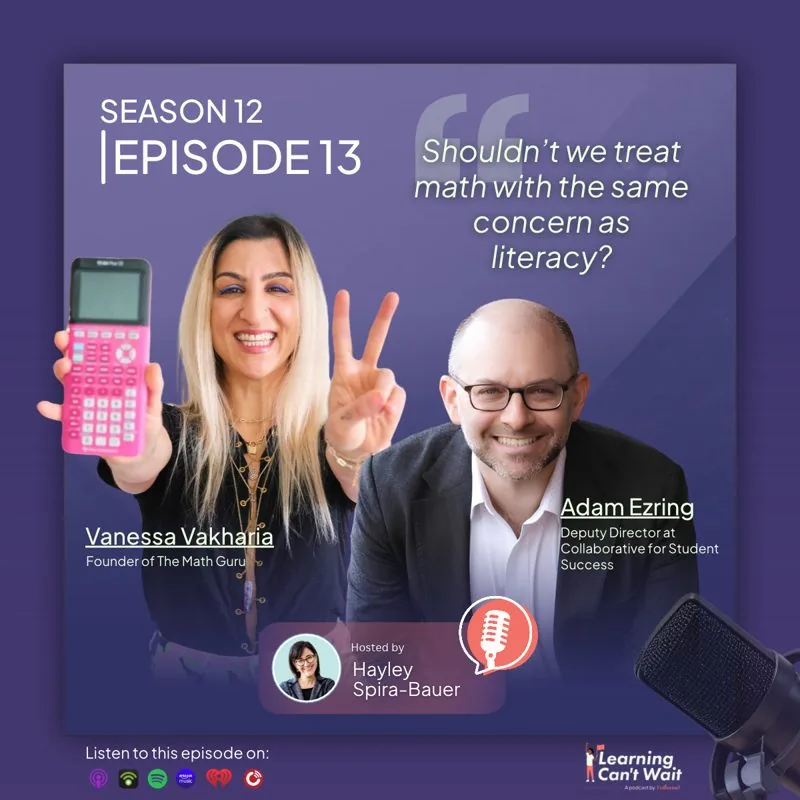 Vanessa Vakharia & Adam Ezring: Family Math, Math Confidence & Learning Through PlayOctober 13, 2026 · Vanessa Vakharia, Adam Ezring
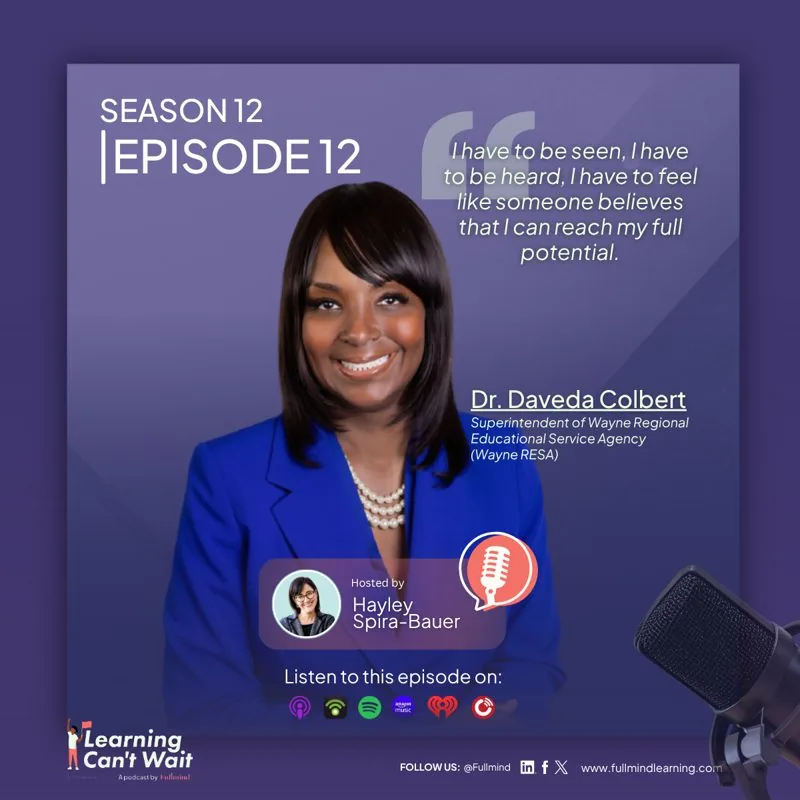 Dr. Daveda Colbert: Leadership, Belonging & ServiceOctober 6, 2026 · Dr. Daveda Colbert
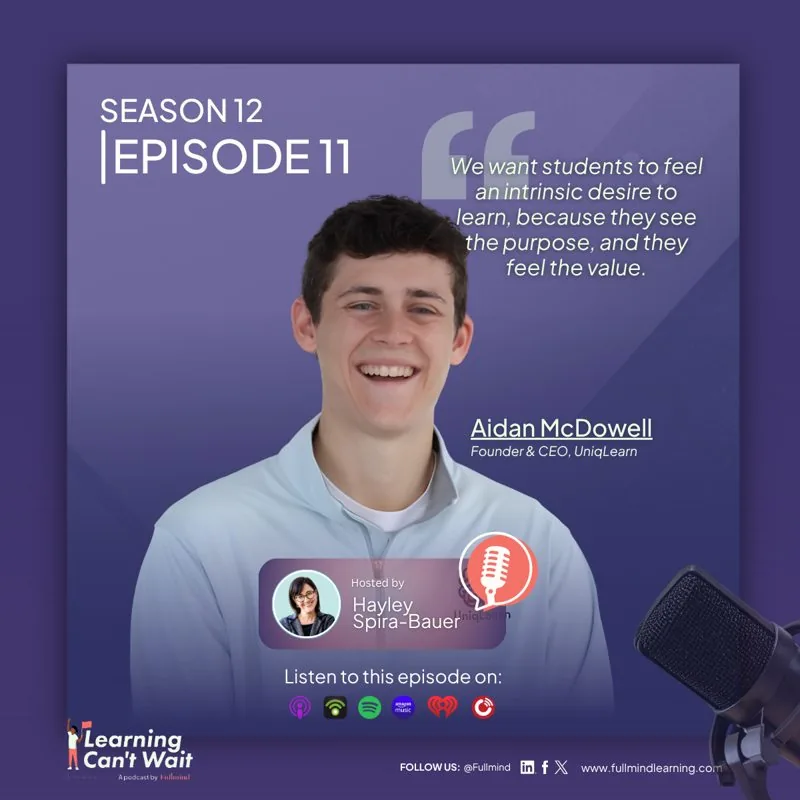 Aidan McDowell: Personalized learning, Student agency & Intrinsic motivationSeptember 29, 2026 · Aidan McDowell
For Education Leaders
Get proven strategies and expert analysis from the host of the Learning Can't Wait podcast, delivered straight to your inbox.














































How can we help? Let’s connect.
Tell us what you need. It takes about a minute, and you’ll see the next steps right away.
Meet an education consultant
Talk through your students, schedule and goals.
Get a proposal for your district
A plan built around your needs and budget.
Thanks! Our team will reach out within one business day to set up a time that works for you.
Need help sooner? Book a time now
Your one-pagers
Matched to what you told us. They download as one PDF.
Every child deserves the opportunity to access exceptional education.