
For Education Leaders
Get proven strategies and expert analysis from the host of the Learning Can't Wait podcast, delivered straight to your inbox.
Credit Recovery
Our online credit recovery program is taught live by certified educators, helping high school students make up missing credits and graduate on time with real instruction rather than self-paced software alone.
Using Title I Funds for Live Virtual Teachers and Tutoring: A District Guide
Nationwide, school administrators face pressure unlike any prior generation to improve student outcomes while navigating complex federal funding requirements. As you oversee Title I allocations, often millions of dollars for your district, you're caught in a balancing act between compliance and the need to accelerate student achievement. Understanding Title 1 funding basics is crucial because these federal dollars are not just a compliance burden; they represent an opportunity to transform educational outcomes for your vulnerable students.
This article provides a roadmap for maximizing Title 1 funds beyond basic compliance. Our goal is to help you shift from a "compliance-only" mindset to an "impact-focused" strategy that leverages every dollar for measurable student gains. We'll explore the flexibility in Title I regulations, examine evidence-based interventions including virtual special education services, discuss creative implementation approaches, and help you avoid common compliance pitfalls. It’s written for districts ready to spend, including on live virtual teachers and tutoring. For what Title I is, who qualifies and how the grants are calculated, start with our Title I funding guide.
Title I, Part A in brief
Title I, Part A of the Elementary and Secondary Education Act (ESEA), as amended by the Every Student Succeeds Act (ESSA), provides financial assistance to local educational agencies and schools with high numbers or percentages of children from low-income families (U.S. Department of Education). Schools where at least 40% of students are low-income can run a schoolwide program and combine Title I with other federal, state and local funds to upgrade the whole educational program. Other Title I schools run targeted assistance programs that serve only students identified as failing, or at risk of failing, to meet state standards. Our Title I funding guide covers eligibility, the four grant formulas and how allocations are set.
Shifting from Compliance-Focused to Impact-Focused Spending
Many Title I administrators operate from a compliance-first mindset, driven by fear of audits and funding clawbacks. The dominant question becomes "Is this allowable?" rather than "Is this effective?" This approach leads to fragmented, low-impact purchases that technically satisfy requirements but fail to improve student achievement. The result is a patchwork of programs, materials, and positions that create the appearance of action without results, while missing opportunities for strategic investments like addressing teacher shortages with federal funding.
A more powerful approach is to adopt an impact-first mindset. This begins with a thorough analysis of your needs assessment, identifying the barriers to student achievement in your school or district. The primary question shifts to: "What are our students' greatest needs, and what evidence-based interventions will address them?" Compliance remains essential, but it becomes the framework that supports your strategy rather than the strategy itself. This shift transforms Title I from a bureaucratic exercise into a powerful engine for educational equity, whether you're implementing new curriculum, expanding support services, or following HR advice for schools to strengthen your staffing initiatives.
Understanding Allowable Uses: Flexibility Within Title I
Under ESSA, schools and districts have flexibility in using Title I funds, especially in schoolwide program models. The key test for any expenditure is whether it is "reasonable and necessary" and aligns with the school's needs assessment and improvement plan. Title I follows the "supplement, not supplant" principle, meaning these federal funds must add to, not replace, what the district would provide with state and local funds.
Title I funds can support a wide range of activities within these parameters:
- High-Quality Instruction & Staffing: Hiring more teachers to reduce class sizes, instructional coaches to improve teaching, and interventionists for targeted support.
- Evidence-Based Interventions: Implement structured high-dosage tutoring, research-backed instructional software, or specialized curriculum for struggling learners.
- Professional Development: Training teachers and staff on effective instructional strategies, data analysis techniques, and supporting specific student populations like English Learners (ELs).
- Extended Learning Opportunities: Creating after-school programs, summer academies, Saturday schools, or credit recovery options that extend learning time.
- Family & Community Engagement: Funding workshops, home visits, literacy nights, or parent liaison positions to strengthen school-home connections.
- Student Support Services: Adding counselors, social workers, attendance specialists, or health services to address non-academic learning barriers.
- Instructional Technology & Materials: Purchasing software, devices, and resources that support instruction for at-risk students, particularly when integrated with evidence-based teaching approaches.
10 Ways to Maximize Your Title I Investment
Let's explore ten high-leverage strategies that exemplify the "impact-first" mindset. These represent approaches that research shows deliver significant results for low-income and at-risk students.
1. Invest in High-Dosage Tutoring
High-dosage tutoring, at least three times per week in small groups with consistent tutors using aligned curriculum, has emerged as one of the most effective interventions for accelerating student learning. Research from the University of Chicago Education Lab shows that high-impact, high-dosage tutoring can produce gains of 1-2 additional years of math growth in a single year.
This approach is powerful for post-pandemic recovery. The key is implementation quality: ensure tutors receive proper training, sessions are frequent and consistent, and the content aligns with your core curriculum rather than generic skill work.
2. Fund High-Quality Professional Development
Move beyond one-off workshops that rarely change classroom practice. Instead, invest in sustained, job-embedded professional development like instructional coaching that supports teachers over time as they implement new strategies. The most effective professional development is tied to your instructional priorities, includes practice opportunities with feedback, and provides ongoing support.
Consider establishing professional learning communities (PLCs) focused on analyzing student work and adjusting instruction based on data. When teachers collaborate around student learning evidence, instructional quality improves dramatically.
3. Support Students with Disabilities (SWD) and Diverse Learners
Title I funds can be used to provide supplemental services for Students with Disabilities, English Learners, and other at-risk groups to access the core curriculum. This includes co-teaching models where general and special education teachers work together, specialized intervention materials, or additional paraprofessionals to support inclusion.
For English Learners, consider investing in specialized professional development for all teachers on sheltering instruction or funding bilingual classroom libraries. For SWD services and IEP fulfillment, ensure accommodations and modifications are implemented consistently across all settings.
4. Launch Targeted Family Engagement Initiatives
Effective family engagement goes beyond newsletters and annual events. Consider funding parent liaison positions to build relationships with hard-to-reach families or implement evidence-based programs like Academic Parent-Teacher Teams that teach parents strategies to support learning at home.
Some schools use Title I funds to create family resource centers that provide access to technology, educational materials, and workshops on supporting student learning. Others invest in home visit programs that strengthen teacher-family relationships and improve student attendance and engagement.
5. Extend and Enrich the School Day/Year
Well-structured extended learning time can significantly impact student achievement, especially for those lacking educational enrichment opportunities outside school. The key is ensuring these programs maintain academic focus rather than functioning as childcare.
Consider targeted after-school tutoring in small groups, Saturday acceleration academies for specific skills, or summer learning programs that combine academics with enrichment. These opportunities should use engaging, hands-on approaches to address critical learning gaps identified through assessment data.
6. Address the Root Causes of Chronic Absenteeism
Attendance is a foundational issue for Title I programs because students can't learn if they're not in school. Consider funding attendance interventionists who track data, conduct home visits, and implement personalized attendance plans for chronically absent students.
Some schools use Title I funds for incentive programs that recognize improved attendance or establish morning greeting routines to make students feel welcome. Others create specialized re-engagement programs for students with severe attendance issues, combining academic support with social-emotional interventions.
7. Integrate Mental and Behavioral Health Supports
Academic success is linked to student well-being. Title I funds can support additional counselors, social workers, or partnerships with community mental health providers to meet students' basic social-emotional needs.
Consider implementing a multi-tiered system of support (MTSS) for behavior that includes universal screening, targeted small-group interventions, and intensive individual supports for students with the greatest needs. Trauma-informed practices and positive behavioral interventions can transform school culture and remove barriers to learning.
8. Create a Pre-K Program
Establishing a Pre-K program for schoolwide Title I programs can improve school readiness and long-term academic outcomes. Research shows that high-quality early childhood education yields high returns on educational investment.
Focus on developmentally appropriate practices, language-rich environments, and intentional play-based learning that build academic and social-emotional foundations. Including family engagement in your Pre-K program strengthens outcomes by supporting parents as their children's first teachers.
9. Provide High-Quality Instructional Materials and Technology
Strategic investment in evidence-based curriculum materials and educational technology can amplify teacher effectiveness. Rather than purchasing gadgets or programs based on marketing claims, identify specific instructional gaps from your needs assessment and select materials with strong research support.
Ensure technology purchases include sufficient professional development for teachers and technical support for implementation. The best technology investments enable instructional practices that are difficult, like adaptive learning programs for personalized practice or tools that simplify complex concepts.
10. Use Title I Funds for Live Virtual Teachers and Tutoring
Nationwide, schools face critical teacher shortages, especially in advanced math, world languages, and special education. This staffing crisis impacts the ability to serve students effectively, especially in high-poverty schools struggling with recruitment and retention.
Providers like Fullmind offer a flexible solution. They give schools access to a network of state-certified virtual educators to fill critical vacancies, lead high-dosage tutoring sessions, provide homebound instruction, or staff credit recovery programs. This is an excellent example of creative uses of Title 1 funds to ensure students have access to a high-quality teacher in every subject, regardless of local hiring challenges.
Districts can use their funds to solve staffing issues and impact student learning by partnering with a trusted virtual education provider. Learn how Fullmind can help you staff your Title I programs with certified virtual instructors.
A Guide to Title I Compliance
Focusing on impact is essential, but maintaining compliance ensures uninterrupted funding. Here are the common compliance issues that trigger audit findings and how to avoid them:
- Supplanting: The biggest compliance risk is using Title I funds to pay for activities the district would have funded anyway. Ask: "Would we provide this service without Title I funds?" If yes, using Title I funds may constitute supplanting. For example, using Title I to pay for a core reading teacher required for all schools constitutes supplanting.
- Insufficient Documentation: From an auditor's perspective, "If it's not documented, it didn't happen." Maintain clear records connecting every purchase to your needs assessment and school improvement plan. This includes agendas and sign-in sheets for professional development, time and effort reports for staff, and evidence of implementation for programs and interventions.
- Lack of Evidence-Base: ESSA requires interventions to be evidence-based, with four tiers defined in the law. Before purchasing any program or curriculum, document the research supporting its effectiveness for similar student populations. Random purchases without evidence are major red flags during audits.
- Time and Effort Reporting: Staff paid fully or partially with Title I funds must maintain accurate records of their time and activities. For split-funded positions, periodic certifications or personnel activity reports must document the actual time spent on Title I activities. These records must align with the approved Title I plan and budget.
Conclusion
To maximize Title 1 funds, you need a strategic, data-driven approach that aligns every dollar with specific student needs identified in your assessment. By shifting from a compliance-first to an impact-first mindset, you can transform these federal resources from a bureaucratic requirement into a catalyst for educational equity in your school or district.
As education leaders, you have more flexibility to creatively address your students' needs. Start with clear evidence of what works, build a coherent strategy instead of disconnected programs, and leverage innovative partnerships to extend your impact. When every Title I dollar translates into a real opportunity for a student to succeed, you're not just managing a federal program; you're fulfilling the true promise of Title I as a driver of educational equity.
Podcast
From the Learning Can’t Wait podcast
 Hosted by Hayley Spira-Bauer, Chief Academic Officer at Fullmind
Newest episodes
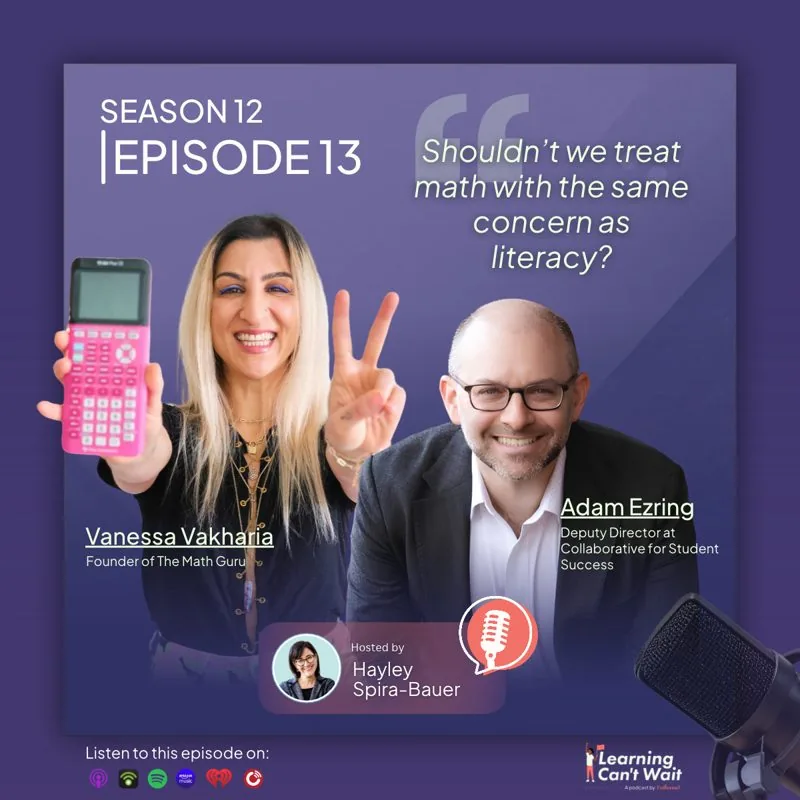 Vanessa Vakharia & Adam Ezring: Family Math, Math Confidence & Learning Through PlayOctober 13, 2026 · Vanessa Vakharia, Adam Ezring
 Dr. Daveda Colbert: Leadership, Belonging & ServiceOctober 6, 2026 · Dr. Daveda Colbert
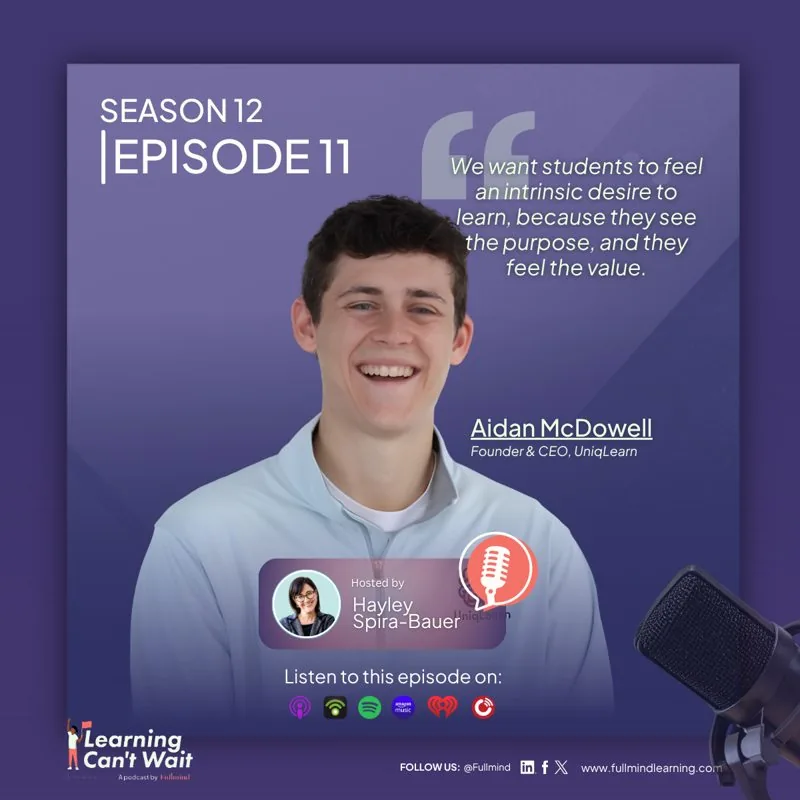 Aidan McDowell: Personalized learning, Student agency & Intrinsic motivationSeptember 29, 2026 · Aidan McDowell
For Education Leaders
Get proven strategies and expert analysis from the host of the Learning Can't Wait podcast, delivered straight to your inbox.






















































































How can we help? Let’s connect.
Tell us what you need. It takes about a minute, and you’ll see the next steps right away.
We’ll reach out within one business day
An education consultant talks through your students, schedule and goals.
Get a plan for your district
A plan built around your needs and budget.
Need support? Call 1 (888) 841-7840
Thanks! We’ll confirm your meeting time by email within one business day.
Your one-pagers
Matched to what you told us. They download as one PDF.
Every child deserves the opportunity to access exceptional education.