Connect with the Fullmind Team

For Education Leaders
Get proven strategies and expert analysis from the host of the Learning Can't Wait podcast, delivered straight to your inbox.
LIVE Staffing
LIVE Staffing fills hard-to-staff roles with certified educators who teach live, synchronously, on your schedule and curriculum.
Montana Teacher Shortage: School District Challenges and Solutions

One pressing challenge for the state's education system today is the Montana teacher shortage. The shortage is reshaping how Montana educates its students, from small rural districts struggling to fill basic positions to larger schools unable to offer specialized courses. School district leaders across Big Sky Country are dealing with empty classrooms, overworked faculty, and the difficult task of maintaining educational quality amid staffing crises.
This analysis provides insights into the teacher shortage, examining its root causes, documenting its impact on students and communities, and presenting strategies for addressing these challenges. As districts seek solutions, resources like Fullmind's virtual staffing services are emerging as viable options to bridge the gap while long-term solutions develop.
Overview of Montana Teacher Shortage
The Montana teacher shortage is evident across the state's educational landscape. Currently, Montana has about 1,000 unfilled teaching positions statewide, with rural districts facing the most severe impacts. Critical shortage areas include mathematics, science, special education, and English language arts, with some districts reporting vacancy rates over 15% in these subjects.
Recent data from the Montana Office of Public Instruction reveals troubling trends. Teacher vacancy rates have increased by 23% over the past three years, while student enrollment continues to grow in many districts. The average student-to-teacher ratio has risen from 14:1 to 16:1 statewide, with some rural districts reporting ratios as high as 25:1. Additionally, about 40% of new teachers leave the profession within their first five years, exacerbating staffing challenges.
The shortage is acute in Science, Technology, Engineering, and Mathematics (STEM) fields, where Montana competes with higher-paying industries for qualified professionals. Special education positions remain unfilled for months, forcing districts to rely on emergency substitutes or consolidate services. These statistics show Montana's teacher shortage crisis demands immediate, strategic action from district leadership to prevent further deterioration of educational quality and student outcomes.
Causes of the Teacher Shortage
The main factor driving Montana's teacher shortage is low salaries and compensation. The average teacher salary in Montana ranks 46th nationally at about $54,000 per year, below neighboring states like Washington ($71,000) and Colorado ($58,000). Compared to other professions requiring similar education, teaching falls short by $8,000-$15,000 annually. The rising cost of living, particularly housing costs that have increased 18% in the past two years, erodes teachers' purchasing power and makes the profession financially unsustainable. Addressing these compensation gaps requires comprehensive teacher shortage solutions that tackle both immediate salary concerns and long-term sustainability.
In Montana's vast geography, rural isolation and lack of resources compound the challenge. Teaching positions in remote communities often have limited access to professional development, inadequate classroom materials, and substandard facilities. Many rural towns lack essential amenities like quality healthcare, childcare services, and affordable housing, making it hard to attract teachers with families. Professional isolation can be particularly challenging for new educators needing mentorship and collaborative support.
Teacher burnout and stress are critical as educators face increasing demands with diminishing support. Larger class sizes mean less individual attention for students and more papers to grade. Administrative burdens have multiplied, with teachers spending evenings and weekends on data entry, testing coordination, and compliance documentation. The growing complexity of student mental health challenges requires teachers to work as counselors, social workers, and academic instructors simultaneously, often without adequate training or resources.
Lack of support and recognition creates an environment where teachers feel undervalued and isolated. Many report insufficient administrative backing with difficult students or parents, limited career advancement opportunities, and societal underappreciation of their profession. The absence of clear professional development pathways and leadership opportunities contributes to talented educators leaving for better growth prospects.
Alternative career paths offer attractive options for education graduates. Former teachers can transition to corporate training, instructional design, educational technology, or other fields with better compensation and working conditions with the same degree requirements. The transferable skills that make educators excellent candidates for various industries drain the teaching profession of experienced talent.
These interconnected causes create a perfect storm for Montana's rural and frontier communities, where geographic isolation amplifies each challenge.
Impact on Schools and Students
The ripple effects of the teacher shortage fundamentally alter the educational experience for Montana students. As class sizes swell beyond manageable levels, with some elementary classes exceeding 30 students per teacher, lower quality of education emerges. Individual attention becomes impossible, differentiated instruction suffers, and struggling students fall behind. Emergency substitute teachers and long-term replacements often lack subject-area expertise, particularly in advanced mathematics or science, compromising instructional quality during critical learning periods.
Increased workloads and stress for existing teachers create a cascading effect throughout school systems. Remaining faculty cover additional classes, supervise extra duties, and absorb responsibilities from unfilled positions. This leads to decreased job satisfaction, reduced lesson planning time, and additional resignations that perpetuate the shortage cycle. Veteran teachers feel overwhelmed and consider early retirement rather than continue under unsustainable conditions.
Schools struggle to offer a broad range of subjects due to unfilled specialized positions. Advanced Placement courses are cancelled, foreign language programs are eliminated, and arts education is reduced or discontinued. Rural districts struggle to maintain comprehensive curricula, with some high schools unable to offer upper-level chemistry, physics, or calculus courses essential for college preparation. These limitations impact students' academic opportunities and future educational pathways.
Research shows a clear correlation between teacher shortages and negative student outcomes. Districts with chronic shortages face declining standardized test scores, reduced graduation rates, and lower college enrollment among graduates. Students in shortage-impacted schools are 20% less likely to pursue post-secondary education and score an average of 15 points lower on standardized assessments compared to adequately staffed schools.
The shortage creates challenges in meeting special needs students' requirements. Unfilled special education positions mean delayed Individualized Education Program (IEP) implementations, reduced therapy services, and inadequate support for students with disabilities. When qualified special education teachers, jeopardizing district funding and exposing schools to legal challenges from families seeking appropriate educational services.
Rural Challenges in Montana
Rural Montana schools bear the burden of the state's teacher shortage. They face obstacles that urban districts rarely encounter. The geographic isolation of Montana creates recruitment and retention challenges beyond salary considerations. This alters the teaching profession's appeal in these communities.
Housing scarcity and quality issues are immediate barriers to teacher recruitment in rural areas. Circle, population 615, has three rental properties, none suitable for families. Scobey, population 1,017, has a six-month waiting list for decent housing, forcing new teachers to commute over an hour daily or live in substandard accommodations. Even when available, prices consume 40-50% of a teacher's salary, making positions financially unviable despite lower living costs elsewhere.
The isolation factor affects teachers professionally and personally. New educators in remote districts often lack mentorship, professional learning communities, and a collaborative environment for career development. Social isolation compounds professional challenges, particularly for young teachers accustomed to urban amenities. Limited internet connectivity hampers access to online professional development, educational resources, and communication with colleagues.
Resource limitations and funding disparities make rural positions less attractive compared to better-funded urban districts. Small school budgets mean outdated textbooks, limited technology, inadequate laboratory equipment, and minimal supplies for creative instruction. Teachers often spend personal funds on basic materials, while professional development opportunities are restricted by budget constraints and geographic barriers. The lack of resources impacts job satisfaction and effectiveness, driving talented educators to seek positions in better-equipped districts.
Rural districts struggle with limited support services that urban areas have. School counselors, librarians, and specialized staff are often shared between schools or eliminated due to budget constraints. This forces teachers to assume additional responsibilities beyond their primary duties, contributing to burnout and job dissatisfaction in already challenging positions.
Teacher Recruitment and Retention
Navigating Montana's teacher shortage requires strategic, multifaceted recruitment and retention approaches tailored to each district's unique circumstances and community characteristics. Districts with adequate staffing levels consistently implement comprehensive strategies addressing both attraction and retention simultaneously.
Effective recruitment and retention tactics include:
- Competitive compensation packages beyond base salary, including health insurance, retirement contributions, and performance incentives.
- Mentorship and support programs pairing new teachers with experienced educators for at least two years.
- Positive school culture that promotes collaboration, professional respect, and shared decision-making
- Professional development opportunities including tuition reimbursement for advanced degrees and conference attendance.
- Loan repayment assistance programs for teachers in high-need subjects
- Housing assistance through district-owned properties, down payment assistance, or rental subsidies
- University partnerships creating pipelines from teacher preparation programs to local positions
Montana districts are implementing innovative recruitment strategies with measurable success. Billings Public Schools partnered with Montana State University to offer student teaching stipends and guaranteed interviews for high-performing candidates. Great Falls Public Schools provides $5,000 signing bonuses for STEM teachers and covers moving expenses for out-of-state recruits. Several rural districts formed consortiums to share recruitment costs and offer regional professional development opportunities.
Housing initiatives show promise in rural areas. The Malta School District constructed teacher housing units that rent below market rate, while Chinook Schools partnered with local developers to offer teacher-exclusive home purchasing programs. These approaches address barriers preventing teacher recruitment in rural communities.
Districts must customize their strategies based on local needs, resources, and community characteristics. Urban districts might prioritize career advancement opportunities and diverse programming, while rural districts focus on housing, community integration, and professional support. Regular evaluation and adjustment of recruitment and retention efforts ensure effectiveness as conditions change.
Salary and Compensation Issues
Montana's teacher salary structure contributes to recruitment and retention challenges. Compensation levels failing to compete in regional job markets. The average teacher salary of $54,000 places Montana 46th nationally, about $14,000 below the national average of $68,000. Regional comparisons reveal starker disparities, with Wyoming averaging $60,000 and North Dakota offering $56,000 for similar positions.
Compared to other professions requiring bachelor's degrees and additional certification, teaching falls short. Social workers in Montana average $58,000 annually, registered nurses earn $68,000, and accountants command $59,000. The compensation gap widens considering the extended education requirements for teaching, including student teaching and ongoing professional development.
Research shows a direct correlation between teacher compensation and district staffing levels. Districts offering top-quartile salaries maintain 95% staffing levels, while bottom-quartile face 15-20% vacancy rates. Low salaries force many teachers to seek summer jobs or second jobs, reducing their availability for curriculum development, training, and student support.
Alternative compensation models show promise in addressing salary limitations. In select Montana districts, performance-based pay systems have increased teacher retention by 12% over three years. Signing bonuses of $3,000-$7,000 for hard-to-fill positions help offset initial financial challenges, while student loan forgiveness programs reduce long-term burdens.
Benefits packages often match base salary importance in teacher recruitment. Comprehensive health insurance, robust retirement contributions, and generous personal time can offset lower salaries. Districts offering family health insurance and contributing 8-10% to retirement accounts report better recruitment success than those with minimal benefits despite similar base salaries.
State and Local Government Response
Montana's state government and local districts have implemented initiatives to address the teacher shortage. However, their scale and effectiveness remain insufficient. Recent legislative sessions have produced targeted interventions, while local districts experiment with innovative approaches to attract and retain quality educators.
The Montana Legislature allocated $15 million for teacher recruitment and retention programs, including loan forgiveness for educators committing to five years in high-need schools. The Teacher Loan Repayment Program offers up to $5,000 annually for qualifying teachers in mathematics, science, and special education. Recent legislation expanded alternative certification pathways, allowing professionals to transition into teaching with expedited preparation programs.
For the past two years, state funding formula adjustments have increased per-pupil allocations by 4% annually, providing districts with resources for competitive salaries and improved working conditions. However, inflation and rising benefit costs have absorbed much of this increase, limiting its impact on teacher compensation. The Montana Office of Public Instruction has streamlined certification processes and expanded reciprocity agreements with neighboring states to ease teacher mobility.
Local responses vary across districts. Some districts implement comprehensive retention strategies while others struggle to maintain operations. Successful districts have leveraged state programs and developed local innovations, such as housing assistance, professional development partnerships, and community engagement initiatives. However, smaller rural districts often lack the capacity and resources to implement effective recruitment and retention programs.
Despite these efforts, challenges persist. Funding remains inadequate to address salary competitiveness issues, and many programs reach only a fraction of affected teachers. Coordinating state and local initiatives creates bureaucratic barriers that delay implementation and reduce effectiveness.
Role of Teacher Training Programs
Montana's teacher preparation programs are addressing the state's educator shortage, though current production levels fall short. The state's universities graduate about 400 new teachers annually, while districts need 600-800 new hires each year to maintain staffing and replace departing educators.
Montana State University, the University of Montana, and smaller institutions have responded to the shortage by expanding program capacity and developing innovative preparation models. They’ve increased enrollment targets by 25% and created accelerated programs for career changers. Partnership agreements with school districts provide student teachers with stipends and guaranteed interview opportunities, creating direct pipelines from preparation to employment.
Alternative certification programs have become essential to the teacher supply strategy. The Montana Alternative Licensure Program allows professionals with bachelor's degrees to start teaching while completing education coursework, providing immediate classroom coverage while developing skills. These programs benefit rural districts that struggle to attract traditionally-prepared teachers, though retention rates for alternative certification graduates require monitoring.
University-district partnerships are yielding promising results through residency programs that combine extended student teaching with mentorship and gradual responsibility increases. These programs report higher retention rates and better classroom management skills among graduates. Grow-your-own initiatives identify high school students interested in teaching careers, providing early college experiences and scholarships to develop local talent.
Despite these innovations, challenges remain in attracting students to teaching careers. Education program enrollment has declined 15% over five years, reflecting concerns about the profession's compensation and working conditions. Universities report many students express interest in teaching but choose alternative careers due to financial considerations and job market perceptions.
Community and Parental Involvement
Montana communities and parents are recognizing their role in supporting teachers and addressing staffing challenges through grassroots initiatives and advocacy. Community involvement is vital to solutions for the teacher shortage, with local support often making the difference between teacher retention and departure.
Montana communities have developed creative support systems for educators. In Choteau, local businesses provide teacher discounts, while community members volunteer for non-instructional duties like playground supervision and event coordination. Red Lodge established a teacher appreciation fund for classroom supplies and professional development, while Livingston created a teacher housing cooperative to address accommodation challenges.
Parent involvement extends beyond traditional volunteerism to include advocacy for better teacher compensation and working conditions. In Bozeman, parent groups lobbied for mill levy increases funding salary improvements, while Missoula parents organized letter-writing campaigns supporting state education funding increases. These efforts create community understanding of teachers’ challenges and build support for necessary education investments.
Innovative community partnerships are addressing shortage-related challenges. In Havre, retired professionals volunteer as classroom assistants, reducing teacher workloads and providing specialized expertise. The Kalispell community partnered with local colleges to provide free childcare during teacher professional development events, removing barriers to continuing education. Several communities established mentorship programs linking new educators with community members providing professional and personal support.
Community support varies across Montana. Some districts receive substantial backing while others struggle with limited engagement. Building consistent, sustainable community involvement requires ongoing communication, clear expectations, and recognition of volunteer contributions.
Future Outlook and Predictions
Montana's teacher shortage trajectory depends on multiple factors, with current trends suggesting continued challenges without significant intervention. Demographic projections indicate accelerated teacher retirements over the next decade, with 35% of Montana's workforce eligible for retirement within ten years. At the same time, student enrollment is projected to remain stable or increase slightly, maintaining pressure on staffing needs.
Economic factors present both opportunities and challenges for the future outlook. Montana's growing technology and healthcare sectors may attract more college graduates, expanding the pool of career-change candidates for teaching. However, these industries offer competitive salaries that may draw potential teachers away from education. The state's continued economic growth could provide additional tax revenue for education funding, but competition for resources from other state priorities remains intense.
Several positive indicators suggest potential improvement. Increased awareness of the teacher shortage has generated political and community support for education initiatives. Technology integration and virtual learning options are providing new tools for addressing staffing challenges, particularly in rural areas. Alternative certification programs and university partnerships are beginning to produce more classroom-ready teachers.
Montana's educational future depends on sustained commitment from multiple stakeholders working collaboratively toward comprehensive solutions. Success requires continued state investment, innovative local approaches, community support, and partnerships that address immediate needs and long-term sustainability of the teaching profession.
Actionable Solutions for School Districts
Montana's teacher shortage demands immediate action from school district leaders who cannot wait for state-level solutions. Districts must implement comprehensive strategies that combine traditional recruitment approaches with innovative staffing models to ensure educational continuity for their students.
Districts can implement immediate steps, including:
- Increase teacher salaries and benefits through creative funding mechanisms, including mill levy campaigns, grant applications, and budget reallocation.
- Improve working conditions by reducing administrative burdens, providing planning time, and creating supportive environments that value teacher input.
- Implement targeted recruitment strategies, focused on hard-to-fill positions, including social media campaigns, university partnerships, and regional job fairs.
- Partner with local organizations to provide teacher housing, childcare, and community integration support to address recruitment.
- Explore innovative staffing models like job sharing, master teacher programs, and virtual instruction to maximize human resources.
Fullmind is a transformative solution for districts facing staffing shortages. As a certified virtual educator and customized learning solutions provider, Fullmind works with 1,000+ districts nationwide with live, certified teachers delivering instruction across all subjects and learner needs. Their flexible curriculum is tailored to individual school and district requirements, providing support for staffing difficult-to-fill roles, expanding class offerings, and delivering additional attention to meet diverse student needs.
Fullmind allows districts to maintain course offerings when local candidates are unavailable. This approach is valuable for specialized subjects like Advanced Placement courses, world languages, and upper-level STEM classes that rural districts struggle to staff locally. The model provides consistency and quality instruction while districts seek permanent staffing solutions.
Districts interested in using virtual staffing to meet immediate needs while maintaining educational quality should consider partnering with Fullmind to bridge the gap created by Montana's ongoing teacher shortage.
FAQ
What alternative certification programs are available in Montana?
Montana's Alternative Licensure Program allows individuals with bachelor's degrees to start teaching while completing education coursework. It includes classroom management training, curriculum development, and mentorship. Participants must pass Praxis exams and complete student teaching within two years.
How does Montana's teacher shortage compare nationally?
Montana ranks in the top 10 states for teacher shortage severity, with vacancy rates about 40% higher than the national average. While the national teacher vacancy rate averages 8%, Montana has 12-15% rates in many districts, and rural areas see even higher percentages in critical subjects.
Are there subject areas with greater shortages, such as STEM or special education?
Montana faces critical shortages in mathematics, science, special education, and English language learning instruction. The shortage of STEM teachers is acute, with some districts reporting 25-30% vacancy rates. Special education positions often remain unfilled for entire school years, forcing districts to rely on emergency licenses or contracted services.
What are resources for finding open teaching positions in Montana?
The Montana Office of Public Instruction maintains a job board at teachmontana.org. Individual district websites, regional education cooperatives, and general job sites like Indeed and SchoolSpring list Montana teaching positions. University career centers often maintain relationships with Montana districts and can provide networking opportunities for new graduates.
Podcast
From the Learning Can’t Wait podcast
 Hosted by Hayley Spira-Bauer, Chief Academic Officer at Fullmind
"Yeah, to me, what's underneath the teacher shortage or other challenges we face is actually a challenge of leadership."
Related episodes
 Bryan Hassel + Kendall King: Public Impact, Opportunity Culture, Multi-classroom LeadershipApril 15, 2025 · Bryan Hassel, Kendall King
 Lindsay Fuller: Educator Burnout, Workplace Well-being & Mental Health CrisisNovember 18, 2025 · Lindsay Fuller
 Aneesh Sohoni: Leadership, Opportunity and CommunitySeptember 8, 2026 · Aneesh Sohoni
Montana on the podcast
Episodes with Montana connections
 Season 2 RecapJanuary 23, 2023
 Christian P. Wilkens: Teacher Shortage, Education Inequality, Education Workforce, DiversityJanuary 17, 2023 · Christian P. Wilkens
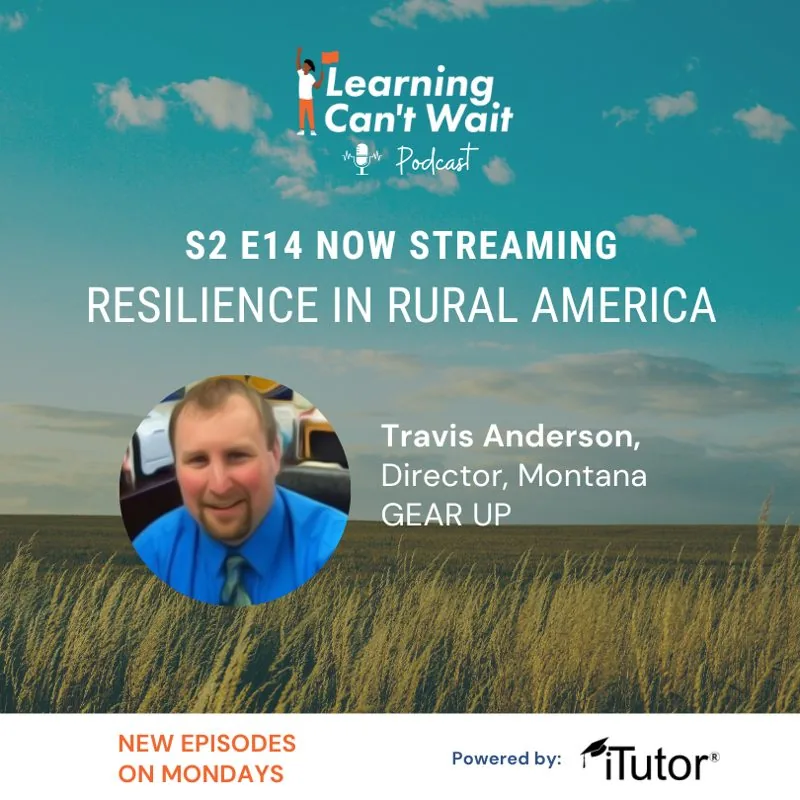 Resilience in Rural AmericaDecember 12, 2022
For Education Leaders
Get proven strategies and expert analysis from the host of the Learning Can't Wait podcast, delivered straight to your inbox.







































































How can we help? Let’s connect.
Tell us what you need. It takes about a minute, and you’ll see the next steps right away.
We’ll reach out within one business day
An education consultant talks through your students, schedule and goals.
Get a plan for your district
A plan built around your needs and budget.
Need support? Call 1 (888) 841-7840
Thanks! Our team will reach out within one business day to set up a time that works for you.
Need help sooner? Book a time now
Your one-pagers
Matched to what you told us. They download as one PDF.
Every child deserves the opportunity to access exceptional education.