Connect with the Fullmind Team

For Education Leaders
Get proven strategies and expert analysis from the host of the Learning Can't Wait podcast, delivered straight to your inbox.
LIVE Staffing
LIVE Staffing fills hard-to-staff roles with certified educators who teach live, synchronously, on your schedule and curriculum.
North Dakota School Districts Address Teacher Vacancy Crisis

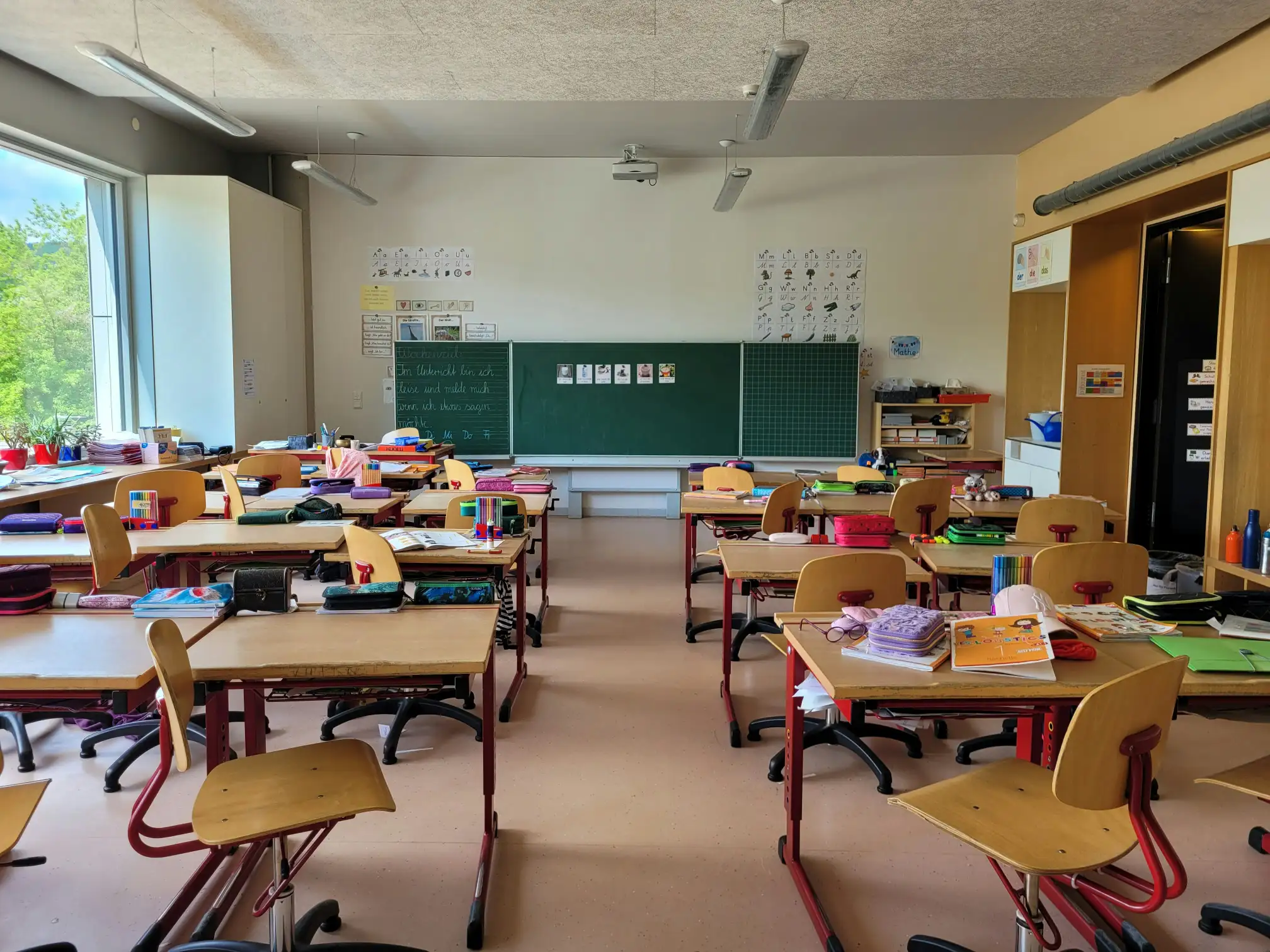
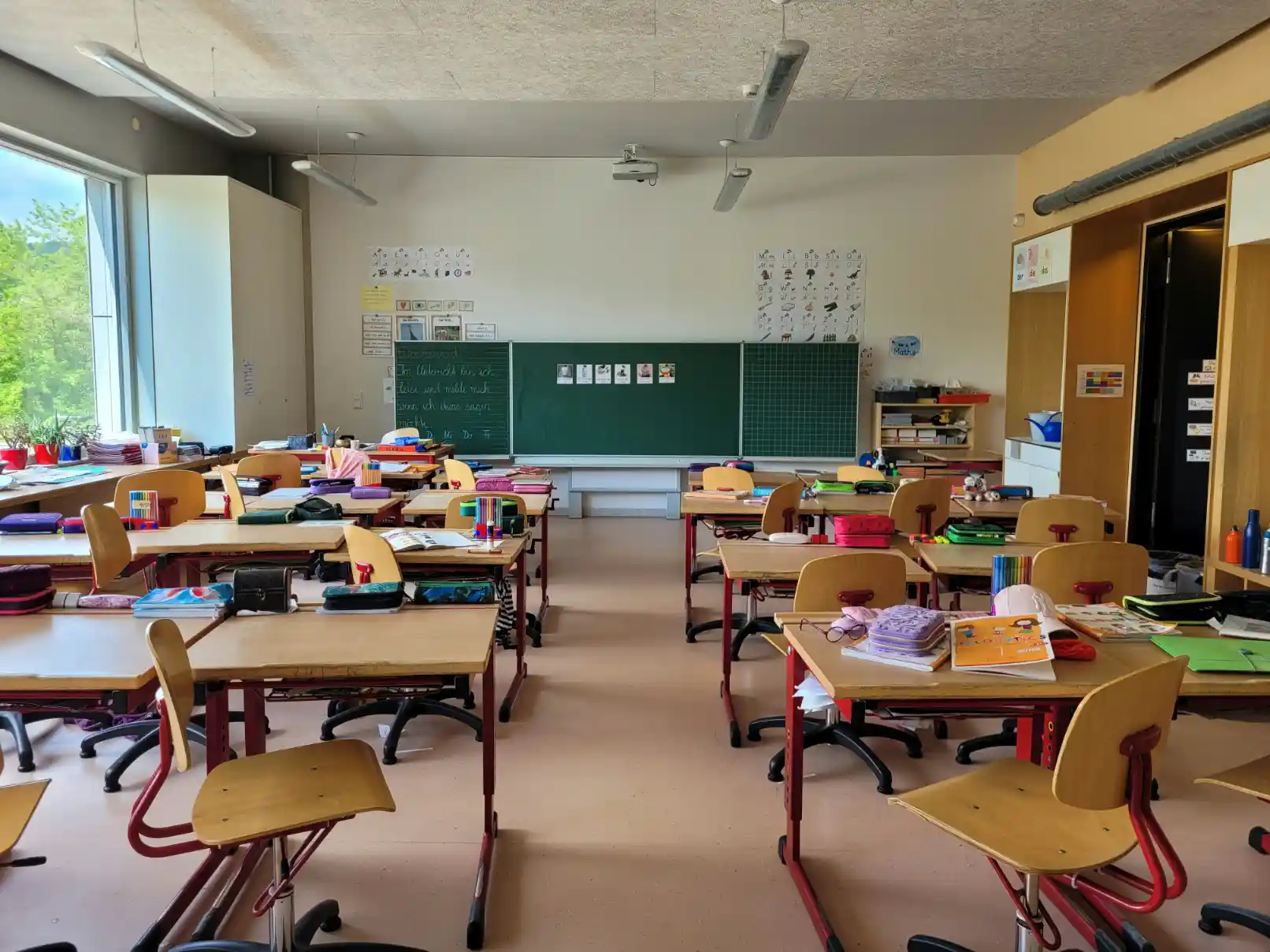
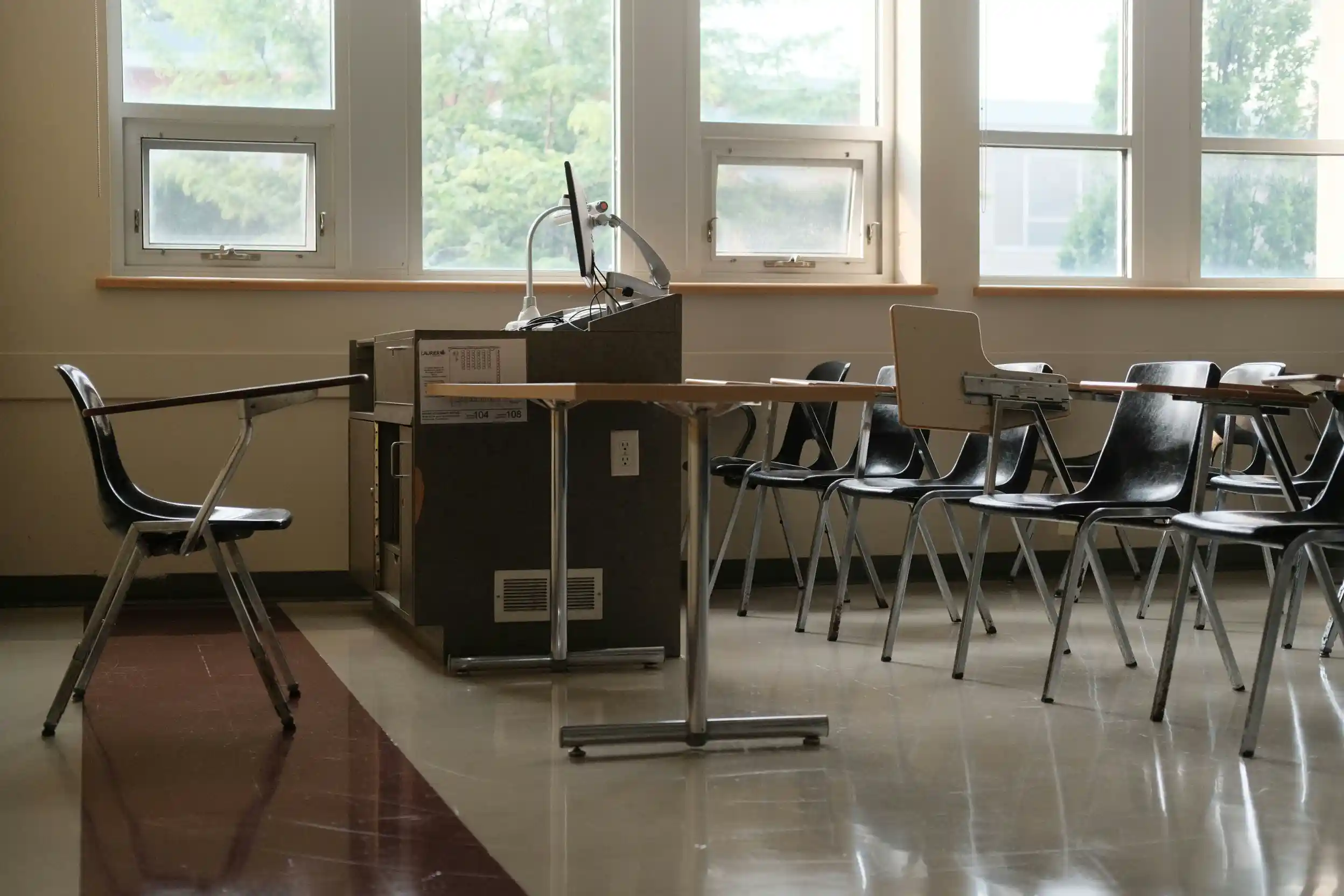
Empty classrooms in North Dakota reflect a serious staffing problem, with teacher vacancies at critical levels, leaving students without qualified instructors in essential subjects. This crisis affects the education quality of North Dakota's 110,000+ students, impacting class sizes and specialized program offerings.
North Dakota education leaders face unprecedented challenges as school districts struggle to fill vacant teaching positions, particularly in rural areas. Unfilled positions force remaining educators to take on additional responsibilities, cancel courses, or combine classrooms, compromising the educational experience for students statewide.
This examination explores the current state of teacher vacancies in North Dakota, analyzes the root causes driving educators away from the profession, and highlights solutions implemented by school districts, state officials, and educational service providers to address this challenge.
Current Teacher Vacancies in North Dakota
North Dakota reported over 1,800 unfilled teaching positions for the school year. This represents a 25% increase from the previous year.
The teacher shortage disproportionately affects western North Dakota, where oil boom communities struggle to attract educators despite competitive compensation. Rural districts statewide face challenges, with some schools reporting over 40% vacancy rates in critical subjects. The Bakken region, including McKenzie and Williams counties, has high vacancy rates due to high living costs and limited housing, prompting districts to explore effective teacher retention strategies to address these ongoing staffing issues.
Despite lower vacancy rates, Eastern North Dakota faces significant shortages in specialized areas like special education and STEM. The Fargo and Grand Forks metropolitan areas maintain stable staffing levels but struggle to recruit teachers for high-need subjects and maintain adequate substitute teacher pools.
Over the past three years, teacher vacancies have increased by 15% annually, with projections suggesting continued growth unless significant interventions are implemented. The COVID-19 pandemic accelerated teacher departures, with many citing burnout, health concerns, and increased workload as reasons for leaving.
Causes of Teacher Vacancies
Salary considerations play a significant role in North Dakota's teacher shortage, though the state has made notable improvements. The average teacher salary in North Dakota reached about $55,000, a substantial increase, but it still trailed neighboring states like Minnesota ($69,000) and Montana ($56,000). While western North Dakota districts offer higher compensation to attract educators, rural eastern districts struggle to compete with private sector opportunities and neighboring state salaries.
Compensation packages, including health benefits, retirement contributions, and professional development opportunities, vary across districts beyond base salaries. Many rural districts enhance their offerings with housing stipends, moving allowances, and signing bonuses, yet these incentives often fall short of addressing the total cost of relocating to remote areas with limited amenities and services.
Working Conditions and Support
Working conditions and administrative support impact teacher retention in North Dakota. Many educators feel overwhelmed by increasing class sizes, limited resources, and expanding administrative responsibilities. In some rural districts, average class size has grown to over 30 students per teacher, making individualized instruction challenging.
Teacher burnout has intensified as educators juggle multiple subjects, grade levels, and extracurricular responsibilities. Limited access to professional development, outdated technology, and insufficient classroom supplies contribute to job dissatisfaction. Many teachers cite lack of administrative support and community understanding as factors influencing their decision to stay or leave.
Location and Rural Challenges
Rural education faces unique challenges in attracting and retaining qualified teachers. Geographic isolation limits social and cultural opportunities for young professionals, while limited healthcare, shopping, and entertainment options create challenges for educators with families. The vast distances between North Dakota communities mean teachers often feel isolated with limited collaboration and peer support opportunities.
Housing availability is a significant barrier, particularly in oil boom regions with tight, expensive rental markets. Many rural communities lack adequate rental properties, forcing districts to invest in teacher housing or provide substantial housing allowances that strain limited budgets.
Teacher Retention Issues
Teacher retention problems compound vacancy challenges as experienced educators leave mid-career for opportunities in other states or professions. Exit interviews reveal that workload, stress, and lack of career advancement opportunities drive departures. The loss of experienced teachers creates a cascade effect, placing additional mentoring burdens on remaining staff while reducing institutional knowledge and classroom expertise.
Impact on Education and Students
Teacher shortages in North Dakota directly affect student learning outcomes. Increased class sizes limit individualized attention, making it difficult for teachers to address diverse learning needs. Students in affected classrooms experience reduced engagement, fewer hands-on activities, and limited access to tailored instruction.
When critical positions remain unfilled, school operations suffer significant disruptions. Districts resort to combining grade levels, canceling specialized courses, or requiring existing teachers to cover subjects outside their certification areas. These measures compromise educational quality and stress remaining faculty members who must adapt to expanded responsibilities while maintaining standards.
Rural schools face disproportionate impacts from teacher vacancies. Smaller staff sizes mean each unfilled position affects a larger percentage of the student population. Single-teacher shortages in rural districts can eliminate entire course offerings, force students to pursue online alternatives, or require lengthy commutes to neighboring schools. This disruption particularly affects final-year students needing specific credits for graduation.
When specialized positions are vacant, special education programs suffer, potentially affecting compliance with Individualized Education Programs (IEPs) and limiting support for students with diverse learning needs. The shortage of qualified special education teachers forces districts to rely on substitute teachers or reassign general education staff, potentially compromising the quality of specialized services for vulnerable students.
High-Demand Subject Areas
- STEM (Science, Technology, Engineering, and Mathematics): North Dakota faces critical shortages in STEM education, with unfilled physics, chemistry, and advanced mathematics positions. The shortage stems from competition with private sector opportunities that offer higher compensation for individuals with strong STEM backgrounds. This vacancy pattern limits students' access to advanced coursework necessary for college preparation and career readiness in technology-driven fields.
- Special Education: Teacher shortages affect nearly every North Dakota district, with demand consistently exceeding supply. Specialized training requirements, the emotionally demanding nature of the work, and extensive IEP compliance paperwork contribute to high turnover rates. These vacancies directly impact the state's vulnerable students who require individualized support and specialized interventions.
- Career and Technical Education (CTE): CTE programs struggle to attract qualified instructors with teaching credentials and industry experience. Competition from private sector employers offering higher salaries and fewer regulatory requirements makes CTE recruitment challenging. These shortages limit students' access to practical skills training and career preparation programs essential for workforce development.
- World Languages: Foreign language instruction faces staffing challenges, especially in rural areas where enrollment may not justify full-time positions. The specialized nature of language instruction and limited pool of qualified candidates contribute to ongoing vacancy issues that restrict students' global communication skills development.
Addressing Vacancies
The North Dakota state government has implemented programs to address teacher recruitment challenges through financial incentives and policy reforms. The state's teacher loan forgiveness program offers up to $17,500 in student loan relief for educators who teach in high-need areas for five years. Signing bonuses of up to $5,000 are available for teachers in designated shortage areas, with additional incentives for STEM and special education professionals.
The North Dakota Department of Public Instruction has streamlined certification processes and expanded reciprocity agreements with neighboring states to reduce barriers for qualified teachers seeking employment in North Dakota. Emergency certification pathways allow districts to hire qualified professionals while they complete required coursework, providing immediate staffing relief while maintaining educational standards.
School District Recruitment Strategies
Local school districts have developed innovative teacher recruitment approaches beyond traditional hiring practices. Many participate in regional job fairs, partner with teacher preparation programs, and maintain active recruitment pipelines through social media and professional networks. To attract educators from other regions, some western North Dakota districts offer relocation packages that include moving expenses, temporary housing, and spouse employment assistance.
Teacher retention initiatives focus on creating supportive work environments through mentoring programs, reduced teaching loads for new educators, and professional growth opportunities. Districts are investing in technology upgrades, classroom resources, and collaborative planning time to improve working conditions and job satisfaction.
Alternative Certification Pathways
Alternative certification programs provide pathways for career changers and professionals with subject matter expertise to enter teaching without completing traditional preparation programs. North Dakota's alternative certification options allow individuals with bachelor's degrees and relevant experience to begin teaching while completing pedagogy coursework through evenings, weekends, or online programs.
These programs benefit rural districts that can recruit local community members with specialized knowledge in agriculture, business, or technical fields. Alternative certification flexibility helps districts fill immediate needs while ensuring that new teachers receive proper classroom preparation.
Role of Virtual Education Providers
Virtual education solutions have emerged as important resources for addressing staffing challenges in North Dakota schools. Companies like Fullmind, founded around 2014 and headquartered in Houston, TX, provide certified virtual educators and customized learning solutions for K-12 schools across the US. These services help districts maintain course offerings and expand educational opportunities despite local staffing shortages.
Fullmind and similar providers deliver live instruction across all subjects and learner needs through certified teachers who can supplement local staff or provide specialized expertise in high-demand areas. Their flexible curriculum adapts to individual school and district requirements while maintaining educational standards and student engagement. Services include virtual staffing, SWD services & IEP fulfillment, homebound instruction, high-dosage tutoring, test prep, virtual suspension rooms, credit recovery, and attendance management.
Rural vs. Urban Vacancy Disparities
Rural education in North Dakota faces greater challenges than urban areas. In some rural districts, vacancy rates are twice those in metropolitan regions. Rural schools struggle with geographic isolation, limited housing, and fewer cultural amenities that appeal to potential educators, particularly young professionals who prefer urban environments with diverse opportunities.
Urban districts in Fargo, Grand Forks, and Bismarck maintain stable staffing levels due to proximity to universities, cultural attractions, and professional development. These areas offer advantages like spousal employment, healthcare access, and educational resources for teachers' children, making them more attractive to potential educators.
Rural districts have implemented strategies to overcome geographic disadvantages. These strategies include partnerships with local businesses for spousal employment, community-sponsored housing initiatives, and professional development through distance learning. Some districts offer sabbatical programs, conference attendance funding, and collaboration opportunities with regional educational cooperatives to reduce professional isolation.
Teacher Certification and Licensing Issues
North Dakota's teacher certification requirements involve bachelor's degrees, approved teacher preparation programs, and passing Praxis exams. While these ensure qualified instruction, some stakeholders question whether certain certification barriers limit the candidate pool, especially for specialized subjects where industry experience might compensate for traditional training.
The North Dakota Department of Public Instruction has addressed certification concerns by expanding emergency certification options and alternative pathway programs. These provisions allow districts to hire qualified candidates while they complete certification requirements, providing immediate staffing relief without compromising educational standards.
Emergency certifications serve as temporary solutions, but they raise questions about long-term educational quality and sustainability. Districts must balance immediate staffing needs with ensuring all students receive instruction from fully prepared educators who understand child development, learning theory, and effective teaching practices.
Resources for Aspiring Teachers
- North Dakota Department of Public Instruction: The primary resource for certification requirements, job openings, and professional development. Visit https://www.nd.gov/dpi/ for comprehensive information about teaching jobs and teacher certification.
- Job Service North Dakota: The state's official employment website has current teaching positions across all districts. It has search functions to filter by location, subject area, and experience level.
- Teacher Education Programs: North Dakota universities offering teacher preparation include the University of North Dakota, North Dakota State University, Minot State University, and Dickinson State University. Each university provides pathways to teacher certification in various subjects and grade levels.
- Incentive Programs: The state offers loan forgiveness, signing bonuses, and relocation assistance for educators in high-need areas, with programs targeting STEM and special education teachers.
- Professional Organizations: North Dakota United (teachers' union) and North Dakota Council of Teachers of Mathematics offer networking, professional development, and advocacy for educator interests.
FAQ: Common Questions
Q: What teacher training programs are available in North Dakota?
A: North Dakota offers traditional four-year teacher education programs through state universities, master's programs for career advancement, and alternative certification pathways for career changers. Post-baccalaureate programs allow individuals with bachelor's degrees in other fields to obtain teaching certification through focused coursework and supervised teaching experiences.
Q: How has COVID-19 influenced teacher vacancies?
The pandemic accelerated teacher departures due to increased stress, health concerns, and workload demands. Many cited remote learning challenges, safety concerns, and work-life balance issues as factors to leave. It also highlighted technology gaps and increased expectations for teachers to adapt quickly to new instructional methods.
Q: How are local communities supporting schools with vacancies?
A: North Dakota communities have rallied to support schools through volunteer tutoring, fundraising for supplies, and advocacy for increased education funding. Some offer housing assistance, spouse employment opportunities, and social support networks to attract and retain teachers.
Conclusion
North Dakota teacher vacancies represent a complex challenge requiring commitment from state policymakers, local communities, and educational stakeholders. The current teacher shortage presents obstacles for students and schools, but innovative solutions including improved compensation, alternative certification pathways, and virtual education support offer promising avenues for addressing staffing challenges.
The success of ongoing initiatives depends on continued investment in teacher support, recruitment strategies, and community engagement in educational priorities. With coordinated efforts, North Dakota can build a stable, qualified teaching workforce that ensures every student receives a high-quality education, regardless of location or staffing challenges.
Podcast
From the Learning Can’t Wait podcast
 Hosted by Hayley Spira-Bauer, Chief Academic Officer at Fullmind
"we act our way into the future. We show what's possible."
Related episodes
 Aneesh Sohoni: Leadership, Opportunity and CommunitySeptember 8, 2026 · Aneesh Sohoni
 The Great Resignation: Teacher EditionMay 30, 2022
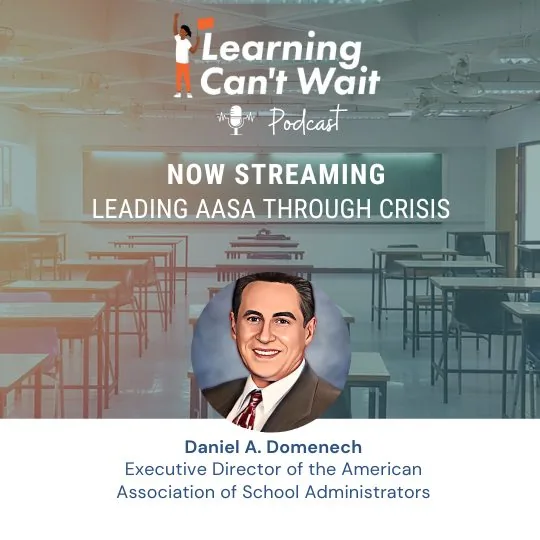 Leading AASA through CrisisJune 20, 2022
North Dakota on the podcast
Episodes with North Dakota connections
 Dieumerci Christel: Empathy, Belonging, and Student VoiceJanuary 27, 2026 · Dieumerci Christel
 Melissa Harris, Allen Pratt, Taylor McCabe-Juhnke: Rural Education, Innovation, CollaborationMay 28, 2024 · Melissa Harris, Allen Pratt, Taylor McCabe-Juhnke
For Education Leaders
Get proven strategies and expert analysis from the host of the Learning Can't Wait podcast, delivered straight to your inbox.









































































How can we help? Let’s connect.
Tell us what you need. It takes about a minute, and you’ll see the next steps right away.
We’ll reach out within one business day
An education consultant talks through your students, schedule and goals.
Get a plan for your district
A plan built around your needs and budget.
Need support? Call 1 (888) 841-7840
Thanks! Our team will reach out within one business day to set up a time that works for you.
Need help sooner? Book a time now
Your one-pagers
Matched to what you told us. They download as one PDF.
Every child deserves the opportunity to access exceptional education.