Connect with the Fullmind Team

For Education Leaders
Get proven strategies and expert analysis from the host of the Learning Can't Wait podcast, delivered straight to your inbox.
Homebound Support
Fullmind's homebound instruction gives students who can't attend school in person live lessons from a certified educator, following your curriculum so they return without falling behind.
Colorado Homebound Instruction Laws: For School Administrators

Homebound instruction provides educational services to students who cannot attend school due to medical conditions, disabilities, or other circumstances. In Colorado, implementing homebound education programs is a legal requirement that ensures every student's right to continue learning, regardless of their limitations.
Homebound instruction refers to educational services for students unable to attend school for a specified period due to medical, physical, or other approved reasons. School administrators can provide these services while complying with state regulations.
This guide covers Colorado’s homebound education legal framework, including eligibility, application processes, district responsibilities, resources, and best practices. School administrators, special education directors, and guidance counselors can use this information to serve students needing homebound instruction while complying with state regulations.
Understanding Colorado's Homebound Education Laws
The Colorado Revised Statutes (CRS) and guidelines from the Colorado Department of Education (CDE) govern Colorado's homebound education requirements. CRS 22-20-109 outlines the state's obligation to provide educational services to students unable to attend school due to illness or disability, while CDE's Rules for the Administration of the Exceptional Children's Educational Act provide implementation guidance.
Under Colorado law, school districts must provide at least four hours of weekly instruction for homebound students, delivered by certified teachers in the relevant subjects. The instruction must align with the student's grade level and educational needs, ensuring continuity with their regular academic program. For a complete homebound schooling overview, districts must maintain detailed documentation of all homebound services, including instructional hours, progress monitoring, and regular evaluations of the student's continued need for services.
Under Colorado homebound laws, students and parents have rights, including the right to request homebound services when medically necessary, participate in developing the instructional plan, and appeal district decisions on eligibility or service provision. While Wyoming's homebound instruction requirements may differ, Colorado ensures that for students with disabilities, homebound services must integrate with existing Individualized Education Programs (IEPs) or Section 504 plans, ensuring accommodations and modifications continue during the homebound period.
The legal framework connects to federal laws, including the Individuals with Disabilities Education Act (IDEA) and Section 504 of the Rehabilitation Act. These protections ensure students with disabilities receive appropriate educational services regardless of their learning environment, making homebound instruction part of special education delivery. Similar frameworks exist across states, with Alabama homebound instruction laws serving as one example of comprehensive regulatory approaches.
Defining Eligibility: Who Qualifies for Homebound Services?
Colorado's eligibility requirements ensure services go to students with genuine need while maintaining oversight of these educational services.
Key Eligibility Criteria for Colorado Homebound Services:
- Medical Necessity: Student has a documented medical condition preventing regular school attendance.
- Physician Statement: Current statement confirming the medical need for homebound services
- Length of Absence: Expected school absence of at least two consecutive weeks
- Impact on Learning: The condition affects the student's participation in regular school activities.
- Temporary vs. Chronic: Services for temporary illnesses and chronic conditions
- Mental Health Conditions: Coverage includes mental health-related conditions preventing school attendance
- Psychological Evaluation: May require psychological evaluation for mental health-related requests
- Alternative Educational Settings: Consideration of other appropriate educational settings
- Home Environment: Assessment of the suitability of the home's environment for educational instruction
- Transportation Barriers: Transportation limitations due to medical conditions
- Safety Concerns: Documented safety concerns related to the student's condition at school
- Extenuating Circumstances: Other unique situations approved by the district on a case-by-case basis
- IEP Requirements: Integration with existing IEP goals and services for special education students
- 504 Plan Requirements: Accommodation within existing Section 504 plans
- School District Policy: Compliance with local district policies and procedures
Medical necessity forms the foundation of homebound eligibility, requiring documentation from licensed healthcare providers. The physician's statement must specify the condition, expected duration of the limitation, and why regular school attendance isn't possible. For students with Individualized Education Programs (IEPs), the IEP team must convene to determine how homebound services will support existing goals and ensure continued progress toward educational objectives.
Under Colorado's homebound laws, mental health conditions receive equal consideration, recognizing that psychological conditions can be as limiting as physical ailments. However, these requests require documentation from mental health professionals and may involve school psychologists in the evaluation process to ensure appropriate service delivery.
The home environment assessment ensures effective and safe instruction delivery. This includes evaluating learning space, necessary technology, and supportive family members who can assist with the education process.
Process for Requesting Homebound Services
Colorado's systematic approach ensures thorough evaluation while minimizing service delivery delays.
Process for Requesting Homebound Services:
- Initial Contact: The parent or guardian contacts the school principal, special education director, or guidance counselor.
- Documentation Gathering: Collect required medical documentation, diagnostic reports, and treatment plans.
- Application Submission: Submit completed homebound application with all supporting materials to the district.
- Initial Review: District staff conduct a preliminary review of the application and documentation.
- Medical Verification: The school nurse or designated staff verifies medical documentation with healthcare providers.
- Eligibility Assessment: Evaluation of student's eligibility based on established criteria
- IEP Meeting (if applicable): Convene IEP team meeting to modify existing educational plans.
- Service Planning: Develop detailed homebound instruction plan including curriculum and schedule.
- Instructor Assignment: Assign qualified, certified teachers for homebound instruction
- Service Authorization: Get final approval from district administration for homebound services.
- Implementation: Start homebound instruction per established schedule and plan.
- Progress Monitoring: Regular assessment of student progress and service effectiveness
- Ongoing Communication: Maintain consistent communication between school, family, and healthcare providers.
- Plan Review and Adjustment: Periodic review and modification of services based on student needs
- Transition Planning: Develop plan for return to regular school setting.
Required documentation typically includes a completed homebound application form, a current physician's statement detailing the medical condition and limitations, recent diagnostic reports or test results, and any existing IEPs or Section 504 plans. For mental health-related requests, psychological evaluations or treatment plans may be necessary.
The approval timeline typically ranges from 5-10 business days for complete applications with proper documentation, but varies by district. Districts must respond promptly to minimize disruption to the student's education, and emergency situations may receive expedited processing.
School districts must evaluate requests thoroughly and promptly. This includes verifying medical information, assessing homebound services, and ensuring legal requirements are met before service implementation.
Resources for Homebound Students and Families
Colorado offers resources to support homebound students and their families throughout the educational process.
Resource Directory:
- Colorado Department of Education (CDE): Primary resource for homebound policies, forms, and guidance documents
- Special Education Support Services: Specialized support for students with disabilities receiving homebound instruction
- Mental Health Resources: Counseling and psychological support services for students and families
- Disability Organizations: The Arc of Colorado and other advocacy organizations providing support and information
- Online Learning Platforms: Including Fullmind's certified virtual educators providing customized learning solutions
- Professional Tutoring Services: Qualified tutors specializing in homebound and special needs instruction.
- Assistive Technology Resources: Equipment and software for students with disabilities
- Financial Assistance Programs: State and local programs providing financial support for educational needs.
- Nutrition Programs: Continued access to school meal programs for eligible students
- Transportation Assistance: Modified transportation services for medical appointments and activities.
- Parent Support Groups: Networks of families sharing experiences and challenges
- Legal Aid Services: Free or low-cost legal assistance for education-related issues
- Advocacy Organizations: Groups supporting student and family rights in education
- Respite Care Services: Temporary relief for families managing chronic conditions
- Recreational Activities: Adapted recreational and social programs for homebound students.
The Colorado Department of Education (CDE) is the primary resource hub, offering guidance documents, application forms, and policy updates. Their website provides detailed information about homebound laws and resources, making it essential for administrators and families.
Fullmind offers certified virtual educators for live instruction across all subjects and learner needs for districts seeking instructional support. Their flexible curriculum can be tailored to district requirements and specific student needs, making them a resource for homebound instruction.
The School District's Role: Implementing Homebound Programs
School districts have legal and educational responsibilities under Colorado law. Understanding these obligations ensures proper program administration and optimal student outcomes.
Districts must provide qualified, certified instructors with appropriate credentials for the subjects taught. These educators should be trained in homebound instruction techniques and understanding the challenges students face outside the traditional classroom. The instruction must meet state standards while remaining flexible to accommodate individual student needs and medical limitations.
Another district responsibility is developing individualized instructional plans. These plans must align with grade-level curriculum standards while incorporating necessary accommodations and modifications. For students with existing IEPs or Section 504 plans, homebound instruction must integrate with established goals and services, ensuring continuity of special education support.
Technology integration is crucial for homebound instruction. Districts should ensure students have access to necessary devices, internet connectivity, and educational software. Virtual learning platforms enable real-time interaction between students and teachers, maintaining engagement and connection to the school community.
Communication protocols must be established for regular contact between homebound instructors, school staff, families, and healthcare providers. This collaborative approach keeps all stakeholders informed about student progress and necessary instructional plan adjustments. Regular team meetings help coordinate services and address challenges promptly.
Addressing Medical and Disability Considerations
Medical conditions and disabilities create considerations in homebound education, requiring coordination between educational and healthcare professionals. Understanding these complexities ensures appropriate service delivery while respecting student health and privacy needs.
Healthcare providers provide essential documentation and ongoing communication about student capabilities and limitations. Their medical expertise helps educators understand how conditions impact learning and necessary accommodations.
Homebound services for students with disabilities must maintain all existing accommodations and modifications in their IEPs or Section 504 plans. This might include extended assignment deadlines, alternative assessment methods, assistive technology, or specialized instructional techniques. The goal is to ensure disability-related support continues in the homebound environment.
Collaboration between medical professionals, special education staff, and regular educators creates a support system. Regular communication helps the team understand the student's status and adjust services. This might involve modifying schedules during medical treatments or adapting curriculum delivery methods based on changing capabilities.
Privacy considerations require careful handling of medical information while ensuring appropriate staff members have necessary details to provide instruction. Districts must balance transparency for educational planning with strict adherence to HIPAA and FERPA privacy protections.
Instructional Delivery: Methods and Best Practices
Homebound instruction requires careful selection of delivery methods tailored to individual student needs, available technology, and specific circumstances. Colorado districts employ various approaches to ensure educational experiences outside traditional classrooms.
Instructional Delivery Methods:
- Online Learning: Best for tech-comfortable students. Medium cost, high flexibility, high accessibility, medium-high student engagement.
- In-Person Tutoring: Best for students needing direct interaction. High cost, medium flexibility, low accessibility, high student engagement.
- Hybrid Model: Best for most students. It has medium-high cost, high flexibility, medium accessibility, and high student engagement.
Virtual instruction through online platforms offers flexibility and accessibility. Students can access lessons based on medical treatments or energy levels, while recorded sessions allow for review. Real-time virtual classes maintain social connections and enable immediate teacher feedback.
In-person tutoring offers personal interaction and engagement, but it requires careful health and safety considerations. This method works well for students struggling with technology or needing intensive, hands-on instruction in specific subjects.
Hybrid models often provide the most effective approach, combining virtual and in-person elements. Students might receive core instruction online while having periodic in-person sessions for assessment, hands-on activities, or intensive support in challenging subjects.
Fullmind's certified virtual educators specialize in delivering tailored online instruction. Their experience with homebound instruction and special populations makes them partners for districts seeking to improve program quality. With flexible curriculum options and proven expertise across all subjects, Fullmind helps districts provide educational support that meets academic standards and student requirements.
Parental Rights and Responsibilities in Homebound Education
Parents and guardians hold rights and responsibilities in homebound education, serving as partners in their child's success. Understanding these roles ensures collaboration and optimal outcomes.
Parental rights include participation in educational planning, access to all educational records and progress reports, and the right to request modifications to the instructional plan. Parents can appeal district decisions regarding eligibility or service provision through established due process procedures.
A parental responsibility is creating a suitable learning environment at home. This includes designating study space, minimizing distractions during instruction, and ensuring necessary materials and technology are available. Parents should communicate with instructors, reporting any changes in their child's condition or learning needs.
Parental involvement in establishing routines, encouraging participation in virtual classes, and reinforcing learning through practice and review is required to support their child's engagement in homebound instruction. Parents often are the primary link between homebound instructors and healthcare providers, facilitating communication about medical needs and educational accommodations.
Transitioning Back to School: Planning for a Successful Return
Transitioning from homebound instruction back to regular school requires careful planning and gradual implementation to ensure student success. Colorado's approach involves transition planning that addresses academic, social, and emotional readiness.
Transition plans typically include gradual reintegration strategies. These strategies begin with partial day attendance or specific classes before resuming full-time school. This approach allows students to readjust to the school environment while managing ongoing medical or physical limitations.
Academic support during transition might include tutoring, modified assignments, or extended readjustment time. Teachers should receive detailed information about the student's homebound learning experience and helpful accommodations.
As students reconnect with peers and navigate potential changes in friendships or social dynamics from their absence, social-emotional support becomes important. School counselors can provide individual or group support to help students process their experiences and rebuild confidence in the school.
Communication between all stakeholders is essential during the transition. Regular meetings allow for plan adjustments based on the student's progress and needs, ensuring a smooth return to regular school attendance.
Legal Support and Advocacy Resources for Families
Families navigating homebound education challenges can access various legal support and advocacy resources throughout Colorado. These organizations assist with disputes or support for appropriate services.
Legal and Advocacy Resources:
- Disability Law Colorado: Provides free legal services for disability-related education issues.
- The Arc of Colorado: Advocacy organization offering support and resources for individuals with disabilities.
- Parent Information Center (PIC): Training and support for parents in special education systems
- Colorado Legal Services: Low-cost legal assistance for qualifying families
- Special Education Parent Advocacy Network (CO-SPAN): A parent-led organization providing advocacy training and support
These organizations can help families understand their rights, resolve disputes with school districts, and ensure compliance with state and federal laws. Many offer free consultations and representation in due process proceedings if needed.
FAQ
What’s the difference between homebound instruction and homeschooling?
The public school district provides homebound instruction due to medical necessity, while homeschooling is a parent-chosen option with different legal requirements and oversight.
Can a student receive homebound services while participating in extracurricular activities?
It depends on the medical condition and physician recommendations. Some students may participate in limited activities while receiving homebound academic instruction.
What if a student's condition improves earlier than expected?
The district should reassess eligibility and develop a transition plan for returning to school, potentially ending homebound services early.
How is technology used to support homebound learning?
Districts use online learning platforms, video conferencing, digital curriculum, and assistive technology to deliver instruction and maintain school connections.
What special education accommodations are available for homebound students?
All existing IEP or Section 504 plan accommodations continue during homebound instruction, with necessary modifications for the home environment.
Where can families find community support networks?
Parent support groups, disability organizations, online communities, and local advocacy groups provide peer support and shared resources.
Can students receive homebound instruction during summer?
Extended School Year (ESY) services may include homebound instruction for students with disabilities who need continuous services to prevent regression.
What qualifications must homebound instructors have?
Instructors must hold valid Colorado teaching licenses in appropriate subject areas and receive training in homebound instruction methods.
How are grades and credits awarded for homebound instruction?
Students receive regular grades and earn credits toward graduation requirements. The district monitors progress according to its policies.
What if the school district denies my request for homebound services?
Families can request a decision review, seek advocacy support, or pursue due process procedures to appeal the denial.
Conclusion
Understanding Colorado homebound laws and resources empowers school administrators to provide essential educational services while ensuring legal compliance. By following procedures, utilizing resources, and focusing on student needs, districts can implement homebound programs that support every student's right to continued learning.
Podcast
From the Learning Can’t Wait podcast
 Hosted by Hayley Spira-Bauer, Chief Academic Officer at Fullmind
Newest episodes
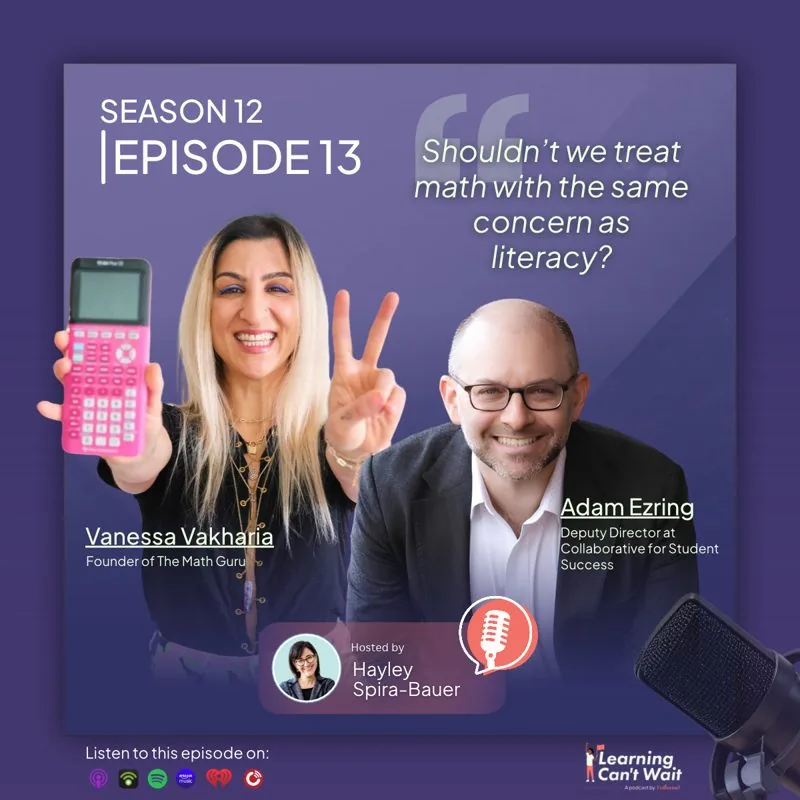 Vanessa Vakharia & Adam Ezring: Family Math, Math Confidence & Learning Through PlayOctober 13, 2026 · Vanessa Vakharia, Adam Ezring
 Dr. Daveda Colbert: Leadership, Belonging & ServiceOctober 6, 2026 · Dr. Daveda Colbert
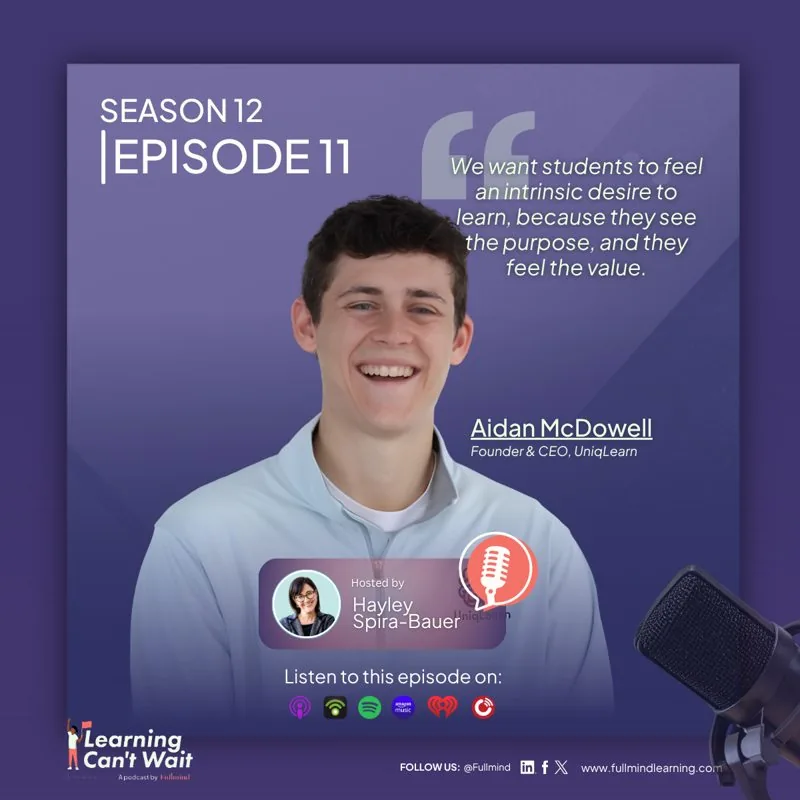 Aidan McDowell: Personalized learning, Student agency & Intrinsic motivationSeptember 29, 2026 · Aidan McDowell
Colorado on the podcast
Episodes with Colorado connections
 Rural Education, Work Based Learning, Career Readiness, Southwest Colorado Education Collaborative: Patrick FredricksDecember 3, 2024 · Rural Education, Southwest Colorado Education Collaborative
 Peter Bahr: Homegrown talent, Career pathways & Work-based learningSeptember 22, 2026 · Peter Bahr
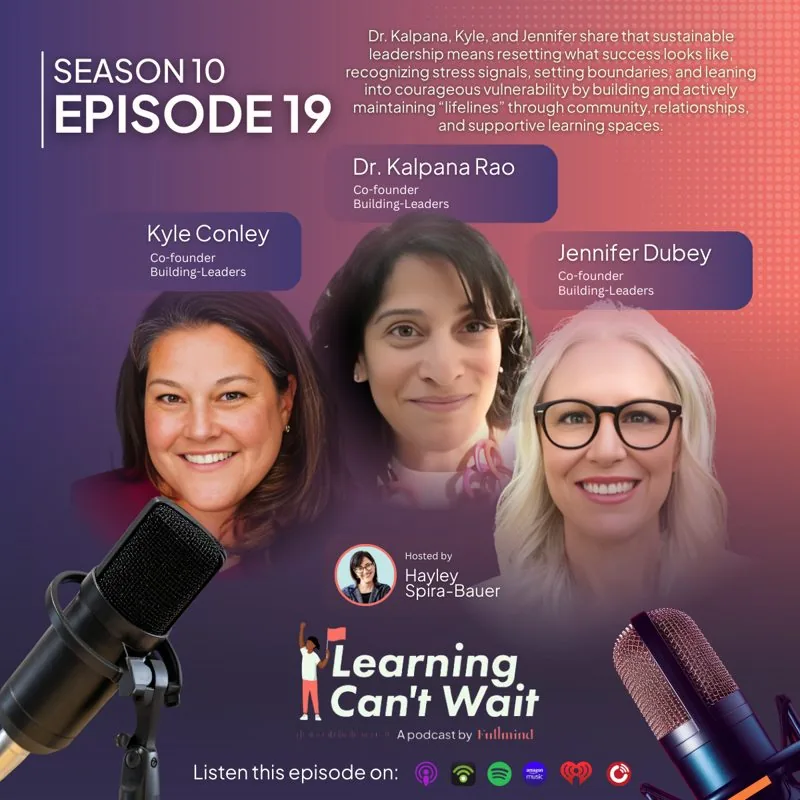 Dr. Kalpana Rao, Kyle Conley, and Jennifer Dubey: Lifelong learning and “lead learner” mindset, Psychological safety for leaders and staff & Global perspectives on schooling and contextFebruary 3, 2026 · Dr. Kalpana Rao, Kyle Conley, and Jennifer Dubey
For Education Leaders
Get proven strategies and expert analysis from the host of the Learning Can't Wait podcast, delivered straight to your inbox.






































































How can we help? Let’s connect.
Tell us what you need. It takes about a minute, and you’ll see the next steps right away.
We’ll reach out within one business day
An education consultant talks through your students, schedule and goals.
Get a plan for your district
A plan built around your needs and budget.
Need support? Call 1 (888) 841-7840
Thanks! Our team will reach out within one business day to set up a time that works for you.
Need help sooner? Book a time now
Your one-pagers
Matched to what you told us. They download as one PDF.
Every child deserves the opportunity to access exceptional education.