Connect with the Fullmind Team

For Education Leaders
Get proven strategies and expert analysis from the host of the Learning Can't Wait podcast, delivered straight to your inbox.
LIVE Staffing
LIVE Staffing fills hard-to-staff roles with certified educators who teach live, synchronously, on your schedule and curriculum.
How New York School Districts Are Solving the Teacher Vacancy Crisis

Teacher vacancies in New York have reached a critical point, creating challenges for school districts statewide. Schools are struggling to fill teaching positions, impacting education quality for hundreds of thousands of students, from bustling urban centers like New York City to rural communities in upstate regions. This shortage affects core subject instruction and specialized services for students with disabilities.
School districts are using creative recruitment strategies, offering benefits packages, and partnering with organizations like Fullmind, which provides certified virtual educators to help bridge staffing gaps. This approach offers hope for addressing the teacher shortage while maintaining educational standards across New York State.
Overview of Teacher Vacancies in New York
Teacher vacancies in New York vary by region and subject. Recent data from the New York State Education Department shows about 7.8% of teaching positions statewide are unfilled or staffed by uncertified teachers. This represents roughly 14,500 vacant positions across the state's public school system.
Regional disparities are concerning. Urban districts like Buffalo, Rochester, and Syracuse report vacancy rates over 10%. Certain rural districts in North Country and Southern Tier struggle to fill 18% of their teaching positions. Despite competitive salaries, New York City has a 6.2% vacancy rate, particularly in high-need schools serving economically disadvantaged communities.
In high-need New York school districts, nearly 1 in 5 teaching positions remain unfilled as part of the broader nationwide teacher shortage crisis. The most severe shortages are in special education and STEM subjects.
Vacancy rates have stabilized compared to the peak shortages of the 2021-2022 school year, but they remain higher than pre-pandemic levels. The teacher shortage has shifted from an acute crisis to a persistent challenge requiring comprehensive strategies for solving teacher shortages.
Causes of Teacher Shortages in New York
Multiple factors have created the teacher shortage New York faces:
- Mass Retirements: The wave of baby boomer teachers retiring has accelerated. In recent years, over 7,500 have been retiring annually, compared to 5,500 in pre-pandemic years.
- Pandemic-Related Burnout: COVID-19 intensified existing workplace stresses, leading to increased teacher attrition. Many left due to health concerns, remote learning challenges, and increased workloads.
- Compensation Concerns: New York offers competitive average salaries, but disparities exist between districts. Rural and high-need urban areas can’t compete with affluent suburban districts or private sector opportunities.
- Administrative Burden: Excessive paperwork, standardized testing pressure, and compliance requirements have diminished job satisfaction and contributed to teacher exodus.
- Lack of Administrative Support: Many teachers feel unsupported by school leadership, particularly regarding discipline and parent complaints.
- Complex Certification Process: New York's rigorous certification requirements can deter career changers and delay entry for new teachers, while ensuring quality.
- Work-Life Balance Challenges: Teaching becomes less attractive compared to other professions requiring similar education levels due to long hours, extensive grading, and extracurricular commitments.
These factors have combined to create a supply-demand imbalance that requires comprehensive solutions.
High-Demand Teaching Positions
Certain teaching positions in New York face acute shortages, creating urgent staffing needs statewide. The most critical shortage area is special education, with districts struggling to fill positions serving Students with Disabilities (SWD) requiring Individualized Education Program (IEP) services. These roles demand certification and expertise, making them challenging to staff.
STEM (Science, Technology, Engineering, and Mathematics). Physics, chemistry, and advanced mathematics positions remain unfilled in many districts, limiting students' access to college-preparatory coursework. Bilingual education teachers, especially certified in Spanish-English instruction, are needed in districts with growing English Language Learner populations.
Geographic factors compound these challenges. Upstate rural districts struggle to attract teachers in all subjects due to limited housing options and lower salaries. Meanwhile, high-need urban schools face difficulties recruiting teachers for challenging environments despite competitive compensation.
Companies like Fullmind address critical gaps by providing virtual staffing solutions that connect certified educators with schools needing specialized instruction. Their services are valuable for IEP fulfillment, ensuring students with disabilities receive mandated services even when districts can’t find local candidates. This approach allows schools to maintain compliance while providing quality instruction to all students.
Finding Teacher Vacancies in New York
Prospective teachers seeking NY jobs have multiple resources for locating open positions across the state's school districts:
- NYSED Website: The official TeachNY.gov portal provides listings of certified teaching positions statewide, certification requirements, and district contact information.
- Individual School District Websites: Most districts maintain career pages with current openings, application procedures, and district-specific information. Major districts like NYC Department of Education, Buffalo City Schools, and Rochester City School District regularly update their job postings.
- Job Boards: Indeed, LinkedIn, Glassdoor, and education-specific sites like SchoolSpring feature extensive New York teaching position listings with filtering options by subject, grade level, and location.
- Teacher Recruitment Agencies: Organizations like Teach for America, BOCES (Boards of Cooperative Educational Services), and regional recruitment cooperatives place teachers in high-need positions.
- Professional Organizations: The New York State United Teachers (NYSUT) website and subject-specific associations share job opportunities with their members.
The application process typically requires submitting a packet including a resume, cover letter, transcripts, recommendation letters, and teaching certificates. Many districts use online application systems like Frontline Education or AppliTrack, streamlining the process for applicants and administrators.
Qualifications and Certification Requirements
Becoming a certified teacher in New York requires meeting specific educational and professional standards. The process begins with earning a bachelor's degree from an accredited institution, followed by completion of a state-approved teacher preparation program with student teaching experience.
The certification process involves passing multiple exams demonstrating competency in teaching skills and subject knowledge. All candidates must pass the Educating All Students (EAS) test, covering teaching principles, classroom management, and working with diverse learners. Subject-specific Content Specialty Tests (CSTs) are required for most teaching areas, ensuring teachers have adequate subject knowledge.
New York offers multiple certification pathways, recognizing that quality teachers come from diverse backgrounds. The Traditional Route serves recent education graduates, while the Alternative Teacher Certification Program (ATC) accommodates career changers with bachelor's degrees in other fields. The Individual Evaluation pathway allows experienced out-of-state teachers to receive New York certification through portfolio review. The Transitional B pathway provides accelerated certification for individuals with advanced degrees and relevant experience.
Salary and Benefits for New York Teachers
Teacher salaries in New York vary by district, experience, and education level, but generally rank among the highest nationally. The average salary statewide ranges from $52,000 for first-year teachers to over $90,000 for experienced educators with master's degrees, with substantial regional variations.
Wealthy suburban districts like Scarsdale, Great Neck, and Jericho offer starting salaries over $70,000, with maximum salaries reaching $140,000+. Urban districts like New York City provide competitive compensation, with starting teachers earning about $66,000 and experienced teachers over $110,000. Rural districts typically offer lower starting salaries, ranging from $45,000 to $58,000, but cost of living adjustments often make these positions viable.
Beyond salary, New York teachers receive comprehensive benefits packages. These packages include employer-contributed health insurance, dental and vision coverage, and robust pension plans through the New York State Teachers' Retirement System. Additional benefits include paid sick leave, personal days, sabbaticals, and tuition reimbursement. Many districts offer signing bonuses, loan forgiveness, and housing assistance to attract teachers to high-need positions.
Challenges Facing New York Teachers
Despite competitive compensation, New York teachers face challenges that contribute to job dissatisfaction and turnover:
- Heavy Workload: Teachers regularly work beyond contracted hours. They spend evenings and weekends grading, lesson planning, and fulfilling administrative tasks. Many report 50-60 hour work weeks during the school year.
- Large Class Sizes: Budget constraints have increased class sizes, making individualized instruction and classroom management difficult. Some classes exceed 30 students, particularly in high-need districts.
- Administrative Burden: Excessive paperwork, data collection, and compliance documentation consume significant time that could be spent on instruction and student interaction.
- Student Behavior Issues: Classroom management challenges have intensified. Teachers are reporting increased disruptive behavior and decreased parental support for discipline measures.
- Limited Resources: Many teachers spend personal funds on classroom supplies. Technology gaps and outdated textbooks hinder effective instruction.
- Standardized Testing Pressure: High-stakes testing creates stress for teachers and students, often narrowing curriculum focus and reducing instructional creativity.
- Lack of Professional Autonomy: Teachers' ability to adapt instruction to student needs and interests is limited by prescribed curricula and rigid pacing guides.
These challenges contribute to teacher burnout and attrition, perpetuating the staffing shortage cycle that districts struggle to break.
Initiatives to Address Teacher Shortages
New York State and local districts have implemented programs to address teacher recruitment challenges through targeted approaches and increased investment in educator support. The state has established loan forgiveness programs offering up to $15,000 in debt relief for teachers in high-need schools for four years. The NYS Math and Science Teaching Incentive Program provides scholarships to high-achieving students committed to teaching mathematics or science in New York for at least five years.
Districts are offering incentives to attract qualified candidates, like signing bonuses up to $20,000, relocation assistance, and housing subsidies. Some rural districts partner with local colleges to provide reduced-rate student housing for new teachers. Urban districts have developed grow-your-own programs, supporting paraprofessionals and substitute teachers in earning teaching credentials while continuing employment.
Companies like Fullmind provide virtual staffing solutions that connect schools with certified teachers for remote instruction. This approach addresses geographic barriers and allows districts to access specialized educators regardless of location. Virtual staffing is useful for filling hard-to-staff positions in rural areas and providing specialized services like advanced mathematics, world languages, and special education support that might otherwise be unavailable.
Impact of Teacher Vacancies on Education
Teacher shortages impact educational quality and student outcomes across New York. When qualified teachers are unavailable, schools resort to emergency substitutes, combined classes, or reassigning teachers to subjects outside their expertise. These measures compromise instructional quality and continuity, harming students needing consistent, expert guidance.
When schools lack adequate staffing, student achievement suffers measurably. Research indicates that students in chronically understaffed schools score lower on standardized tests, have reduced access to advanced coursework, and experience higher dropout rates. The impact disproportionately affects students in high-poverty districts, which struggle with recruitment and retention, exacerbating educational equity gaps.
Schools attempt to maintain operations through temporary measures. These measures include hiring long-term substitutes without teaching credentials, combining classes, and reassigning administrators to classroom duties. However, these solutions stress remaining staff and fail to provide students with specialized instruction. The instability undermines school culture and makes it harder to attract and retain quality educators, creating a negative cycle that compounds the original problem.
Tips for Aspiring New York Teachers
Securing teaching positions in New York requires strategic planning and persistent effort in today's competitive market:
- Network Actively: Attend education job fairs, join professional organizations, and connect with educators on social media and professional platforms. Personal recommendations carry significant weight in hiring decisions.
- Tailor Applications: Customize resumes and cover letters for each position, demonstrating knowledge of the district and community needs.
- Prepare for Interviews: Practice answering common questions about classroom management, differentiated instruction, and working with diverse populations. Prepare specific examples demonstrating your teaching philosophy and problem-solving abilities.
- Seek Mentorship: Connect with experienced educators for guidance on certification, job searches, and early career challenges.
- Consider Alternative Pathways: Explore non-traditional certification routes, including career-change and alternative certification programs for faster entry into the profession.
- Be Geographically Flexible: Consider teaching positions in New York in less competitive areas, including rural districts and urban high-need schools that offer incentives and faster hiring processes.
- Gain Relevant Experience: Volunteer in schools, work as a substitute teacher, or as a paraprofessional to build experience and connections in education.
FAQ: New York Teacher Vacancies
What are the long-term projections for teacher vacancies in New York?
Demographic trends suggest challenges, with many experienced teachers nearing retirement and fewer college students choosing education majors. However, increased state investment in recruitment programs and solutions like virtual staffing may stabilize the workforce by 2027.
How do urban and rural districts compare in vacancies?
Rural districts face higher vacancy rates due to isolation and limited housing, while urban districts struggle with tough working conditions and high living costs. Suburban districts have the lowest vacancy rates due to competitive salaries and desirable conditions.
Are there programs for out-of-state teachers moving to New York?
Yes, New York offers reciprocity agreements with many states and Individual Evaluation pathways that recognize previous teaching experience. It provides expedited certification processes for teachers with valid out-of-state licenses and relocation assistance through some district programs.
How has virtual instruction impacted teacher recruitment?
Virtual and hybrid teaching models have expanded the candidate pool by allowing teachers to work remotely or in blended environments. This flexibility has attracted educators who might not consider traditional classroom positions and has proven effective for specialized subjects and rural districts.
Conclusion
The New York teacher vacancies crisis is a major challenge for the state's education system, but innovative solutions and sustained commitment offer reasons for optimism. Districts are finding ways to attract and retain quality educators through improved compensation, working conditions, alternative certification pathways, and partnerships with organizations like Fullmind.
The path forward requires collaboration between state officials, local districts, higher education institutions, and private partners to create sustainable solutions for immediate staffing needs and long-term workforce development. With proper investment and strategic thinking, New York can build a robust teaching workforce that provides every student with quality education, ensuring the state's leadership in educational excellence.
Podcast
From the Learning Can’t Wait podcast
 Hosted by Hayley Spira-Bauer, Chief Academic Officer at Fullmind
"I think it's the best first job in today's economy."
Related episodes
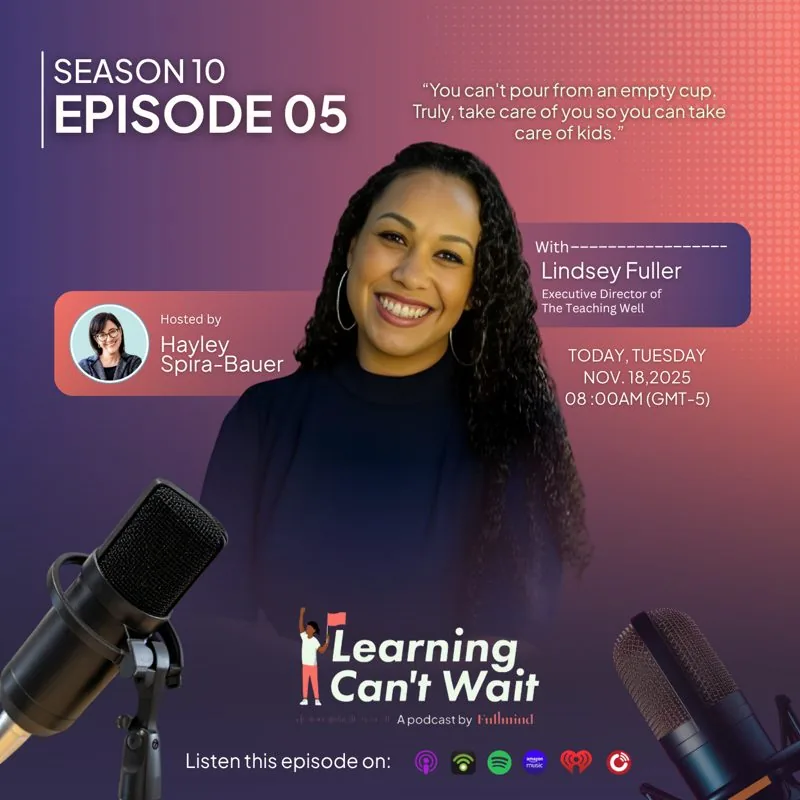 Lindsay Fuller: Educator Burnout, Workplace Well-being & Mental Health CrisisNovember 18, 2025 · Lindsay Fuller
 Aneesh Sohoni: Leadership, Opportunity and CommunitySeptember 8, 2026 · Aneesh Sohoni
 The Great Resignation: Teacher EditionMay 30, 2022
New York on the podcast
Episodes with New York connections
 Jean-Claude Brizard: Digital Promise, Innovation in Education, AI in Education, Learning ScienceJanuary 2, 2024 · Jean-Claude Brizard
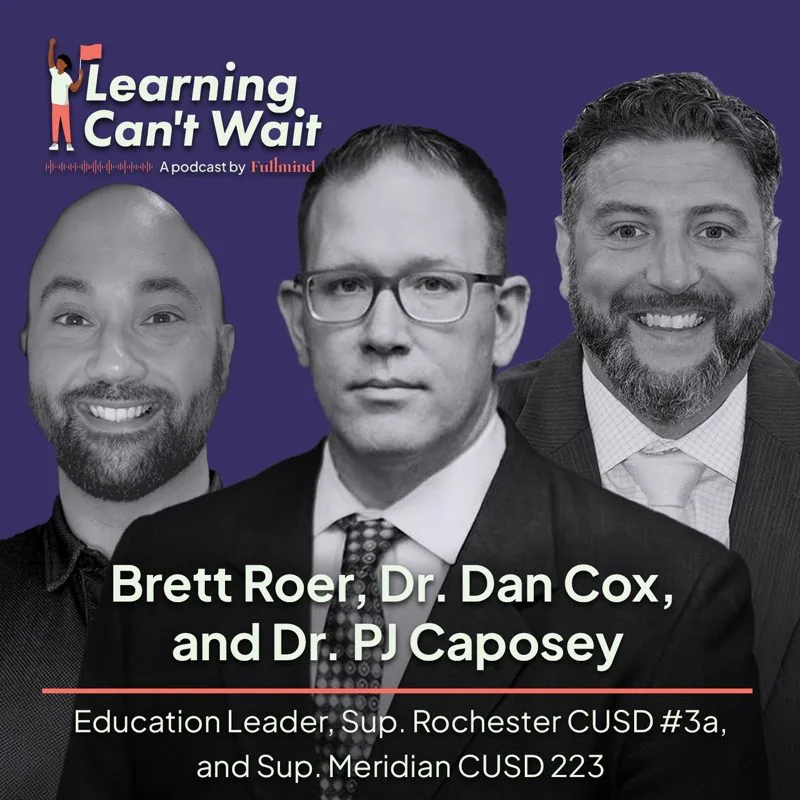 Brett Roer, Dr. PJ Caposey, Dr. Dan Cox: Growth, Fitness, Discipline, Leadership, Work-Life BalanceNovember 14, 2023 · Brett Roer, Dr. PJ Caposey, Dr. Dan Cox
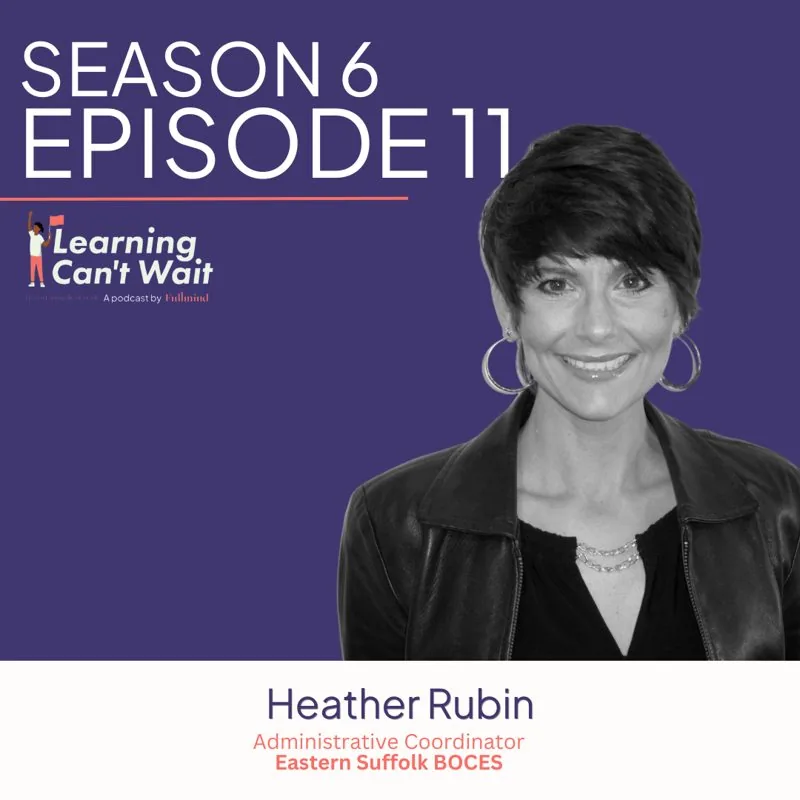 Heather Rubin: Cultural Responsiveness, ELL, Project-based Learning, Digital Age TeachingOctober 29, 2024 · Heather Rubin
For Education Leaders
Get proven strategies and expert analysis from the host of the Learning Can't Wait podcast, delivered straight to your inbox.



















































How can we help? Let’s connect.
Tell us what you need. It takes about a minute, and you’ll see the next steps right away.
We’ll reach out within one business day
An education consultant talks through your students, schedule and goals.
Get a plan for your district
A plan built around your needs and budget.
Need support? Call 1 (888) 841-7840
Thanks! Our team will reach out within one business day to set up a time that works for you.
Need help sooner? Book a time now
Your one-pagers
Matched to what you told us. They download as one PDF.
Every child deserves the opportunity to access exceptional education.