Connect with the Fullmind Team

For Education Leaders
Get proven strategies and expert analysis from the host of the Learning Can't Wait podcast, delivered straight to your inbox.
LIVE Staffing
LIVE Staffing fills hard-to-staff roles with certified educators who teach live, synchronously, on your schedule and curriculum.
How Maryland School Districts Are Solving Teacher Vacancy

Maryland schools face an unprecedented challenge: a growing number of teacher vacancies that threatens the quality of education for thousands of students. The demand for qualified educators is outpacing the supply, leaving many positions unfilled and students without consistent instruction, from Baltimore City's urban classrooms to rural counties on the Eastern Shore. Recent data shows Maryland teacher vacancies have reached critical levels, with some districts reporting shortages of over 1,000 positions at the start of the school year.
This analysis examines Maryland's teacher shortage crisis. It looks at the realities facing schools and the solutions being implemented. As educators, parents, and policymakers work together, understanding the problem's scope and emerging strategies is necessary to ensure every Maryland student receives a quality education.
Current State of Teacher Vacancies in Maryland
At the beginning of the school year, the Maryland State Department of Education (MSDE) reported about 3,500 teacher vacancies, a significant increase from previous years. This figure includes unfilled positions and those staffed by long-term substitutes or uncertified personnel. The vacancy rate has grown by nearly 40% over the past three years.
According to MSDE data, the teacher shortage has worsened post-COVID,pandemic. Many experienced educators are opting for early retirement or career changes. The state's teacher preparation programs produce fewer graduates yearly, while student enrollment grows in many districts. This is widening the supply-demand gap.
Regional Disparities
The teacher shortage is uneven across Maryland's 24 school systems. The most affected areas include Baltimore City, Prince George's County, Baltimore County, Charles County, and Somerset County, each reporting vacancy rates over 8%. These regions face challenges like higher living costs in metropolitan areas, aging school infrastructure, and student populations needing extra support.
Urban districts like Baltimore City struggle with teacher retention due to challenging working conditions and lower compensation compared to suburban districts. Meanwhile, rural counties on the Eastern Shore face geographic isolation and limited housing options that make it difficult to attract teachers, especially in high-need subjects. The disparity creates an inequitable education landscape where zip code determines access to qualified instruction, highlighting the need for comprehensive teacher shortage solutions.
Vacancies by Subject and Grade Level
Special education is the most critical shortage area, with vacancies affecting nearly 15% of these positions statewide. Mathematics and science teachers are also in high demand, particularly at the middle and high school levels, where subject expertise is necessary. English Language Learner (ELL) instruction faces staffing challenges as Maryland's diverse student population grows.
Elementary positions, while easier to fill than secondary roles, still face shortages in high-poverty schools. Vacancies often remain unfilled for months, forcing schools to rely on long-term substitutes who may lack the training needed to support young learners.
Causes of Teacher Shortages in Maryland
Teacher compensation is a significant factor in Maryland's staffing challenges. While the state's average teacher salary of around $70,000 seems competitive nationally, it doesn't account for regional cost of living variations. In high-cost areas like Montgomery and Anne Arundel Counties, teachers struggle to afford housing near their schools, leading to long commutes or leaving the profession.
Comparing Maryland teacher salaries to other professions with similar education levels reveals a substantial gap. Recent college graduates with bachelor's degrees in STEM fields can earn $15,000-$20,000 more in private sector jobs, making teaching a financially challenging choice. The compressed salary schedule in many districts means experienced teachers see minimal financial growth, contributing to mid-career departures.
Working Conditions and Support
Increasing administrative demands and reduced planning time have impacted teacher satisfaction across Maryland schools. Many educators feel overwhelmed by data collection, standardized testing preparation, and expanded duties beyond instruction. Due to budget constraints, class sizes have grown in many districts, making it difficult for teachers to provide individualized attention to struggling students.
The lack of administrative support in some schools adds stress for teachers dealing with challenging student behaviors or unsupportive parents. While available, professional development opportunities often fail to address teachers' pressing classroom needs, leaving educators feeling unprepared for modern teaching environments.
Teacher Preparation and Certification
Maryland's teacher certification process can be lengthy and complex for career changers and out-of-state candidates. The requirement for specific coursework and student teaching experiences delays qualified individuals from entering classrooms when needed. Alternative certification pathways exist but are not well-publicized or accessible.
The declining enrollment in Maryland universities' teacher preparation programs reflects national trends but poses challenges for the state's teacher pipeline. Many education programs have reduced cohort sizes or eliminated certain specializations, further constraining the supply of new teachers in high-need subject areas.
Societal Factors
Political curriculum debates, increased scrutiny of classroom practices, and limited public support for education funding have negatively affected the public perception of the teaching profession. Many potential teachers are discouraged by stories of difficult working conditions, low pay, and lack of professional respect. The COVID-19 pandemic accelerated these concerns, as teachers faced health risks, technological challenges, and criticism from community stakeholders.
Economic opportunities in other sectors have expanded, offering college graduates multiple career paths with better compensation and conditions. The growth of remote work options contrasts with teaching's traditional in-person, location-bound requirements, making other careers more attractive to younger workers seeking flexibility.
Impact of Teacher Vacancies on Education
Research shows teacher quality impacts student achievement, making Maryland teacher vacancies a serious concern. Schools with high teacher turnover rates show lower test scores, graduation rates, and college enrollment. Students in classrooms led by long-term substitutes or uncertified teachers experience gaps in curriculum delivery and inconsistent instructional practices.
Teacher shortages disproportionately affect the most vulnerable students. English language learners, students with disabilities, and those from low-income families require specialized instructional approaches that substitute teachers or emergency-certified personnel may not provide. This creates lasting achievement gaps that can affect students' long-term prospects.
School Climate and Resources
Teacher vacancies create a ripple effect throughout school buildings, increasing stress on remaining faculty covering additional duties or larger class sizes. Sarah Martinez, a veteran teacher in Baltimore County, explains, "When we have multiple vacancies, our teachers are stretched thin covering extra classes and responsibilities. It affects morale and makes it harder to focus on what we do best: teaching our students."
Schools with high vacancy rates struggle to maintain consistent programming. They may cancel electives, reduce enrichment activities, or combine grade levels to accommodate staffing limitations. These compromises diminish the educational experience students deserve and can make schools less attractive to families with school choice options.
Equity and Access
The uneven distribution of teacher vacancies across Maryland raises equity concerns. Schools in low-income and predominantly minority communities face higher vacancy rates and teacher turnover, perpetuating educational inequalities. Students in these schools are more likely to be taught by inexperienced teachers, long-term substitutes, or teachers outside their certification areas.
This disparity reinforces systemic inequities in education access. Families with resources can move to districts with better teacher retention or supplement their children's education through private tutoring and enrichment programs. Students without these options face compounding disadvantages affecting their academic trajectory and future opportunities.
Efforts to Address Teacher Vacancies
Maryland has implemented initiatives to combat teacher shortages. These include the Judy Centers program for early childhood education and the Teacher Shortage Incentive Act, which offers loan forgiveness for teachers in high-need schools. The state has also expanded alternative certification pathways and created signing bonuses for teachers in critical shortage areas.
Recent legislation increased state education funding through the Blueprint for Maryland's Future, which includes provisions for raising teacher salaries and improving working conditions. However, implementation is gradual. Many districts struggle with immediate staffing needs while awaiting long-term policy benefits.
Local School District Strategies
Maryland districts are developing recruitment and retention strategies. Prince George's County partnered with local universities to create "grow your own" teacher programs, supporting community members through certification programs with guaranteed employment. Anne Arundel County has implemented mentorship programs pairing new teachers with experienced educators, improving first-year retention rates.
Several districts have improved their benefits packages to attract candidates, offering signing bonuses, housing assistance, or flexible scheduling options. Montgomery County has created teacher residency programs that provide extensive support during the first year, resulting in higher retention rates and improved job satisfaction among new educators.
Alternative Certification Pathways
Programs like Teach for America, Maryland Teacher Corps, and district-based alternative certification routes address immediate staffing needs while building long-term teacher capacity. They recruit career changers, recent graduates, and military veterans, providing intensive training before placing them in classrooms with ongoing support.
The success of alternative certification programs varies, but many promise to fill hard-to-staff positions quickly while maintaining instructional quality. Districts report that career changers bring real-world experience and strong content knowledge, particularly in STEM fields with teacher shortages.
Using Virtual Education Solutions
Maryland school districts are using virtual staffing solutions to address teacher vacancy challenges. Fullmind, a provider of certified virtual educators, helps schools fill difficult-to-staff positions with live, certified teachers delivering instruction across all subjects and learner needs. Their curriculum can be tailored to individual school and district requirements, providing immediate relief for understaffed schools.
Fullmind offers virtual staffing, SWD services, IEP fulfillment, homebound instruction, high dosage tutoring, test prep, virtual suspension rooms, credit recovery, and attendance management. This approach allows districts to maintain full course offerings when they can't find local candidates for specialized positions.
Best Practices for Recruitment and Retention
Successful Maryland districts emphasize support systems for new teachers, including reduced first-year course loads, regular check-ins with administrators, and peer mentoring. They also focus on creating positive school cultures that celebrate teacher achievements and provide opportunities for professional growth and leadership.
Effective recruitment strategies include partnerships with teacher preparation programs, early identification and hiring of candidates, and competitive compensation packages that account for local cost of living. Districts that communicate their commitment to teacher support and professional development attract high-quality candidates.
Teacher Certification and Licensing Requirements
To become a certified teacher in Maryland, candidates must complete a bachelor's degree from an accredited institution, successfully complete an approved teacher preparation program, and pass required Praxis exams. They must also complete student teaching and demonstrate proficiency in their content area and pedagogical skills.
The MSDE website provides detailed information about certification requirements and endorsements for specialized roles like special education or English language learning instruction. The process typically takes four years for traditional candidates completing education degrees.
Alternative Certification Options
Maryland offers alternative pathways for individuals with bachelor's degrees in other fields to become teachers. The Alternative Certification Program (ACP) allows candidates to start teaching while completing required coursework, providing a faster route into the classroom for career changers.
Other options include the Master of Arts in Teaching (MAT) programs offered by Maryland universities, which combine graduate-level education coursework with classroom experience. These programs focus on high-need subjects and can be completed while working as a teacher under provisional certification.
Interstate Reciprocity
Maryland has reciprocity agreements with several states, allowing certified teachers from other jurisdictions to transfer their credentials more easily. The requirements vary by state and certification type, but this process can reduce barriers for experienced teachers relocating to Maryland.
Teachers from states without reciprocity agreements may still qualify for Maryland certification through individual evaluation of their credentials and experience. However, additional coursework or testing may be required.
Job Opportunities and Application Process
Maryland teacher positions can find current vacancies through multiple channels. The MSDE website maintains a statewide job board with positions from all districts. Individual school district websites also post openings, often providing more detailed information about specific schools and positions.
Job search engines like Indeed, SchoolSpring, and Education Week's job board list Maryland teaching positions. Many districts also recruit through job fairs, university partnerships, and social media to reach potential candidates.
The Application Process
The typical Maryland teaching application process involves submitting a complete application package, through the district's online system. The package includes a a resume, cover letter, transcripts, and references. Many districts use standardized application platforms that allow candidates to apply for multiple positions simultaneously.
Interview processes vary by district but commonly include screening interviews, demonstration lessons, and meetings with administrators and teacher teams. Successful candidates must complete background checks and provide certification documentation before starting employment. Prepare for interviews by researching the district's priorities, student demographics, and recent initiatives or challenges.
Salary and Benefits for Maryland Teachers
For the 2023-2024 school year, Maryland teacher salaries average about $70,000 annually, varying by experience, education, and district. Beginning teachers earn between $45,000 and $55,000, while experienced teachers with advanced degrees can earn $80,000 to $100,000 or more in some districts.
Higher-cost districts like Montgomery and Anne Arundel Counties offer competitive salaries to offset living expenses. Rural districts may offer lower base salaries but provide additional benefits or lower living costs that attract certain candidates.
Benefits Packages
Maryland teachers typically receive comprehensive benefits including health, dental, and vision insurance, and participation in the state retirement system. Many districts offer flexible spending accounts, life insurance, and professional development stipends.
Paid time off includes sick leave, personal days, and school calendar breaks. Some districts offer sabbatical opportunities for advanced study or research, and many provide tuition reimbursement for continuing education that leads to additional certifications or degrees.
Incentives and Bonuses
Several Maryland districts offer signing bonuses for teachers in high-need subjects, ranging from $2,000 to $10,000 depending on the area and district budget. Special education, mathematics, science, and world language teachers are most likely to qualify.
Some districts offer extra pay for teachers who take on extra responsibilities like mentoring new teachers, leading professional development, or working in high-need schools based on student demographics or achievement levels.
High-Need Subject Areas and Specializations
Teachers of science, technology, engineering, and mathematics are in critically short supply across Maryland, especially in chemistry, physics, and advanced mathematics, where teachers need specialized knowledge highly valued in private sector jobs with better pay.
STEM teacher shortages limit students' access to advanced coursework for college and careers in technology fields. Many schools struggle to offer full science course sequences or advanced mathematics options due to staffing limitations.
Special Education
Special education is Maryland's most persistent teacher shortage area, with positions often remaining unfilled for entire school years. These roles require specialized training in working with students with disabilities, developing and implementing Individualized Education Programs (IEPs), and collaborating with related service providers.
The demanding nature of special education teaching, extensive paperwork, and challenging student behaviors contribute to high turnover rates. However, special education teachers find the work rewarding and benefit from smaller caseloads and additional planning time in many districts.
Other High-Need Areas
As Maryland's student population becomes increasingly diverse, world language instruction, particularly in Spanish, Chinese, and Arabic, faces shortages/shortages. English as a Second Language (ESL) teachers work with students whose first language is not English, helping them develop academic English skills while accessing grade-level content across all subjects.
In many districts, school counselors, librarians, and related arts teachers (music, art, physical education) face shortages, limiting schools' ability to provide comprehensive programming that supports student development beyond core academics.
Community and Parental Perspectives
Parents in Maryland are concerned about the impact of teacher vacancies on their children's education. "My daughter has had three different math teachers this year," says Jennifer Thompson, a Baltimore County parent. "Each change means the kids lose time adjusting to new expectations and teaching styles. It's affecting her confidence and learning."
Many parents worry about increased class sizes due to teacher shortages and whether their children receive adequate individual attention. Others are frustrated with disruptions from frequent substitute teachers or the cancellation of elective courses.
Community Involvement
Parent Teacher Organizations (PTOs)are actively supporting teacher recruitment and retention. Some have created teacher appreciation funds, provided classroom supplies, or organized community events to celebrate educators and raise awareness about their challenges.
Community members can support local schools by volunteering for non-instructional activities, advocating for increased education funding, or participating in mentorship programs connecting students with adult role models. Local businesses partner with schools to provide internship opportunities, guest speakers, or financial support for programs affected by staffing shortages.
Future Outlook for Teacher Vacancies
Education workforce analysts predict Maryland teacher vacancies will remain high for the next five years. This is due to continued retirements of baby boomer educators and low enrollment in teacher preparation programs. However, recent policy initiatives and increased public awareness of the teacher shortage may stabilize the situation by 2027-2028.
Demographic trends indicate continued student enrollment growth in certain Maryland regions, particularly in suburban areas, while rural areas may see declines. These shifts will require strategic redistribution of teaching resources and may create opportunities for teachers willing to work in different areas.
Long-Term Strategies
Sustainable solutions to Maryland's teacher shortage require comprehensive approaches addressing compensation, working conditions, professional development, and public perception. The Blueprint for Maryland's Future provides a framework for these improvements, but implementation requires sustained political and financial commitment.
Expanding alternative pathways into teaching, strengthening partnerships between school districts and universities, and using technology solutions like virtual staffing will play important roles in maintaining adequate teacher supply while building long-term capacity.
Conclusion
Maryland's teacher vacancy crisis is a major challenge for the state's education system. It affects thousands of students and threatens the quality of public education. However, the strategies implemented by districts, the commitment of education leaders, and the recognition of teaching as a vital profession provide reasons for optimism.
Addressing this challenge requires coordinated efforts from policymakers, school administrators, communities, and educators to make teaching an attractive and sustainable career. Continued investment in teacher compensation, support systems, and staffing solutions can build a robust educator workforce to meet every student's needs. Every stakeholder must support teachers and advocate for policies that strengthen public education for current and future Maryland students.
FAQ: Additional Topics
Q: What is the historical context of teacher shortages in Maryland?
Maryland has faced cyclical teacher shortages, but the current crisis is more severe and persistent. Historical shortages were addressed through temporary measures, while today's challenges require comprehensive, long-term solutions.
Q: How do Maryland teacher vacancies compare to other states?
Maryland's teacher shortage is comparable to other East Coast states but less severe than some Western and Southern states. However, the concentration of vacancies in high-need subjects mirrors national trends, with special education and STEM fields facing the greatest challenges.
Q: What was the impact of COVID-19 on teacher retention and recruitment in Maryland?
The pandemic accelerated teacher retirements and career changes. Many cited health concerns, increased workload, and family responsibilities as reasons for leaving. Remote learning challenges and public criticism of schools during the pandemic also decreased interest in teaching careers.
Q: Are there case studies or testimonials from Maryland teachers about their experiences?
Many Maryland teachers feel supported by their colleagues and school communities. However, they are frustrated by systemic challenges like large class sizes, limited resources, and insufficient planning time. Successful retention often correlates with strong administrative support and positive school climate.
Podcast
From the Learning Can’t Wait podcast
 Hosted by Hayley Spira-Bauer, Chief Academic Officer at Fullmind
Related episodes
 Ellen Sherratt: Education Policy, Teacher Shortage, Teacher Salaries, Teacher Salary ProjectApril 3, 2023 · Ellen Sherratt
 Doug McCurry: Leadership Lessons, Educational Challenges, Summer Learning Programs, High-Quality CurriculumApril 30, 2024 · Doug McCurry
 Chad Aldeman: Teacher Shortage, Educator Retention, Read Not GuessSeptember 3, 2024 · Chad Aldeman
Maryland on the podcast
Episodes with Maryland connections
 Creating a Culture of BelongingNovember 21, 2022
 Teaching TeachersJuly 11, 2022
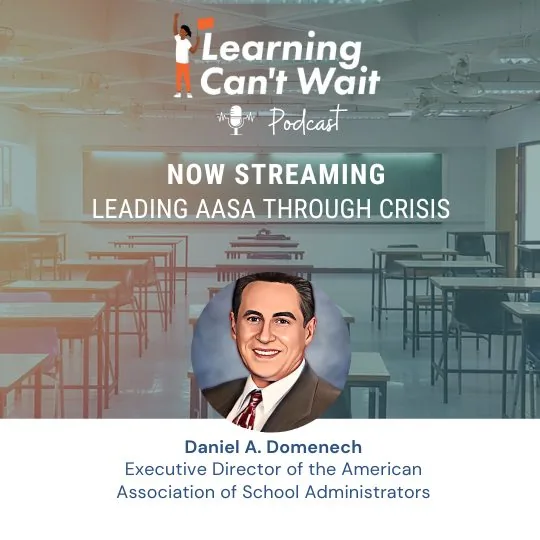 Leading AASA through CrisisJune 20, 2022
For Education Leaders
Get proven strategies and expert analysis from the host of the Learning Can't Wait podcast, delivered straight to your inbox.




















































How can we help? Let’s connect.
Tell us what you need. It takes about a minute, and you’ll see the next steps right away.
We’ll reach out within one business day
An education consultant talks through your students, schedule and goals.
Get a plan for your district
A plan built around your needs and budget.
Need support? Call 1 (888) 841-7840
Thanks! Our team will reach out within one business day to set up a time that works for you.
Need help sooner? Book a time now
Your one-pagers
Matched to what you told us. They download as one PDF.
Every child deserves the opportunity to access exceptional education.