Connect with the Fullmind Team

For Education Leaders
Get proven strategies and expert analysis from the host of the Learning Can't Wait podcast, delivered straight to your inbox.
High Dosage Tutoring
Fullmind's high-dosage tutoring means frequent small-group sessions with the same certified tutor, built into the school day.
High Dosage Tutoring in Alabama: How Districts Close the Gap

Alabama has faced significant educational challenges, including persistent achievement gaps affecting low-income families, rural communities, and minorities. The COVID-19 pandemic worsened these disparities. The Alabama Department of Education reported substantial learning loss. State assessment data revealed nearly 40% of Alabama students failed to meet proficiency standards in reading and mathematics. The gaps between demographic groups widened during remote learning.
In response to mounting challenges, Alabama educators and policymakers have turned to high dosage tutoring as a promising intervention strategy. High dosage tutoring, characterized by frequent, individualized instruction from qualified tutors, has emerged as one of the most effective methods for accelerating student learning and addressing educational inequities. This approach is showing promise in Alabama schools, offering hope for closing achievement gaps and ensuring all students access quality educational opportunities regardless of their background.
What is High Dosage Tutoring in Alabama?
High dosage tutoring significantly departs from traditional models, with intensity, frequency, and individualization as core components. In Alabama, high dosage tutoring programs involve students receiving instruction three to five times per week, with sessions lasting 30 to 60 minutes. These programs are delivered by certified teachers, trained paraprofessionals, or qualified community volunteers undergoing rigorous preparation to ensure quality and consistency.
Alabama's high dosage tutoring implementation encompasses various delivery models to meet diverse student needs and logistical constraints. Many districts employ small group tutoring, where two to four students with similar learning needs receive targeted instruction together. Others focus on one-on-one tutoring for students requiring intensive support. Sessions are conducted in-person and virtually, with some schools adopting hybrid approaches combining face-to-face interaction with online resources.
High dosage tutoring differs from traditional tutoring in its systematic approach and research-based design. While conventional tutoring might occur once or twice weekly with varying tutor qualifications, Alabama's high dosage programs maintain strict standards for tutor certification and training. These programs emphasize data-driven instruction, with regular assessments and progress monitoring to ensure measurable academic gains. As one of the most effective academic intervention programs, high dosage tutoring has demonstrated significant impact on student achievement across diverse school settings.
Benefits of High Dosage Tutoring
Research shows high dosage tutoring significantly benefits participating students. In Alabama schools implementing these programs through traditional methods and online tutoring platforms, educators report substantial improvements in student performance across multiple metrics:
- Increased reading and math test scores
- Improved grades and classroom performance
- Accelerated learning gains to close achievement gaps
- Improved foundational skills and concept mastery
- Better preparation for standardized assessments
Alabama high dosage tutoring programs have generated notable social-emotional benefits for students, beyond academic improvements. Participants often experience increased confidence in their academic abilities, improved motivation to engage with challenging material, and reduced anxiety around learning. The personalized attention and supportive relationships with tutors help students build resilience and develop positive attitudes toward education. Many students report feeling more connected to their school community and improved attendance rates. Similar high dosage tutoring initiatives across other states are documenting comparable outcomes in student engagement and social development.
The long-term impacts of high dosage tutoring extend beyond immediate academic gains. Alabama districts tracking student outcomes over multiple years observed higher graduation rates among program participants, increased enrollment in advanced coursework, and improved college readiness indicators. These benefits suggest high dosage tutoring addresses immediate learning needs and helps establish foundations for continued academic success and expanded post-secondary opportunities.
Alabama State Initiatives and Programs
Alabama is committed to addressing learning loss through state-supported tutoring initiatives. The Alabama Department of Education has prioritized high-dosage tutoring to improve outcomes for students affected by pandemic disruptions. State leaders have stressed the importance of evidence-based interventions and provided guidance to districts for effective tutoring programs.
Several state-level programs have emerged to support high dosage tutoring in Alabama. The Alabama Learning Loss Remediation Initiative provides funding and technical assistance to districts developing tutoring programs, while partnerships with universities and non-profits have expanded the pool of qualified tutors. The state has collaborated with national organizations to ensure Alabama's approach follows research-based best practices.
Funding for Alabama high dosage tutoring programs comes from multiple sources, including federal ESSER funds, state education budget allocations, and private donations. The federal investment in education recovery has enabled districts to launch ambitious tutoring initiatives that might not have been financially feasible. Alabama education officials have stressed the importance of using these resources strategically to create sustainable programs beyond the initial funding.
State policies support high dosage tutoring through flexible regulations that allow districts to innovate in program design and delivery. Alabama has established minimum standards for tutor qualifications while providing districts autonomy to adapt programs to local needs. State Superintendent Dr. Wayne Givens has noted that high dosage tutoring is one of the state's most promising tools for ensuring every Alabama student succeeds.
Target Student Groups in Alabama
Alabama's high dosage tutoring programs focus on students who need intensive academic support. Priority is given to elementary and middle school students, particularly in foundational reading and math skills. High school programs target students at risk of not graduating or preparing for college entrance exams.
Certain student populations in Alabama get prioritized access to high-dosage tutoring services. Low-income students, lacking access to private tutoring, make up a significant portion of program participants. Students with disabilities receive specialized tutoring support that complements their Individualized Education Program (IEP) services. English language learners benefit from tutoring that addresses language acquisition and academic content mastery. Rural students with limited access to educational support are targeted for virtual and hybrid tutoring options.
Schools identify students for high-dosage tutoring programs through multiple assessments and recommendations. Standardized test scores, classroom grades, teacher observations, and diagnostic assessments contribute to selection. Many districts use data-driven algorithms to identify students likely to benefit from intensive support. Parent requests and student self-referrals are also considered, ensuring families have input in accessing services.
Implementation Challenges in Alabama
Implementing high dosage tutoring programs across Alabama has presented logistical and resource challenges that districts are addressing. The scale and intensity required for effective high dosage tutoring demand significant coordination and planning that many schools are still developing.
The biggest challenges for Alabama districts is tutor recruitment and training. Rural areas struggle to find qualified tutors willing to commit to the intensive schedule for high dosage programs. Competition with other jobs and the specialized skills needed for effective tutoring have created staffing shortages. Providing comprehensive training for tutors requires substantial time and resource investments that strain district budgets and capacity.
Funding constraints limit program expansion and sustainability across Alabama. While federal relief funds enabled initial launches, districts worry about maintaining services when this temporary funding expires. The high cost of intensive tutoring makes it difficult to serve all students who could benefit. Creative scheduling solutions are needed to fit tutoring sessions into packed school days without disrupting core instruction.
Alabama schools have developed approaches to address these implementation challenges. Partnerships with universities and community colleges provide student teachers and education majors as tutors, creating mutually beneficial arrangements that address staffing needs while providing practical experience. Virtual tutoring platforms expand access to qualified tutors beyond geographic limitations, benefiting rural communities. Some districts have implemented peer tutoring models where high-performing students support younger peers under adult supervision.
Success Stories and Case Studies
Alabama schools implementing high-dosage tutoring have achieved results demonstrating the program's potential to transform student outcomes. Jefferson County Schools launched a comprehensive high-dosage tutoring initiative serving over 800 students across multiple schools, focusing on elementary reading and middle school mathematics. After one year, participating students gained an average of 1.3 grade levels in reading comprehension and 15 percentage point improvements in mathematics proficiency rates.
Mobile County Public Schools developed a virtual tutoring program that served 400 students in the 2022-2023 school year. The program achieved exceptional results, with 78% of participants meeting or exceeding grade-level expectations on state assessments compared to 52% before. Principal Maria Rodriguez from one participating school reported a transformation in students' confidence and performance, with struggling students now helping classmates and excited about learning.
The success of these programs stems from factors Alabama educators identified for effective implementation. Strong leadership commitment at both district and school levels ensures programs receive necessary resources and support. Comprehensive tutor training focusing on content knowledge and relationship-building creates positive learning environments. Regular progress monitoring and data analysis allow programs to adapt to student needs. Family engagement and communication reinforce learning objectives beyond tutoring sessions.
Role of Teachers and Tutors
Alabama has established training requirements for tutors in high dosage programs to ensure instructional quality and student safety. All tutors must complete background checks and demonstrate subject proficiency through testing or credential verification. The state requires a minimum of 20 hours of initial training covering instructional strategies, student engagement techniques, data collection methods, and child protection protocols.
Collaboration between classroom teachers and tutors is essential for program effectiveness in Alabama schools. Teachers provide tutors with detailed information about students' learning needs, current academic levels, and specific skill gaps. Regular communication sessions allow teachers and tutors to coordinate instruction and ensure tutoring activities complement classroom learning objectives. Many districts have established protocols for sharing student progress data and adjusting tutoring focus areas based on classroom performance.
Professional development opportunities for teachers help support and manage high dosage tutoring programs. Alabama offers workshops and online courses on identifying students for tutoring services, collaborating with tutors, and integrating tutoring gains into classroom instruction. These initiatives ensure teachers maximize tutoring investments and create seamless learning experiences for students.
Impact of COVID-19 on Tutoring Programs
The COVID-19 pandemic disrupted traditional tutoring programs across Alabama, forcing rapid adaptations. Initial school closures eliminated in-person tutoring, leaving many students without access to the academic support they needed during the transition to remote learning.
Alabama schools y developed virtual tutoring and hybrid program models in response to pandemic challenges. Districts invested in technology platforms for secure, interactive online sessions. Many programs found virtual delivery expanded access for students in rural areas or with transportation issues. The flexibility of virtual sessions allowed for creative scheduling that accommodated family needs and student availability.
How to Access High Dosage Tutoring in Alabama
Students and parents seeking access to high-dosage tutoring programs in Alabama should contact their school's guidance counselor or academic support coordinator. Most districts have referral processes involving application forms and academic documentation to determine eligibility. Schools prioritize students based on academic need, demographic factors, and available capacity.
Most high-dosage tutoring programs in Alabama are free for families. These programs are funded by federal relief, state education budgets, and local district allocations. Some may require parent commitment agreements for student attendance and family support. Districts often provide transportation, and virtual options eliminate travel for many students.
Future of High Dosage Tutoring in Alabama
Alabama's long-term goals for high dosage tutoring focus on creating sustainable statewide systems to close achievement gaps and improve educational outcomes. State leaders envision expanding successful pilot programs to reach more students while maintaining quality and intensity. Plans include developing career pathways for professional tutors and ongoing funding mechanisms beyond temporary federal relief money.
The evolution of high dosage tutoring in Alabama will likely involve greater integration of technology, AI, and personalized learning platforms. Virtual and hybrid models will expand, particularly in rural areas where geographic barriers limit in-person options. Educators anticipate expanding programs to additional grade levels and subjects based on success in core areas. A focus on personalized learning will help tutoring address individual student needs while maintaining the intensity and frequency of high dosage models.
Fullmind and High Dosage Tutoring in Alabama
Fullmind provides certified virtual educators and customized learning solutions for K-12 schools in the U.S., specializing in high dosage tutoring programs. It connects Alabama schools with qualified, certified tutors for intensive, personalized instruction through virtual platforms that maintain essential relationship-building and engagement for student success.
Fullmind's virtual tutoring services offer practical solutions to implement and scale high dosage tutoring programs in Alabama schools, especially in areas facing tutor shortages or limited resources. The platform's flexible curriculum and ability to support various learner needs make it useful for Alabama districts serving diverse student populations in urban and rural communities.
FAQ
Q: How does high dosage tutoring in Alabama compare to other states?
Alabama's approach emphasizes evidence-based practices and intensive delivery models like successful programs in Massachusetts and Tennessee. The state's focus on rural access through virtual options and university partnerships distinguishes its approach from urban-focused programs in other regions.
Q: What role does technology play in high dosage tutoring in Alabama?
Technology enables virtual tutoring, interactive learning platforms, and data tracking systems to monitor student progress. Educational software improves personalized instruction while online platforms expand access to qualified tutors beyond geographic limitations.
Q: How can parents get involved in their child's high dosage tutoring program?
Parents can support programs by ensuring regular attendance, communicating with tutors about home learning, and reinforcing tutoring concepts through home practice. Many programs include parent training sessions and regular progress conferences.
Q: How is the effectiveness of high dosage tutoring programs evaluated in Alabama?
Programs use multiple metrics to measure success, including standardized test scores, classroom grades, diagnostic assessments, and attendance data. Regular progress monitoring tracks student growth, with annual evaluations assessing overall program impact.
Conclusion
Alabama's commitment to high dosage tutoring represents a significant step forward in addressing educational inequities and improving outcomes for all students. Evidence from early implementations demonstrates potential for closing achievement gaps and accelerating learning for students who need it most. While challenges remain in funding sustainability and tutor recruitment, solutions and strong state support are creating pathways for continued program expansion and improvement.
The future of high dosage tutoring in Alabama looks promising, with efforts to refine program models, expand access, and build sustainable systems. As districts learn from early implementations and adapt programs to local needs, Alabama is positioning itself as a leader in evidence-based educational interventions that prioritize student success and educational equity.
Podcast
From the Learning Can’t Wait podcast
 Hosted by Hayley Spira-Bauer, Chief Academic Officer at Fullmind
"It's the chaos that makes this different."
Related episodes
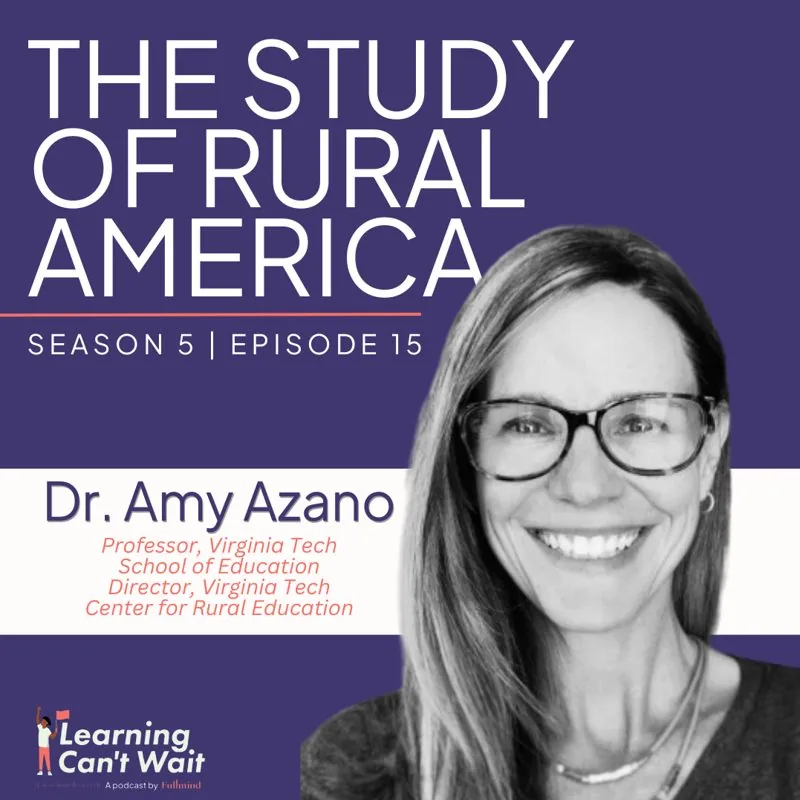 Amy Azano: Rural Education, Equity in Education, Virginia Tech Center for Rural EducationJuly 9, 2024 · Amy Azano
 Jeff Livingston: School Funding, Equity in Education, Rural Education, E-Rate FundingApril 3, 2025 · Jeff Livingston
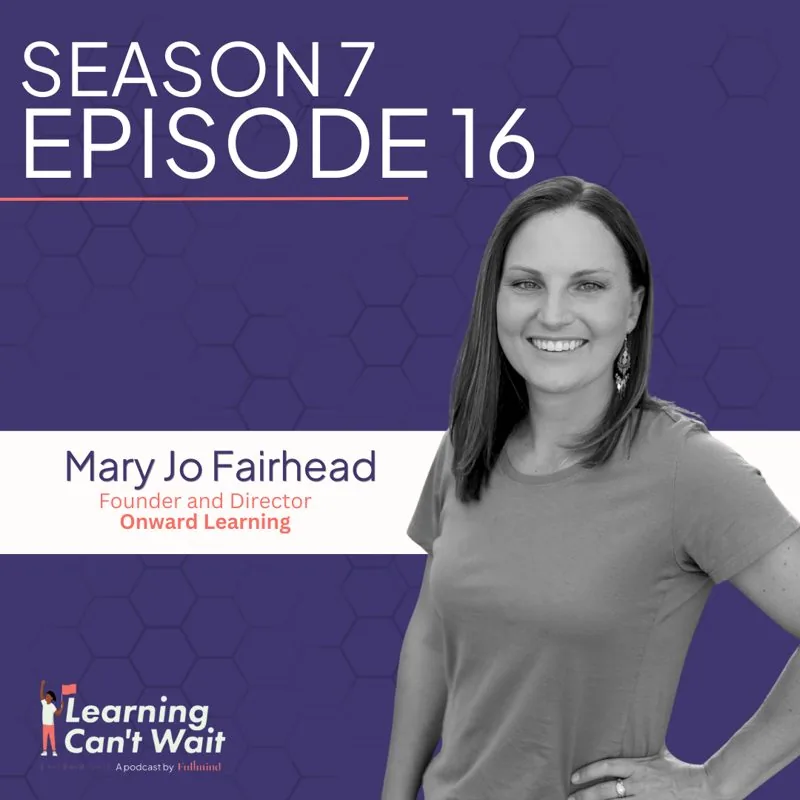 Mary Jo Fairhead: Onward Learning, Rural Education, Student-Centered LearningApril 8, 2025 · Mary Jo Fairhead
Alabama on the podcast
Episodes with Alabama connections
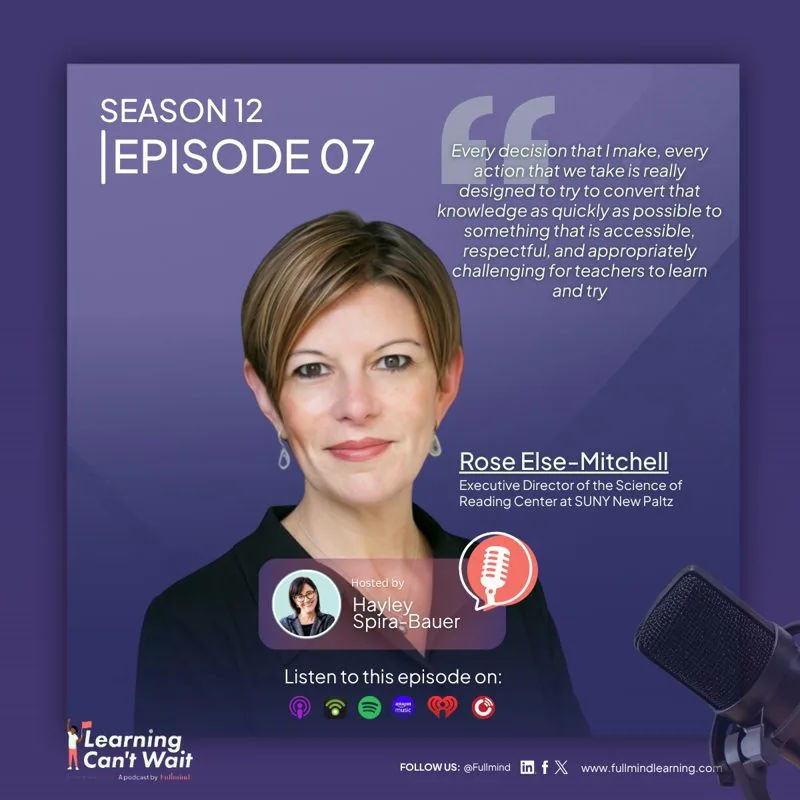 Rose Else-Mitchell: Science of Reading, Implementation Science & Literacy InstructionAugust 18, 2026 · Rose Else-Mitchell
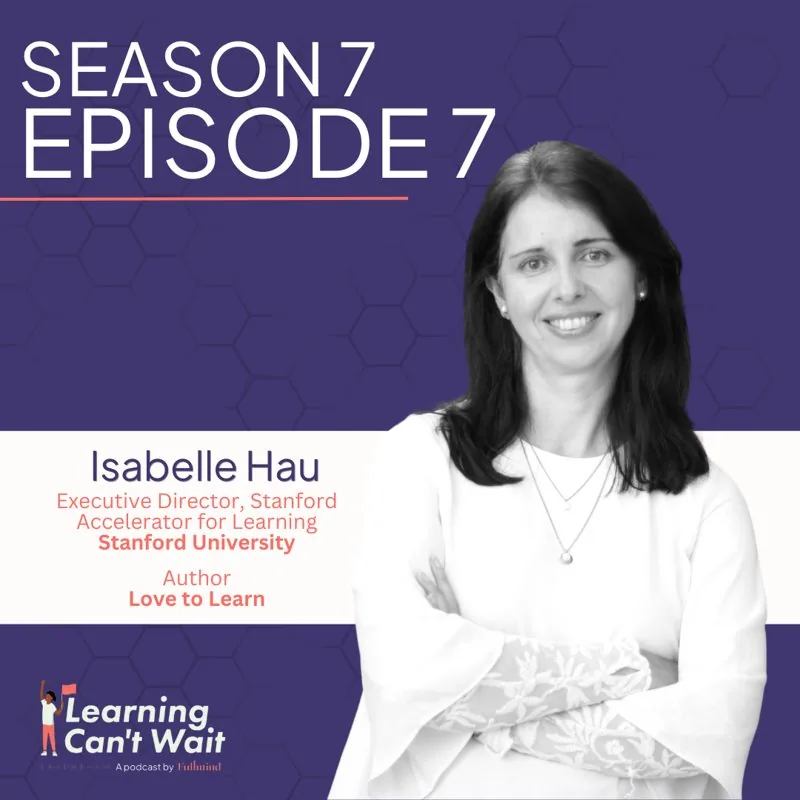 Isabelle Hau: Love to Learn, AI in Education, Play in EducationFebruary 18, 2025 · Isabelle Hau
For Education Leaders
Get proven strategies and expert analysis from the host of the Learning Can't Wait podcast, delivered straight to your inbox.


















































































How can we help? Let’s connect.
Tell us what you need. It takes about a minute, and you’ll see the next steps right away.
We’ll reach out within one business day
An education consultant talks through your students, schedule and goals.
Get a plan for your district
A plan built around your needs and budget.
Thanks! Our team will reach out within one business day to set up a time that works for you.
Need help sooner? Book a time now
Your one-pagers
Matched to what you told us. They download as one PDF.
Every child deserves the opportunity to access exceptional education.