Connect with the Fullmind Team

For Education Leaders
Get proven strategies and expert analysis from the host of the Learning Can't Wait podcast, delivered straight to your inbox.
Test Prep Programs
Raise Scores, Lower Stress
- Customized state-aligned prep plans
- Flexible virtual delivery
- Measurable gains + teacher PD
Arizona Exam Prep: A Complete Guide for Schools, AzM2 & AIMS
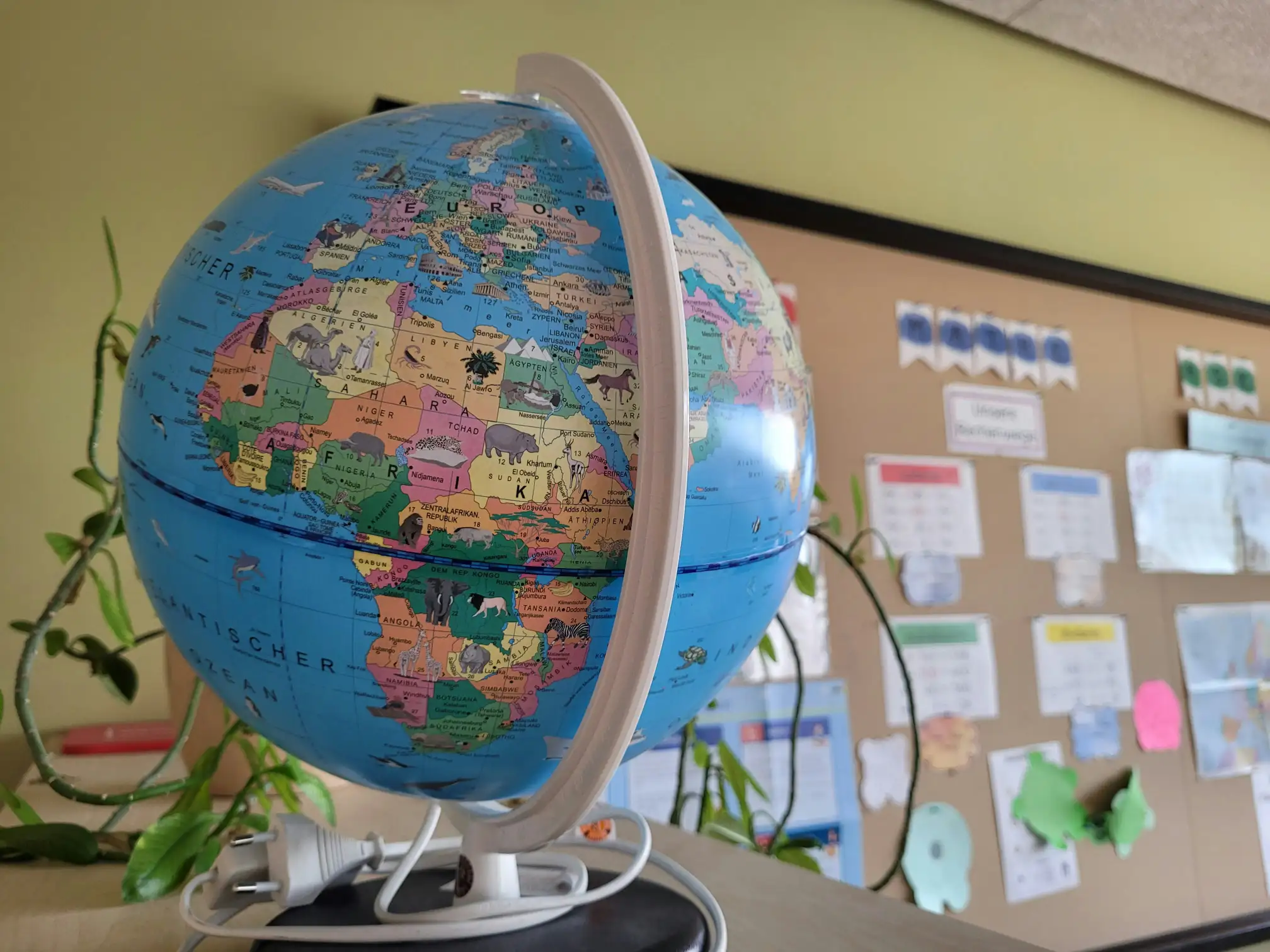
Standardized testing is important in Arizona's education system,landscape. It measures student progress and school accountability. These assessments provide insights into students' mastery of essential skills and knowledge, while helping educators identify areas needing support. For Arizona schools seeking to maximize student success, access to comprehensive Arizona exam prep resources is necessary.
This guide outlines resources to help Arizona schools prepare students for state assessments. We explore the options available to educators, administrators, and families, from free materials offered by the Arizona Department of Education to specialized tutoring programs. Whether you need subject-specific materials, online platforms, or teacher support tools, this resource will help you identify solutions for your school's needs.
Fullmind offers live, certified teachers for all subjects and learner needs. It offers virtual educational solutions to complement your exam preparation.
Overview of Arizona State Standardized Tests
Arizona schools administer standardized assessments to measure student proficiency and inform instructional decisions. Understanding these tests is key for developing effective preparation strategies.
AzM2 (Arizona Measures of Academic Progress) is the primary assessment for English Language Arts (ELA) and Mathematics. This computer-based test is administered annually to students in grades 3-8 and high school, measuring student progress toward mastery of Arizona's English Language Arts and Mathematics standards. The AzM2 assessment provides detailed performance data that helps teachers tailor instruction to meet individual student needs. Like other state assessment systems, including Vermont assessment preparation strategies, effective test preparation requires comprehensive planning and targeted instructional approaches.
AIMS Science (Arizona's Instrument to Measure Standards Science) evaluates student understanding of science concepts and practices. This assessment aligns with Arizona Science Standards and measures proficiency in physical science, life science, earth and space science, and engineering design.
AzSCI is Arizona's alternate science assessment for students with significant cognitive disabilities who cannot participate in the general AIMS Science assessment, even with accommodations. It measures achievement of academic standards while providing appropriate testing conditions for diverse learning needs.
These assessments serve multiple purposes. They measure student proficiency against state standards, inform classroom instruction, evaluate school and district performance, and ensure accountability to students, families, and communities. The results help educators identify students needing additional support or enrichment, making these tests useful tools for educational improvement instead of evaluation measures.
Exam Prep Programs for Schools
Effective exam preparation programs go beyond test-taking practice to build content knowledge and assessment skills. Arizona schools have access to various preparation programs, each offering advantages for different student populations and learning environments.
Curriculum-integrated programs weave test preparation into regular instruction, ensuring students develop content understanding and assessment readiness throughout the year. These programs align with Arizona state standards, helping students master essential concepts while becoming familiar with assessment formats and expectations. The most effective programs use a spiral approach, revisiting concepts multiple times with increasing complexity.
Supplemental tutoring programs provide targeted support for students needing help mastering specific skills or concepts. These programs can be delivered in-person or virtually, offering flexibility for schools with varying resources and student needs. High-dosage tutoring, which provides frequent, intensive support, has shown strong results for academically behind students.
Workshops on test-taking strategies help students develop skills for standardized assessments. These sessions cover time management, question analysis, elimination strategies, and stress management. Combined with content knowledge, these skills can improve performance and confidence.
Data-driven approaches are essential for effective exam preparation programs. The best programs regularly assess student progress through practice tests and diagnostic assessments. They use this information to adjust instruction and target specific areas of need. This individualized approach ensures preparation efforts are focused where they can have the greatest impact.
Free and Paid Test Prep
Arizona schools can choose from a wide array of free and paid resources, each offering different levels of support. Understanding the strengths and limitations of each helps schools make informed decisions about resource allocation.
Free Resources
The Arizona Department of Education offers extensive free resources on their website, including released test items, sample questions, and detailed scoring rubrics to help teachers understand performance expectations. These materials are valuable as they represent authentic assessment content developed by the same organizations that create the actual tests.
Khan Academy offers comprehensive, standards-aligned practice materials for mathematics and some ELA concepts. Their adaptive technology personalizes learning experiences, allowing students to progress at their own pace while mastering essential skills. The platform's progress tracking helps teachers identify students needing additional support.
Many Arizona school districts offer free resources, including after-school tutoring, locally-developed study guides, and practice test sessions. These resources reflect local priorities and effectively target the specific student population.
Arizona public libraries offer free access to test prep materials, quiet study spaces, and tutoring programs. These resources can be valuable for families needing support outside of school hours.
Paid Resources
Commercial test prep companies offer comprehensive programs that include detailed curriculum guides, extensive practice materials, teacher professional development, and ongoing support throughout the school year. While these programs require financial investment, they often provide more coverage and expertise than free alternatives.
Private tutoring offers individualized support for students needing intensive intervention. These services are valuable for students with significant learning gaps or those who learn differently.
Online test preparation platforms with subscription fees provide adaptive learning, detailed analytics, and gamified elements that engage students while building skills. They offer both individual and school-wide licensing options.
The decision between free and paid resources depends on your school's needs, budget, and student population. Many successful schools use a combination of both to create comprehensive preparation programs.
Subject-Specific Prep Materials
Effective test preparation requires subject-specific approaches that address the content, skills, and assessment formats of each academic area. Arizona's state assessments evaluate distinct competencies in mathematics, ELA, and science, requiring targeted preparation strategies for each subject.
Math
Mathematics preparation for the AzM2 assessment focuses on computational fluency, conceptual understanding, and problem-solving skills across multiple domains: number operations, algebraic thinking, geometry, measurement, and data analysis. Students need exposure to various problem formats, including multiple-choice, multi-step, and constructed-response items requiring written explanations.
Effective math preparation materials include interactive manipulatives for younger students, graphing tools for advanced concepts, and real-world problem contexts that show mathematical applications. Online platforms like Khan Academy, IXL, and district-specific programs offer adaptive practice that adjusts to student skill levels.
Teachers benefit from resources that provide item analysis, misconception identification, and differentiated instruction strategies. Professional development should help educators understand the depth of mathematical thinking required by state standards and assessments.
ELA
English Language Arts preparation for AzM2 includes reading comprehension, language usage, and writing skills. Students must analyze complex texts, make inferences, evaluate arguments, and produce clear, coherent writing across genres and purposes.
Preparation materials should include diverse text types from different genres, complexity levels, and cultural perspectives. Students need practice with close reading strategies, text-dependent questions, and evidence-based writing. Vocabulary development and grammar instruction should be embedded within meaningful contexts rather than taught in isolation.
Writing preparation requires extensive practice with narrative, informative, and argumentative writing. Students need feedback on organization, development, language use, and conventions. Peer review and self-assessment tools help develop revision and editing skills.
Science
AIMS Science preparation focuses on scientific practices and content knowledge. It requires students to engage in inquiry, analyze data, and construct evidence-based explanations. The assessment covers life science, physical science, earth and space science, and engineering design principles.
Effective science preparation includes hands-on investigations, data analysis, and opportunities to construct scientific explanations. Students need practice reading and interpreting scientific texts, graphs, and diagrams. Laboratory experiences help students understand scientific processes and develop reasoning skills.
Preparation materials should integrate science and engineering practices with core ideas and cross-cutting concepts, reflecting the three-dimensional learning approach in Arizona Science Standards.
Teacher and Educator Support Tools
Teachers are crucial for effective test preparation. Providing them with support tools and professional development is essential for student success. Arizona educators need access to resources that help them understand assessment expectations, analyze student data, and implement evidence-based instructional strategies.
Professional development workshops on test preparation help teachers understand state standards and assessments. These sessions should cover unpacking standards, analyzing assessment items, developing formative assessments, and using data to guide instruction. The most effective professional development is ongoing and provides collaboration and reflection opportunities.
Curriculum mapping tools help teachers align instruction with state standards and assessment expectations. They help educators logically sequence learning experiences, identify essential concepts and skills, and ensure comprehensive content coverage. Digital tools can facilitate collaboration among teachers and provide easy access to shared resources.
Data analysis tools enable teachers to examine student performance, identify learning gaps, and track progress. They should provide actionable insights to inform instructional decisions and help differentiate instruction based on student needs. Training on data interpretation and application is important for maximizing the tools’ value.
Collaborative planning time allows teachers to share best practices, develop common assessments, and create consistent test preparation approaches across classrooms and grades. Schools that prioritize this planning often see improved student outcomes because teachers learn from each other's expertise and experiences.
Online and Digital Test Prep Platforms
Digital platforms have revolutionized test preparation by providing personalized, adaptive learning experiences to meet diverse student needs while offering detailed progress data. These platforms offer advantages including accessibility, individualization, immediate feedback, and comprehensive data tracking.
Adaptive learning platforms adjust difficulty based on student responses, ensuring each student works at an appropriate challenge level. Programs like Khan Academy, IXL, and Edgenuity provide thousands of practice problems that adapt to performance, helping build confidence while addressing skill gaps. These platforms include video tutorials, step-by-step guidance, and multiple practice opportunities.
Test simulation software provides authentic assessment experiences that help students become familiar with computer-based testing formats, navigation tools, and time constraints. These simulations reduce test anxiety by offering multiple practice opportunities in low-stakes environments while building necessary technological skills.
Online tutoring platforms connect students with certified teachers for individualized instruction and support. They include features like virtual whiteboards, screen sharing, and recorded sessions. The flexibility of online tutoring makes it accessible to students regardless of location or scheduling constraints.
Gamified learning apps engage students through interactive experiences that build skills while maintaining motivation. These platforms use points, badges, leaderboards, and storylines to make learning engaging. While games alone are insufficient for test preparation, they can supplement traditional instruction.
Schools should consider alignment with state standards, accessibility for students with disabilities, data privacy protections, and integration with existing technology. Professional development for teachers on platform usage and data interpretation is essential for successful implementation.
Parent and Student Resources
Family involvement significantly impacts student academic success. Providing parents and students with appropriate resources improves test preparation. Arizona families need access to information, strategies, and materials that support home learning while reducing test-related anxiety.
Study guides and practice tests help families understand assessment expectations and provide practice opportunities. The Arizona Department of Education offers family guides that explain test formats, sample questions, and strategies for supporting student learning. These materials should be available in multiple languages to serve Arizona's diverse population.
Websites and online resources offer tips for effective test preparation, stress management, and supportive home learning environments. Resources should address common concerns like test anxiety, time management, and maintaining motivation.
Parent workshops help families understand their role in supporting student learning and provide practical home support strategies. Topics should include creating study environments, establishing homework routines, communicating with teachers, and understanding assessment results. Workshops can be offered in-person or virtually to accommodate different family schedules and preferences.
Information about test accommodations and accessibility ensures families understand options for students with disabilities or special needs. Clear communication about accommodation processes, eligibility, and available support helps families advocate for their children.
Students benefit from self-advocacy training that helps them understand their learning needs, communicate with teachers about challenges, and take ownership of their academic progress. Teaching students to set goals, monitor progress, and seek help builds essential life skills beyond test preparation.
Special Needs and Accommodations
Arizona schools must ensure students with disabilities have appropriate access to state assessments while maintaining test validity and reliability. This requires careful planning, individualized decision-making, and comprehensive support systems.
The Individualized Education Program (IEP) process determines accommodations for students with disabilities. The IEP team based on the student's needs, accommodations used during regular instruction, and potential impact on assessment validity. Common accommodations include extended time, small group testing, assistive technology, and alternative response formats.
Available accommodations include presentation accommodations (how information is presented), response accommodations (how students demonstrate knowledge), timing accommodations (changes to testing duration or schedule), and setting accommodations (changes to the testing environment). Each accommodation must be justified based on student need and documented in the educational plan.
Assistive technology is crucial for students with disabilities. This may include screen readers for visually impaired students, speech-to-text software for writing difficulties, or alternative keyboards for physically disabled students. Schools must ensure students are familiar with these tools before assessments.
Alternate assessments are for students with significant cognitive disabilities who cannot participate in general assessments even with accommodations. Arizona's alternate assessment measures achievement of academic standards through modified formats and expectations while maintaining meaningful academic challenge.
Preparing students with special needs requires individualized approaches for content knowledge and test-taking skills, accommodating specific learning characteristics. This preparation should occur throughout the school year, not just before testing.
State Guidelines and Policies
The Arizona Department of Education establishes guidelines and policies for state assessment administration, preparation practices, and accountability measures. Understanding these requirements is essential for schools to ensure compliance while implementing effective preparation programs.
Assessment administration policies cover testing schedules, security procedures, accommodation protocols, and makeup testing. Schools must follow strict guidelines to maintain assessment validity and ensure fair testing conditions. These policies are updated regularly to address new challenges and incorporate best practices.
Ethical guidelines for test preparation distinguish between appropriate and integrity-compromising practices. Schools may engage in instruction aligned with state standards, provide practice with similar item formats, and teach general test-taking strategies. However, practices such as teaching specific test items, providing answers during testing, or focusing exclusively on test content are inappropriate and potentially harmful to student learning.
The Arizona Department of Education provides guidance documents, training materials, and support resources to help schools implement assessment practices. These materials are available on the department's website and are regularly updated.
Accountability measures use assessment results and other indicators to evaluate school and district performance. Understanding how assessment results are used in accountability calculations helps schools focus improvement efforts while maintaining balanced educational programs that address all aspects of student development.
Local and Community Support Programs
Arizona communities offer programs and resources to supplement school-based test preparation efforts. These programs and resources provide additional support for students and families who need assistance.
Tutoring centers in Arizona offer individualized and small-group instruction in core subjects. They employ certified teachers and offer flexible scheduling. Many specialize in test preparation and provide support for students needing intensive intervention.
After-school programs run by schools, community centers, and youth organizations often include academic support components that reinforce classroom learning and provide additional practice. These programs are valuable for students without access to academic support at home.
Non-profit organizations like Boys and Girls Clubs, YMCA programs, and community educational organizations often provide free or low-cost tutoring and academic support. These programs may offer specialized services for specific populations, such as English language learners or low-income students.
Public libraries are important community resources. They provide quiet study spaces, computer access, educational materials, and tutoring programs. Many offer homework help and test preparation workshops led by volunteers or staff.
Community partnerships between schools, local businesses, universities, and service organizations can provide additional resources and support for student learning. These partnerships may include mentoring programs, scholarship opportunities, or volunteer tutoring initiatives.
Sometimes, higher education institutions offer test preparation programs or tutoring services open to community members, providing access to specialized expertise and resources not available in smaller school districts.
FAQ
What are the Arizona standardized exams testing schedules?
Arizona state assessments are administered in the spring, with specific testing windows varying by grade level and subject. AzM2 testing occurs between March and May, while AIMS Science follows a similar schedule. Schools receive detailed testing calendars from the Arizona Department of Education with exact dates and requirements.
How can schools access funding for test prep resources?
Arizona schools can use various funding sources, including Title I funds for schools with high percentages of economically disadvantaged students, federal grants for academic improvement, state funds for instructional materials, and local budgets. Schools should consult their district business office and the Arizona Department of Education for guidance on allowable uses of funding sources.
Are there bilingual resources for Arizona students?
The Arizona Department of Education provides assessment materials and preparation resources in Spanish for eligible students. English language learners may qualify for specific testing accommodations, such as extended time or bilingual dictionaries. Schools should work with ELL coordinators to identify resources and supports for multilingual students.
What support is available for schools with consistently low test scores?
Arizona offers support mechanisms for schools that underperform on state assessments. These mechanisms include additional funding, technical assistance from the state department, access to specialized professional development, and partnerships with high-performing schools. The state's school improvement framework provides structured support for developing and implementing effective improvement plans.
How do accommodation decisions affect test validity?
Accommodations are designed to provide access for students with disabilities while maintaining assessment validity. The IEP or 504 team must consider whether each accommodation addresses the student's specific disability-related need without altering what the test measures. Proper accommodation selection ensures test results accurately reflect student knowledge and skills, not the impact of their disability.
Conclusion
Success on Arizona state assessments requires comprehensive preparation beyond test practice to encompass deep learning, skill development, and strategic support for all students. This guide outlines the Arizona exam prep resources that provide a foundation for developing effective, multifaceted preparation programs that address diverse student needs while maintaining focus on meaningful learning outcomes.
Effective test preparation combines curriculum-aligned instruction, targeted tutoring, family engagement, technology integration, and specialized support for unique student needs. By combining these elements thoughtfully and consistently, Arizona schools can help students confidently demonstrate their knowledge and skills while building a foundation for continued academic success.
For Education Leaders
Get proven strategies and expert analysis from the host of the Learning Can't Wait podcast, delivered straight to your inbox.