Connect with the Fullmind Team

For Education Leaders
Get proven strategies and expert analysis from the host of the Learning Can't Wait podcast, delivered straight to your inbox.
Homebound Support
Fullmind's homebound instruction gives students who can't attend school in person live lessons from a certified educator, following your curriculum so they return without falling behind.
Wyoming Homebound Instruction Laws: For School Administrators

Homebound instruction provides educational services for students unable to attend traditional schools due to medical conditions, mental health challenges, or other qualifying circumstances. In Wyoming, school administrators ensure these students receive appropriate education while navigating legal requirements and resource allocation.
This guide provides Wyoming school administrators with information about homebound laws and resources, including eligibility criteria, application processes, and implementation practices. As virtual learning options expand, understanding the legal framework surrounding homebound instruction is important for compliance and serving student needs.
Administrators must balance legal obligations with practical implementation in special education and homebound services. This guide is a resource for district leaders committed to educational equity.
Overview of Homebound Services in Wyoming
Wyoming’s homebound services provide educational continuity for students unable to attend school due to medical conditions, mental health issues, or other qualifying circumstances. These services ensure students maintain academic progress while addressing their health and learning needs outside the traditional classroom.
Homebound instruction mainly serves students with documented medical conditions that prevent school attendance. This includes those recovering from surgery, managing chronic illnesses, dealing with mental health crises, or facing other health-related barriers. The program extends to students with disabilities requiring specialized educational environments as part of their individualized education plan. For families navigating these circumstances, our comprehensive homebound schooling guide provides detailed insights into eligibility requirements, implementation strategies, and educational planning considerations.
Wyoming's homebound services operate within state regulations and federal mandates. It ensures compliance with the Individuals with Disabilities Education Act (IDEA) and other federal special education laws. This approach provides protections while allowing state-specific implementation strategies, including virtual homebound instruction options, that address Wyoming's unique geographical and demographic challenges.
Individualized Education Programs (IEPs) determine homebound service delivery for students with disabilities. These legally binding documents outline specific educational goals, accommodations, and service delivery methods tailored to each student's needs, similar to how Oregon's homebound instruction laws establish clear frameworks for educational service provision.
Wyoming Laws for Homebound Education
Wyoming's homebound education framework. This statute outlines the state's commitment to providing educational services for all students, including those unable to attend traditional schools. It works with Wyoming Department of Education regulations that specify implementation requirements and quality standards for homebound programs.
The state's approach aligns with federal requirements under the Individuals with Disabilities Education Act (IDEA), ensuring students with disabilities receive Free Appropriate Public Education (FAPE) regardless of location or medical circumstances. Wyoming Statute § 21-2-301 reinforces these protections by establishing procedural safeguards for students needing alternative educational placements.
Wyoming regulations require homebound instruction to provide appropriate educational services. The instruction is based on individual student needs. These requirements ensure homebound students receive substantial educational contact while accommodating their medical limitations.
District accountability measures include regular progress monitoring, quarterly reporting to the Wyoming Department of Education, and annual evaluation of homebound program effectiveness. Schools must maintain detailed records of instruction hours, student progress, and service delivery methods to demonstrate compliance with state and federal requirements.
Eligibility Criteria for Homebound Status in Wyoming
In Wyoming, eligibility for homebound status is determined through a comprehensive evaluation process considering medical, educational, and individual factors. Each case receives individual assessment to ensure appropriate placement and service delivery.
Medical Necessity is the primary eligibility criterion, encompassing conditions that prevent regular school attendance for extended periods. Examples include:
- Students recovering from major surgery requiring extended healing periods
- Children with chronic illnesses like cancer, severe asthma, or immune system disorders
- Students with temporary serious injuries limiting mobility or requiring specialized medical equipment
- Individuals with contagious conditions posing health risks to the school community
Another significant eligibility category is Mental Health Conditions, recognizing that psychological and emotional challenges can create barriers to traditional school attendance. Qualifying conditions include:
- Severe anxiety disorders preventing classroom participation
- Depression requiring intensive therapy
- Post-traumatic stress disorder affecting school environment tolerance
- Eating disorders requiring specialized medical supervision
Other Extenuating Circumstances may warrant homebound placement, including pregnancy complications, substance abuse treatment, or family situations requiring temporary educational alternatives. These situations require careful evaluation to ensure homebound placement serves the student's best educational interests.
Medical professionals play a key role in eligibility determination. They provide documentation of diagnoses, treatment plans, and homebound needs duration. Required documentation includes physician statements, treatment records, and recommendations regarding the student's ability to participate in traditional school settings. This documentation must be updated regularly to maintain homebound eligibility and ensure appropriate service continuation or transition planning.
Homebound Services Application Process
The homebound services application process begins when parents, guardians, or school personnel identify a student's need for alternative educational placement. Families typically initiate this process, though school administrators may recommend homebound evaluation when warranted.
The process includes these steps:
- Contacting the School: Parents or guardians should contact the school's special education director or student services coordinator to discuss their child's situation and potential homebound needs. This conversation helps determine if homebound services are an appropriate educational option and begins the formal evaluation process.
- Submitting Documentation: Required documentation includes comprehensive medical records, physician statements specifying the medical necessity for homebound placement, anticipated service duration, and any specific educational accommodations or limitations. Educational records, including current IEPs or 504 plans, must also be provided to ensure continuity of services.
- IEP Team Meeting (if applicable): For students with existing IEPs, the IEP team must evaluate homebound placement appropriateness and modify the student's educational program. This meeting includes parents, special education staff, general education teachers, and related service providers.
- Evaluation and Approval: The school district's evaluation team reviews all documentation, consults medical professionals as needed, and determines homebound eligibility. This process typically takes 10-15 business days, though emergencies may receive expedited review.
Application processing timelines vary based on documentation completeness and individual circumstances, but districts must respond to homebound requests within reasonable timeframes to prevent educational disruption. Families can appeal denial decisions through the district's dispute resolution process, including mediation and due process procedures when applicable.
Homebound Education Programs in Wyoming
Wyoming school districts offer homebound education programs to meet diverse student needs. These programs typically have certified teachers providing direct instruction in core subjects, with additional support services based on individual student requirements and IEP specifications.
Traditional homebound programs rely on district-employed certified teachers who travel to students' homes or alternative locations for face-to-face instruction. These educators work closely with classroom teachers to ensure curriculum alignment and maintain academic progress toward grade-level standards and graduation requirements.
Fullmind offers live, certified teachers for all subjects and learner needs, with a flexible curriculum tailored to school and district requirements. As a leading provider of certified virtual educators and customized learning solutions, Fullmind offers Wyoming districts scalable options for homebound instruction that address staffing challenges while maintaining high educational standards.
Virtual and hybrid models are popular. They combine live online instruction with recorded lessons, interactive assignments, and regular check-ins with certified educators have become popular. They offer flexibility for students with medical needs while ensuring consistent educational access and progress monitoring.
Many districts incorporate related services like speech therapy, occupational therapy, and counseling into their homebound programs. This ensures comprehensive support for students with disabilities or complex medical conditions. These services may be delivered through telepractice or in-person visits, depending on student needs and safety.
Rights and Protections for Homebound Students
Homebound students in Wyoming have legal rights and protections under state and federal laws, ensuring equal access to quality education regardless of their location or medical circumstances. These protections stem from the Individuals with Disabilities Education Act (IDEA) and Section 504 of the Rehabilitation Act.
The right to a Free Appropriate Public Education (FAPE) protects homebound students. It guarantees access to educational services that meet individual needs at no cost to families. This right includes related services, assistive technology, and specialized accommodations for educational progress.
Students receiving homebound services retain all rights to educational accommodations and modifications in their IEPs or 504 plans, with additional protections against discrimination based on disability or medical condition. Schools must ensure that homebound placement does not result in reduced educational opportunities or lower academic expectations compared to traditional classrooms.
Communication and collaboration between schools, students, and families are essential for rights protection. Regular meetings, progress reviews, and transition planning are required for educational continuity. Parents retain full participatory rights in educational decision-making, including the ability to request program modifications, additional services, or placement changes as student needs evolve.
Resources for Homebound Individuals in Wyoming
Wyoming offers resources for homebound students and their families. These resources range from state agencies to local organizations and online educational platforms. They address the educational, medical, and social needs of homebound learners.
State Agencies:
- Wyoming Department of Education, Special Programs Unit: (307) 777-7414, edu.wyoming.gov
- Wyoming Department of Health, Developmental Disabilities Division: (307) 777-7115
- Wyoming Assistive Technology Program: (307) 766-2084, wind.uwyo.edu/atp
- Wyoming Parent Information Center: (307) 684-2277, wpic.org
Support Organizations:
- Wyoming Disabilities Advocacy Coalition: Provides advocacy and legal support
- Family Support Groups: Local chapters offering peer support and resource sharing
- Wyoming Special Olympics: Adaptive recreation and social opportunities
Online Resources:
- Wyoming Virtual Academy: Online curriculum and course options
- Khan Academy: Free educational content for all grade levels
- Wyoming State Library: Digital resources and online research databases
- National Center for Learning Disabilities: Educational strategies and advocacy resources
Assistive Technology resources include equipment lending libraries, training programs, and technical support services to increase educational access and independence for students with disabilities. These resources are available through regional centers and can be incorporated into homebound instruction programs.
Support for Families of Homebound Individuals
Families of homebound students face challenges beyond educational concerns, including emotional, financial, and logistical difficulties. Wyoming recognizes these challenges and provides support services to strengthen family capacity and resilience during difficult periods.
Community mental health centers, private providers, and school-based programs offer counseling and mental health services. These services address the homebound student's emotional needs and provide family therapy, sibling support, and parent counseling to help families navigate the stress and uncertainty of medical or educational crises.
Respite care services provide temporary relief for caregivers. This allows parents and family members to attend to personal needs, work obligations, or take necessary breaks from intensive caregiving. These services are available through the Wyoming Department of Health and community organizations.
Parent training programs offer education and skill development in educational advocacy, medical care coordination, behavior management, and accessing community resources. The Wyoming Parent Information Center provides comprehensive training for families of children with disabilities or special needs.
Various sources may provide financial assistance, Medicaid waivers, Social Security disability benefits, and local charities. School districts can provide information and referrals to help families access financial support resources.
Challenges and Limitations in Wyoming Homebound Services
Wyoming's vast geography and sparse population create challenges for homebound service delivery, particularly in rural and frontier areas with limited qualified personnel and substantial travel distances. These geographical barriers can reduce service frequency, complicate recruitment of qualified teachers, and raise per-student costs for program implementation.
Funding constraints represent another significant challenge. Homebound services typically require higher per-student expenditures than traditional classroom instruction. Limited state and local budgets may restrict the scope and quality of services available, particularly for students needing intensive support or specialized equipment.
Technology limitations in rural areas can impair virtual learning options, creating equity concerns for students who might benefit from online instruction but lack reliable internet access or devices. This digital divide affects low-income families lacking resources to upgrade their technology.
Virtual learning expansion offers promising solutions to these challenges by reducing geographical barriers, providing access to specialized educators, and creating flexible service delivery options. Increased state investment in technology infrastructure, teacher training, and program development could improve homebound service quality and accessibility across Wyoming.
Improved coordination between state agencies, healthcare providers, and educational institutions could address service gaps and reduce bureaucratic barriers that delay homebound service delivery.
Comparison with Federal and Neighboring State Laws
Wyoming's homebound instruction laws align closely with federal IDEA requirements, ensuring students with disabilities receive appropriate educational services regardless of placement. The state's emphasis on individualized service delivery and comprehensive evaluations reflects best practices in federal special education law.
Wyoming's approach to determining appropriate instruction hours meets federal guidelines by focusing on individual student needs rather than prescriptive minimums. This demonstrates the state's commitment to educational quality for homebound students.
Wyoming's approach is similar to Colorado and Montana, particularly in eligibility criteria and service delivery models. Colorado offers more virtual learning options and has invested heavily in tech infrastructure for remote instruction. Montana faces similar challenges and has developed partnerships with higher education institutions to provide specialized instruction in rural areas.
Wyoming's funding model relies more on local district resources than neighboring states that provide additional state funding for homebound services. This difference can create disparities in service quality between districts with varying financial resources.
FAQ
Q: How are homebound services funded in Wyoming?
A: In Wyoming, homebound services are funded through federal, state, and local sources. Federal funding primarily comes from IDEA grants for students with disabilities, while state funding comes through the general education funding formula. Local districts contribute through their general fund allocations and may access additional resources through grants or partnerships. The funding formula recognizes the higher per-student costs of homebound instruction and provides additional weighting for these services.
Q: What happens when a student returns to school?
A: Transitioning students back to traditional schools requires careful planning and coordination between homebound teachers, school personnel, medical providers, and families. The process begins with medical clearance from healthcare providers, followed by IEP team meetings to discuss necessary accommodations or modifications. Schools often implement gradual transition plans that might include part-time attendance, modified schedules, or continued support services to ensure successful reintegration. Regular monitoring during the transition helps identify and address challenges.
Q: Are there virtual learning options for homebound students in Wyoming?
A: Yes, Wyoming districts are increasingly using virtual learning for homebound instruction, including live online classes, recorded lessons, and interactive platforms. These options help students in rural areas or those with medical conditions that make in-person instruction challenging. Virtual learning provides access to specialized courses, certified teachers in hard-to-fill subjects, and flexible scheduling for medical treatments or therapy sessions.
Q: What is the IEP team’s role in homebound instruction?
A: The IEP team determines homebound placement appropriateness, develops educational goals, and ensures service delivery meets individual needs for students with disabilities. The team includes parents, special education teachers, general education teachers, related service providers, and school administrators who collaboratively develop and monitor the student's educational program. Regular IEP meetings ensure homebound services remain appropriate and effective as student needs evolve.
Q: How many hours of instruction are homebound students entitled to per week?
A: Wyoming doesn’t specify minimum hour requirements for homebound instruction in state statute. Instead, the appropriate amount of instruction is based on individual student needs, circumstances, educational goals, and medical recommendations. For students with disabilities, the IEP team determines the appropriate level of services, which may include intensive instruction when warranted.
Conclusion
It is essential for school administrators committed to providing equitable educational opportunities for all students. This guide outlines the legal framework, eligibility criteria, application processes, and available resources for effective homebound instruction programs.
Wyoming's commitment to serving homebound students reflects broader values of inclusion, equity, and individual success. By leveraging resources, implementing best practices, and complying with state and federal requirements, administrators can ensure homebound students receive quality education. We encourage Wyoming school administrators to utilize this information to strengthen their homebound programs and better serve vulnerable student populations.
Podcast
From the Learning Can’t Wait podcast
 Hosted by Hayley Spira-Bauer, Chief Academic Officer at Fullmind
Newest episodes
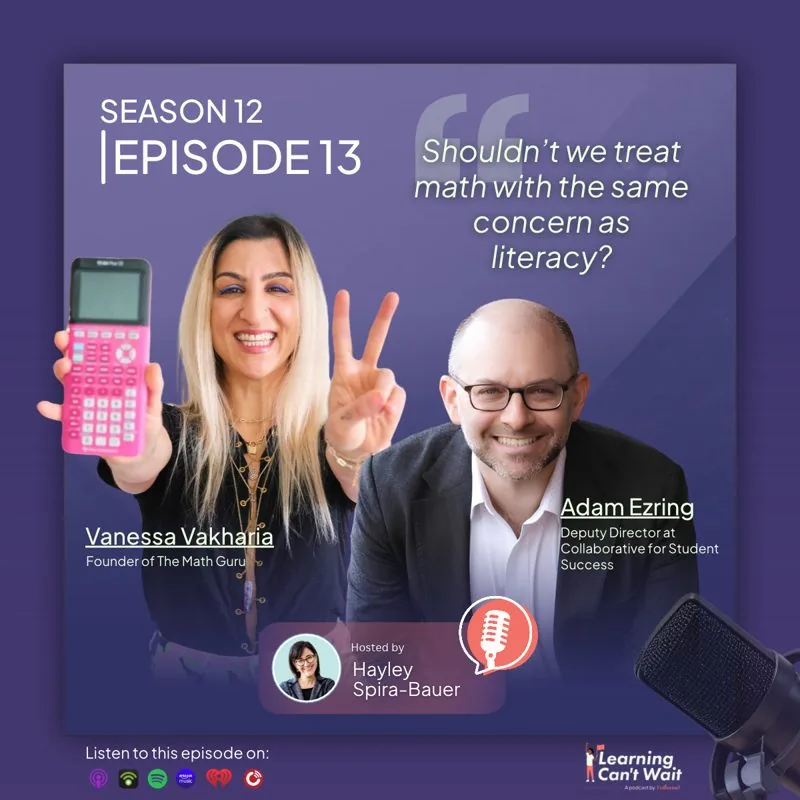 Vanessa Vakharia & Adam Ezring: Family Math, Math Confidence & Learning Through PlayOctober 13, 2026 · Vanessa Vakharia, Adam Ezring
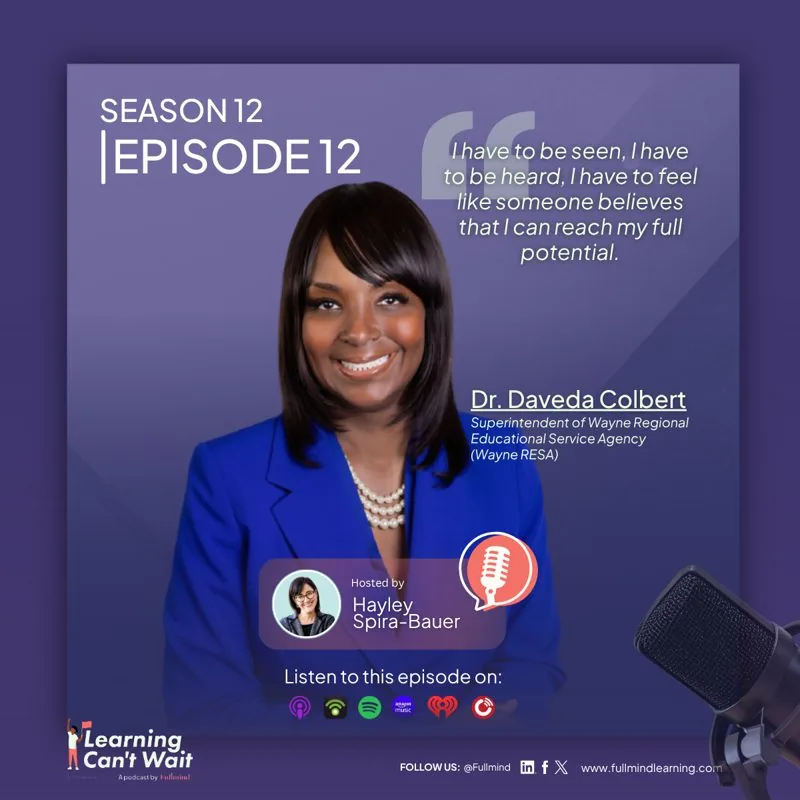 Dr. Daveda Colbert: Leadership, Belonging & ServiceOctober 6, 2026 · Dr. Daveda Colbert
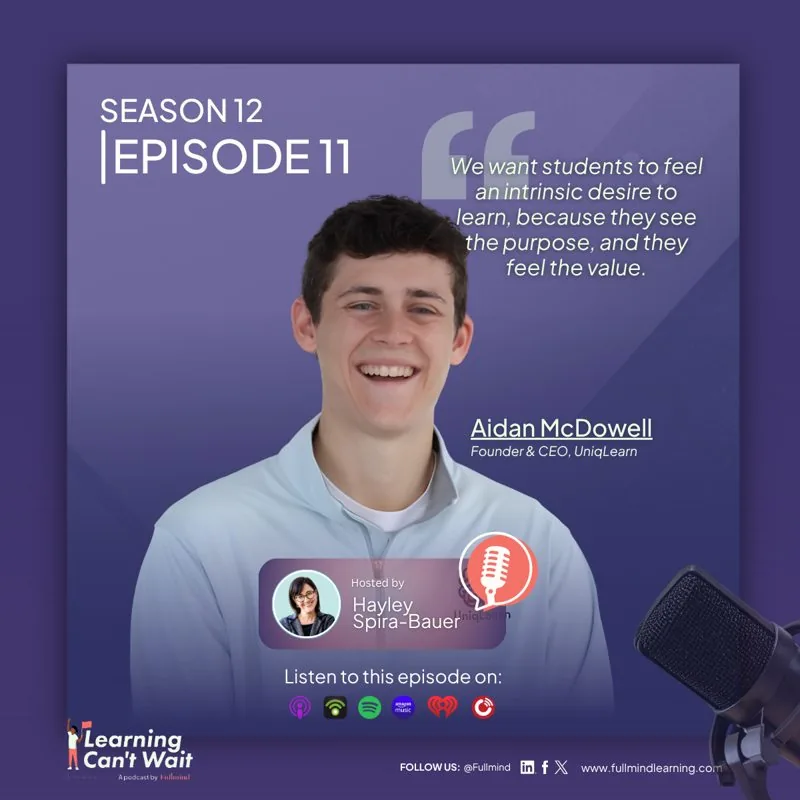 Aidan McDowell: Personalized learning, Student agency & Intrinsic motivationSeptember 29, 2026 · Aidan McDowell
For Education Leaders
Get proven strategies and expert analysis from the host of the Learning Can't Wait podcast, delivered straight to your inbox.
































































How can we help? Let’s connect.
Tell us what you need. It takes about a minute, and you’ll see the next steps right away.
We’ll reach out within one business day
An education consultant talks through your students, schedule and goals.
Get a plan for your district
A plan built around your needs and budget.
Need support? Call 1 (888) 841-7840
Thanks! Our team will reach out within one business day to set up a time that works for you.
Need help sooner? Book a time now
Your one-pagers
Matched to what you told us. They download as one PDF.
Every child deserves the opportunity to access exceptional education.