Connect with the Fullmind Team

For Education Leaders
Get proven strategies and expert analysis from the host of the Learning Can't Wait podcast, delivered straight to your inbox.
Credit Recovery
Our online credit recovery program is taught live by certified educators, helping high school students make up missing credits and graduate on time with real instruction rather than self-paced software alone.
Boost High School Graduation Rates: Student Success
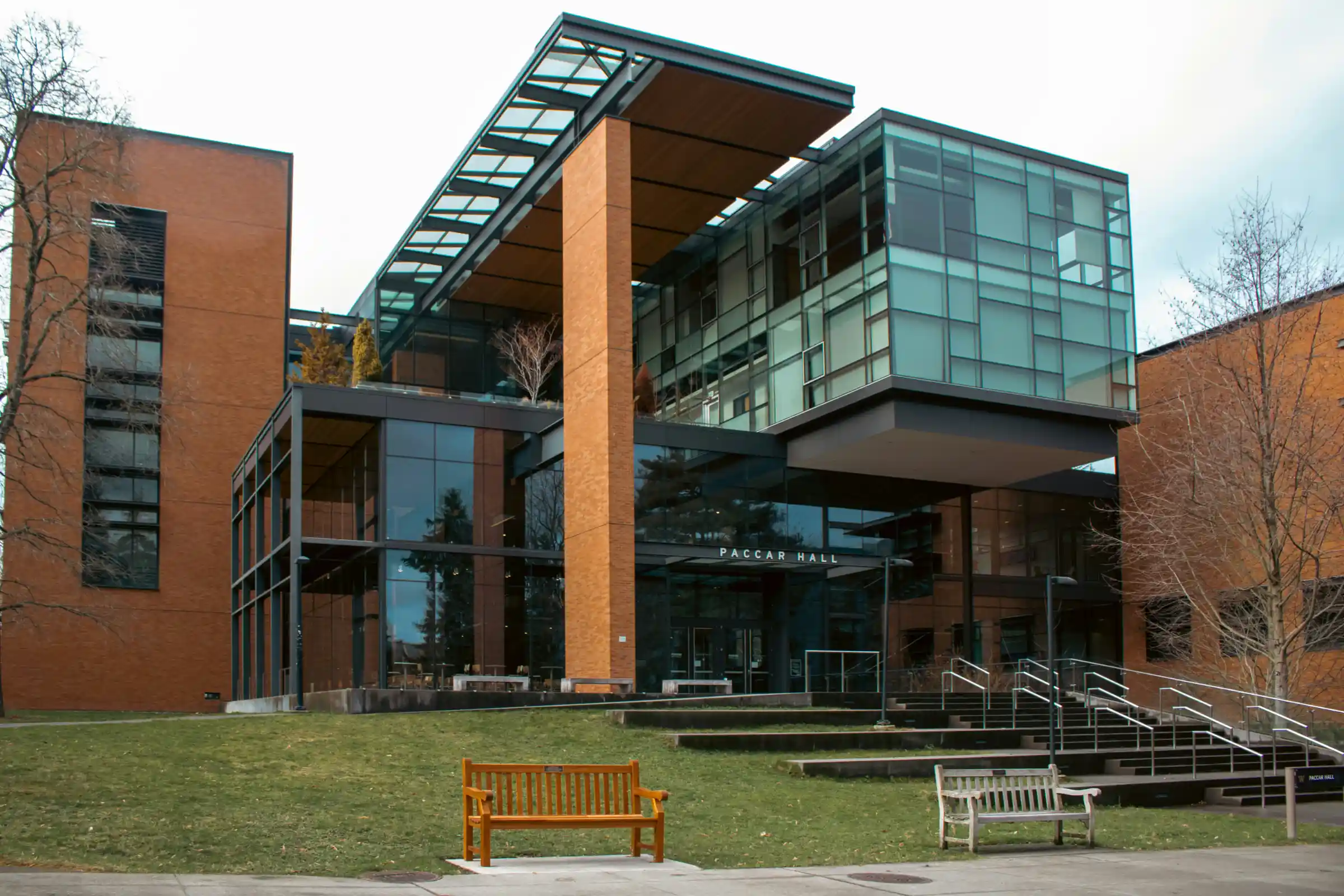
The high school diploma is a critical milestone in a student's journey, serving as a gateway to future economic opportunity and lifelong personal well-being. Academic intervention programs can help ensure more students reach this milestone, as higher graduation rates strengthen communities, reduce social service needs, and contribute to a more skilled workforce that benefits society.
According to the National Center for Education Statistics (NCES), the national Adjusted Cohort Graduation Rate (ACGR) for the 2021-22 school year was 87.3%. Despite its importance, this figure represents progress from previous decades. The gap between current rates and universal completion remains a challenge for district leaders nationwide, particularly as factors like chronic absenteeism continue to impact student outcomes. This gap represents thousands of students whose potential remains unfulfilled and futures may be compromised.
This article provides an overview of evidence-based strategies to improve high school graduation rates and close the gap. We focus on implementing effective student success programs that address the root causes of students falling off track. By understanding why students disengage and implementing targeted interventions alongside comprehensive school improvement strategies, schools can increase graduation rates and transform outcomes.
Key Factors Driving Dropout Rates
Dropout is rarely a single event but a gradual disengagement process. Effective prevention programs must address the underlying reasons students disconnect from education. Research identifies three core categories of risk factors that contribute to students leaving school before graduation:
- Academic Struggles & Skill Gaps: When students fall behind in core subjects, especially during the transition to high school, frustration and discouragement follow. Low GPAs, especially in 9th grade, and course failures in English and math predict dropout. These struggles lead many students to believe they cannot succeed in school, creating a self-reinforcing cycle of disengagement.
- Disengagement & Lack of Connection: Many students who drop out feel alienated and that "school isn't for them." The absence of a meaningful connection with a trusted adult at school increases dropout risk. This disconnection manifests as chronic absenteeism, increased behavioral incidents, and withdrawal from school activities, all warning signs preceding dropout.
- External & Socioeconomic Pressures: Non-school factors create barriers to regular attendance and academic focus. Family responsibilities, health issues, housing instability, or the need to work to support themselves or their families can force students to prioritize immediate needs over education. These pressures disproportionately affect low-income students and can make graduation seem impossible regardless of academic ability.
Effective Early Warning and Intervention System (EWIS)
An Early Warning and Intervention System (EWIS) is a data-driven framework for proactively identifying students at risk of not graduating. This approach is the first step for any targeted graduation improvement strategy, allowing schools to direct resources efficiently toward students in need through interventions like high dosage tutoring programs.
Effective systems track the "ABCs" of dropout risk. Attendance patterns are a strong indicator, with chronic absenteeism (missing 10% of school days) correlating with dropout. Behavior metrics, including disciplinary incidents and suspensions, signal disconnection from the school community and academic process. Course performance, particularly failing grades in core subjects like math and English, signals graduation risk, as failed courses impede credit accumulation necessary for graduation. Students falling behind can benefit from online credit recovery programs to regain academic standing.
The "early" in early warning is crucial. Research shows that patterns identified in middle school or during the 9th-grade transition year have strong predictive power. Intervention is far more effective and less resource-intensive before a student becomes significantly credit-deficient. Successful districts track these indicators in middle school and implement support during the first year of high school, when disengagement patterns often accelerate. For students who do fall behind, competency-based credit recovery programs provide effective pathways back to graduation.
Core Academic Improvement Strategies for At-Risk Students
Once at-risk students are identified through an EWIS, the next step is providing targeted academic support. The following four student success programs aim to get students back on track for graduation by addressing specific academic needs and learning gaps.
Targeted High-Dosage Tutoring
High-dosage tutoring is one of the most evidence-backed interventions for struggling students. Unlike traditional, sporadic tutoring sessions occurring once weekly after school, high-dosage tutoring involves intensive, consistent support (at least three times per week) from a well-trained tutor integrated into the regular school day. This approach ensures consistent attendance and maximum impact.
Research from the University of Chicago's Education Lab and other institutions shows that high-dosage tutoring can yield learning gains equivalent to 3-5 additional months of school, especially in mathematics. This approach works because it provides personalized instruction tailored to each student's skill gaps, creates a safe space for risk-taking, and builds relationships that keep students engaged. For schools seeking to rapidly address learning gaps identified by their EWIS, high-dosage tutoring represents an evidence-based strategy with demonstrated results.
Flexible Pathways in Credit Recovery Programs
Credit recovery programs provide a pathway back to graduation for students behind in credits. The field has evolved from traditional "packets" of makeup work to flexible online models that allow for self-paced, mastery-based learning tailored to individual needs.
Modern flexible credit recovery options combine technology with educator support to create personalized learning experiences. These programs are effective for over-age and under-credited students at high dropout risk. The flexibility allows students to work around external responsibilities or re-engage after absences. Successful programs balance flexibility with structure, providing regular check-ins with educators who monitor progress and provide encouragement. When implemented well, credit recovery programs can dramatically increase graduation rates by creating pathways for students who see no route to completion.
Fostering Mastery with Personalized and Competency-Based Learning
Personalized learning approaches tailor instruction to individual student needs, pace, and interests. This model moves away from the traditional one-size-fits-all classroom where students progress at the same rate regardless of understanding. Instead, personalized learning allows students to demonstrate mastery of concepts before moving on, ensuring a stronger foundation before tackling advanced material.
This approach benefits students with learning gaps. Instead of building on shaky foundations, personalized learning enables targeted skill development. Technology allows adaptive assessments to identify gaps and provide tailored learning paths. Virtual educators facilitate these journeys, providing guidance and support while allowing students to progress at their own pace. Schools implementing competency-based approaches see increased engagement as students gain confidence through mastery and connect learning to their goals and interests.
Expanding Access to Essential and Engaging Courses
Staffing shortages can limit a school's ability to offer required courses (like Physics, foreign languages, or advanced mathematics) or high-interest electives. These limitations can impede graduation when students can't access required credits or lose interest in a narrowed curriculum that doesn't match their interests or aspirations.
Virtual staffing solutions address this challenge by expanding course access regardless of local teacher availability. Schools can offer a full complement of graduation requirements, advanced college preparation courses, and engaging electives. This ensures no student misses graduation requirements due to course availability and increases engagement by connecting education to student interests and future goals.
Strategies for Engagement and Connection
Academic support alone won’t ensure graduation success. Increasing graduation rates depends on re-engaging students with the school community and making their education feel relevant to their lives beyond school.
The Power of Mentorship and Positive Relationships
Research shows that a consistent, positive relationship with at least one trusted adult at school significantly reduces dropout risk. This connection is with a teacher, counselor, coach, or formal mentor through a structured program. The critical element is trust and a sense that someone at school knows, values, and believes in the student.
Effective mentorship programs provide regular, structured check-ins focused on the student's overall well-being and goals. These relationships foster a sense of belonging and accountability that counteracts feelings of alienation. For students facing challenges outside of school, these relationships provide crucial emotional support. Many successful schools integrate mentorship into their schedule, creating advisory periods or similar structures to ensure every student has a designated adult advocate.
Making Learning Relevant with Career and Technical Education (CTE)
Career and Technical Education (CTE) pathways connect classroom learning to career goals, addressing students’ disengagement due to perceived irrelevance. Modern CTE programs offer rigorous academic content within career-focused contexts in fields like healthcare, information technology, engineering, and the arts.
This relevance motivates students who disengage from traditional academics. Research shows students in high-quality CTE programs have higher attendance, better academic performance, and increased graduation rates compared to similar peers. The application of academic concepts to real-world scenarios helps students see the purpose behind their learning, while career exploration helps them develop concrete post-graduation goals that motivate persistence.
Proactive Solutions for Chronic Absenteeism
Effective strategies for addressing chronic absenteeism move beyond punitive measures to address root causes. This begins with consistent monitoring and early intervention when attendance patterns first emerge, rather than waiting until a student has missed significant instructional time.
Successful approaches include personalized student check-ins, family outreach that builds relationships rather than assigns blame, and collaborative problem-solving to address barriers like health issues, transportation, or family responsibilities. Many districts have success with dedicated attendance management support teams that coordinate efforts, ensuring consistent tracking, communication, and intervention. These teams can implement tiered intervention systems that match support intensity to the severity of the attendance challenge, reserving resource-intensive interventions for students facing the most significant barriers.
Meeting the Needs of Diverse Learners
A one-size-fits-all approach to graduation improvement fails the most vulnerable student populations. Effective strategies must include specialized support for students with unique needs and circumstances.
Ensuring Success for Students with Disabilities (SWD)
Proper IEP fulfillment is a legal requirement and critical for graduation success for students with disabilities. This includes providing the specialized instruction, accommodations, and modifications mandated in each student's Individualized Education Program with fidelity and consistency.
Many districts struggle to hire and retain qualified special education teachers, especially in specific disability categories. Virtual special education teachers can provide compliant, high-quality services to bridge these gaps, ensuring students receive the necessary support regardless of local staffing challenges. The most effective approaches combine specialized instruction with ongoing progress monitoring and regular IEP team collaboration to adjust supports, ensuring students with disabilities have equitable opportunities to progress toward graduation.
Continuity for Homebound Students
Students who are temporarily homebound due to medical conditions, mental health needs, or other circumstances risk falling behind academically and becoming disconnected from the school community. Traditional homebound services provide minimal instructional time and limited curriculum engagement.
Live, virtual homebound instruction allows students to receive continuous, high-quality education aligned with their peers. This approach enables students to maintain connections with teachers and classmates, participate in classroom activities remotely, and progress through the curriculum at a similar pace. By preventing learning gaps and disconnection during extended absences, virtual homebound instruction helps ensure these students remain on track to graduate despite temporary inability to attend school in person.
Rethinking Discipline with Virtual Suspension Rooms
Traditional out-of-school suspension contributes to course failure and dropout, removing students from instruction when they need support and reinforcing disengagement. Virtual suspension rooms offer a modern alternative that maintains consequences while preserving educational continuity.
This approach allows students to stay current with their coursework in a supervised online environment, turning punitive time into productive time. Students receive appropriate supervision and behavioral support while continuing academic progress. This maintains the disciplinary boundary while avoiding the academic penalties of classroom removal. For districts committed to maintaining high behavioral expectations and supporting all students toward graduation, virtual suspension rooms represent a promising innovation that serves both goals.
Fullmind: Help With Implementing Graduation Rate Improvement
For districts facing budget and staffing challenges, implementing the strategies in this article can seem overwhelming. Success requires knowledge of effective practices and the capacity to implement them with fidelity and sustainability. Fullmind serves as a vendor and a strategic partner dedicated to student success, bringing specialized expertise and resources to complement your district's strengths.
Fullmind's solution suite directly addresses the key components of effective graduation improvement efforts. Whether you need a flexible credit recovery program, consistent high-dosage tutoring with certified teachers, IEP fulfillment with specialized virtual educators, or a solution for chronic absenteeism, Fullmind provides the certified personnel and tailored programs to fill your district's gaps. This integrated approach allows coordinated implementation across multiple strategies, creating a cohesive support system instead of disconnected initiatives.
Improving your high school graduation rate is critical. Let us show you how our student success programs can help. Contact the Fullmind team to learn how we partner with over 600 districts to build customized solutions for achievement.
Conclusion
Increasing graduation rates requires a multi-faceted approach that combines data-driven identification (EWIS), rigorous intervention (tutoring, credit recovery), and compassionate support addressing the whole child's needs. No single strategy will work for every student, but a comprehensive support system can improve outcomes for all students, especially those at risk.
Helping every student graduate is not just an educational obligation but a commitment to equity and opportunity. Each diploma represents a life with expanded possibilities. By implementing the strategies in this guide, schools and districts can transform futures while strengthening their communities, one graduate at a time.
Podcast
From the Learning Can’t Wait podcast
 Hosted by Hayley Spira-Bauer, Chief Academic Officer at Fullmind
Newest episodes
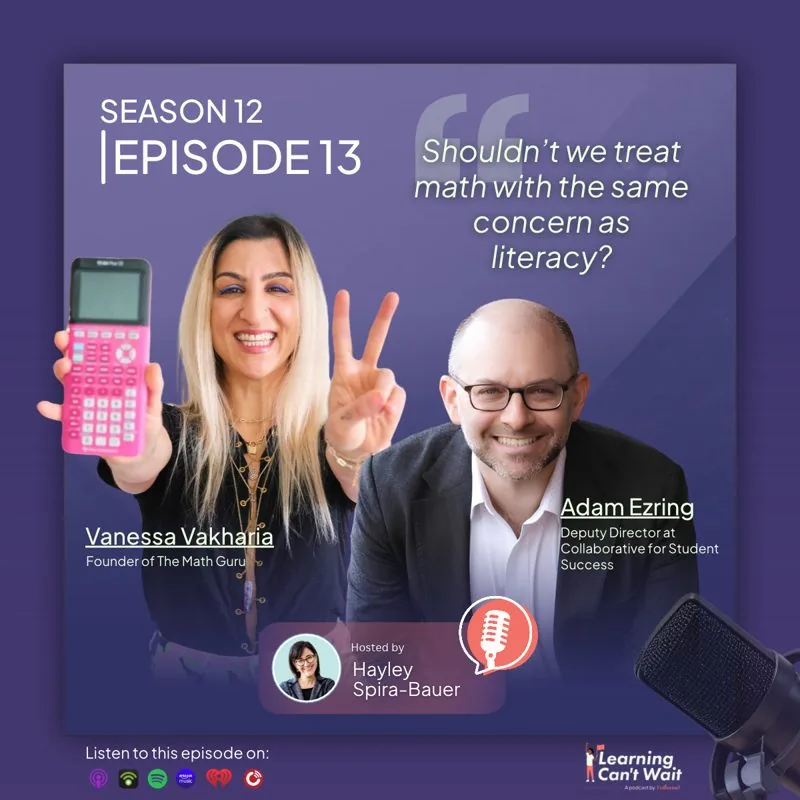 Vanessa Vakharia & Adam Ezring: Family Math, Math Confidence & Learning Through PlayOctober 13, 2026 · Vanessa Vakharia, Adam Ezring
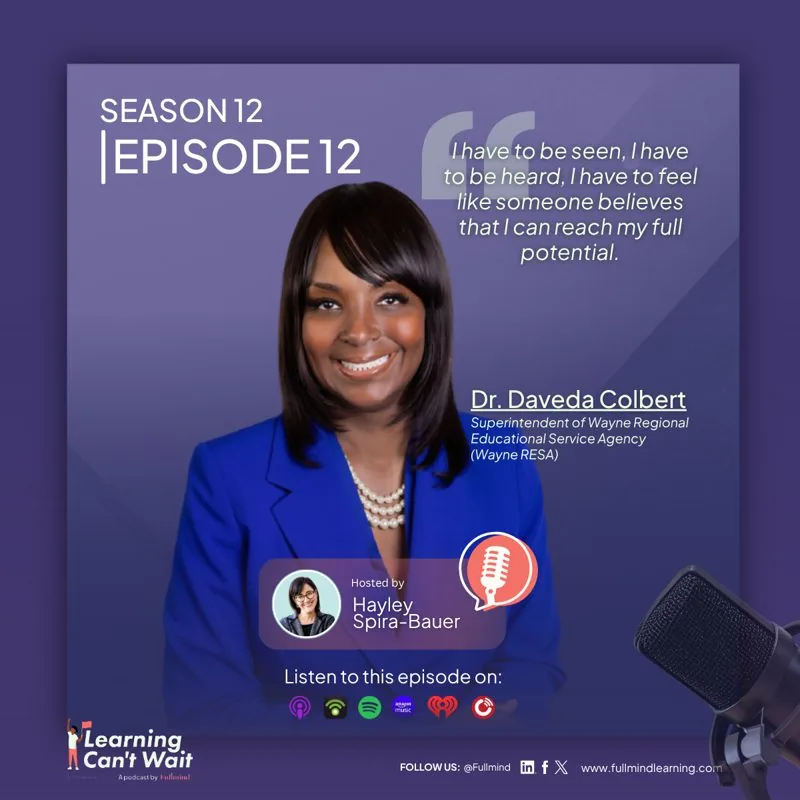 Dr. Daveda Colbert: Leadership, Belonging & ServiceOctober 6, 2026 · Dr. Daveda Colbert
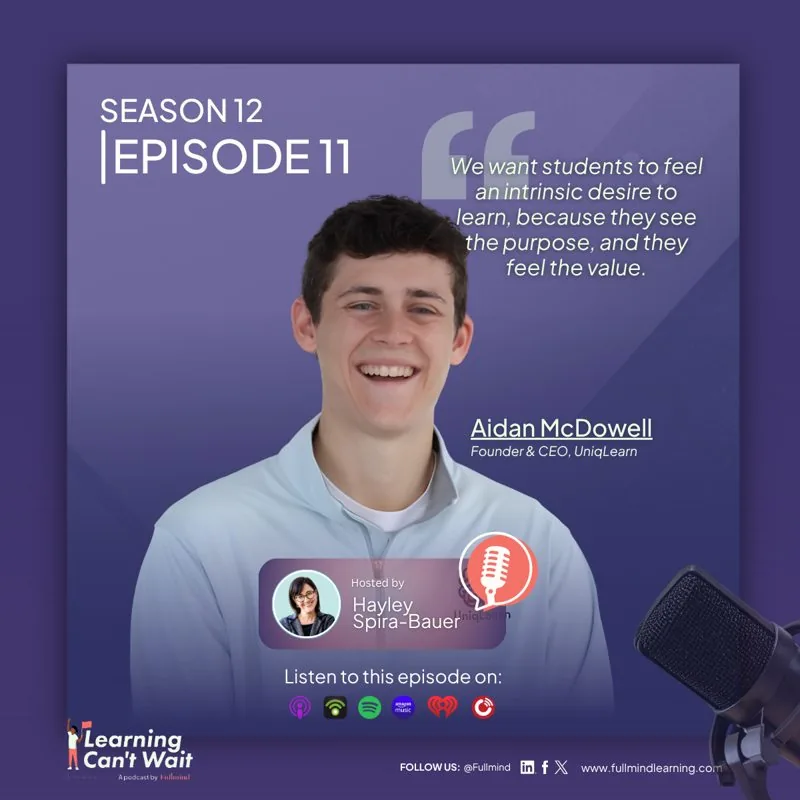 Aidan McDowell: Personalized learning, Student agency & Intrinsic motivationSeptember 29, 2026 · Aidan McDowell
For Education Leaders
Get proven strategies and expert analysis from the host of the Learning Can't Wait podcast, delivered straight to your inbox.





















































How can we help? Let’s connect.
Tell us what you need. It takes about a minute, and you’ll see the next steps right away.
Meet an education consultant
Talk through your students, schedule and goals.
Get a proposal for your district
A plan built around your needs and budget.
Thanks! Our team will reach out within one business day to set up a time that works for you.
Need help sooner? Book a time now
Your one-pagers
Matched to what you told us. They download as one PDF.
Every child deserves the opportunity to access exceptional education.