Connect with the Fullmind Team

For Education Leaders
Get proven strategies and expert analysis from the host of the Learning Can't Wait podcast, delivered straight to your inbox.
Virtual Staffing
Fill Teacher Vacancies in Days
- State-certified experts averaging 15+ years experience
- Fully aligned to your curriculum & standards
- Scalable, cost-effective hybrid solutions
Online Training for Teachers: Virtual Professional Development

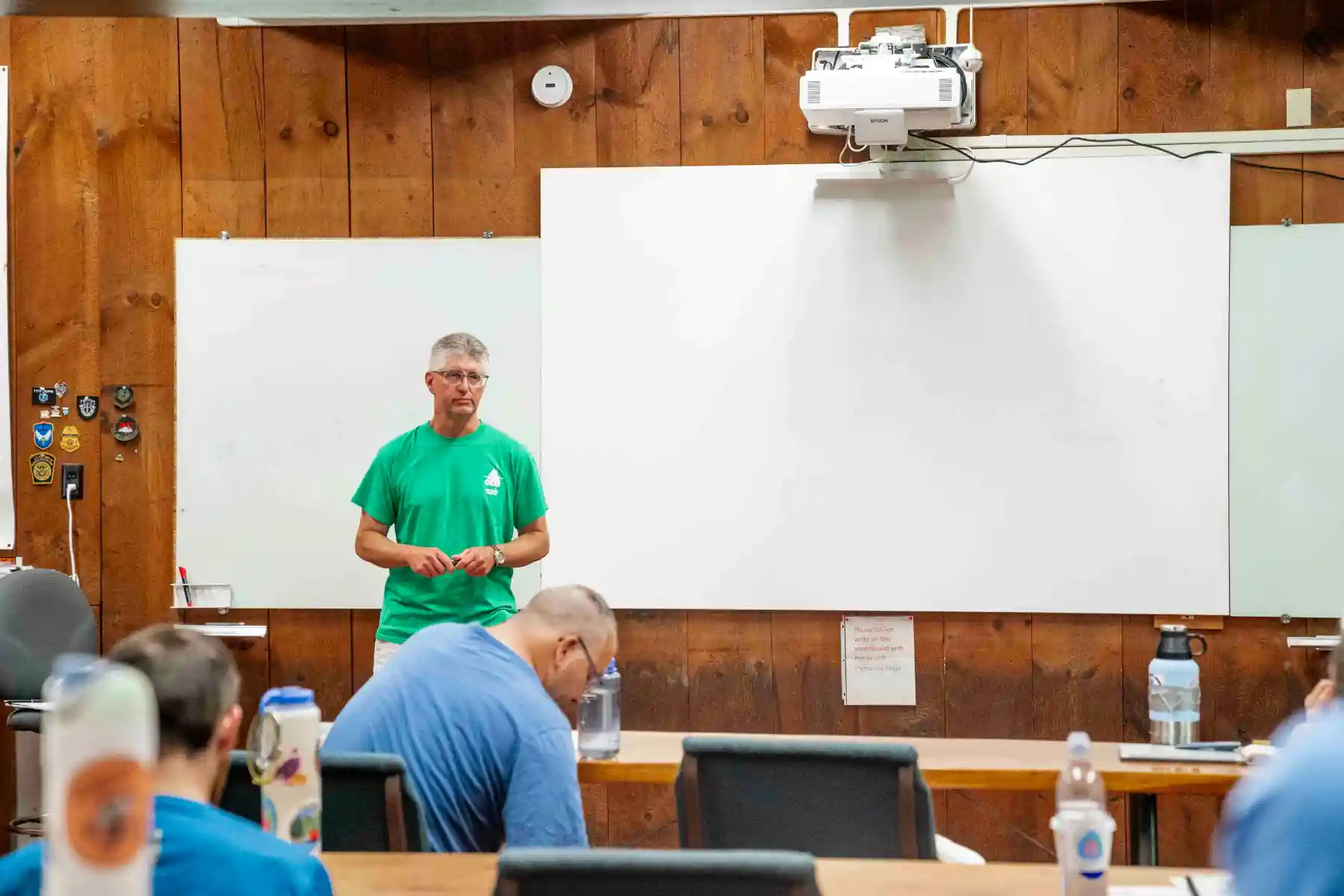
Imagine it's a district-wide professional development day. Your teachers file into the auditorium, coffee in hand, to sit through a generic presentation unrelated to their daily classroom challenges. Some grade papers, others check emails, and by day's end, you're left wondering if this approach to teacher professional development will improve instruction. Meanwhile, you've spent thousands on presenters, organized substitute coverage, and disrupted learning for a day.
This scenario plays out in schools nationwide, but there's a more effective alternative. Virtual professional development for teachers has evolved from a pandemic necessity into a strategic solution for forward-thinking educational leaders. By leveraging technology to deliver targeted training on essential professional development topics, schools can overcome the limitations of traditional PD while addressing the unique needs of their educators.
This guide will equip you to understand, evaluate, and implement impactful online teacher training programs that improve instructional quality and student outcomes. Whether you're looking to supplement existing PD initiatives or transform your approach while meeting state professional development requirements, the insights will help you make informed decisions that benefit your teachers and students.
What is Virtual Professional Development?
Virtual professional development (VPD) refers to teacher training and learning experiences delivered through technology platforms. It allows educators to access content, coaching, and collaboration remotely. Unlike traditional face-to-face workshops, VPD uses digital tools to facilitate growth and skill development without physical location constraints, making it particularly valuable as one of the teacher retention strategies for urban schools facing budget limitations.
The strength of virtual PD lies in its flexibility and accessibility. Teachers can engage with high-quality professional learning from their classrooms, homes, or anywhere with internet access. This approach removes geographical barriers and opens doors to a wider range of learning opportunities and expert facilitators, much like how transformative leadership training for principals can now reach school leaders regardless of their location.
Virtual professional development typically falls into two delivery models:
- Synchronous learning includes real-time, scheduled sessions where teachers and facilitators interact simultaneously. Examples include live webinars, virtual coaching, and interactive online workshops. These provide immediate feedback, community building, and dynamic discussion.
- Asynchronous learning provides self-paced content accessible to teachers at their convenience. This includes pre-recorded videos, online courses, discussion boards, and digital resource libraries. The flexibility allows teachers to fit professional learning around their busy schedules.
The Case for Going Virtual: Key Benefits for Schools & Districts
The shift to virtual professional development isn't just about technology trends. It's a strategic response to the evolving needs of schools, teachers, and students. The benefits extend beyond convenience, addressing fundamental challenges in today's educational institutions while making online teacher training programs more accessible than ever.
- Unprecedented Flexibility and Accessibility: Virtual PD eliminates the logistical hurdles of traditional training, providing unprecedented flexibility and accessibility. Teachers can engage in professional learning without leaving their classrooms, reducing the need for substitutes and minimizing instructional disruption. This flexibility helps mitigate challenges like teacher burnout by allowing educators to balance professional growth with their teaching responsibilities.
- Cost-Effectiveness: The financial advantages of virtual PD are substantial. When factoring in fees, travel, venue, and materials, bringing one national expert to your district for a day-long workshop with 50 teachers might cost $10,000+. That expert could deliver a series of virtual sessions reaching 200+ teachers across multiple schools at a fraction of the cost. Digital resources replace printed materials, further reducing expenses while providing sustainable, accessible content.
- Access to a Global Pool of Experts: Virtual platforms remove geographical limitations, enabling schools to connect with specialists they couldn’t afford to bring in person. A rural district can access the same caliber of experts as wealthy suburban schools, democratizing professional development. This global reach allows for specialized training, whether teachers need support in advanced AP Statistics, evidence-based literacy interventions, or cutting-edge STEM pedagogy.
- Personalized and Differentiated Learning for Teachers: Just as we recognize the importance of differentiation for students, virtual PD can accommodate diverse teacher needs. New educators focus on classroom management, while veteran teachers dive into advanced techniques. Online platforms provide individualized learning paths based on teachers' subject areas, experience levels, and goals, a contrast to the "one-size-fits-all" approach of traditional PD days.
- Data-Driven Insights and Follow-Up: Digital platforms provide visibility into teacher engagement and learning. Administrators can track completion rates, identify challenges, measure knowledge acquisition, and evaluate implementation. This data creates accountability and enables targeted follow-up, ensuring PD translates into classroom practice. As school leaders, you gain concrete evidence of your professional development ROI, something traditional workshops rarely provide.
Effective Online Teacher Training
"Virtual professional development" encompasses various approaches with distinct advantages. Understanding these models—along with state professional development requirements—helps you select the right fit for your school's needs, culture, and goals.
Interactive Webinars and Workshops
Live, expert-led sessions bring the energy of in-person workshops to the virtual space. The key difference between effective webinars and "death by PowerPoint" lies in engagement features. Look for providers who utilize:
- Interactive polls and surveys to gauge understanding
- Breakout rooms for small group discussion and collaboration
- Live chat and Q&A functions for real-time clarification
- Collaborative digital workspaces for teachers to contribute ideas
Effective virtual workshops incorporate frequent participation opportunities. They limit uninterrupted presentations to 7-10 minutes before engaging participants. This approach combats "Zoom fatigue" and mirrors best practices in classroom instruction.
Self-Paced Courses and Micro-learning Modules
On-demand professional learning gives teachers control over when, where, and how quickly they progress through content. This model is valuable for building foundational knowledge and addressing diverse starting points among staff.
Micro-learning, short, focused content segments 5-15 minutes long, has gained traction in teacher development. These units allow educators to fit learning into busy schedules, focus on specific skills, and revisit challenging concepts. For example, a comprehensive classroom management course might be broken into modules on establishing procedures, positive reinforcement, and de-escalation strategies.
Virtual Coaching and Mentorship
Virtual coaching for teachers provides personalized support and accountability, making it one of the highest-impact approaches to professional growth. Teachers record lessons or invite coaches into virtual classrooms for observation, followed by feedback sessions. The coaching relationship develops over time, with ongoing cycles of observation, reflection, and implementation.
The virtual format offers unique advantages. Coaches can observe without disrupting classroom dynamics, teachers can review recordings for self-assessment, and geographical constraints limiting coaching availability are eliminated. This approach is powerful for new teachers or those implementing challenging instructional shifts.
Online Professional Learning Communities (PLCs)
Technology enables robust teacher collaboration beyond school walls. Professional Learning Communities (PLCs) use digital platforms for ongoing professional dialogue, resource sharing, and collective problem-solving.
Virtual PLCs include:
- Structured discussion forums organized by grade level or content area
- Shared digital repositories for lesson plans and resources
- Video libraries of exemplary teaching
- Protocols for analyzing student work and data
- Regular synchronous check-ins to maintain momentum
These communities build a sustainable culture of improvement while combating teacher isolation. This is valuable for educators in specialized roles or small schools.
Best Practices for Effective Virtual PD Implementation
The effectiveness of virtual professional development hinges on thoughtful implementation. Moving ineffective training online won't improve outcomes. The following best practices will ensure your investment delivers meaningful results.
Start with a Needs Assessment
Before selecting a program, conduct a thorough needs assessment to identify your teachers' challenges and growth opportunities. This includes:
- Analyzing student achievement data to identify instructional gaps
- Surveying teachers about their self-identified needs and interests
- Conducting classroom observations to identify common improvements
- Reviewing strategic priorities and initiatives for alignment.
This assessment lays the foundation for relevant professional learning that addresses actual needs rather than deficiencies.
Prioritize Relevant and Actionable
Effective online professional development connects directly to teachers' daily work. Every session should answer: "How will this improve my teaching tomorrow?" Content should be practical, classroom-focused, and aligned with your curriculum and instructional frameworks.
The most successful programs include:
- Concrete examples of strategies in action, ideally through video demonstrations.
- Ready-to-use resources and templates that minimize implementation barriers
- Clear connections to your district's existing initiatives and expectations
- Applications for different grade levels and content areas
Insist on Active Learning
Just as we expect teachers to engage students actively, professional development should require participants to do more than listen. Effective virtual PD includes:
- Opportunities to practice new techniques in simulated environments
- Application tasks that link learning to classroom implementation
- Collaborative problem-solving around authentic challenges
- Reflection protocols that deepen understanding
Providers should show how their platform facilitates active engagement, not just content delivery.
Build Ongoing Support and Follow-Up
One-time workshops rarely change practice. Structure professional learning as a sustained process with multiple touchpoints:
- Initial training to introduce concepts and strategies
- Implementation period with clear expectations and support
- Follow-up sessions to troubleshoot challenges and deepen understanding.
- Coaching or peer feedback on implementation
- Reflection on impact and adjustments for improvement
This cyclical approach increases the likelihood that new learning will translate into changed practice.
Ensure Equitable Access to Technology
Before launching virtual PD initiatives, assess and address potential barriers to participation:
- Ensure all teachers have proper devices and reliable internet access.
- Provide foundational tech training for those who need it.
- Offer multiple pathways to engage with content (e.g., mobile options)
- Consider accommodations for staff with disabilities or unique needs.
- Create technical support protocols for synchronous sessions.
Equitable access ensures all educators benefit from professional learning opportunities.
Solving Your School's Challenges to Enable Teacher Growth
Today's schools face a paradox. Teachers need professional development to improve, but finding time for that amid critical staffing shortages feels impossible. When every certified educator is essential in the classroom, how do you create space for meaningful learning?
Strategic staffing solutions enable professional growth. Schools can create the capacity for robust professional development by leveraging Fullmind's network of certified virtual educators. Whether providing intervention services, covering specialized subjects, or supporting tutoring programs, Fullmind's virtual educators complement your existing staff, allowing your teachers to engage in professional learning without compromising student support.
How to Choose the Right Virtual PD Partner or Platform
How do you identify partners that will deliver results with numerous providers claiming to offer transformative virtual professional development? Use this checklist to evaluate potential providers:
- Expertise and Credibility: Verify the actual expertise behind the content. Do the instructors have relevant K-12 classroom experience? What are their credentials in the specific content areas? Request information about their instructional team and content development approach.
- Customization Options: The best providers balance research-based frameworks with flexibility to address your unique context. The content can be tailored to align with your curriculum, initiatives, and specific teacher needs. Avoid one-size-fits-all solutions that ignore your school's reality.
- Engagement Model: Evaluate how the platform promotes active learning over passive consumption. Request demonstrations of interactive features, collaboration tools, and application components. Ask how they prevent "sit and get" approaches in the virtual environment.
- Technical Support and Usability: Even the best content fails if teachers struggle with the platform. Is the interface intuitive and accessible? What onboarding is provided for administrators and teachers? What technical support is available during and between sessions? Request a trial or demo account to experience the user interface firsthand.
- Evidence of Impact: Demand evidence beyond satisfaction surveys. Can the provider share case studies or data showing how their training improved teacher practice and student outcomes in similar districts? What metrics do they use to evaluate effectiveness?
- Alignment with Broader Goals: Effective partners understand education holistically. Does the provider understand your broader priorities, including implementing personalized learning at scale and providing support for diverse needs? Their approach should complement your overall vision for teaching and learning.
Conclusion
Virtual professional development for teachers represents more than a technological shift. It's a strategic opportunity to reimagine how we support and develop educators. When thoughtfully implemented, virtual PD overcomes traditional limitations of time, geography, and resources while delivering personalized learning experiences that mirror approaches used in principal leadership development.
Effective virtual professional development starts with clear goals, assessing potential partners, and committing to best practices. By investing in high-quality online learning for educators, you are investing in your students' and school community's future. In a profession where growth and adaptation are constants, providing teachers with flexible, accessible tools to evolve their practice is the most important leadership decision.
For Education Leaders
Get proven strategies and expert analysis from the host of the Learning Can't Wait podcast, delivered straight to your inbox.