Connect with the Fullmind Team

For Education Leaders
Get proven strategies and expert analysis from the host of the Learning Can't Wait podcast, delivered straight to your inbox.
Credit Recovery
Our online credit recovery program is taught live by certified educators, helping high school students make up missing credits and graduate on time with real instruction rather than self-paced software alone.
Credit Recovery in Alabama: Strategies to Keep Students on Track

High school graduation is a critical milestone that opens doors to college and career opportunities. However, not every student follows a straight path. When academic challenges, personal circumstances, or setbacks cause students to fall behind on credits, Alabama credit recovery programs offer a second chance to meet graduation requirements. This guide will help Alabama students, parents, and educators understand and navigate the credit recovery options to achieve graduation success.
Understanding Credit Recovery in Alabama: A Path to Graduation
Credit recovery is an educational program helping students who have failed or received insufficient grades in required courses to earn the necessary credits for high school graduation. Students facing these academic challenges can focus on recovering the needed credits through targeted coursework instead of repeating an entire school year.
In Alabama, credit recovery programs increase students' likelihood of graduating on time. The Alabama State Department of Education reports that students in structured credit recovery programs are more likely to meet graduation requirements and pursue post-secondary education or career training. These programs help students catch up academically and support self-esteem and motivation by showing that academic setbacks don't have to derail future plans.
The Alabama State Department of Education (ALSDE) establishes guidelines and standards for credit recovery programs, ensuring that recovered credits meet the same academic rigor as traditional courses. Credits earned through recovery programs carry the same weight toward graduation and are recognized by colleges and employers.
Who is Eligible? Navigating Eligibility and Enrollment in Alabama's Credit Recovery Programs
Alabama credit recovery programs serve students needing support to meet graduation requirements. Eligibility typically includes:
- Students who have failed a required course, including core subjects like English, math, science, and social studies mandatory for graduation.
- Students behind on credits for their expected graduation cohort due to course failures or incomplete coursework.
- Students who received a grade below the minimum passing threshold in required courses
- Students needing to improve their GPA for graduation or post-secondary admission requirements
Most online credit recovery programs serve grades 9-12, though some districts may have age restrictions or require students to be near graduation credits.
Enrollment Process:
- Consult your school counselor, who can assess your credit status and recommend programs.
- Complete necessary paperwork including enrollment forms, academic assessments, and goal-setting documents.
- Choose your credit recovery format: online courses, in-person classes, or blended learning.
- Work with educators to create a timeline and study schedule that fits your needs, and develop an individualized plan.
Enrollment procedures may vary between school districts, so check with your local school's guidance office for requirements and explore high school graduation rate improvement strategies that can support student success.
Program Structure and Courses Offered
Alabama credit recovery programs offer flexible course content and delivery methods to meet diverse student needs. Similar to Nebraska's credit recovery approaches, most provide recovery options for core academic subjects including:
- English Language Arts covering literature, composition, and communication skills.
- Mathematics, including algebra, geometry, statistics, and advanced math courses
- Science covering biology, chemistry, physics, and earth science
- Social Studies, including U.S. history, world history, government, and economics
- Electives like foreign languages, arts, and career and technical education courses
Program Structure Options:
Online Credit Recovery Programs offer flexibility, allowing students to work at their own pace and schedule. They typically include:
- Asynchronous learning modules accessible 24/7
- Interactive multimedia content and assessments
- Progress tracking and automated reporting to school counselors
- Synchronous virtual classroom sessions with certified teachers
In-Person Credit Recovery Classes provide direct instruction and peer interaction through:
- After-school programs that let students attend regular daytime classes
- Summer school intensive programs
- Classes on weekends or evenings
Blended Learning Approaches combine online and in-person elements, offering the benefits of both formats.
Most credit recovery courses take 8-18 weeks, depending on subject complexity and student pace. Individualized Learning Plans (ILPs) tailor the program to each student's needs, learning style, and schedule.
Fullmind offers virtual learning solutions for Alabama schools. Their platform provides live, certified teachers delivering customized learning experiences tailored to school and district requirements. Fullmind's curriculum supports staffing challenges while expanding course offerings and meeting individual student needs through virtual staffing, special education services, IEP fulfillment, homebound instruction, high-dosage tutoring, test prep, and specialized credit recovery programs. If your school needs flexible credit recovery options, explore Fullmind's adaptable learning solutions.
Benefits of Credit Recovery
Alabama credit recovery programs offer advantages beyond earning missing credits:
Regaining lost credits and staying on track for graduation allows students to recover failed courses without repeating an entire grade level.
- Improving academic performance subjects leads to better understanding and grades.
- Successfully recovering credits demonstrates resilience and capability, building self-confidence and motivation.
- Graduating on time increases college and career opportunities, keeping post-secondary plans on track, and maintaining eligibility for scholarships and programs.
- Developing self-directed learning skills through programs that promote independent learning and time management.
- Receiving personalized attention through smaller class sizes and individualized instruction to address specific learning challenges
Research shows that students who complete credit recovery programs are more likely to graduate and demonstrate improved study habits and academic engagement. A student who recovers failed algebra credits often shows improved performance in subsequent math courses because the recovery process helped them master foundational concepts.
The impact on graduation requirements is immediate. Students can graduate with their original cohort and transition to college or career training programs, instead of potentially dropping out or spending an additional year in high school.
Navigating the Rules: Policy and Requirements
Understanding Alabama credit recovery policies is crucial for student success. While district policies may vary, common requirements include:
Attendance Requirements:
- Minimum attendance thresholds for in-person programs (typically 90% or higher)
- Regular login and participation requirements for online programs
- Policies for missed sessions or assignments
Grading Policies:
- Minimum passing scores (60-70% depending on the district)
- Requirements for completing all assignments and assessments
- Policies on retaking failed exams or assignments
Course Completion Standards:
- Mastery-based progression through course modules
- Completion of all required assignments, projects, and assessments
- Meeting learning objectives and standards
Timeline Requirements:
- Specific course completion
- Semester or session-based enrollment periods
- Summer program completion dates
Non-Compliance Consequences:
- Withdrawal from the program for excessive absences
- Requirement to restart course modules for insufficient progress
- Referral to alternative education programs for students who cannot meet standard requirements
Students who fail to meet program requirements may need to explore alternatives like GED preparation, adult education, or extended high school programs. However, most credit recovery programs have multiple support systems to help students succeed beforehand.
Understanding the Costs
Alabama credit recovery programs are funded through state, local, and federal education funding, making them accessible to all students. Most public school credit recovery programs are offered at no cost to students and families, as they are part of the school district's responsibility to provide educational opportunities.
However, some costs may be associated with:
- Third-party online learning platforms or software licenses
- Textbooks or supplementary materials not provided by the school
- Technology fees for students using school equipment at home
- Transportation costs for students attending after-school or summer programs
Many districts provide laptops, internet hotspots, and learning materials to ensure financial barriers don't prevent student participation. Federal Title I funding and other educational grants support credit recovery initiatives in schools serving economically disadvantaged communities.
Students and families facing financial hardship should discuss support options with school counselors, as help may be available through community organizations, educational foundations, or state programs.
Accessing the Program: Technology and Resource Requirements
Most Alabama credit recovery programs, especially online options, require specific technology and resources:
Essential Technology:
- A computer or laptop with a reliable internet
- Updated web browser and basic software applications
- Webcam and microphone for virtual classroom participation
- Printer access for assignments and materials (when needed)
Learning Materials:
- Digital textbooks and online resources (usually provided by the program)
- School-issued login credentials for learning management systems
- Physical materials like calculators, laboratory kits, or art supplies for specific courses
Alabama schools must provide accommodations for students with disabilities, including:
- Screen readers and assistive technology for visually impaired students
- Closed captioning and audio enhancement for hearing-impaired students
- Extended time and modified assignments for students with learning disabilities
- Alternative input devices for students with physical disabilities
Most school districts have technology support teams and lending programs to ensure all students can access online learning. Before beginning credit recovery coursework, students should work with their counselors and special education coordinators to ensure appropriate accommodations are in place.
Real-Life Impact: Success Stories and Testimonials
The impact of Alabama credit recovery programs is evident in many student success stories. Consider Maria, a junior who failed Algebra II due to family circumstances that required her to work part-time. Through an online credit recovery program, she completed the course during summer break while maintaining her work schedule. She recovered the credit, and her improved understanding of algebra helped her excel in her senior year mathematics courses.
James struggled with traditional classroom learning due to ADHD. The self-paced credit recovery program allowed him to work in shorter, focused sessions that matched his learning style. He recovered failed credits in English and social studies and developed better study strategies that improved his overall performance.
These success stories show how credit recovery programs help students earn graduation credits. They provide individualized attention and alternative learning approaches that help students discover their potential and develop confidence. Many students report that credit recovery taught them valuable lessons about perseverance, self-discipline, and taking responsibility for their education.
Students considering dropping out often find renewed motivation and hope when they see a clear path to graduation through credit recovery programs.
Comparing Alabama Credit Recovery vs. Other Programs
Alabama credit recovery programs offer advantages compared to other states and educational approaches. Unlike some states that require students to repeat entire grade levels, Alabama's system allows targeted credit recovery, saving time and maintaining student engagement.
Compared to Traditional Summer School:
Credit recovery programs offer more flexible scheduling and pacing, while traditional summer school follows a fixed schedule with all students progressing at the same rate.
Compared to GED Programs:
While GED programs offer an alternative to traditional graduation, credit recovery allows students to earn a real high school diploma, which may be preferred by colleges and employers.
State vs. Private Programs:
State-funded programs ensure consistency with Alabama graduation standards, while private providers like Fullmind offer enhanced features such as live instruction, specialized support, and flexible scheduling. Fullmind's approach combines state-approved curriculum with personalized attention and innovative teaching methods.
Compared to Other States:
Alabama's credit recovery system provides academic rigor and flexibility, ensuring that recovered credits are valued the same as traditionally earned credits.
Your Support System: Resources and Assistance for Alabama Students
Alabama credit recovery students have access to extensive academic support systems to maximize their chances of success:
Tutoring Services:
- Peer tutoring programs matching students with successful upperclassmen
- Certified teachers
- Tutoring for challenging courses like mathematics and sciences, specific to the subject
- Online tutoring platforms offering 24/7 assistance
Counseling and Advising:
- Academic counseling to help students develop effective study strategies.
- Personal counseling to address underlying issues contributing to academic difficulties.
- College and career counseling to maintain focus on post-graduation goals
Mentoring Programs:
- Adult mentors who provide encouragement and accountability
- Peer mentoring programs connecting credit recovery students with successful graduates
- Community volunteer programs offering support
Technology and Learning Resources:
- Online study guides and practice materials
- Educational apps and software for skill building
- Library and media center resources for research and study space
Fullmind offers high-dosage tutoring and virtual educators for one-on-one assistance to struggling students. Their certified teachers understand the challenges faced by credit recovery students and provide personalized instruction that addresses individual learning gaps. For schools seeking comprehensive support for credit recovery students, Fullmind offers evidence-based tutoring and instructional support to improve student outcomes.
FAQ: Alabama Credit Recovery
How can parents support students in credit recovery programs?
Parents play a crucial role in credit recovery success. They can monitor progress through online portals, establish dedicated study spaces at home, maintain regular communication with teachers and counselors, and provide emotional support. Setting consistent schedules and celebrating milestones helps maintain student motivation.
Does credit recovery participation affect college applications or transcripts?
Credit recovery courses appear on transcripts and carry the same weight as traditionally earned credits. Colleges view credit recovery positively, as it demonstrates resilience and commitment to academic success. Students should explain any academic challenges in their college applications, focusing on lessons learned and growth achieved through recovery.
Are there specific times of year for credit recovery availability?
Most Alabama districts offer year-round online credit recovery. Summer school programs are common, but many schools provide after-school and weekend options during the regular academic year. Online programs allow students to start at multiple points throughout the year, providing flexibility.
What if my school doesn't offer credit recovery programs?
Students can enroll in programs from other districts or state-approved online providers. Some regions have agreements allowing cross-district access. Private providers and community colleges may offer approved credit recovery options.
Can students take credit recovery courses from outside providers?
Many districts accept credits from approved external providers, but students should verify acceptance with their own school before enrolling. The credits must meet Alabama state standards and be approved by the student's district to count toward graduation requirements.
Conclusion
Alabama credit recovery programs offer hope and opportunity for students facing academic setbacks. They show that temporary failures don't have to become permanent obstacles to graduation and future success. With flexible scheduling, personalized instruction, comprehensive support services, and proven success, credit recovery programs provide the tools and resources students need to get back on track and achieve their goals.
Success depends on taking action early, using available support systems, and staying committed to recovery. Alabama students have multiple pathways to recover credits and graduate with their peers, whether through online learning, traditional classrooms, or blended approaches.
If your school needs flexible credit recovery options that combine academic rigor with personalized support, explore Fullmind learning solutions to discover how certified virtual educators can help your students succeed and graduate on time.
Podcast
From the Learning Can’t Wait podcast
 Hosted by Hayley Spira-Bauer, Chief Academic Officer at Fullmind
Newest episodes
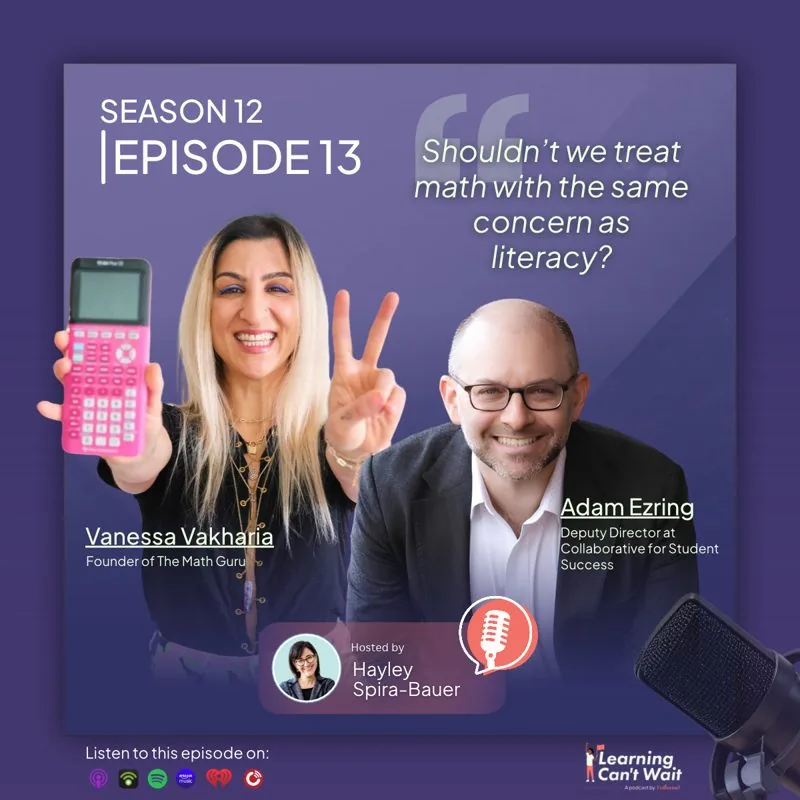 Vanessa Vakharia & Adam Ezring: Family Math, Math Confidence & Learning Through PlayOctober 13, 2026 · Vanessa Vakharia, Adam Ezring
 Dr. Daveda Colbert: Leadership, Belonging & ServiceOctober 6, 2026 · Dr. Daveda Colbert
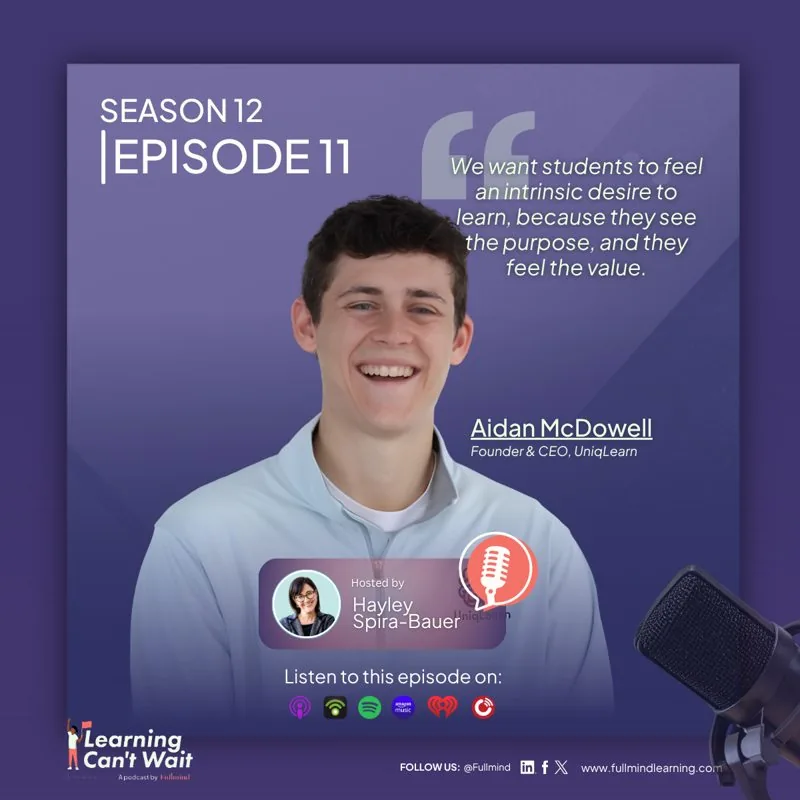 Aidan McDowell: Personalized learning, Student agency & Intrinsic motivationSeptember 29, 2026 · Aidan McDowell
Alabama on the podcast
Episodes with Alabama connections
 Rose Else-Mitchell: Science of Reading, Implementation Science & Literacy InstructionAugust 18, 2026 · Rose Else-Mitchell
 Isabelle Hau: Love to Learn, AI in Education, Play in EducationFebruary 18, 2025 · Isabelle Hau
For Education Leaders
Get proven strategies and expert analysis from the host of the Learning Can't Wait podcast, delivered straight to your inbox.




















































































How can we help? Let’s connect.
Tell us what you need. It takes about a minute, and you’ll see the next steps right away.
We’ll reach out within one business day
An education consultant talks through your students, schedule and goals.
Get a plan for your district
A plan built around your needs and budget.
Thanks! Our team will reach out within one business day to set up a time that works for you.
Need help sooner? Book a time now
Your one-pagers
Matched to what you told us. They download as one PDF.
Every child deserves the opportunity to access exceptional education.