Connect with the Fullmind Team

For Education Leaders
Get proven strategies and expert analysis from the host of the Learning Can't Wait podcast, delivered straight to your inbox.
Homebound Support
Fullmind's homebound instruction gives students who can't attend school in person live lessons from a certified educator, following your curriculum so they return without falling behind.
Alabama Homebound Instruction Laws for Admins

Homebound instruction serves as an educational service when Alabama students cannot attend school due to medical or qualifying conditions. It is important for school administrators to understand Alabama homebound laws and resources to ensure these students continue receiving education while managing legal requirements and procedural obligations, particularly when coordinating with Individualized Education Program (IEP) goals.
This guide provides Alabama school administrators with information about homebound instruction laws, eligibility criteria, application procedures, and resources. Partnering with experienced providers like Fullmind can streamline implementation. Fullmind offers live, certified teachers delivering instruction across all subjects and learner needs, with a flexible curriculum tailored to school and district requirements. Their services include virtual staffing, SWD services and IEP fulfillment, homebound instruction, high dosage tutoring, test prep, virtual suspension rooms, credit recovery for graduation success, and attendance management.
Overview of Alabama’s Homebound Services
Homebound services are a temporary educational placement for students who cannot attend school due to medical, psychiatric, or specific conditions. Unlike permanent alternative education settings, homebound instruction aims for a return to traditional classrooms while ensuring continuous educational progress.
Homebound services go beyond basic academic continuity. They ensure eligible students progress toward Alabama state standards and Individualized Education Program (IEP) goals. The Alabama State Department of Education (ALSDE) mandates homebound instruction to maintain the same rigor and standards as traditional classroom instruction, adapted to the student's circumstances and needs.
Students qualifying for homebound services in Alabama include:
- Students with medical conditions preventing school attendance
- Students with psychiatric conditions needing homebound placement
- Students meeting other criteria in Alabama Administrative Code
- Students with conditions expected to persist for long periods, as defined by state regulations.
Alabama Homebound Education
Alabama Administrative Code Section 290-8-9-.12 and relevant Alabama statutes under Title 16 (Education). These regulations align with federal mandates including the Individuals with Disabilities Education Act (IDEA) and Section 504 of the Rehabilitation Act, ensuring protection for students with disabilities requiring homebound services as outlined in this complete homebound instruction guide.
The regulations establish strict eligibility requirements, mandating documentation from a licensed physician or psychiatrist. They specify minimum instructional hours, teacher qualification standards, and parental involvement protocols. Schools must maintain detailed records of homebound services, including instructional delivery methods, student progress monitoring, and transition planning. Many districts now implement these requirements through virtual homebound instruction programs that ensure compliance while providing flexible educational delivery. The laws require regular review of homebound placements to ensure continued necessity and appropriateness.
The ALSDE enforces these regulations through monitoring, compliance reviews, and complaint investigations. Districts failing to provide appropriate homebound services face corrective action, potential funding implications, and mandatory technical assistance. The department maintains a formal complaint process for parents and advocates to report violations of homebound education requirements, ensuring accountability across Alabama school systems.
Eligibility Criteria for Homebound Services
Eligibility for homebound services requires documentation from licensed medical professionals showing a student's condition prevents regular school attendance for an extended period, typically four or more consecutive weeks or intermittent absences totaling four weeks within a semester. The documentation must establish the medical necessity for homebound placement and specify the anticipated duration of services.
Qualifying conditions for homebound services include:
- Serious illnesses like cancer, requiring intensive treatment
- Chronic health conditions like cystic fibrosis, severe asthma, or cardiac conditions
- Psychiatric or emotional disorders like severe anxiety, depression, or trauma-related conditions
- Extended hospitalization or prolonged surgical recovery periods
- Immune system disorders requiring school isolation
- Mobility impairments preventing safe school transportation or building access
- Other medical conditions deemed by licensed professionals to necessitate homebound placement
Homebound disabilities must align with existing IEP provisions for students with disabilities and may require IEP team meetings to modify educational goals and service delivery methods. Schools should partner with experienced providers offering SWD services to ensure compliance with federal disability laws while delivering appropriate specialized instruction.
Application Process
The homebound services application process follows specific steps to ensure appropriate placement and service delivery:
- Obtain the Application Form: Contact your school district's special education department or download forms from the ALSDE website. Many districts have homebound application packets with required forms, documentation checklists, and submission instructions.
- Complete the Application: Thoroughly complete all application sections, providing detailed student information, educational history, and current academic standing. Include information about existing IEP or 504 plan accommodations that must continue during homebound instruction.
- Gather Required Documentation: Obtain medical documentation from the student's licensed physician or psychiatrist. It must specify the medical condition, explain why it prevents school attendance, estimate the duration of homebound services needed, and include any required restrictions or accommodations for instruction delivery.
- Submit the Application: Submit completed applications to the designated school administrator, usually the principal or special education director. Ensure all documentation is complete to avoid processing delays that could interrupt the student's educational services.
- Review and Approval: The school district reviews applications within 5-10 business days. The process may involve consulting medical professionals, IEP team meetings for students with disabilities, and determining appropriate instructional delivery methods.
Resources for Homebound Students and Families
Supporting homebound students and families requires coordinating resources for educational, medical, and emotional needs. Effective resource provision ensures families navigate homebound services while maintaining student engagement and progress.
Available resources include:
- Fullmind Learning Solutions: Customized virtual instruction services with certified teachers and flexible curriculum options tailored to individual student needs and district requirements.
- ALSDE Special Education Services: The department provides technical assistance, compliance guidance, and resources through their website and regional support centers.
- Local School District Special Education Departments: Contact information available on district websites for direct support with homebound service coordination and implementation.
- Alabama Parent Education Center: A statewide organization providing advocacy training, resources, and support groups for families of children with disabilities.
- Children's Hospital Networks: Many Alabama children's hospitals offer educational liaison services that connect medical teams with school personnel.
- Online Learning Resources: Khan Academy, IXL Learning, and state-approved curriculum providers supplement homebound instruction.
Role of Schools in Homebound Education
Alabama schools are responsible for implementing homebound education. They require systematic approaches to student identification, service planning, instruction delivery, and progress monitoring. Administrators must establish procedures for timely service initiation while maintaining educational quality and legal compliance.
Schools must develop individualized educational plans for each homebound student, considering the student's medical condition, academic needs, grade level requirements, and graduation timeline. This process involves collaboration between general education teachers, special education staff, school counselors, and medical professionals to ensure appropriate service delivery methods and educational goals.
Instruction delivery methods vary based on student needs and district resources:
- In-person instruction by certified teachers at the student's home or approved location.
- Virtual instruction using video conferencing and online learning platforms
- Hybrid approaches combining in-person and virtual instruction
- Specialized instruction for students with disabilities needing adapted teaching methods
Many districts need staff support to meet homebound obligations. Schools can use virtual staffing solutions to access certified teachers across subjects, ensuring curriculum coverage while managing staffing challenges and budget constraints.
Medical Documentation and Verification
Proper medical documentation is essential for homebound service eligibility and continuation. Required documents include a physician's statement or psychiatrist's evaluation detailing the student's condition, functional limitations, and educational implications. The medical professional must address why the condition prevents school attendance and provide an estimated timeline for homebound service needs.
School districts can request medical information or clarification from healthcare providers when initial documentation is incomplete or unclear. This process may include requesting updated medical reports, functional assessments, or consultation with district medical advisors. Schools must balance thorough documentation requirements with timely service delivery, ensuring students receive appropriate services while maintaining eligibility standards.
Duration and Scope of Homebound Services
Alabama law states that homebound services typically continue for the duration of the medical condition requiring such placement, with regular reviews. Most placements require medical re-evaluation every 60-90 days to ensure ongoing appropriateness and identify opportunities for transition back to traditional schools.
Homebound services cover core academic subjects required for grade-level progression and graduation. Students receive instruction in mathematics, English language arts, science, and social studies, with subjects based on individual needs and graduation requirements. For students with disabilities, homebound services must include all IEP-mandated services, including related services like speech therapy, occupational therapy, or counseling, delivered through appropriate methods including virtual platforms when necessary.
Transitioning Back to Regular Schooling
A successful transition from homebound services to regular school attendance requires careful planning and collaboration among stakeholders. The process begins with medical clearance indicating the student's ability to return to school, followed by educational planning to address academic gaps or adjustment needs from the homebound period.
Effective transitions often involve gradual re-entry schedules, allowing students to adjust to school routines while monitoring their physical and emotional readiness for full-time attendance. Schools may implement modified schedules, provide support services, or offer counseling to ease the transition. Maintaining open communication between school personnel, families, and medical providers ensures smooth transitions while addressing any concerns or complications.
FAQ
Q1: What role do parents play in homebound education in Alabama? Are there resources or training for parents?
Parents play key roles in homebound education. Their roles include providing suitable learning environments, maintaining communication with teachers, and supporting their child's progress. The Alabama Parent Education Center offers training workshops, resource materials, and support groups for families navigating homebound services. Many school districts provide parent orientation sessions on homebound expectations, technology requirements, and communication protocols.
Q2: Are there technology resources or virtual learning options for homebound students in Alabama?
Alabama school districts provide technology like laptops, tablets, and internet for homebound students needing virtual instruction. The state partners with internet providers for discounted connectivity. Virtual learning options include live video instruction, recorded lessons, online platforms, and virtual tutoring tailored to individual needs and grade levels.
Q3: What can families do if their application for homebound services is denied in Alabama? What’s the appeals process?
Families may appeal homebound service denials through formal district processes involving district administration and medical consultants. If unsuccessful, families can file complaints with the ALSDE or request due process hearings for students with disabilities. The process requires medical documentation and may involve independent evaluations to support the family's position.
Q4: How many weekly instruction hours are homebound students entitled to?
Alabama regulations require homebound students to receive a minimum of five hours of weekly direct instruction for elementary students and six hours for secondary students. However, students with disabilities may require hours based on their IEP, and schools must provide sufficient instruction for meaningful progress toward grade-level standards.
Q5: What accommodations are made for students with disabilities receiving homebound instruction?
Students with disabilities receiving homebound instruction continue to receive all IEP-mandated accommodations, modifications, and related services, including specialized instruction methods, assistive technology, modified curriculum, and virtual delivery of related services like speech therapy or counseling. IEP teams must reconvene to address homebound service delivery methods while maintaining the student's educational program integrity.
Conclusion
It is an important responsibility for school administrators committed to serving all students effectively to understand and implement Alabama homebound laws and resources. These regulations require systematic approaches to eligibility determination, service delivery, and progress monitoring while maintaining compliance with federal disability laws and state educational standards. By developing homebound programs, administrators ensure that medical conditions do not hinder educational progress and student success.
Alabama schools’ resources and partnerships, including providers like Fullmind, enable districts to meet homebound obligations effectively while managing staffing and curriculum challenges. School administrators should review current homebound policies, train staff on legal requirements, and establish partnerships to respond promptly to student needs. Every eligible student deserves access to quality education regardless of their medical circumstances, and effective homebound programs make this educational equity possible.
Podcast
From the Learning Can’t Wait podcast
 Hosted by Hayley Spira-Bauer, Chief Academic Officer at Fullmind
Newest episodes
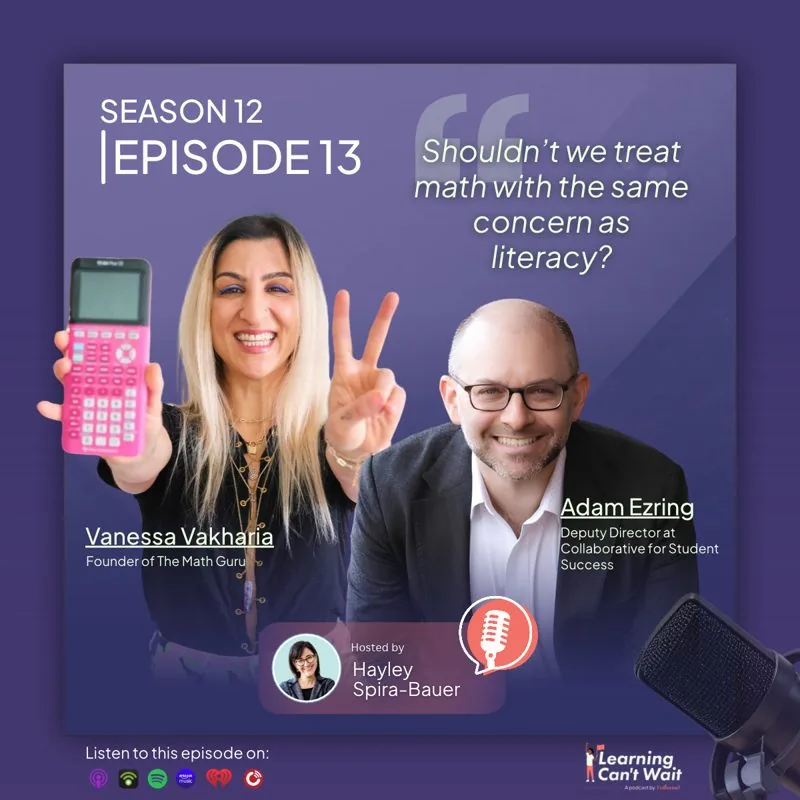 Vanessa Vakharia & Adam Ezring: Family Math, Math Confidence & Learning Through PlayOctober 13, 2026 · Vanessa Vakharia, Adam Ezring
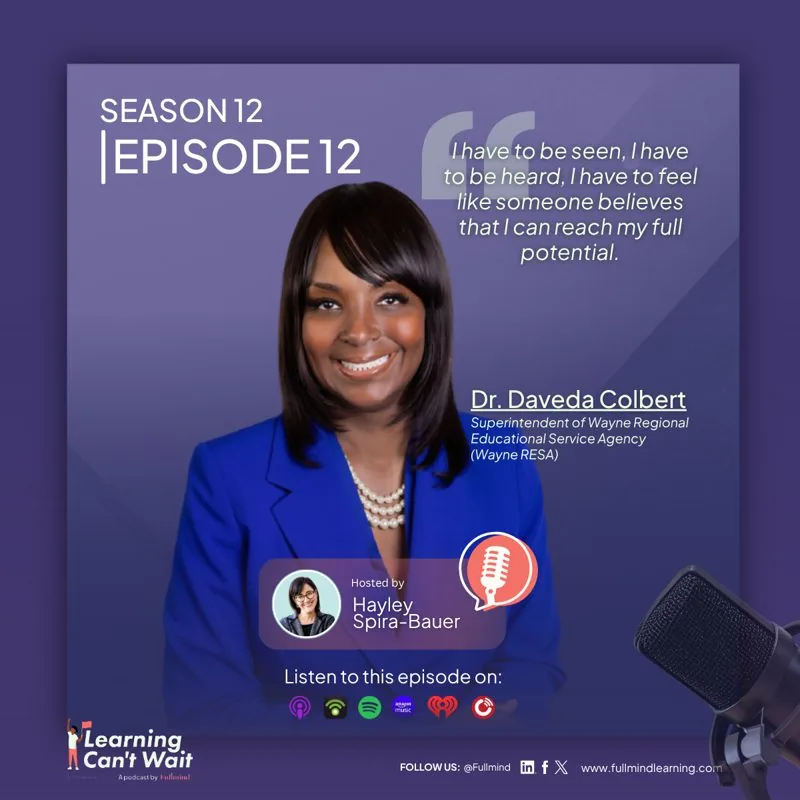 Dr. Daveda Colbert: Leadership, Belonging & ServiceOctober 6, 2026 · Dr. Daveda Colbert
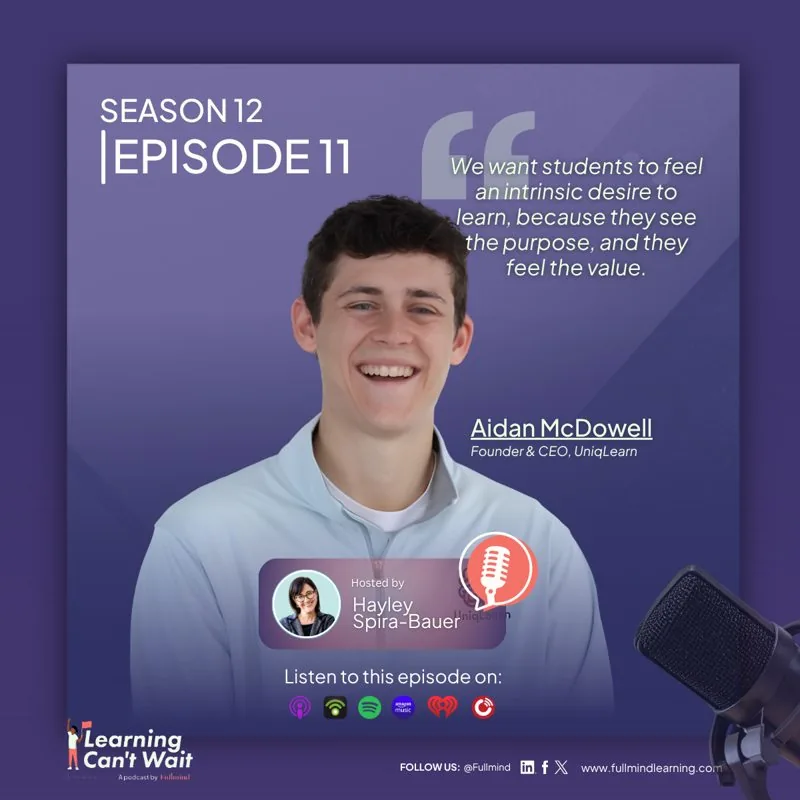 Aidan McDowell: Personalized learning, Student agency & Intrinsic motivationSeptember 29, 2026 · Aidan McDowell
Alabama on the podcast
Episodes with Alabama connections
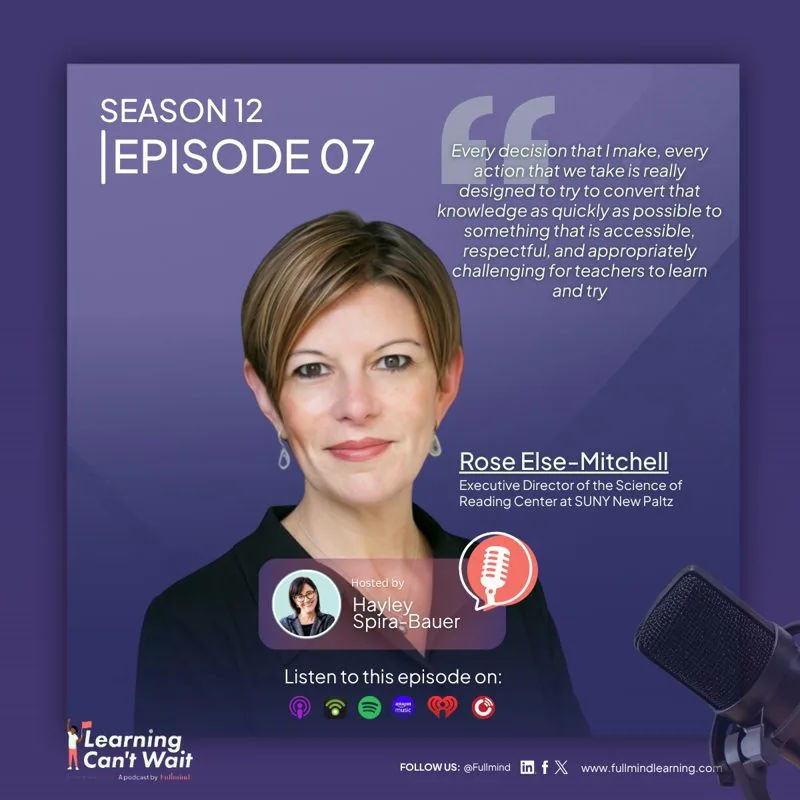 Rose Else-Mitchell: Science of Reading, Implementation Science & Literacy InstructionAugust 18, 2026 · Rose Else-Mitchell
 Isabelle Hau: Love to Learn, AI in Education, Play in EducationFebruary 18, 2025 · Isabelle Hau
For Education Leaders
Get proven strategies and expert analysis from the host of the Learning Can't Wait podcast, delivered straight to your inbox.









































































How can we help? Let’s connect.
Tell us what you need. It takes about a minute, and you’ll see the next steps right away.
We’ll reach out within one business day
An education consultant talks through your students, schedule and goals.
Get a plan for your district
A plan built around your needs and budget.
Thanks! Our team will reach out within one business day to set up a time that works for you.
Need help sooner? Book a time now
Your one-pagers
Matched to what you told us. They download as one PDF.
Every child deserves the opportunity to access exceptional education.