Connect with the Fullmind Team

For Education Leaders
Get proven strategies and expert analysis from the host of the Learning Can't Wait podcast, delivered straight to your inbox.
Credit Recovery
Turn At-Risk Students into Graduates
- Self-paced, curriculum-aligned courses
- 1:1 support for IEPs & homelessness
- Fast, legitimate credit regain
Credit Recovery in Minnesota: Keep Students on Track
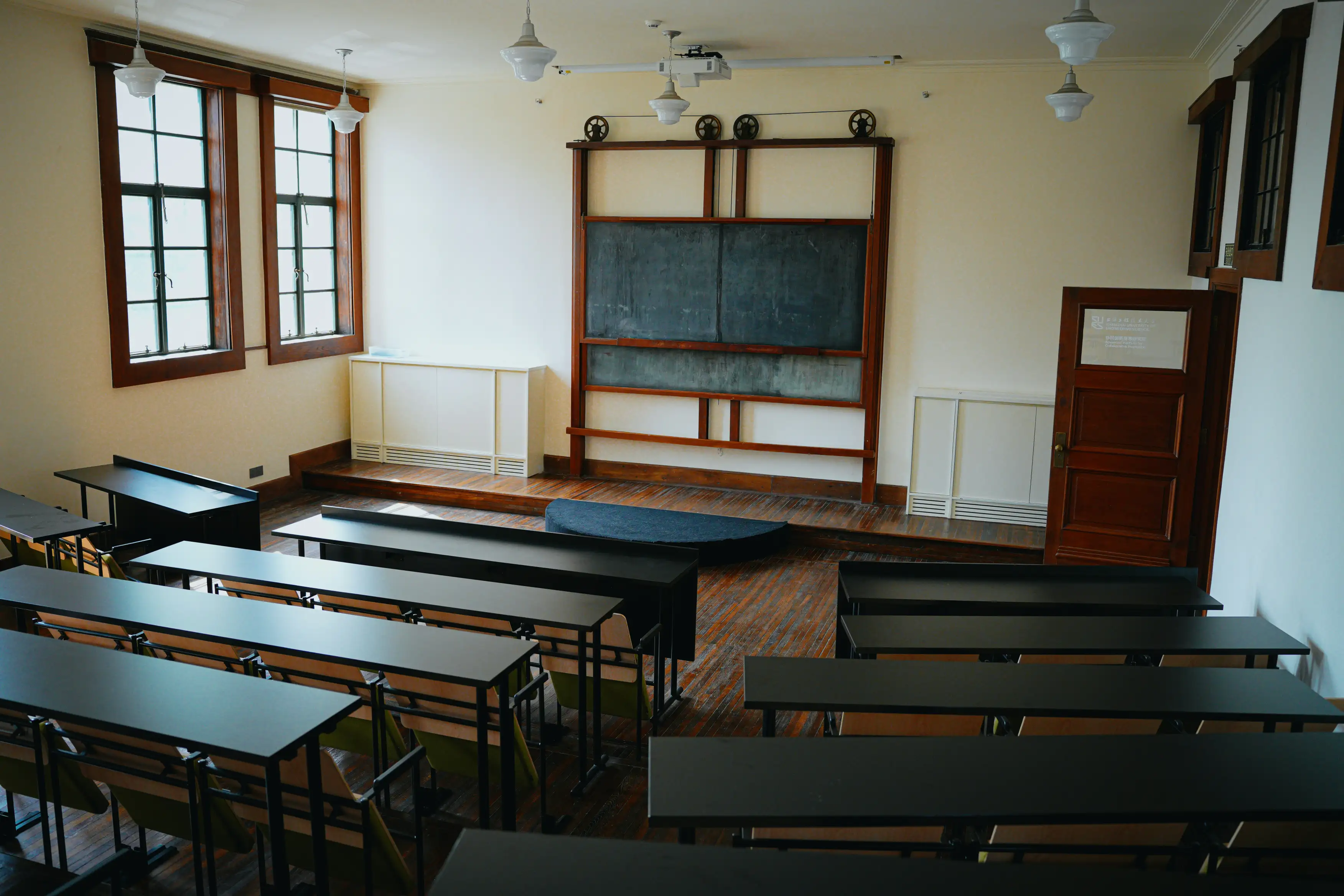
When students fail required courses, their graduation path doesn't have to end. Minnesota credit recovery programs offer a lifeline, allowing students to earn missing credits and get back on track toward their diploma. These programs recognize that a single course failure shouldn't define a student's academic future.
This guide covers everything students, parents, and educators need to know about credit recovery in Minnesota. We'll cover program options, eligibility requirements, benefits and challenges, and available resources. Whether you're a student facing credit deficiency or a parent seeking solutions, understanding Minnesota's credit recovery landscape is the first step toward ensuring timely graduation.
What is Minnesota Credit Recovery?
Credit recovery is a specialized program that allows students who have failed required courses to earn the credits necessary for high school graduation. Instead of repeating an entire semester or year-long course, students engage with a focused curriculum that emphasizes essential concepts and skills needed to demonstrate subject mastery.
In Minnesota, credit recovery programs follow competency-based learning principles. Students progress through materials at their own pace, focusing on areas of struggle while building on existing knowledge. This approach recognizes that students may have mastered some content during their initial attempt, making it inefficient to repeat everything.
Minnesota credit recovery eligibility typically extends to students who received a failing grade in a required graduation course. However, criteria vary by school district, with some programs requiring a minimum percentage of the original course completion or specific attendance. Students with disabilities under an Individualized Education Program (IEP) or Section 504 plan may have different eligibility considerations. Similar to Alabama's structured credit recovery approach, establishing clear statewide guidelines helps ensure consistency across districts.
The primary goal of credit recovery extends beyond earning credits. These programs aim to re-engage students with learning, address underlying academic challenges, and provide support for long-term success. By offering a second chance to master essential skills, credit recovery helps students maintain educational momentum and graduate with their peers.
Credit Recovery Programs in Minnesota
Minnesota offers diverse credit recovery programs to meet varying student needs and learning preferences. These programs use different delivery methods including online instruction, in-person classes, and blended learning.
- Online Credit Recovery Programs have gained popularity across Minnesota school districts. EdOptions Academy, available through Intermediate District 287, provides online coursework in core subjects like mathematics, English, science, and social studies. These programs feature interactive lessons, multimedia content, and regular teacher support through virtual office hours and one-on-one conferences.
- Traditional In-Person Programs serve students who benefit from face-to-face instruction and structured classrooms. Many districts offer after-school, evening, or Saturday credit recovery classes taught by certified teachers. These programs provide immediate feedback and peer interaction that some students need for success.
- Blended Learning Models combine the flexibility of online instruction with in-person guidance. Students complete coursework online while meeting regularly with teachers or instructional coaches for check-ins, clarification, and support.
Several Minnesota districts have partnered with educational service providers to expand their credit recovery programs. Companies like Fullmind provide virtual staffing and customized learning solutions for K-12 schools, including credit recovery programs. These partnerships allow districts to offer specialized courses and provide teacher support without hiring full-time staff for limited-enrollment programs.
Successful Minnesota credit recovery programs include:
- Personalized learning plans based on individual student needs
- Flexible scheduling options for work and family obligations
- Regular progress monitoring and feedback
- Integration with student support services like counseling and tutoring
- Clear pathways for credit transfer and graduation planning
Eligibility and Enrollment Process
Understanding eligibility and the enrollment process is crucial for students and families considering Minnesota credit recovery options. While criteria vary by district, general standards provide a framework for program access.
Academic Eligibility typically requires students to have received a failing grade (below 60% or an F) in a required graduation course. Some districts add requirements like completing a minimum percentage of the course, maintaining attendance levels, or demonstrating readiness for independent learning. Students must usually be enrolled in grades 9-12, though some programs extend eligibility to students exceeding typical graduation timelines.
The Enrollment Process generally follows these steps:
- Initial Consultation: Students meet with their school counselor to review transcript deficiencies and discuss credit recovery options.
- Program Selection: Counselors help students choose delivery methods based on learning style, schedule, and support needs.
- Application Completion: Students complete enrollment paperwork including course selection forms and learning preference assessments.
- Documentation Review: School staff verify eligibility and ensure all required documentation is submitted.
- Orientation: Students attend program orientation covering expectations, technology requirements, and support resources.
Enrollment Deadlines vary across districts and programs. Some offer rolling admissions for multiple start points throughout the year, while others have specific windows aligned with semester or quarter schedules. Summer credit recovery programs often have earlier registration deadlines for planning and preparation.
School counselors play a central role in the enrollment process. They help students navigate options, understand requirements, and develop realistic credit completion timelines. They coordinate with teachers, parents, and administrators to ensure students receive appropriate support and accommodations.
Online vs. In-Person Credit Recovery
Choosing between online and in-person credit recovery depends on individual student needs, learning preferences, and life circumstances. Each modality offers distinct advantages and challenges to consider.
Online Credit Recovery:
- Flexibility: Students can access coursework 24/7, allowing them to balance education with work, family, or other commitments.
- Self-Paced Learning: Students progress through material at their own speed. They spend extra time on challenging concepts while moving quickly through familiar content.
- Accessibility: Geographic barriers disappear, allowing rural students to access programs unavailable in their local districts.
- Personalized Experience: Adaptive learning technologies adjust content difficulty based on student performance and mastery.
Online Credit Recovery:
- Self-Discipline Requirements: Success demands strong time management skills and internal motivation.
- Technology Dependence: Students need reliable internet access and familiarity with digital learning platforms.
- Limited Social Interaction: Reduced peer contact may contribute to feelings of isolation.
- Immediate Support Gaps: Getting help with difficult concepts may require scheduling appointments instead of receiving instant assistance.
In-Person Credit Recovery:
- Direct Teacher Interaction: Students benefit from immediate feedback, clarification, and personalized instruction.
- Structured Environment: Regular class schedules and physical classrooms help students stay focused.
- Peer Support: Interaction with classmates facing similar challenges creates opportunities for mutual encouragement.
- Technology Support: Teachers can assist with digital tools and resources.
In-Person Credit Recovery:
- Schedule Constraints: Fixed class times may conflict with work or family obligations.
- Transportation Requirements: Students need reliable transportation to attend classes.
- Limited Course Availability: Smaller programs may offer fewer subjects or time slots.
Students should assess their learning style, life circumstances, and academic needs when choosing modalities. Those who struggled with the original course due to poor attendance or lack of structure might benefit from in-person programs, while those who failed due to scheduling conflicts or family obligations may find online options more suitable.
Benefits of Credit Recovery
Minnesota credit recovery programs deliver significant benefits beyond earning missing credits. They create pathways to success that positively impact students' immediate academic progress and long-term life outcomes.
The most immediate and measurable benefit of credit recovery participation is Improved Graduation Rates. Students in credit recovery programs graduate at substantially higher rates than those who do not pursue credit recovery after failing required courses. This improvement translates to increased opportunities for post-secondary education and career advancement.
Successful high school completion leads to college and career opportunities. Students earning their diploma through credit recovery maintain eligibility for federal financial aid, state university admission, and military service opportunities that require high school graduation. Many employers require high school completion for entry-level positions, making credit recovery a gateway to economic stability.
Increased Self-Esteem and Confidence often emerge as students succeed after previous academic struggles. Completing credit recovery demonstrates resilience, determination, and the ability to overcome challenges, qualities that benefit students throughout their lives. Many credit recovery graduates report feeling more confident about tackling difficult tasks and persisting through obstacles.
The credit recovery process naturally leads to the development of Essential Life Skills. Students improve time management as they balance coursework with other responsibilities. They build self-discipline through independent learning and problem-solving skills by tackling challenging concepts. These transferable skills benefit students in college, careers, and personal relationships.
The positive effects of credit recovery success extend to families and communities. When students graduate on time, families avoid the stress and financial burden of extended high school enrollment. Communities benefit from increased graduation rates, higher lifetime earnings, and reduced social service needs.
Costs and Funding for Credit Recovery
Understanding the financial aspects of credit recovery helps families make informed decisions about program participation. Minnesota's commitment to public education ensures most students can access credit recovery programs without significant financial barriers.
Public School Credit Recovery programs are generally free for Minnesota public school students. Districts use state funding, federal grants, and local resources to support these programs to help all students graduate. This includes online, in-person, and blended learning options through district partnerships.
Potential costs may include materials fees for specialized courses, transportation for in-person programs, and technology for online learning. Students in online credit recovery need reliable internet access and a computer or tablet for educational software. Some families may need to upgrade their internet or purchase equipment, though many districts offer device lending programs and internet assistance.
Private and Alternative Program Costs range from hundreds to over a thousand dollars per credit, varying significantly. These programs may be necessary for students who have exceeded public school enrollment age limits or need specialized courses not available through their district. Some private programs offer payment plans and scholarships to make their services more accessible.
Financial Assistance Options include federal aid eligibility for students over 18 in eligible programs, state educational grants, and local scholarships. Community organizations and religious institutions offer financial assistance for educational expenses, including credit recovery programs. Students should work with school counselors and financial aid offices to identify all funding sources.
The investment in credit recovery pays significant dividends over time. High school graduates earn substantially more over their lifetime than non-graduates, making credit recovery one of the most cost-effective educational investments for struggling students.
Credit Recovery Courses and Subjects
Minnesota credit recovery programs cover a range of subjects, ensuring students can address deficiencies for graduation. Understanding available courses helps students and families plan for credit completion.
Core Academic Subjects form the foundation of most credit recovery programs. Mathematics courses include Algebra I and II, Geometry, Pre-Calculus, and Consumer Mathematics. English Language Arts options cover Literature, Composition, Speech, and Reading Comprehension. Science courses include Biology, Chemistry, Physics, Earth Science, and Environmental Science. Social Studies programs include World History, U.S. History, Government, Economics, and Geography.
Most credit recovery courses are characterized by a Modified Curriculum Approach. Rather than repeating every lesson from the original course, credit recovery focuses on essential standards and learning objectives for graduation. This approach allows students to demonstrate mastery more efficiently while acquiring necessary knowledge and skills.
Specialized Course Availability varies by program and district size. Students needing credits in Foreign Languages, Fine Arts, Career and Technical Education, or Physical Education may find limited options through some credit recovery programs. However, larger districts and state-wide online programs typically offer more extensive course catalogs.
Examples of specific Minnesota credit recovery course titles include:
- Algebra I Essentials
- English 10 Credit Recovery
- Biology Fundamentals
- U.S. History Survey
- Personal Finance
- Health Education
- Physical Science
Assessment and Demonstration of Mastery in credit recovery courses involve assignments, projects, and exams that align with state standards. Students must demonstrate the same competency level as traditional courses, ensuring credit recovery maintains academic integrity while providing alternative pathways to success.
Success Rates and Outcomes
Examining success rates and outcomes provides insights into Minnesota credit recovery programs’ effectiveness and helps set realistic expectations for students and families.
Minnesota credit recovery programs, program completion rates show that most students who start successfully complete their coursework and earn the necessary credits. Success rates vary by delivery method, with blended programs showing slightly higher completion rates than fully online or traditional in-person programs.
Graduation Rate Impact demonstrates the value of credit recovery participation. Students who complete credit recovery programs graduate at much higher rates than students with credit deficiencies who do not participate. This significant difference makes credit recovery one of the most effective interventions for at-risk students.
Success factors include student motivation and commitment, quality teacher support, family encouragement, and addressing challenges from initial course failure. Students who engage with coursework, communicate regularly with instructors, and use support services have higher success rates.
Research indicates that students in credit recovery programs who graduate on time have similar post-secondary enrollment rates to those who never needed credit recovery. This suggests that successful credit recovery participation doesn’t create lasting academic disadvantages, provided students receive adequate support.
Long-term Outcomes tracking shows credit recovery graduates maintain comparable employment rates and earnings to traditional graduates within years of high school completion. This data reinforces credit recovery as an effective pathway to long-term success rather than a short-term fix for academic problems.
The strongest predictor of success remains student engagement and commitment. Programs with regular check-ins, early intervention for struggling students, and connections to support services achieve the highest success rates.
Challenges and Limitations
While credit recovery offers benefits, understanding potential challenges helps students, families, and educators set realistic expectations and develop strategies for success.
Student-Level Challenges often mirror the issues that contributed to initial course failure. Lack of motivation, poor study habits, and competing priorities can derail credit recovery efforts. Students may struggle with the self-direction required for online programs or balancing recovery coursework with current classes and other responsibilities.
Academic Limitations exist within credit recovery programs. The accelerated nature of credit recovery means students cover material more quickly than in traditional courses, potentially leaving gaps in understanding. Some colleges may scrutinize credit recovery transcripts during admissions review, though this is becoming less common as credit recovery gains acceptance.
Program Quality Variations across providers and districts can significantly impact student outcomes. Not all credit recovery programs maintain the same standards or provide equivalent support services. Students may encounter outdated curriculum, limited teacher interaction, or inadequate technology platforms that hinder their learning experience.
Technology and access barriers particularly affect low-income students lacking reliable internet access or devices for online learning. Rural students may face challenges with limited broadband availability, while students uncomfortable with technology may struggle with digital platforms.
Credit recovery isn’t a simple solution to academic problems. Success requires genuine effort, commitment, and addressing the reasons for initial course failure. Students who failed courses due to attendance issues, substance abuse, mental health challenges, or family crises may need additional support services beyond academic instruction.
Addressing Underlying Issues is essential for long-term success. Schools and programs that combine credit recovery with counseling, tutoring, mentoring, and family support achieve better outcomes than those focused solely on academics. Students benefit most from comprehensive approaches that address both academic and personal barriers.
Student Resources and Support
Success in Minnesota credit recovery programs depends on the availability and utilization of support resources. Students using multiple support systems demonstrate higher completion rates and better long-term outcomes.
School Counselors are primary advocates and coordinators for students in credit recovery programs. They assist with program selection, monitor progress, and connect students with resources. Counselors facilitate communication between students, teachers, families, and administrators for coordinated support. Students should maintain regular contact with their counselor and seek guidance when facing challenges.
Tutoring Services provide crucial academic support for students needing help mastering course content. Many districts offer free tutoring through peer programs, volunteer services, or partnerships with community organizations. Online tutoring platforms, library homework help, and teacher office hours supplement formal services. Students should identify tutoring resources early in their credit recovery journey rather than waiting until they're struggling.
Online Learning Platforms and Resources extend beyond required coursework to include supplemental materials, practice exercises, and study aids. Khan Academy, Coursera, and state-specific educational websites provide free resources aligned with Minnesota standards. Public libraries offer access to research databases, computer labs, and quiet study spaces that support student success.
Mentoring Programs connect credit recovery students with positive adult role models who provide encouragement, accountability, and life skills guidance. Organizations like Big Brothers Big Sisters, local faith communities, and community service groups offer mentoring services. Some schools operate peer mentoring programs that pair credit recovery students with successful upperclassmen.
Additional resources include:
- For graduation requirement information, visit the Minnesota Department of Education website (education.mn.gov).
- For students in emotional distress, Crisis Text Line (Text HOME to 741741)
- Local community centers with study spaces and academic support
- Career counseling to help students connect education with future goals
- Financial aid counseling for students planning post-secondary education
Students and families should remember that seeking help demonstrates strength and commitment to success. The most successful credit recovery participants actively use available resources and advocate for their needs.
FAQ: Additional Topics
Q: How can students appeal a credit recovery decision if they disagree with their eligibility or program placement?
A: Students who believe they've been unfairly denied credit recovery participation or placed in an inappropriate program can appeal through their school district's grievance process. The first step involves meeting with the school counselor and administrator to discuss concerns and review documentation. If unresolved, students and families can submit a written appeal to the district's student services department, including relevant academic records and evidence. Most districts require appeals within 30 days of the initial decision. Students with disabilities may have additional appeal rights through their IEP or 504 plan processes.
Q: What summer credit recovery options are available in Minnesota?
Many Minnesota school districts offer summer credit recovery programs for students to earn credits quickly. These programs run 4-8 weeks during summer break and may offer online and in-person options. Popular programs include those by Minneapolis Public Schools, Saint Paul Public Schools, and Intermediate District 287. Some community colleges provide dual-enrollment options. Students should contact their school counselor in early spring for opportunities and deadlines.
Q: How does credit recovery participation affect college applications and admissions?
A: Most colleges treat credit recovery courses like traditional ones, as long as they appear on official transcripts and meet graduation requirements. Students should be transparent about their academic journey and focus on demonstrating growth, resilience, and commitment to success. Many admissions counselors view successful credit recovery completion positively, as it shows determination to overcome challenges. Students may want to address their academic recovery in application essays or interviews, emphasizing lessons learned and personal growth.
Q: Can students take credit recovery courses outside their home school district?
A: Minnesota's open enrollment policies and inter-district agreements allow students to access credit recovery programs in other districts under certain circumstances. Students need approval from both their home district and the providing district, and families may be responsible for transportation. Some online programs operate statewide and accept students from any Minnesota district. Students should work with their school counselor to understand transfer requirements and ensure credits count toward graduation.
Conclusion
Minnesota credit recovery programs are a crucial safety net for students facing academic challenges, providing hope and pathways to graduation. These programs offer flexible, supportive environments for students to overcome setbacks and build bright futures, from online learning platforms to traditional classroom settings.
Minnesota credit recovery benefits extend beyond earning missing credits. Students develop resilience, time management skills, and confidence while staying on track for high school graduation. With consistent positive outcomes and long-term benefits, credit recovery is an effective intervention for students needing a second chance.
Success in credit recovery requires commitment, effort, and use of support resources, but the investment pays off. Students who might otherwise face delayed graduation or dropping out can rejoin their peers and pursue their post-secondary goals on schedule.
If you or someone you know could benefit from Minnesota credit recovery programs, explore options. Contact your school counselor to discuss eligibility, program choices, and support resources. Seeking help demonstrates strength and determination, qualities that will serve you throughout your educational journey. Your graduation goals remain within reach, and credit recovery can help you achieve them.
For Education Leaders
Get proven strategies and expert analysis from the host of the Learning Can't Wait podcast, delivered straight to your inbox.







.webp)

%2520.webp)














.webp)

.webp)

.webp)


.webp)






















.avif)
.avif)


Let’s Work Together


We’ll review your application and get in touch!