Connect with the Fullmind Team

For Education Leaders
Get proven strategies and expert analysis from the host of the Learning Can't Wait podcast, delivered straight to your inbox.
Credit Recovery
Turn At-Risk Students into Graduates
- Self-paced, curriculum-aligned courses
- 1:1 support for IEPs & homelessness
- Fast, legitimate credit regain
Credit Recovery in Virginia: Guide to Graduation Success

High school graduation opens doors to higher education and career opportunities. However, many students face challenges that risk not earning their diploma on time. In Virginia, credit recovery programs offer a pathway for students behind in coursework to get back on track for graduation.
This guide covers Virginia credit recovery options, including eligibility and program benefits. This article provides the essential information needed to navigate credit recovery successfully in Virginia, whether you're a student catching up on credits, a parent supporting your child, or an educator guiding students.
What is Virginia Credit Recovery?
In Virginia, credit recovery helps high school students earn credits for courses they previously failed, withdrew from, or didn't complete. These programs give students a second chance to master essential content while working toward graduation. Unlike traditional remedial courses, credit recovery focuses on helping students earn the necessary credits to graduate rather than reviewing material.
The primary purpose of credit recovery is to prevent high school dropout due to credit deficiencies. When students fall behind due to academic struggles, attendance issues, personal challenges, or other circumstances, credit recovery programs offer flexible pathways to success. These programs benefit students who understand the material but struggled with the traditional classroom environment or pacing.
Virginia's credit recovery programs must align with the state's Standard Units of Credit requirements. Students typically need 22 standard units of credit to graduate, including specific requirements in English, mathematics, science, and social studies. Credit recovery allows students to fulfill these graduation requirements, ensuring they can receive their high school diploma and pursue their post-secondary goals while improving high school graduation rates statewide.
Virginia Credit Recovery Programs
Virginia offers diverse credit recovery programs to meet students' varying needs. These programs range from traditional in-person options to online platforms, providing flexibility for different learning styles and schedules.
In-person credit recovery options include traditional summer school, after-school sessions, and weekend workshops. Many Virginia school districts operate summer programs focused on credit recovery, allowing students to retake failed courses in a condensed timeframe. These programs run for 3-8 weeks during the summer and provide direct instruction from certified teachers.
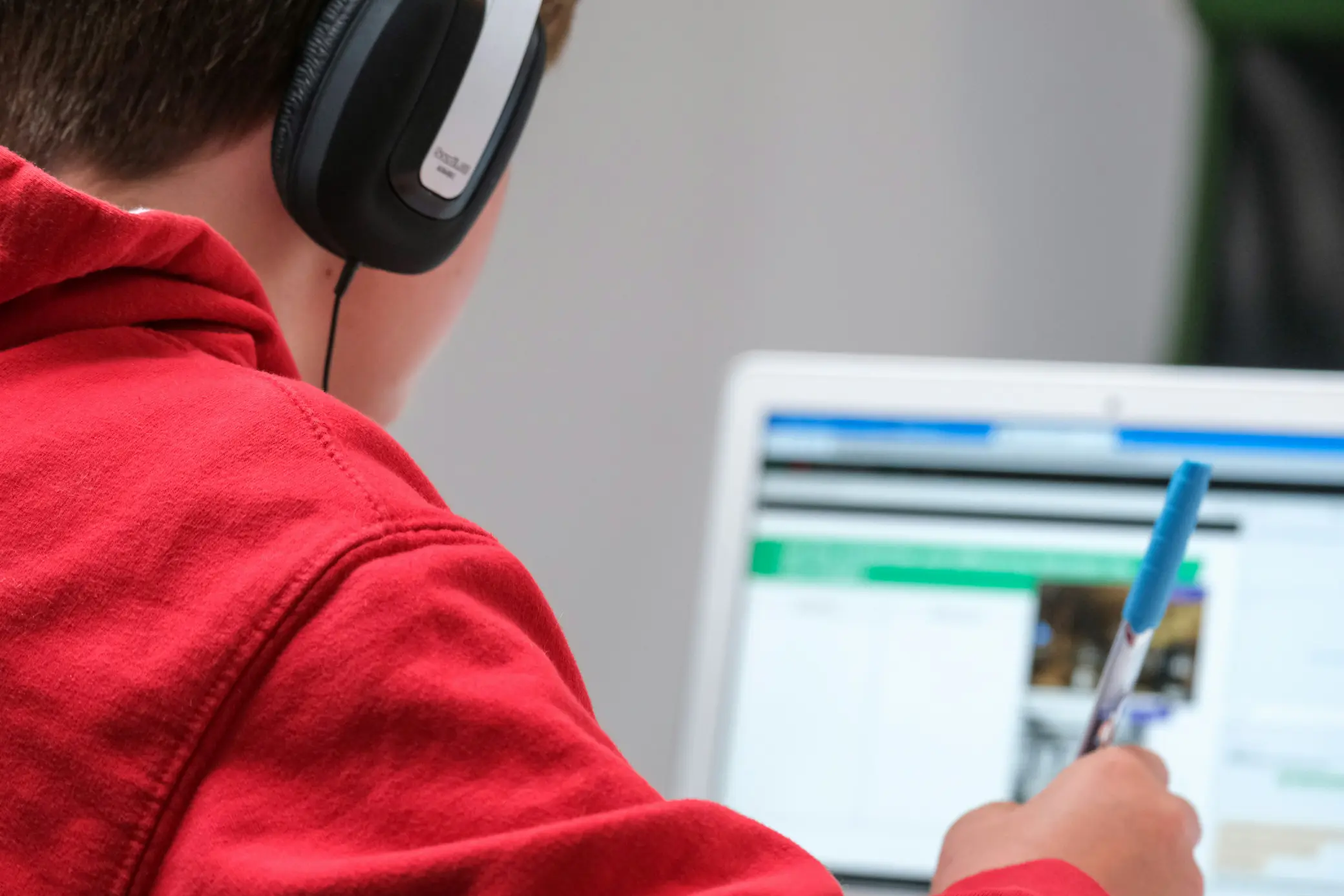
Online credit recovery options have gained popularity due to their flexibility and personalized approach. Virtual Learning Virginia programs allow students to work at their own pace while receiving support from certified online instructors. These programs include interactive coursework, multimedia presentations, and real-time feedback to improve the learning experience.
Several Virginia school districts have implemented successful credit recovery programs. For example, Fairfax County Public Schools offers online and in-person options through summer programs and Virtual Virginia. Richmond Public Schools operates comprehensive programs that combine online learning with in-person support.
Fullmind provides virtual credit recovery solutions that combine certified educators with customized learning platforms. Their programs offer online learning flexibility while maintaining quality instruction and personalized support. This approach represents how credit recovery programs provide flexible scheduling, individualized attention, and comprehensive support to help students achieve graduation goals.
Eligibility and Enrollment Process
Understanding the eligibility requirements and enrollment process is important for students considering credit recovery programs in Virginia. The following criteria typically apply:
Eligibility Requirements:
- Students must have failed or received incomplete grades in required courses.
- Must be currently or recently enrolled in a Virginia high school.
- Students must complete coursework within the program timeframe.
- For students under 18.
- Students with Individualized Education Programs (IEPs) are eligible, with appropriate accommodations.
Enrollment Process:
- Schedule a consultation with your school counselor to assess credit deficiencies.
- Complete the application for the credit recovery program.
- Obtain parental/guardian approval and signatures on required forms.
- Review and agree to program expectations and timelines
- Pay any associated fees (if applicable)
- Attend orientation before starting coursework
The enrollment process begins with a meeting between the student, parent, and school counselor to review the student's transcript and identify credit deficiencies. The counselor will help determine the best credit recovery options for the student's needs, schedule, and learning preferences. Students should be ready to discuss their challenges and demonstrate commitment to completing the program.
Enrollment deadlines vary by program type and school district. Summer credit recovery programs require enrollment by late spring, while online programs may offer more flexible enrollment periods throughout the school year.
Benefits of Credit Recovery
Credit recovery programs offer advantages beyond earning missing credits, impacting students' academic performance, personal development, and future opportunities.
Credit recovery programs allow students to improve their grades and GPA while staying on track for graduation. Research shows that participants are more likely to graduate on time. Well-designed programs can significantly improve graduation rates for at-risk students.
The personal benefits of credit recovery are important. Students often experience increased self-confidence and motivation as they complete courses they previously struggled with. This sense of accomplishment can transform a student's attitude toward learning, leading to improved performance in other areas of their academic career.
Credit recovery positively impacts future opportunities by ensuring students meet graduation requirements and maintain eligibility for college admissions and financial aid. Many colleges view successful completion of credit recovery programs as evidence of a student's determination and commitment to education. Employers value the persistence and problem-solving skills of students who overcome challenges through credit recovery.
Many credit recovery programs employ personalized learning strategies that help students develop better study habits, time management skills, and self-advocacy abilities that benefit them throughout their lives.
Online Credit Recovery Options
Online credit recovery programs have revolutionized how students catch up on missing credits while maintaining schedule flexibility. These virtual learning options offer several advantages over traditional classroom-based programs.
The primary benefit of online credit recovery is flexibility. Students can complete coursework at their own pace, during convenient hours, and from any location with internet access. This flexibility is valuable for students with part-time jobs, family responsibilities, or extracurricular activities that conflict with traditional schedules.
Online programs typically include interactive coursework that engages students through multimedia presentations, virtual labs, and gamified learning. Students receive immediate feedback on assignments and assessments, allowing them to quickly identify and address learning gaps. Most programs provide access to certified instructors who offer support through virtual office hours, email, and online tutoring.
Important features of quality online credit recovery programs include:
- Courses that meet Virginia state standards
- Certified, experienced teachers providing instruction and support
- Comprehensive curriculum aligned with graduation requirements
- Technical support and user-friendly learning platforms
- Regular progress monitoring and reporting
- Flexible pacing options with clear deadlines
- Interactive content and engaging learning activities
Fullmind's online credit recovery programs exemplify quality standards by providing accredited courses taught by certified Virginia educators. This ensures students receive the same high-quality instruction as traditional classrooms while benefiting from the flexibility and personalization of online learning.
Costs and Funding for Credit Recovery
Understanding the financial aspects of credit recovery programs helps students and families make informed decisions about their educational options. In Virginia, the cost structure varies by program type and provider.
Most Virginia public school credit recovery programs are free for students and families. This includes summer school, after-school sessions, and many online options. Public school credit recovery programs are funded through state and local education budgets, making them accessible to all eligible students regardless of their family's financial situation.
Some specialized programs or private providers may charge tuition fees of $300 to $1,000 USD per course, depending on the program's duration, support level, and additional services. These costs may cover materials, technology access, and extended instructional support beyond free public programs.
Several funding options may be available for families facing financial challenges. Some school districts offer need-based scholarships or payment plans for credit recovery programs. Community organizations and local businesses sometimes provide grants or sponsorships for students. Students and families should discuss financial concerns with their school counselor, who can help identify available resources and assistance programs.
Success Stories and Testimonials
Credit recovery programs have transformed countless students' educational trajectories in Virginia. Consider Maria, a Richmond-area student who faced challenges during her junior year due to family circumstances affecting her attendance and performance. After failing three required courses, Maria was at risk of not graduating with her class.
Maria retook the failed courses during the summer through her school's credit recovery program, using online coursework and in-person support. The flexible scheduling allowed her to manage family responsibilities while the personalized instruction helped her master previously difficult concepts. Maria earned the credits she needed and improved her understanding of the subject, benefiting her senior year performance.
"Credit recovery gave me a second chance when I thought graduation was impossible. The teachers were supportive, and the online format let me learn at my own pace. I graduated on time with my class and received a college scholarship. Without credit recovery, I don't know where I'd be today."
This success story reflects the experiences of thousands of Virginia students who used credit recovery programs to overcome academic challenges and achieve their goals. The combination of flexible learning options, supportive instruction, and personalized attention creates an environment for success despite setbacks.
Challenges and Limitations
While credit recovery programs offer valuable opportunities, students may face challenges that require preparation and support to overcome. Understanding these obstacles helps students develop strategies for success.
Time management is a common challenge in credit recovery programs. Students must balance credit recovery coursework with their regular classes, extracurricular activities, and personal responsibilities. The condensed nature of credit recovery programs requires intensive focus and consistent effort, which can overwhelm students who previously struggled with time management.
Motivation and self-discipline are crucial for online credit recovery programs, where students have more independence but less supervision. Some struggle to maintain progress without the structure of traditional classroom schedules and face-to-face interaction with teachers and peers.
Tips for overcoming credit recovery challenges:
- Create and stick to a detailed study schedule.
- Establish a dedicated, distraction-free study space
- Seek tutoring support when struggling with course content.
- Communicate regularly with instructors and ask questions when confused.
- Set realistic daily and weekly course completion.
- Utilize all available resources and support services.
Not all courses may be available for credit recovery. Some Virginia school districts limit which courses can be retaken through credit recovery programs, especially advanced or specialized courses. Students should verify course availability early in the planning process to avoid disappointment.
Comparison with Other States
Virginia's credit recovery approach reflects best practices while maintaining unique characteristics compared to other states. The state's emphasis on rigorous academic standards and flexible graduation pathways aligns with successful nationwide models.
Florida and Texas have developed extensive online credit recovery systems that guide other states' programs. Virginia's credit recovery system incorporates similar technological innovations while maintaining stronger oversight of program quality and instructor qualifications. Virginia requires credit recovery programs to use certified teachers and meet the same academic standards as traditional courses, ensuring quality but limiting flexibility compared to other states.
Virginia's approach integrates credit recovery options with the state's virtual learning initiatives. The Virginia Department of Education has aligned credit recovery programs with broader educational technology goals, creating seamless transitions between traditional and alternative learning environments.
Some states offer more extensive adult education credit recovery options. However, Virginia's programs focus on currently enrolled high school students. Virginia's strong partnerships between public schools and community colleges provide alternative pathways for adult learners to complete their high school education.
Student Resources and Support
Virginia students have access to resources and support services to succeed in credit recovery programs. Utilizing these improves the likelihood of successful completion.
Available Resources:
- School Counselors: Provide academic planning, program selection guidance, and ongoing support during the credit recovery process.
- Tutoring Services: Many school districts offer free tutoring to complement credit recovery coursework, including in-person and online options.
- Online Learning Platforms: Virginia Virtual School and district-specific platforms provide access to courses and materials.
- Community Organizations: Local nonprofits and community groups provide academic support, mentoring, and college preparation services.
- Libraries: Public libraries offer quiet study spaces, computer access, and sometimes tutoring services.
School counselors are the primary contact for students considering credit recovery options. They can assess needs, recommend programs, and provide ongoing support. Students should maintain regular communication with their counselors to address challenges and celebrate progress.
High-dosage tutoring programs provide intensive academic support to improve student outcomes in credit recovery programs. These services offer personalized instruction that addresses learning gaps and builds confidence.
FAQ
Q: How long does credit recovery take?
A: The duration varies by program type and student pace. Summer credit recovery programs run 3-8 weeks, while online programs allow 8-16 weeks. Self-paced online options offer more flexibility, letting motivated students finish courses faster.
Q: Can adults join credit recovery programs in Virginia?
A: Most credit recovery programs are for currently enrolled high school students. However, adults seeking to complete their high school education can explore Virginia's adult education programs, community college partnerships, and GED preparation services.
Q: What happens if a student fails a credit recovery course?
A: Students who fail credit recovery courses usually have more opportunities to retake the course or explore alternative options like different program formats, additional support services, or alternative education programs. School counselors work with students to develop new graduation plans.
Q: Is credit recovery the same as summer school? How are they different?
A: Summer school often includes credit recovery options, but the terms aren't identical. It may include both credit recovery (retaking failed courses) and credit advancement (taking new courses early). Credit recovery focuses on earning credits for previously attempted courses, while summer school can encompass broader educational goals.
Conclusion
Virginia credit recovery programs provide pathways for students to overcome academic challenges and achieve graduation goals. These resources ensure temporary setbacks don't derail students' educational journeys.
Virginia students benefit from a comprehensive support system with qualified instructors, technology resources, and counseling services that foster success for motivated students. Students can find appropriate credit recovery options to meet their specific needs and circumstances, whether facing credit deficiencies due to personal challenges, academic struggles, or other options.
Success in credit recovery requires commitment, planning, and seeking help. Students who use resources, maintain effort, and communicate with their support network are well-positioned to complete their programs and graduate on time. If you're facing credit challenges, speak with your school counselor about Virginia credit recovery options to achieve your goals.
For Education Leaders
Get proven strategies and expert analysis from the host of the Learning Can't Wait podcast, delivered straight to your inbox.









.webp)


%2520.webp)




















.webp)

.webp)


.webp)


.webp)























.avif)
.avif)


Let’s Work Together


We’ll review your application and get in touch!