Connect with the Fullmind Team

For Education Leaders
Get proven strategies and expert analysis from the host of the Learning Can't Wait podcast, delivered straight to your inbox.
Virtual Staffing
Fill Teacher Vacancies in Days
- State-certified experts averaging 15+ years experience
- Fully aligned to your curriculum & standards
- Scalable, cost-effective hybrid solutions
How Georgia School Districts Are Solving the Teacher Vacancy Crisis
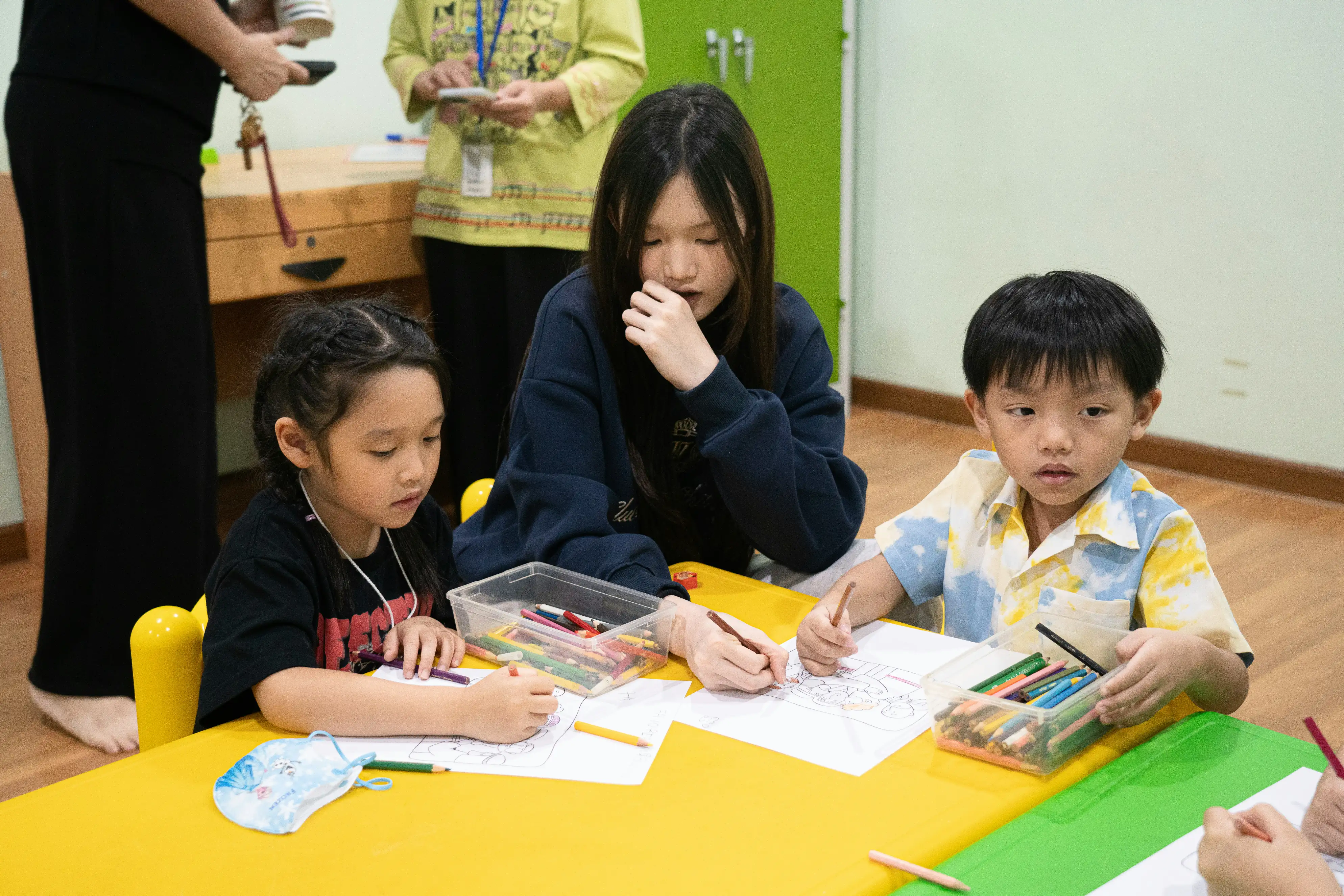
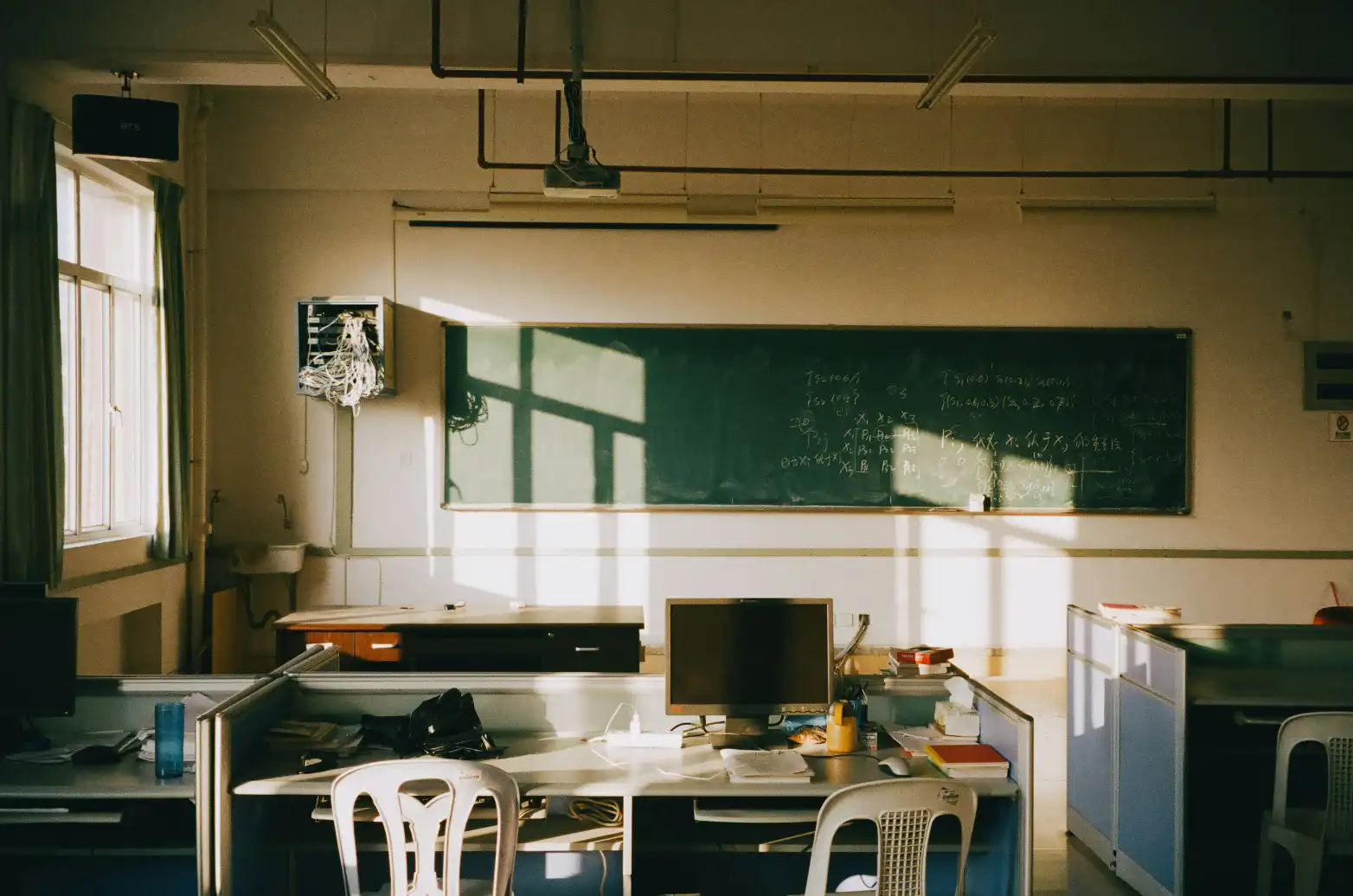
Georgia’s teacher vacancy crisis has reached a critical point, with thousands of unfilled positions affecting student learning. As classrooms remain understaffed and educators leave the profession, Georgia school districts are implementing strategies to combat this challenge. This crisis impacts academic outcomes and strains remaining teachers and support staff.
This article explores Georgia teacher vacancies, examining the root causes of the shortage and solutions deployed by districts statewide. Georgia's educational leaders are working to ensure every student has access to quality instruction despite staffing challenges, from recruitment efforts to virtual staffing partnerships with organizations like Fullmind.
Current State of Teacher Vacancies in Georgia
The Georgia Department of Education reports that the state faces approximately 3,200 teacher vacancies, a 15% increase from the previous year. These shortages span urban, suburban, and rural districts, with some areas experiencing vacancy rates exceeding 20% in critical subjects.
Atlanta Public Schools reported 187 unfilled teaching positions. Rural Telfair County faces nearly 25% vacancy rates. Metropolitan Fulton, Gwinnett, and Cobb counties account for over 800 vacant positions.
STEM and special education are the most understaffed areas, with math and science positions comprising 35% of vacant roles. Special education vacancies have severe implications, as federal mandates require schools to provide specialized services regardless of staffing challenges. Secondary English and social studies positions also face shortages, with many schools relying on substitutes, combining classes, or partnering with staffing agencies to maintain instruction.
Georgia teacher vacancies are not just a numbers problem but a systemic challenge affecting educational quality across all demographics. Districts serving high-poverty populations experience higher vacancy rates, creating equity concerns for students facing educational disadvantages.
Reasons for Teacher Shortages
Georgia's teacher salary structure drives staffing challenges. According to the National Education Association's rankings, the state's average teacher salary of $56,329 is about $9,000 below the national average of $65,000. Compared to neighboring states, Georgia teachers earn more than those in North Carolina ($47,000) and Tennessee ($52,000), despite similar cost-of-living factors.
The compensation gap becomes more pronounced when considering total benefits packages. Many Georgia districts struggle to offer competitive health insurance, retirement contributions, and professional development stipends to attract and retain quality educators. First-year teachers face financial pressures driving them toward alternative careers or out-of-state opportunities with better compensation.
Teacher Burnout
In Georgia, teacher burnout in Georgia is epidemic, with surveys indicating 68% of educators feel overwhelmed by their responsibilities. Contributing factors include increasing administrative duties, larger class sizes averaging 28 students, and inadequate planning time.
Addressing student mental health needs, managing diverse learning requirements, and meeting standardized testing pressures has created unsustainable working conditions. Many teachers feel like social workers, counselors, and parents rather than educators, as schools ask them to fill multiple roles without additional training or compensation.
Retirement and Attrition
Georgia faces a "silver tsunami" as experienced educators retire, with about 1,200 teachers retiring annually. However, attrition extends beyond retirement, as early-career teachers leave within their first 5 years at rates approaching 40%.
Exit interviews reveal that teachers leaving the profession cite lack of administrative support, limited career advancement opportunities, and work-life balance concerns as primary factors. The loss of institutional knowledge when experienced educators retire creates additional challenges for schools trying to maintain program quality and mentor new staff.
Lack of Qualified Candidates
Traditional teacher preparation programs are producing fewer graduates interested in classroom instruction. University education programs report declining enrollment, with some institutions seeing 30% fewer students entering teaching tracks compared to pre-2020 levels.
The pipeline problem is worsened by negative public perception of teaching, social media highlighting classroom challenges, and competition from other professions with better compensation and working conditions. High-need subjects like mathematics, science, and special education face recruitment challenges due to the specialized knowledge required and alternative career opportunities.
Impact on Education and Students
Georgia teacher vacancies compromise student learning outcomes. High vacancy rates report lower standardized test scores, reduced course offerings, and increased behavioral incidents as class sizes expand and individual attention decreases. When long-term substitutes without expertise fill vacant positions, students in mathematics and science courses suffer.
The ripple effects extend beyond academic performance. Remaining teachers face increased workloads, covering additional classes during planning periods and managing larger student rosters. This stress contributes to higher turnover rates, creating a cycle that destabilizes school environments.
Jefferson High School faced 3 math teacher vacancies that forced administrators to combine Algebra II and Pre-Calculus classes, creating mixed-ability groups of 35 students. The school's remaining math teacher manages 6 different course preparations, while students receive less individualized support during challenging mathematical concepts.
When schools can’t offer advanced placement courses, eliminate electives, or reduce extracurriculars due to staffing limitations, Georgia education quality suffers. These cuts affect student engagement and college preparedness, particularly in rural districts with fewer community resources.
Efforts to Address Vacancies
The Georgia Department of Education has implemented initiatives to combat teacher shortages. These initiatives include signing bonuses up to $5,000 for hard-to-staff subjects and locations. The state's loan forgiveness program provides up to $7,500 annually for teachers in high-need schools, while some districts offer housing assistance and moving stipends to attract out-of-state candidates.
Districts are experimenting with flexible scheduling, 4-day school weeks, and extended planning periods to improve working conditions. Professional development opportunities, including tuition reimbursement for advanced degrees, help retain staff while building expertise.
Alternative Certification Pathways
Georgia has expanded alternative certification programs to attract career changers and recent graduates with degrees in high-need subjects. The Georgia Teacher Alternative Preparation Program (GaTAPP) allows individuals with bachelor's degrees to start teaching while completing certification requirements through evening and weekend coursework.
Military veterans receive additional support through specialized transition programs that recognize leadership experience and provide accelerated pathways to classroom instruction. These programs have placed over 400 new teachers in Georgia schools in the past 2 years.
Recruitment and Retention Programs
Successful teacher recruitment initiatives include partnerships with Historically Black Colleges and Universities (HBCUs) to create teacher pipeline programs, and offering scholarships in exchange for teaching commitments. Districts are investing in mentorship programs that pair new teachers with experienced colleagues, reducing early-career attrition rates.
Social media campaigns that highlight the positive aspects of teaching, competitive benefits packages, and community support help counter negative perceptions about education careers. Some districts have succeeded with "grow your own" programs that encourage high school students and paraprofessionals to pursue teaching degrees.
The Role of Virtual Staffing Solutions
Organizations like Fullmind provide Virtual Staffing Solutions that help Georgia districts address immediate staffing needs while maintaining instructional quality. These services offer live, certified teachers delivering instruction across all subjects and learner needs, with a flexible curriculum tailored to school and district requirements.
Virtual teaching platforms can fill hard-to-staff positions, expand course offerings for advanced or specialized subjects, and support students with diverse learning needs. This technology-enabled approach allows districts to access qualified educators regardless of geographic limitations, benefiting rural schools with limited local candidate pools.
Fullmind: A Solution for Georgia Schools
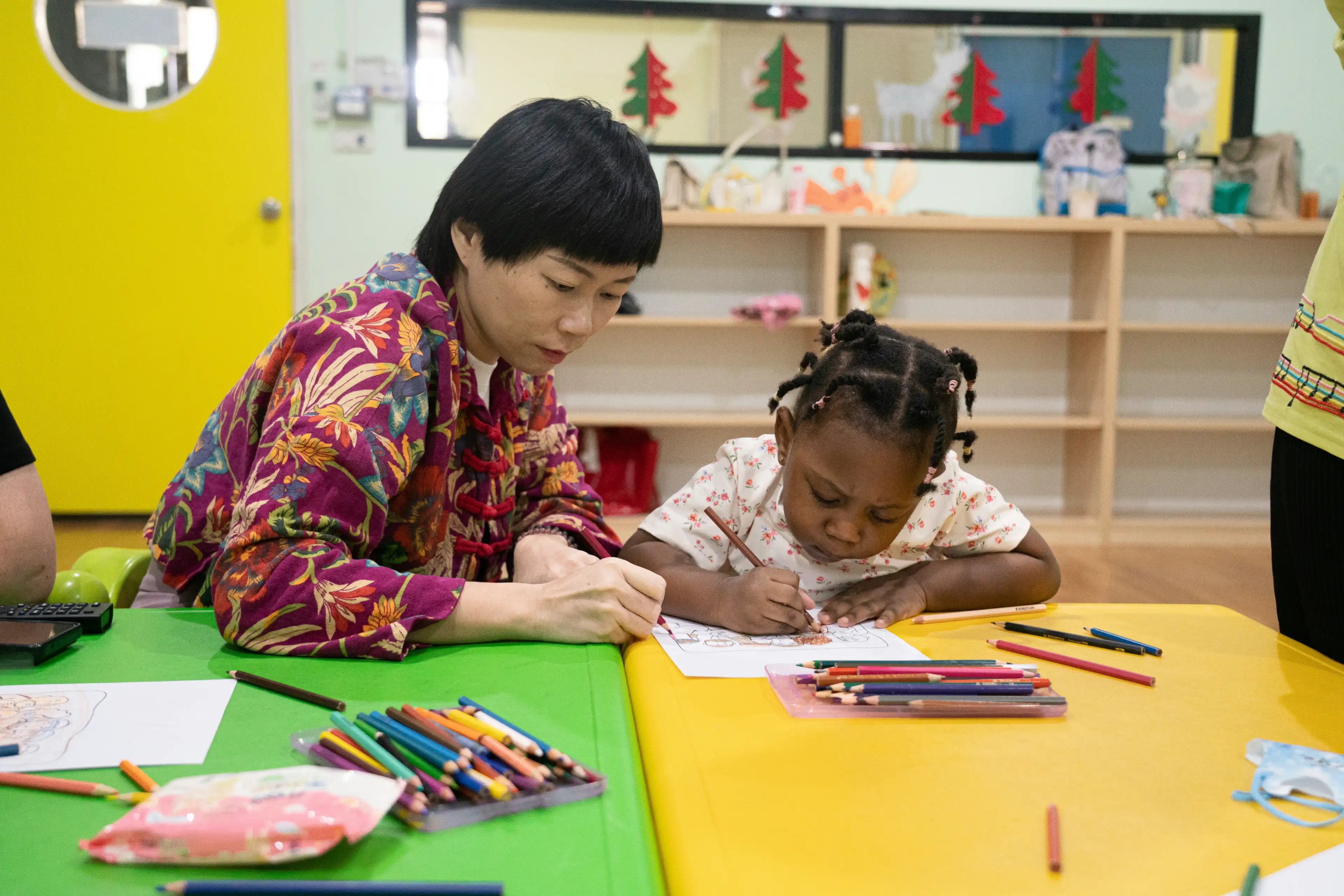
Fullmind's approach to addressing Georgia teacher vacancies centers on providing live, certified teachers delivering high-quality instruction through advanced technology. Unlike pre-recorded content or basic video conferencing, Fullmind's educators create interactive learning environments that engage students and maintain essential personal connections.
The platform's flexibility allows Georgia schools to customize curriculum delivery based on their needs, state standards, and student populations. Fullmind adapts to district requirements while maintaining instructional quality, whether filling a mathematics position or expanding STEM offerings.
Over 600 schools and districts nationwide use Fullmind's services, including virtual staffing, SWD services & IEP fulfillment, homebound instruction, High Dosage Tutoring, test prep, virtual suspension rooms, credit recovery, and attendance management. This approach ensures uninterrupted student learning despite staffing challenges.
Georgia districts partnering with Fullmind report improved student outcomes, reduced administrator stress, and greater course scheduling flexibility. The service benefits rural students who can now access advanced placement courses and specialized instruction previously unavailable due to teacher shortages.
High-Need Areas and Subjects
Georgia's most critical staffing challenge is STEM education, with mathematics and science positions remaining vacant for extended periods. Rural districts face difficulties recruiting qualified STEM teachers due to limited housing, lower salaries, and fewer professional development opportunities compared to urban areas.
Special education vacancies create compliance issues for districts required to provide specialized services under federal mandates. The specialized training for special education certification, combined with the emotional demands of working with diverse learners, contributes to high turnover rates. Virtual Special Education Services can help districts maintain compliance while supporting student needs.
Geographic isolation compounds staffing challenges in rural counties like Echols, Webster, and Quitman, where small populations and limited amenities make teacher recruitment difficult. These districts rely on emergency certifications and long-term substitutes, compromising instructional quality and continuity.
How to Apply for Teaching Jobs in Georgia
Prospective teachers can find Georgia teacher vacancies through several channels:
- Visit the Georgia Department of Education website (gadoe.org) for statewide job postings.
- Check individual school district websites for openings.
- Use education-specific job boards like SchoolSpring and K12JobSpot.
- Contact district human resources directly.
- Attend job fairs by the Georgia Association of Colleges for Teacher Education.
- Network through professional organizations like the Georgia Association of Educators
The application process typically requires transcripts, certification documents, letters of recommendation, and background checks. Many districts conduct virtual interviews to streamline hiring and reach out-of-state candidates.
This is a general overview. Always check the official Georgia Department of Education website for the latest requirements.
Certification and Requirements
Georgia teacher certification, candidates must complete an approved educator preparation program and pass the Georgia Assessments for the Certification of Educators (GACE) tests. The Georgia Professional Standards Commission (GaPSC) oversees certification processes and maintains current requirements on their website.
Alternative certification pathways accommodate career changers through programs like GaTAPP, which allows teaching while completing certification requirements. Emergency certifications provide temporary authorization for critical shortage areas while candidates complete full certification processes.
Requirements vary by subject area and grade level. Special education and STEM fields often require additional endorsements or specialized training. Interstate reciprocity agreements facilitate certification transfers for teachers moving to Georgia from states with comparable requirements.
Future Outlook for Teacher Vacancies
Projections indicate that teacher vacancies in Georgia will persist through at least 2028, with retirement rates outpacing new teacher graduates. Rural districts will face ongoing challenges due to population decline and limited resources for competitive compensation.
Policy discussions focus on comprehensive education reform including salary increases, improved working conditions, and support systems for new teachers. The Georgia General Assembly is debating funding mechanisms for significant teacher pay raises and infrastructure improvements to address the teacher shortage.
Long-term solutions require coordinated efforts between state government, local districts, higher education, and community stakeholders to create sustainable pathways into teaching careers. Technology integration and virtual teaching platforms will play important roles in ensuring instructional continuity.
Support for New Teachers
Georgia offers resources for beginning educators, including the Georgia Beginning Teacher Mentoring Program, which pairs new teachers with experienced colleagues for guidance. Professional learning communities help new teachers develop instructional skills and build relationships within their schools.
Teacher professional development opportunities include state-funded training workshops, conference attendance stipends, and online learning modules on classroom management, differentiated instruction, and technology integration. Many districts offer local support through new teacher orientations, regular check-ins with administrators, and reduced teaching loads during the first year.
The Georgia Department of Education maintains resource libraries, instructional frameworks, and standards-based curriculum guides to help new teachers plan effective lessons and assess student progress. These supports aim to improve retention rates and ensure new teachers feel prepared for classroom success.
FAQ
Q: What teacher retention strategies are being implemented in Georgia?
A: Georgia districts implement mentorship programs, professional development, competitive compensation, and improved working conditions. Some offer housing assistance, flexible scheduling, and career advancement. Administrative support and reduced non-instructional duties help retain quality educators.
Q: How has COVID-19 impacted teacher vacancies in Georgia?
A: The pandemic worsened teacher burnout through increased stress, technology demands, and health concerns. Many teachers retired early or changed careers, while fewer college students entered education programs. Remote learning challenges and ongoing safety concerns continue affecting educator well-being and retention.
Q: How do Georgia teacher vacancies compare to national trends?
A: Georgia teacher vacancies align with national shortage trends, though the state faces challenges in rural areas and STEM subjects. While Georgia's 15% vacancy rate is significant, national data varies by source and methodology, making direct comparisons challenging. However, the state's approaches to virtual staffing and alternative certification show promise for addressing these challenges more effectively than neighboring states.
Conclusion
The severe teacher vacancy crisis in Georgia, marked by over 3,200 unfilled positions, requires immediate and multifaceted solutions. While state initiatives, improved compensation, and alternative certification pathways like GaTAPP are vital for long-term recovery, districts are increasingly turning to innovative strategies to maintain instructional quality. Virtual staffing solutions, such as those provided by Fullmind, are proving essential for filling critical roles, especially in high-need STEM and special education areas, and for bringing much-needed stability to classrooms across the state. By combining policy reform with technological adaptability, Georgia's educational leaders can better ensure all students receive the high-quality instruction they deserve.
For Education Leaders
Get proven strategies and expert analysis from the host of the Learning Can't Wait podcast, delivered straight to your inbox.