Connect with the Fullmind Team

For Education Leaders
Get proven strategies and expert analysis from the host of the Learning Can't Wait podcast, delivered straight to your inbox.
Virtual Staffing
Fill Teacher Vacancies in Days
- State-certified experts averaging 15+ years experience
- Fully aligned to your curriculum & standards
- Scalable, cost-effective hybrid solutions
Neuroscience of Learning & Memory: A Guide for Educators
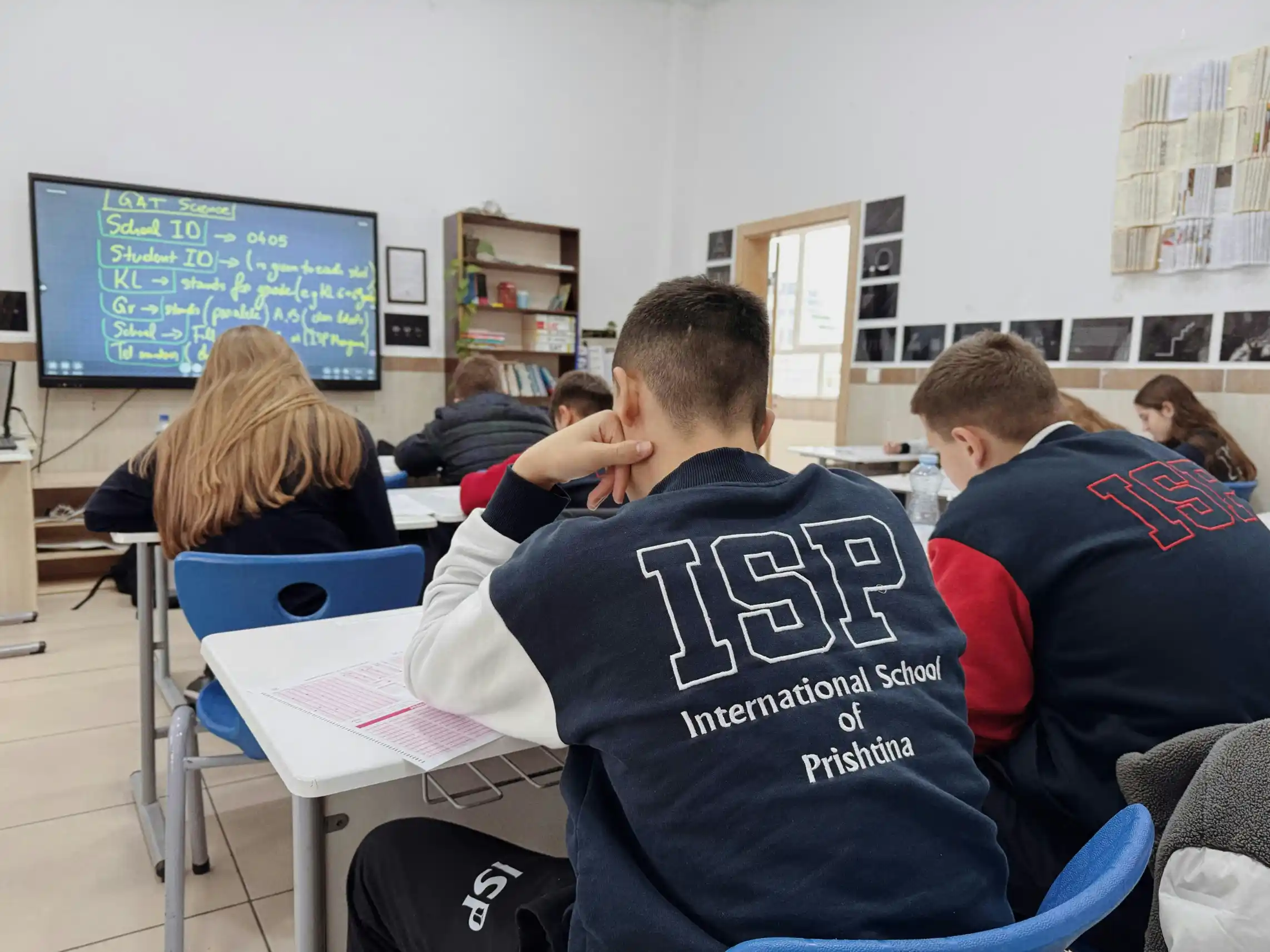
Every day, you stand in front of a classroom of unique minds. Some students grasp concepts instantly, while others struggle to retain information. What if you had deeper insight into their brains and could apply brain-based differentiated instruction to meet each student's learning needs?
Educational neuroscience isn't just another buzzword. It's a framework that bridges cognitive science and classroom practice. Understanding the neuroscience of learning and memory can transform your teaching through brain-based learning techniques that improve student outcomes.
This guide breaks down how students learn into three key pillars: encoding, consolidation, and retrieval. We provide practical, brain-based learning strategies for your classroom, including metacognition strategies for deeper learning. Understanding the "why" behind effective teaching methods helps you make intentional instructional decisions for all learners.
What is Educational Neuroscience? Separating Fact from Fiction
Educational neuroscience represents the intersection of cognitive neuroscience, developmental psychology, and education. This field seeks to apply scientific evidence about the brain to improve educational practices, including brain-based holistic learning approaches that consider the whole child. It's not about providing teachers with a "magic bullet" or a one-size-fits-all approach, but understanding the principles that make learning effective.
Educational neuroscience helps us ask better questions: Why do some teaching methods work better? How can we optimize the learning environment for different learners? What conditions help or hinder memory formation? These neuroscience foundations for future learning become increasingly important as we develop new educational technologies and approaches.
Before diving deeper, it's important to address some persistent "neuromyths" in education:
- Myth: People are "left-brained" or "right-brained." Reality: Certain functions are lateralized, but complex tasks require communication across both hemispheres. Effective learning engages multiple brain regions.
- Myth: Students have fixed "learning styles" (visual, auditory, kinesthetic). Reality: While students have preferences, research shows the most effective learning happens when information is presented in multiple modalities (multi-sensory learning), not matched to a preferred style.
- Myth: We only use 10% of our brains. Reality: During normal cognitive tasks, nearly all brain regions are active. Different tasks activate different regions, but there’s no vast untapped reservoir of brain potential.
We can explore the foundational concept of neuroplasticity with a clear understanding of educational neuroscience.
Neuroplasticity in the Classroom
Neuroplasticity refers to the brain's ability to reorganize itself by forming new neural connections throughout life. Learning causes physical changes in the brain. This understanding of learning science foundations challenges outdated notions that intelligence is fixed or that certain students "can't learn" particular subjects.
Think of learning as creating a path through a dense forest. When you first encounter new information, it's like trying to navigate a thick underbrush, difficult and requiring effort. Each time you revisit that information, the path becomes clearer and easier. Eventually, with enough trips, you create a well-worn path that's easy to navigate. This is how neural pathways are formed and strengthened in the brain—concepts that are increasingly important in teacher professional development programs today.
As an educator, you're a "neural architect." Every lesson, review session, and feedback you provide builds and strengthens neural pathways in your students' brains. Understanding neuroplasticity in the classroom transforms our role; we're not just delivering content, we're changing brains through brain-based differentiated instruction that meets each learner's unique needs.
This principle is why consistent, targeted support like high-dosage tutoring can create profound and lasting academic gains. The repeated, focused engagement with material creates stronger, more accessible neural pathways that persist over time.
Neuroplasticity works throughout life, though it's robust during childhood and adolescence. Even students who have struggled for years can progress given the right conditions and support through brain-based learning techniques. The brain remains malleable, ready to form new connections with appropriate learning opportunities.
The Three Pillars of Memory: An Educator's Framework
Understanding how memories form provides a framework for designing effective instruction. Memory formation occurs in three stages: encoding, consolidation, and retrieval. By optimizing our teaching for these stages, we can improve students' ability to learn and retain information.
Pillar 1: Encoding: Making Learning Stick
Encoding is the initial process of converting sensory input into a storable memory form. It is the "getting it in" phase of learning. Several factors impact the strength of this initial encoding:
- Attention is crucial for encoding: The prefrontal cortex acts as a gatekeeper, determining what information is important to process. In today's distraction-filled world, capturing and maintaining student attention is more challenging and crucial than ever.
- Elaboration & Prior Knowledge: The brain encodes new information more effectively when it connects to existing knowledge. Activating prior knowledge is powerful; it provides "hooks" for new learning.
- Multi-Sensory Input: When information enters the brain through multiple sensory channels (sight, sound, touch), it creates a richer, more robust memory trace with multiple retrieval pathways.
Actionable Classroom Strategies:
- Think-Pair-Share: This technique forces students to actively process information, articulate their understanding, and hear alternative perspectives, creating multiple encoding pathways.
- Graphic Organizers: Visual tools help students see relationships between concepts and connect new information to existing knowledge.
- Using Analogies and Metaphors: These create strong bridges between unfamiliar concepts and familiar experiences, making abstract ideas concrete and memorable.
Pillar 2: Strengthening Long-Term Memories
Consolidation is the process by which temporary, fragile memories become stable, long-term memories. It happens largely outside of conscious awareness and continues well after the initial learning experience.
The Crucial Role of Sleep: During sleep, especially deep sleep, the hippocampus "replays" the day's learning experiences, transferring them to the neocortex for permanent storage. Research shows that students who sleep well after learning retain significantly more than those who don't. This explains why all-night cramming sessions are ineffective; they sacrifice the critical consolidation phase of memory formation.
The "spacing effect" is a key finding in cognitive science. Learning is more effective when study sessions are spaced out over time rather than crammed together. These gaps allow time for consolidation processes to strengthen neural connections.
Actionable Classroom Strategies:
- Spaced Review: Instead of covering a topic once, build in short, cumulative review sessions throughout a unit. Even 5-10 minutes of revisiting content boost retention.
- Homework Design: Assign work that revisits concepts from previous days or weeks, not just the current day's lesson, to reinforce neural pathways during the critical consolidation period.
- Advocate for Healthy Sleep Habits: Communicate with parents and students about the academic impact of sleep. Help students understand that sleep isn't just for rest; it's when their brains cement the day's learning.
Pillar 3: The Secret to Stronger Learning
Retrieval refers to accessing previously learned information from memory. One of the most powerful ways to strengthen that memory is by pulling information out of memory through retrieval practice.
Simply re-reading notes or textbooks is an ineffective study strategy because it doesn't require active retrieval. In contrast, forcing yourself to recall information creates a "desirable difficulty" that strengthens the neural pathways associated with that knowledge.
The Testing Effect: Research shows that low-stakes testing improves long-term retention, not just because it measures learning, but because retrieval enhances learning. Tests are powerful learning tools, not just assessment tools.
Actionable Classroom Strategies:
- Low-Stakes Quizzes: Start class with a 2-3 question quiz on yesterday's material. Keep these frequent, brief, and low-pressure.
- "Brain Dumps": At the beginning or end of a lesson, have students write down everything they remember about a topic, without consulting their notes.
- Student-Generated Questions: Task students with creating their own quiz questions for a partner. This requires information retrieval and deeper processing to generate meaningful questions.
Managing Key Influences on Learning
Beyond memory, environmental and emotional factors influence the brain's learning ability. As educators, managing these is half the battle.
The Role of Attention and Cognitive Load
Attention is a finite resource, and the brain can only process a limited amount of information at once. Cognitive load refers to the amount of working memory resources used during learning. Educators should understand three types of cognitive load:
- Intrinsic load: The inherent difficulty of the material
- Extraneous load: Unnecessary cognitive demands from poor instruction or distractions
- Germane load: The productive mental work that leads to learning.
Effective teaching minimizes extraneous load (the "noise") while optimizing germane load (productive thinking). Strategies include breaking complex tasks into manageable steps, using clear language, and removing distracting or irrelevant information.
How Emotion and Stress Shape Learning
The brain's emotional and learning systems are linked. The amygdala, the brain's emotion and threat detector, determines what information reaches the prefrontal cortex and hippocampus, regions essential for thinking and memory formation.
When students feel stressed, anxious, or unsafe, the amygdala triggers cortisol (the stress hormone) release and hijacks cognitive resources. This "emotional hijacking" makes it difficult for students to focus, reason, or form new memories.
Creating psychologically safe classrooms where students feel valued, respected, and supported—whether in academic or civic education contexts—isn't just about well-being; it's about optimal learning. Simple practices like greeting students by name, validating their contributions, and teaching stress-management techniques can impact learning outcomes.
Supporting Diverse Learners Through a Neuroscience Lens
Understanding neuroplasticity gives us a framework for supporting diverse learners. If all brains can change and grow, then learning differences are not fixed limitations but indications that different neural pathways and approaches are needed.
Managing cognitive load is critical for Students with Disabilities (SWD). They often expend considerable mental energy on tasks that may be automatic for others. Providing appropriate accommodations isn't about "lowering standards"; it's about removing barriers so they can access grade-level content.
Creating individualized pathways and providing targeted support aligns with how the brain learns best. This level of differentiation presents challenges for teachers who are already stretched thin by large class sizes and diverse student needs.
For many schools, providing tailored, evidence-based instruction for every student, from those needing IEPs to those requiring credit recovery, is a staffing challenge. Fullmind helps bridge this gap by connecting schools with live, certified virtual educators who specialize in delivering customized learning solutions. By providing the right expert support at the right time, we help you apply these principles of learning science to meet the needs of every student in your district.
Your Brain-Based Teaching Toolkit
Here's your quick reference guide to brain-aligned teaching strategies, organized by the memory process they support:
To Improve Encoding:
- Use multi-sensory lessons that engage visual, auditory, and kinesthetic pathways.
- Before introducing new concepts, activate and connect prior knowledge.
- Use novelty, relevance, and emotion to capture attention.
- Use graphic organizers to visualize relationships between concepts.
- Break complex information into manageable chunks.
To Boost Consolidation:
- Implement spaced review (revisit content multiple times over days/weeks)
- Design homework that includes concepts from previous lessons.
- Encourage good sleep hygiene and educate students about sleep's role in learning.
- Use elaboration techniques (have students explain "why" or connect ideas)
- Include reflection time at the end of lessons.
To Strengthen Retrieval:
- Start class with low-stakes quizzes on previous material.
- Use "brain dumps" where students write everything they recall about a topic.
- Have students teach each other.
- Practice interleaving (mixing different but related concepts in practice)
- Use cumulative assessments that revisit earlier content.
To manage the learning environment:
- Minimize cognitive load by reducing distractions and unnecessary information.
- Foster a positive, low-stress classroom culture that promotes psychological safety.
- Provide appropriate scaffolding that can be gradually removed.
- Include brain breaks for mental rest and processing.
- Use formative assessment to identify and address misconceptions.
Conclusion
For educators, understanding the neuroscience of learning and memory is about becoming a more intentional and effective teacher. The principles we've explored, neuroplasticity, the three-stage memory process, cognitive load, and the emotional foundations of learning, provide a framework for making instructional decisions.
Your work goes beyond lesson plans and grading. You are shaping the neural architecture of the next generation. By embracing the neuroscience of learning and memory for educators, you gain insights to make that impact more profound and lasting. Every review session, feedback conversation, and supportive classroom environment you create physically changes students' brains, strengthening neural connections for a lifetime.
For Education Leaders
Get proven strategies and expert analysis from the host of the Learning Can't Wait podcast, delivered straight to your inbox.


.webp)
.webp)
.webp)

.webp)
.webp)





.webp)












.webp)

.webp)




.webp)

.webp)
.webp)


.webp)

.webp)
.webp)
.webp)
.webp)
.webp)





























Let’s Work Together


We’ll review your application and get in touch!