Connect with the Fullmind Team

For Education Leaders
Get proven strategies and expert analysis from the host of the Learning Can't Wait podcast, delivered straight to your inbox.
Virtual Resource Rooms
Compliant IEP Support Without Staffing Headaches
- Certified SPED teachers for every goal
- Seamless schedule integration & progress dashboards
- Real-time data for reviews & compliance
South Dakota Special Education Laws: Administrator Guide
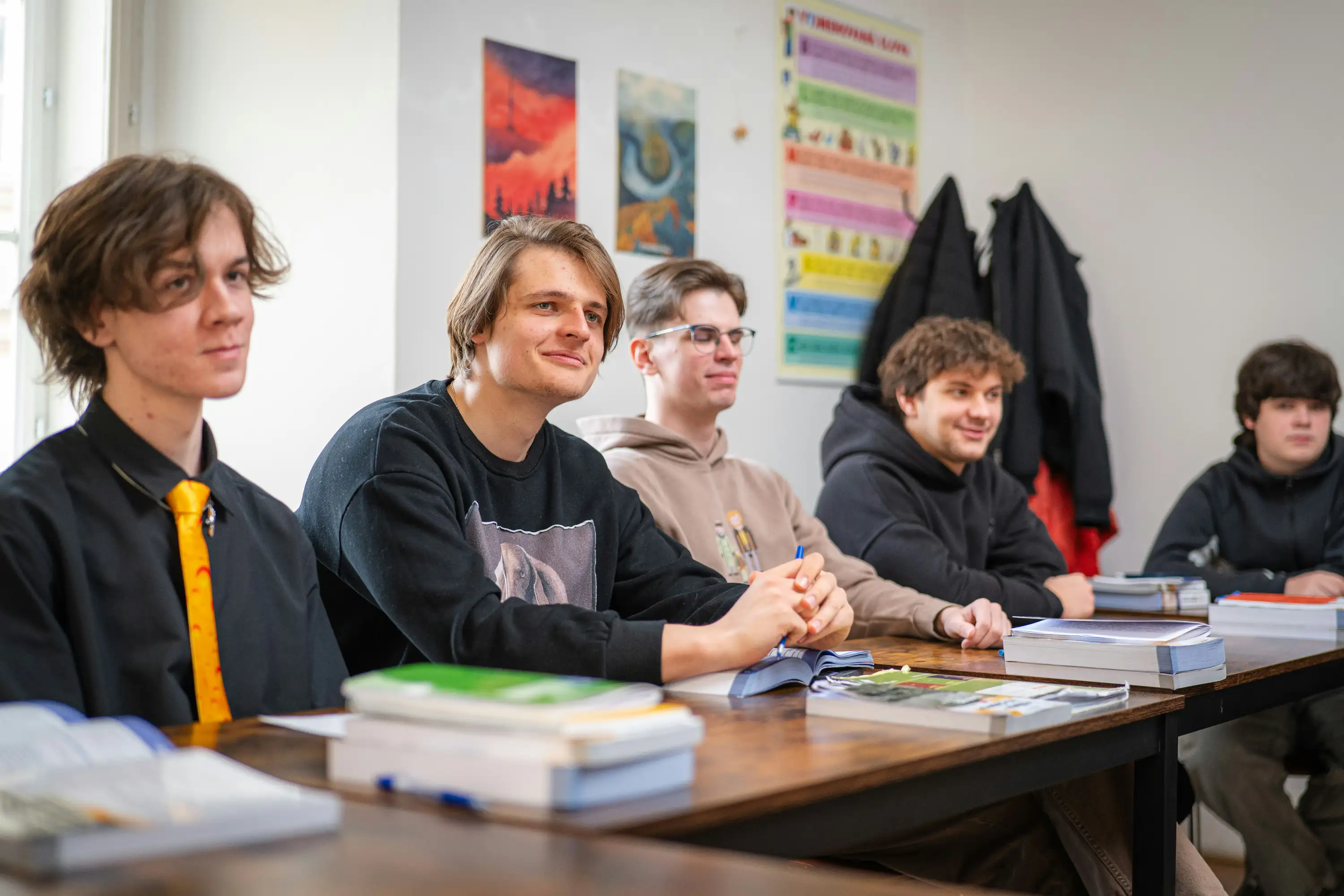
It is important for school administrators to understand South Dakota special education laws, as they ensure students with disabilities receive appropriate services. The legal landscape is complex, involving federal and state regulations that schools must follow to avoid compliance issues and legal consequences.
This guide helps school administrators navigate South Dakota special education laws. It provides insights into legal requirements, procedural safeguards, and best practices for serving students with disabilities. The Individuals with Disabilities Education Act (IDEA) is the federal foundation for special education services, while South Dakota has state-specific regulations to ensure support for students with disabilities.
Fullmind, a leading provider of virtual education solutions for K-12 schools, specializes in delivering certified virtual educators and customized learning solutions across all subjects and learner needs. With expertise in SWD services and IEP fulfillment, Fullmind understands the challenges administrators face in meeting special education requirements. It provides flexible, curriculum-tailored solutions to support schools and districts in serving all students effectively.
Overview of South Dakota Special Education Laws
The federal Individuals with Disabilities Education Act (IDEA) and its regulations establish nationwide minimum standards. The state has developed its own regulations under South Dakota Administrative Rule 24:05:25 and South Dakota Codified Laws Chapter 13-37 to provide specific guidance for schools and ensure comprehensive services for students with disabilities.
These state laws align closely with federal requirements while addressing unique aspects of South Dakota's educational landscape, including rural service delivery challenges and coordination with tribal communities. The South Dakota Department of Education (SD DOE) oversees special education programs, including Individualized Education Program (IEP) development and implementation, and ensures compliance with state and federal requirements.
South Dakota emphasizes collaborative service delivery models to address the state's geographic challenges. South Dakota law provides guidance for cooperative educational service units that allow smaller districts to pool resources and expertise to provide comprehensive special education services in rural areas, with some districts also utilizing virtual special education teachers to supplement local staffing.
The state's regulations include provisions for coordination between early intervention services (Part C of IDEA) and school-based services (Part B of IDEA). This ensures smooth transitions for young children with disabilities into the educational system.
Eligibility for Special Education Services in South Dakota
InDakota, federal IDEA requirements and state procedures determine eligibility for special education services. Students must be identified as having one of the 14 IDEA-recognized disability categories and require specially designed instruction to access the general education curriculum.
The 14 disability categories recognized under IDEA include:
- Specific Learning Disability: A disorder in one or more basic psychological processes involved in understanding or using language.
- Speech or Language Impairment: Communication disorders affecting speech sounds, language, or voice.
- Intellectual Disability: Significantly subaverage general intellectual functioning with deficits in adaptive behavior.
- Emotional Disturbance: A condition exhibiting emotional or behavioral difficulties that adversely affect educational performance.
- Autism: A developmental disability affects verbal and nonverbal communication and social interaction.
- Multiple Disabilities: Concomitant impairments causing severe educational needs
- Hearing Impairment: A hearing impairment that adversely affects educational performance
- Deafness: A hearing impairment so severe that the child cannot process linguistic information through hearing.
- Visual Impairment: A vision impairment that adversely affects educational performance.
- Deaf-Blindness: Concomitant hearing and visual impairments causing severe communication and developmental needs
- Orthopedic Impairment: A severe orthopedic impairment that adversely affects educational performance.
- Other Health Impairment: Limited strength, vitality, or alertness due to chronic or acute health problems
- Traumatic Brain Injury: An acquired brain injury caused by external physical force
- Developmental Delay: Delays in physical, cognitive, communication, social, emotional, or adaptive development.
The evaluation process involves a comprehensive assessment by a multidisciplinary team (MDT) including parents, general and special education teachers, and related service professionals. South Dakota requires evaluations in all areas of suspected disability using various assessment tools and strategies.
Under South Dakota special education laws, schools have a "child find" responsibility. This means laws to identify, locate, and evaluate all children with disabilities needing special education services, including those in private and homeschooled settings.
The Individualized Education Program (IEP)
The Individualized Education Program (IEP) is the cornerstone document for students receiving special education services in South Dakota. This legally binding document outlines the specific services, accommodations, and goals to meet each student's unique educational needs.
Key components of an IEP include Present Levels of Academic Achievement and Functional Performance (PLAAFP), which describe the student's current abilities and how their disability affects their involvement in the general education curriculum. Measurable Annual Goals establish specific, achievable objectives that address the student's educational needs resulting from their disability.
The IEP must specify Special Education and Related Services, including their frequency, location, and duration. Accommodations and Modifications detail how the student's learning environment and curriculum will be adjusted for access to education. Provisions for Participation in State and District-Wide Assessments ensure appropriate progress measurement.
For students aged 16 and older, Transition Services must be included to prepare them for post-secondary education, employment, and independent living. The IEP development process follows these steps:
- Referral: The school refers the student for special education evaluation.
- Evaluation: Comprehensive assessment by a multidisciplinary team
- IEP Meeting: If the student is eligible, the team develops the initial IEP.
- Implementation: Special education services begin
- Annual Review: The IEP is reviewed and updated annually.
- Reevaluation: Comprehensive reevaluation every three years
Parental involvement is crucial throughout this process, as parents are equal members of the IEP team and have the right to participate in all decisions regarding their child's education.
Parental Rights and Procedural Safeguards
South Dakota special education laws provide extensive rights and procedural safeguards to protect students with disabilities and their families. These safeguards ensure parents can meaningfully participate in their child's education and have recourse when they disagree with school decisions.
Important parental rights include:
- Right to Participate in Meetings: Parents must be invited to all IEP meetings and given adequate notice.
- Right to Examine Records: Parents can review all educational records related to their child.
- Right to Independent Educational Evaluation (IEE): Parents can request an evaluation by qualified professionals outside the school district.
- Prior Written Notice: Schools must provide written notice before proposing or refusing to change the child's program.
- Right to Consent: Parental consent is required for initial evaluations and the start of special education services.
- Right to Dispute Resolution: Parents can request mediation, file state complaints, or request due process hearings.
Schools must provide parents a copy of procedural safeguards at least once a year and whenever a referral is made, a complaint is filed, or parents request a copy. The document must be in understandable language and translated into their native language when necessary.
South Dakota offers resources through parent training and information centers to help families understand their rights and navigate the special education system.
Navigating Dispute Resolution and Due Process
When disagreements arise between parents and schools regarding special education services, South Dakota offers several options for dispute resolution. The goal is to resolve conflicts efficiently while maintaining positive relationships focused on student success.
Informal meetings are the first step in resolving disagreements, allowing parents and school personnel to discuss concerns collaboratively. If informal resolution fails, mediation provides a voluntary process where a neutral third party helps facilitate communication and problem-solving between parents and schools.
Complaints with the South Dakota Department of Education when they believe the school has violated special education laws. The state has 60 days to investigate and resolve complaints, which can address systemic issues affecting multiple students.
Due process hearings are the most formal dispute resolution option. They involve an impartial hearing officer who makes binding decisions about special education disputes. Parents must file a due process complaint within two years of when they knew or should have known about the issue.
During disputes, students generally stay in their current educational placement unless parents and schools agree otherwise. This ensures service continuity while conflicts are resolved.
Special Education Services and Supports
South Dakota schools offer comprehensive special education services and support to meet the diverse needs of students with disabilities. The principle of individualization ensures that services are tailored to each student's specific requirements rather than following a uniform approach.
Common services include speech therapy for communication disorders, occupational therapy for fine motor skills and daily living activities, and physical therapy for mobility or gross motor challenges. Counseling services support students' social-emotional needs, while assistive technology helps them access the curriculum and demonstrate knowledge.
Specially designed instruction is the core of special education services. It involves curriculum, methodology, and instructional modifications addressing students' unique learning needs. All services must be provided in the least restrictive environment (LRE). This means students with disabilities should be educated alongside their non-disabled peers to the maximum extent appropriate.
A student with autism might receive tailored social skills instruction, speech therapy, and sensory support to access the general education curriculum. Another student with a specific learning disability might receive modified reading instruction and assistive technology to support written expression while remaining in general education classes.
Services are based on peer-reviewed research and delivered by qualified personnel who understand the student's disability and evidence-based interventions.
Transition Services for Students
Transition services are crucial in preparing students with disabilities for successful post-secondary outcomes, including employment, education, and independent living. Under IDEA and South Dakota law, transition planning must begin no later than the first IEP when the student turns 16.
Effective transition planning involves coordinated activities tailored to the student's needs, preferences, and interests. Services may include career counseling to explore employment options, vocational training for job-specific skills, post-secondary education planning for college or training programs, and independent living skills training for daily life activities.
The transition planning process should involve:
- Student participation in setting goals and making decisions about their future.
- Family involvement in supporting transition goals
- Coordination with community agencies and service providers
- Develop linkages with post-secondary services before the student exits school.
South Dakota emphasizes work-based learning experiences, including internships, job shadowing, and supported employment opportunities, to help students develop real-world skills and connections with potential employers.
School District Responsibilities: Upholding the Law
South Dakota school districts have legal obligations under special education laws that require systematic attention and ongoing compliance monitoring. Understanding these responsibilities helps administrators ensure their districts meet all requirements while providing appropriate services to students with disabilities.
Important school district responsibilities include:
- Districts must identify, locate, and evaluate all children with disabilities needing special education services, including those in private schools, homeschooled, and highly mobile populations.
- Evaluation and Eligibility Determination must follow specific timelines and procedures, ensuring assessments accurately identify students' needs and eligibility for services.
- Districts must convene appropriate teams, develop compliant IEPs, and ensure services are delivered as specified.
- The LRE mandates that districts provide supplementary aids and services to support students with disabilities in general education settings when appropriate.
- Compliance with Procedural Safeguards protects parent rights and ensures proper procedures in special education decisions.
School administrators can use this compliance checklist to ensure their districts meet legal requirements:
- Ensure all staff receive training on special education laws and procedures.
- Establish clear procedures for identifying and evaluating students with disabilities.
- Implement systems for monitoring IEP implementation and service delivery
- Provide regular professional development on evidence-based practices
- Maintain accurate records and documentation systems
- Develop procedures for handling parent concerns and disputes.
- Ensure adequate staffing and resources for special education programs
State and Federal Funding for Special Education
Special education funding in South Dakota comes from federal IDEA funds, state appropriations, and local district resources. Understanding the funding structure helps administrators plan and allocate resources effectively while ensuring compliance with spending requirements.
Federal IDEA funds cover 10-15% of special education services. The rest from state and local sources. South Dakota uses a funding formula based on the number of students served and the cost of providing appropriate services for different disabilities.
The state has changed its funding formula to better address the costs of serving students with different disabilities. Districts must use federal funds to supplement, not supplant, state and local funds. Detailed reporting ensures appropriate use of federal dollars.
School districts can access resources through the South Dakota Department of Education website. The website provides guidance on allowable uses of special education funds, reporting requirements, and financial management assistance.
Compliance and Monitoring
The South Dakota Department of Education maintains compliance and monitoring systems to ensure school districts meet their special education obligations. This oversight protects student rights while supporting districts in improving their programs and services.
The state conducts regular monitoring activities, including desk audits of district data, on-site visits to review programs and interview stakeholders, and investigations of specific complaints. When violations are identified, the SD DOE works with districts to develop corrective action plans that address deficiencies and prevent future problems.
Monitoring activities focus on key indicators like timely evaluations, appropriate IEP development and implementation, services in the least restrictive environment, and positive post-secondary outcomes for students with disabilities.
Districts failing to meet compliance requirements may face consequences like corrective actions, intensive technical assistance, or loss of federal funding. However, the state's approach emphasizes support and improvement rather than punishment, recognizing that strong special education programs benefit all students.
FAQ: South Dakota Special Education Laws
What are the provisions for students with autism in South Dakota?
South Dakota follows IDEA requirements for students with autism, recognized as a distinct disability category. They are entitled to comprehensive evaluations, individualized programming, and evidence-based interventions. The state emphasizes early identification and intervention, structured teaching approaches, and development of communication and social skills. Districts must provide autism-specific training for staff.
What early intervention services are available in South Dakota for children under 3?
South Dakota's early intervention program under Part C of IDEA serves children birth to three with developmental delays or disabilities. Services include assessments, family support, speech and language therapy, occupational and physical therapy, and special instruction. These are provided in natural environments, typically the child's home or community, emphasizing family involvement and transition planning to preschool services.
How do South Dakota special education laws apply to private school students?
Under IDEA, private school students with disabilities have limited rights. However, South Dakota must ensure a proportionate share of federal funds is used for their special education services. Districts must consult with private schools about service provision, though parents who unilaterally place their child in private school aren't entitled to reimbursement. However, public schools can evaluate students and provide some services.
What are the requirements for special education teachers in South Dakota?
In South Dakota, special education teachers must hold state certification in their specialization, with specific endorsements for different disability categories and age ranges. Teachers must demonstrate competency in special education methods and content area knowledge. The state requires ongoing professional development to maintain certification, emphasizing evidence-based practices and current research.
How does homebound instruction work under South Dakota special education laws?
Homebound instruction may be provided when a student's IEP team determines that school-based services are inappropriate due to medical or exceptional circumstances. South Dakota requires homebound services to provide meaningful educational benefits and plans for returning the student to school-based programs. Services must be provided by certified teachers and include regular review of the student's need for continued homebound services.
What dispute resolution options are available to parents who disagree with their child's IEP?
Parents have multiple options: informal meetings with school personnel, voluntary state mediation, filing complaints with the SD DOE, or requesting due process hearings. Each option has different timelines and procedures, with mediation often being the most collaborative approach to resolve disagreements and maintain positive relationships between families and schools.
Conclusion
Understanding and implementing South Dakota special education laws requires ongoing attention, professional development, and commitment to serving all students. School administrators play a crucial role in creating systems and cultures that support students with disabilities while ensuring legal compliance and positive outcomes.
The complexity of special education law highlights the importance of viewing compliance as a framework for providing appropriate, individualized services that help students with disabilities reach their potential. Successful special education programs result from collaborative efforts between schools, families, and communities toward shared goals of student success and independence.
Fullmind is committed to supporting schools in meeting the diverse needs of all students, including those with disabilities. Our virtual staffing solutions and specialized SWD services and IEP fulfillment help districts access qualified special education professionals and evidence-based programs that ensure compliance and promote positive student outcomes.
For Education Leaders
Get proven strategies and expert analysis from the host of the Learning Can't Wait podcast, delivered straight to your inbox.



.webp)

%2520.webp)









.webp)
.webp)
.webp)

.webp)



















.avif)
.avif)


Let’s Work Together


We’ll review your application and get in touch!