Connect with the Fullmind Team

For Education Leaders
Get proven strategies and expert analysis from the host of the Learning Can't Wait podcast, delivered straight to your inbox.
Virtual Staffing
Fill Teacher Vacancies in Days
- State-certified experts averaging 15+ years experience
- Fully aligned to your curriculum & standards
- Scalable, cost-effective hybrid solutions
Student-Led Learning: The Ultimate Guide
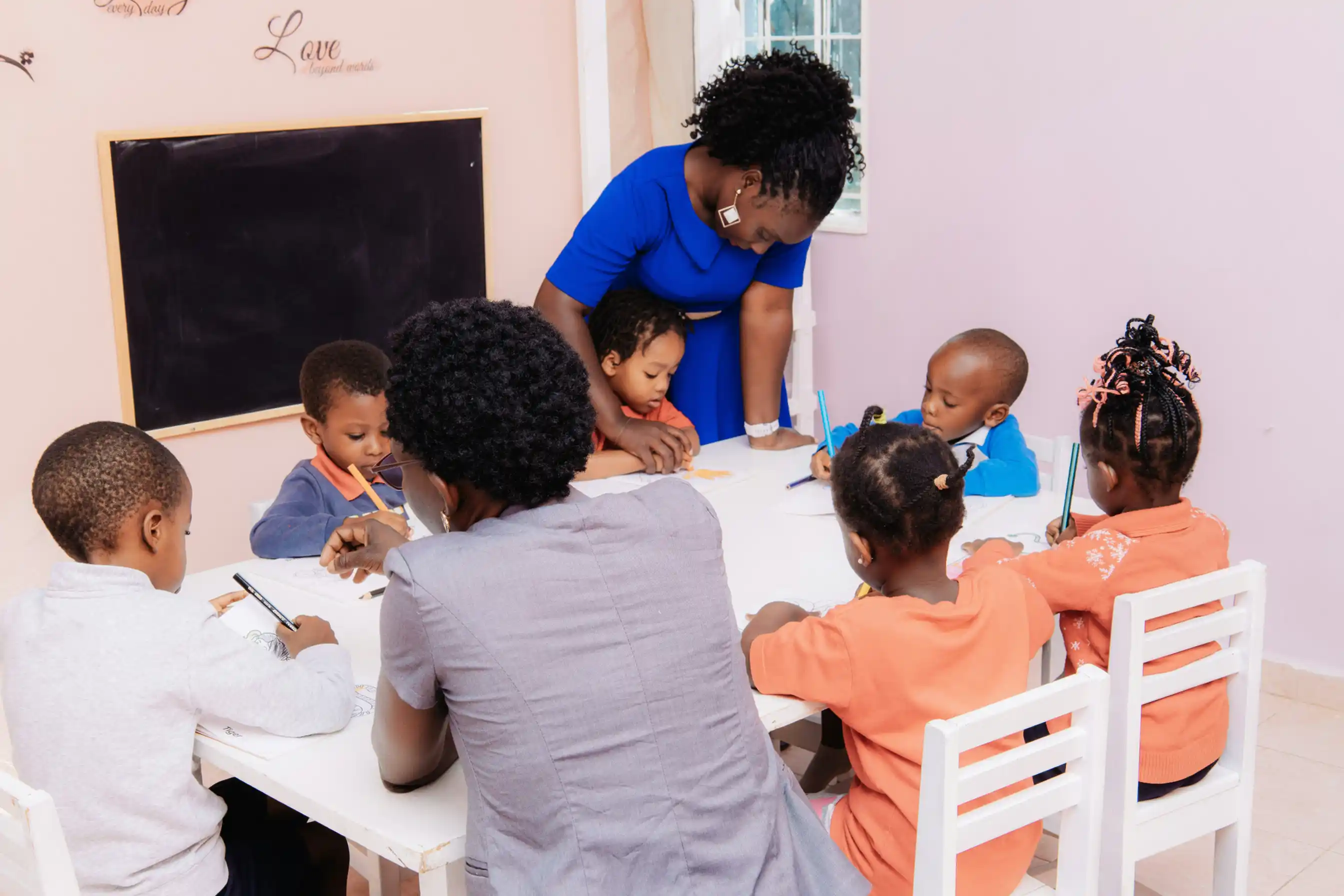
Are you seeing more students passively receiving information than actively pursuing it? Educators in American classrooms face a growing challenge: how to engage today's students while preparing them for a future that demands initiative, adaptability, and critical thinking. Traditional models where students sit quietly absorbing lectures are failing to inspire the curiosity and independence they need to thrive, making differentiated instruction strategies essential for meeting diverse learning needs and fostering student-led exploration.
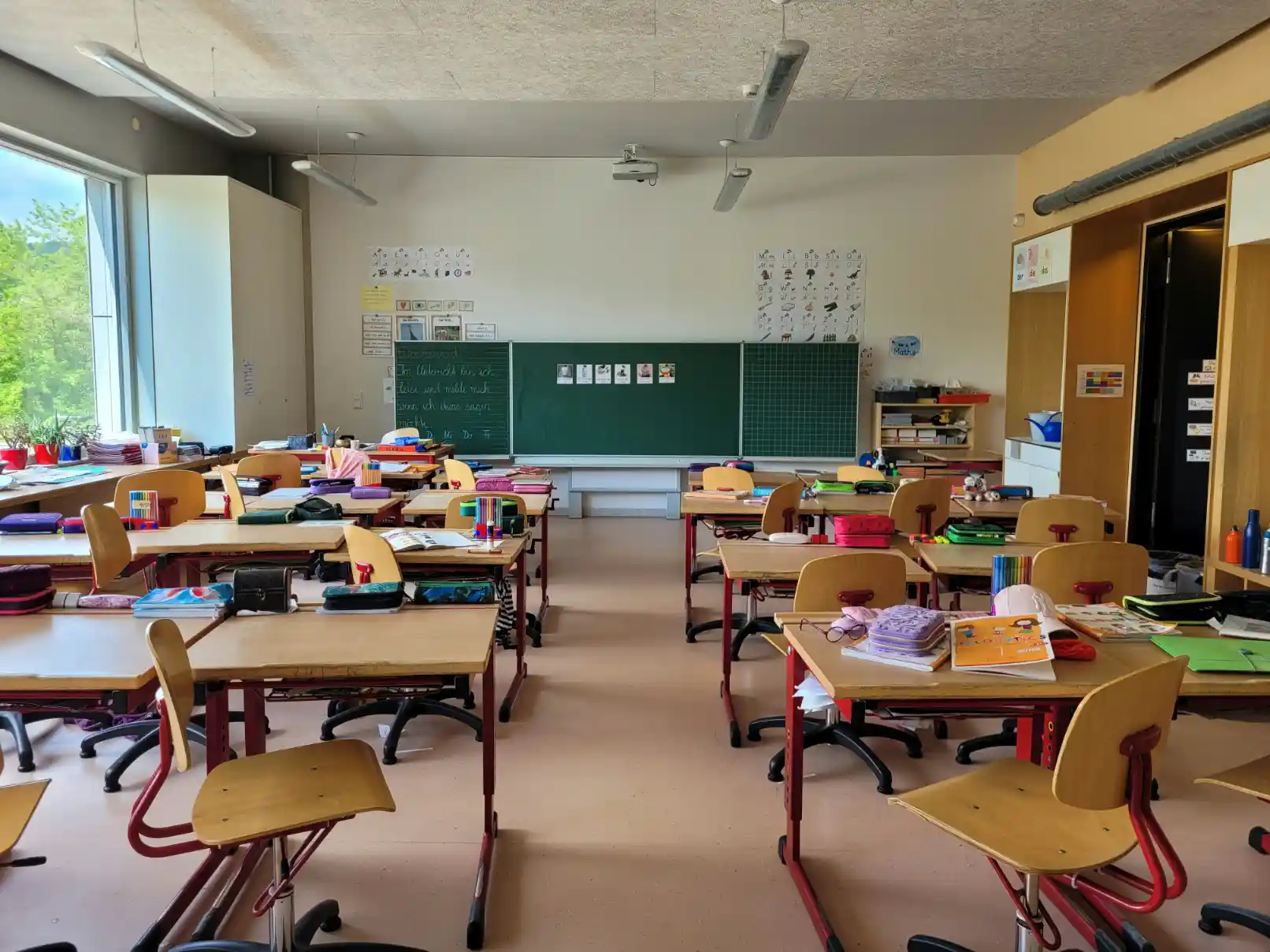
Student-led learning offers a powerful pedagogical shift to address these challenges. This student-centered approach, grounded in the neuroscience of learning and memory, reimagines the classroom as a dynamic space where learners actively participate in their educational journey, developing agency and ownership over their learning process, rather than simply consuming information.
This guide explores what is student-led learning, its core principles and benefits, implementation strategies for your classroom or school, and overcoming common challenges. Whether you're considering a complete transformation or incorporating elements of this approach, this guide will provide the foundation to move forward confidently.
What Is Student-Led Learning?
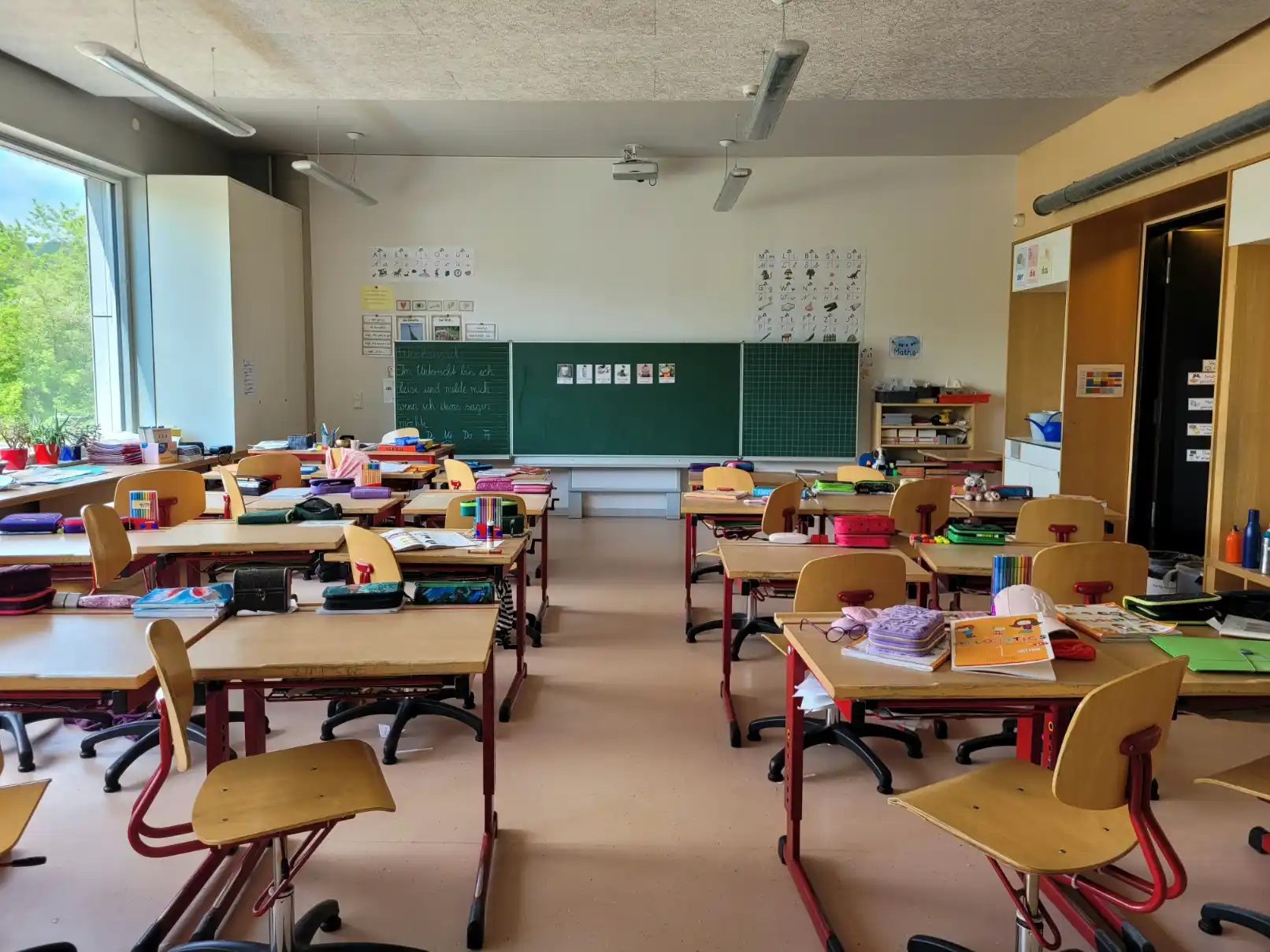
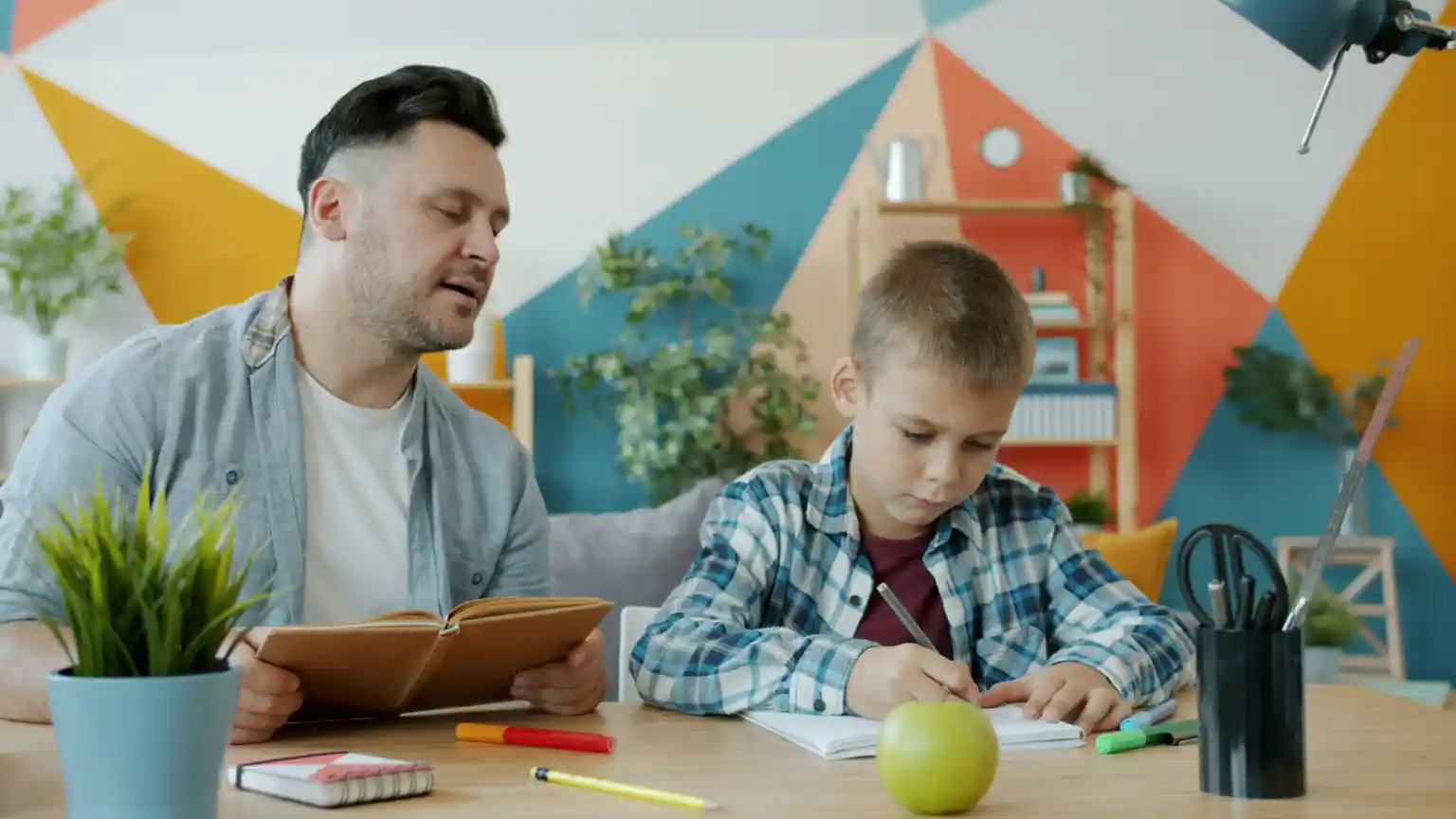
Student-led learning represents a fundamental shift in our education conceptualization. Instead of viewing learning as a one-way transfer of knowledge from teacher to student, it positions education as a collaborative journey where students have significant input and agency. Student-led learning exists on a spectrum; it's not an all-or-nothing proposition, but a gradual shift of ownership from teacher to student. This approach manifests in various ways, from student-led learning examples like peer teaching and self-directed projects to more structured collaborative models, increasingly supported by AI tools for student-led learning that provide personalized pathways and adaptive feedback.
Student-led learning prioritizes student agency, giving learners a voice and choice in what, how, when, and where they learn. This approach, often incorporating personalized learning models, recognizes that when students own their learning, they develop deeper engagement, stronger metacognitive skills, and greater intrinsic motivation.
The goal of student-led learning isn't to eliminate teacher guidance, quite the opposite. Effective student-led classrooms require structure and skilled facilitation. The aim is to create a dynamic partnership between teachers and students that fosters independence, deeper engagement, and lifelong learning skills—principles central to a holistic education approach that develops the whole child.
Core Principles of a Student-Centered Classroom
Principle 1: Voice and Choice
Student-led learning is based on meaningful student choice. This doesn't mean unlimited freedom; rather, they are given significant but structured opportunities to make decisions about their education within appropriate parameters. When students identify their own learning needs, personalized online tutoring support can provide the targeted instruction they seek to advance their understanding.
This looks like students choosing their research topic within a broader theme (e.g., selecting any Civil War historical figure), deciding on the format for demonstrating their understanding (creating a video documentary versus writing a research paper), or having input into classroom rules. These choices foster ownership and connect learning to their interests and strengths—core principles of what is student-led learning.
Principle 2: Inquiry and Curiosity
Inquiry-based learning is central to the student-led approach. Instead of presenting information for students to absorb, teachers pose complex questions or scenarios that spark curiosity and drive investigation. The learning process centers around students' questions and their journey to find answers, with technologies like AI-powered personalized learning enhancing each student's unique path of discovery.
This approach develops critical thinking as students learn to formulate questions, research, evaluate sources, and synthesize information. When students pursue answers to meaningful questions, they move beyond memorization to develop genuine understanding and the ability to apply knowledge in new contexts. The neuroscience of self-directed learning supports this methodology by showing how inquiry-based exploration strengthens neural pathways and enhances retention.
Principle 3: Collaboration and Co-Creation
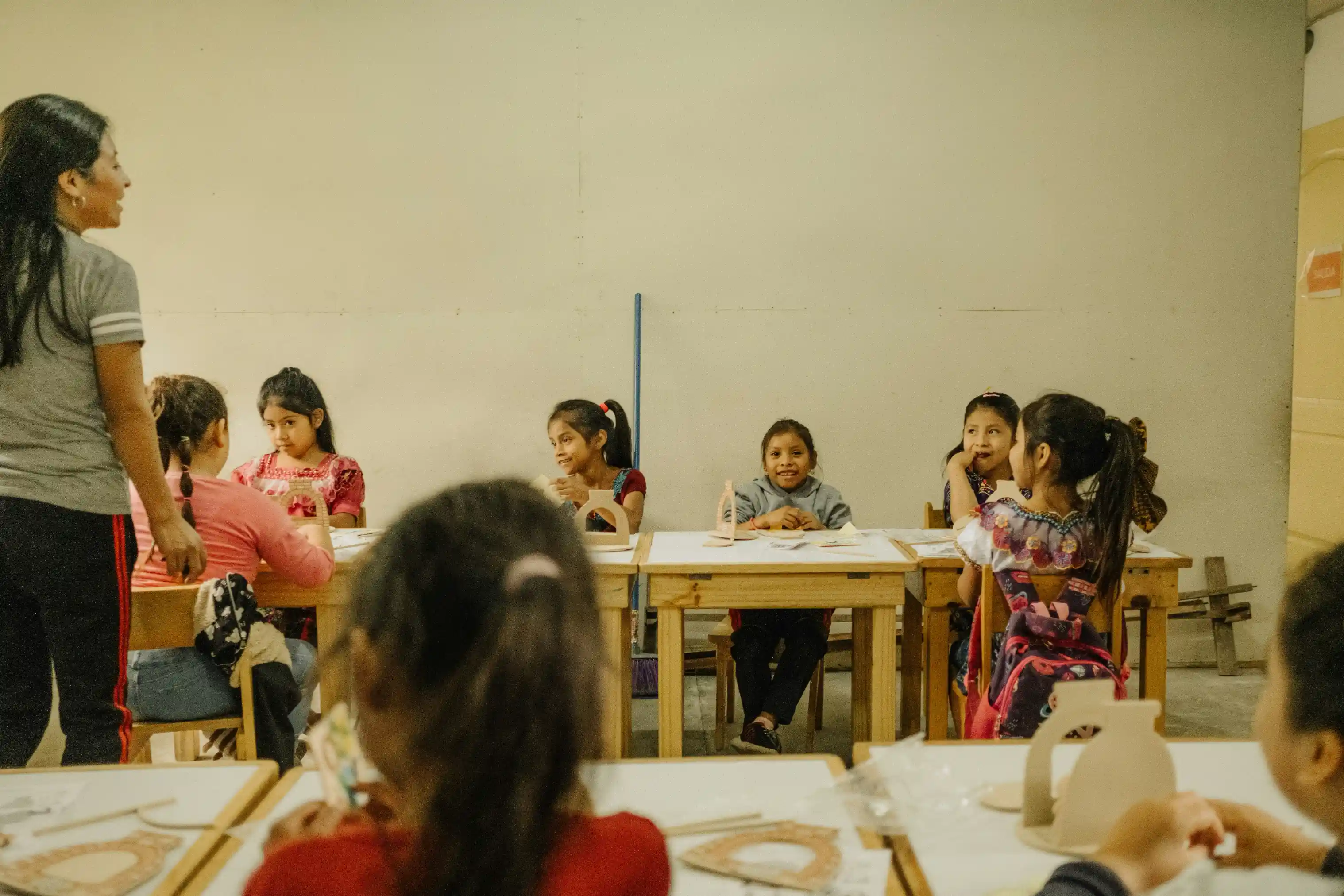
Student-led classrooms emphasize collaborative learning environments where students work together, learning from peers. This develops essential social skills, communication abilities, and the capacity to build on others' ideas, competencies valued in higher education and the workplace.
Co-creation takes collaboration further by inviting students to partner with teachers in designing aspects of their educational experience, like developing project guidelines, establishing assessment criteria, or shaping curriculum focus. When students participate in these decisions, they develop a deeper investment in the learning process and gain experience in shared decision-making.
The Benefits of Student-Led Learning
The benefits of student-led learning extend beyond traditional academic metrics. It fosters skills and mindsets essential for success in college, career, and life in the 21st century.
- Increased Engagement and Motivation: When students have agency in their learning, intrinsic motivation flourishes. A 2019 Gallup Student Poll found only 41% of students felt engaged in school, but research shows student-led approaches can significantly boost this metric. When learning connects to students' interests and gives them control, they learn because they want to, not just because they have to.
- Development of 21st-Century Skills: Student-led learning cultivates today's most valued competencies: critical thinking, creativity, collaboration, communication, and problem-solving. These skills develop organically through directing one's learning, rather than as separate curriculum objectives.
- Deeper Conceptual Understanding: Students develop more robust mental models than through passive learning by constructing knowledge through inquiry and discovery. University of Chicago studies show that when students wrestle with concepts and discover connections themselves, they achieve deeper, transferable understanding that lasts beyond the test.
- Enhanced Self-Regulation and Responsibility: Managing one's learning path requires developing executive function skills like goal-setting, time management, prioritization, and self-assessment. These metacognitive abilities are crucial for success in higher education and professional environments where independent work is expected.
- Fostering a Lifelong Love of Learning: When students experience the satisfaction of directing their own learning and connecting education to their interests, they are more likely to develop an enduring positive relationship with learning. This intrinsic value for education extends beyond graduation.
Practical Student-Led Learning Strategies for the K-12 Classroom
Project-Based Learning (PBL)
Project-Based Learning is a teaching method where students gain knowledge and skills by working for an extended period to investigate and respond to an authentic, engaging, and complex question, problem, or challenge. PBL centers around real-world applications and culminates in a tangible product or presentation.
Instead of reading about ecosystems in a textbook, a science class might undertake a semester-long project to design a sustainable school garden. This would require research into local plants, soil testing, planning layouts, calculating water needs, creating a budget, and presenting to school administrators. Students master required science standards while developing research, math, communication, and collaboration skills.
Inquiry-Based Learning
Inquiry-based learning starts with questions instead of answers. This approach begins with a compelling question or problem that drives student investigation. The teacher provides structure and guidance, and students lead in finding, evaluating, and synthesizing information to develop their understanding.
In a middle school history class, a teacher might ask, "What would the U.S. be like today without the Louisiana Purchase?" instead of teaching facts about westward expansion. Students research territorial, economic, and cultural implications, examining primary sources and considering multiple perspectives before developing and defending their own evidence-based conclusions.
Genius Hour / Passion Projects
Genius Hour allocates regular classroom time for students to pursue projects based on their interests and passions, with teacher guidance, inspired by Google's former policy allowing engineers to spend 20% of their time on self-directed projects.
In implementation, a high school might dedicate one hour each Friday to Genius Hour. A student passionate about environmental science might propose reducing the school's carbon footprint, while another might code a simple app to help peers organize assignments, and a third might research local Indigenous communities to create a display for the school library. Students set their own goals and timelines, with teachers providing check-ins and feedback.
Personalized Learning Paths
Personalized learning uses technology and flexible classroom structures to allow students to progress through content at their own pace and in ways that align with their learning preferences. This approach recognizes that not all students need the same time or approach to master concepts.
In a personalized learning math classroom, students access a digital platform offering various ways to learn quadratic equations, video tutorials, interactive simulations, problem sets of varying difficulty, and real-world applications. Students choose their entry point based on their prior knowledge and preferences, work at their own pace, and demonstrate mastery through their choice of assessment options. The teacher circulates, providing targeted support and challenging students to extend their thinking.
The Evolving Role of the Educator
Shifting to a student-led model requires a significant recalibration of the teacher's traditional role. Many educators have been trained and built their identity around being the expert who delivers content and directs classroom activities. Moving from this "sage on the stage" position to that of a facilitator represents both a philosophical and practical challenge.
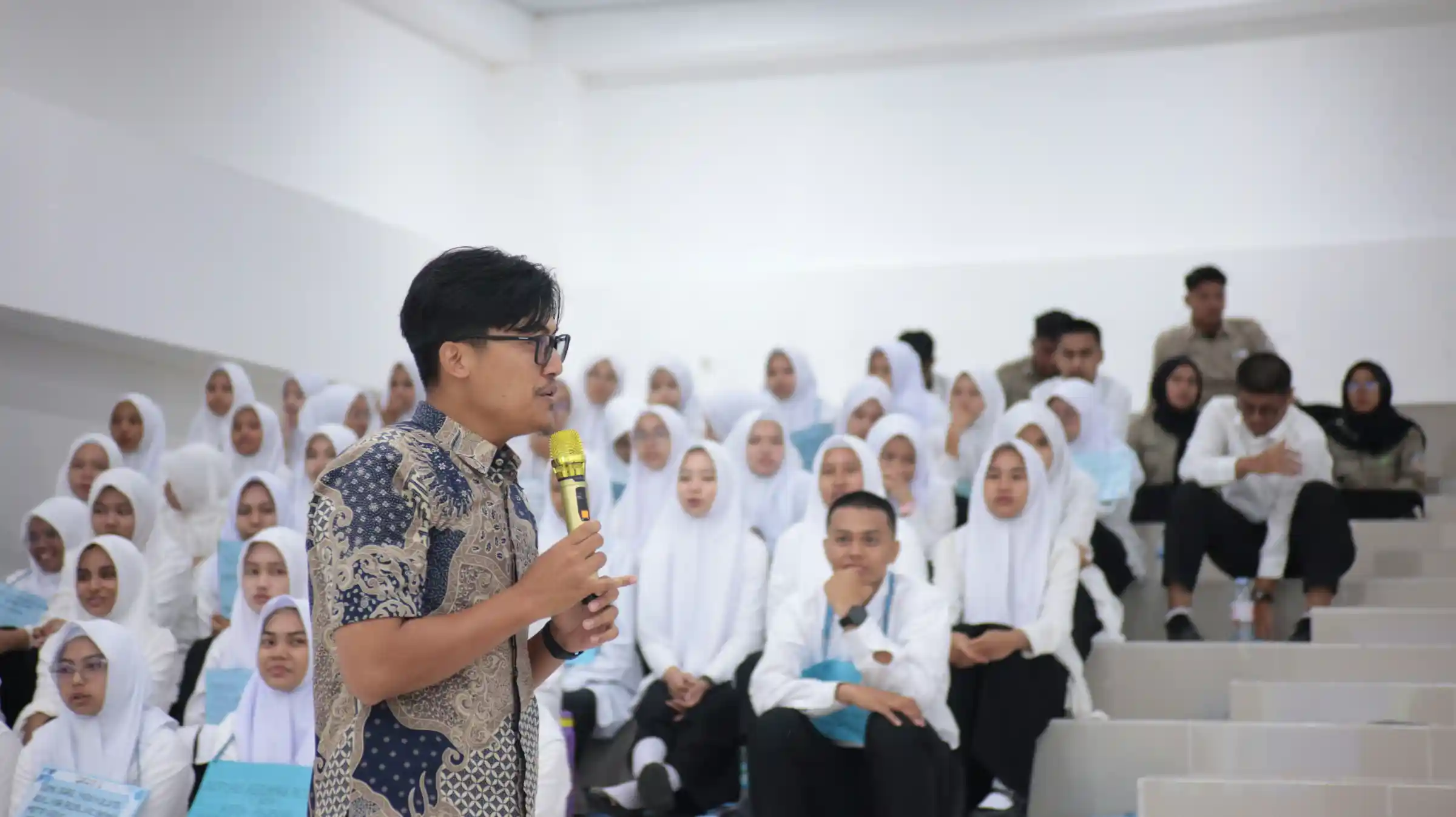
In the student-led classroom, teachers become designers of learning experiences, facilitators of productive struggle, and mentors guiding student progress. This involves crafting thought-provoking questions, managing resources and group dynamics, providing just-in-time instruction, and offering targeted feedback that promotes reflection and growth. It's less about controlling the classroom and more about creating conditions for meaningful learning.
This shift shouldn't diminish the teacher's importance, but elevate the profession. Managing a dynamic, student-centered classroom requires sophisticated pedagogical knowledge, keen observation skills, and the ability to differentiate support for diverse
Overcoming Challenges and Supporting Every Learner
While the benefits of student-led learning are compelling, implementing this approach has challenges. It is essential to be transparent about these hurdles for successful adoption. Common obstacles include designing fair assessment systems for diverse projects, managing the initial perceived "chaos" as students adjust to increased responsibility, ensuring equitable participation across different student populations, and addressing parents' and stakeholders' concerns about accountability and standards alignment.
The main challenge is providing adequate individualized support in a classroom where 25 students have 25 different learning paths. How does a single teacher provide expert guidance on one student's ancient Rome project while supporting another's rocket propulsion exploration? How do educators ensure students with IEPs receive their mandated accommodations and specialized instruction while having opportunities for choice and self-direction? These questions highlight the need for strategic resource allocation and support.
Empowering Teachers with Technology and Partners
Schools implementing student-led learning don't have to go it alone. Digital platforms can manage projects, track student progress, and provide access to diverse resources. Strategic partnerships provide the specialized support needed to make student-led learning successful and equitable for all learners.
A partner like Fullmind is essential. With a network of certified virtual educators, schools can bring in subject-matter experts on demand to mentor students on niche projects, provide high-dosage tutoring for those needing foundational skills, or fulfill complex SWD and IEP requirements within a flexible learning model. This allows classroom teachers to focus on facilitation while ensuring every student gets expert attention.
Conclusion
Student-led learning represents a shift from passive to active education. It boosts engagement, builds essential skills, and prepares students for future success. It's not an all-or-nothing approach, but a flexible framework adaptable to your school's needs and implemented gradually as capacity grows.
By placing students at the center of their education, we honor their curiosity and potential. As we move toward more student-centered models, we transform how students relate to learning. This shift creates the next generation of self-directed, adaptable, and passionate lifelong learners ready to thrive in a rapidly changing world. The journey may be challenging, but few educational transformations offer such profound lasting impact.
For Education Leaders
Get proven strategies and expert analysis from the host of the Learning Can't Wait podcast, delivered straight to your inbox.