Connect with the Fullmind Team

Proximity Learning Review for School Districts in 2026
Proximity Learning’s district virtual-teaching service places a certified teacher on live video while students attend a school-based classroom with an in-room facilitator. Its offerings include course staffing, tutoring, summer instruction and virtual-school programs. The purchased service determines who teaches, which curriculum is used, how students receive support and what the district pays.
Discuss district instructional support
Proximity Learning Overview
Proximity Learning sells virtual education services to schools and districts. The company dates its origins to MyChinese360 in 2009, the broader Proximity Learning launch to 2014 and its acquisition by ESS to 2019. Its district services combine remote teachers with school-based implementation and support.
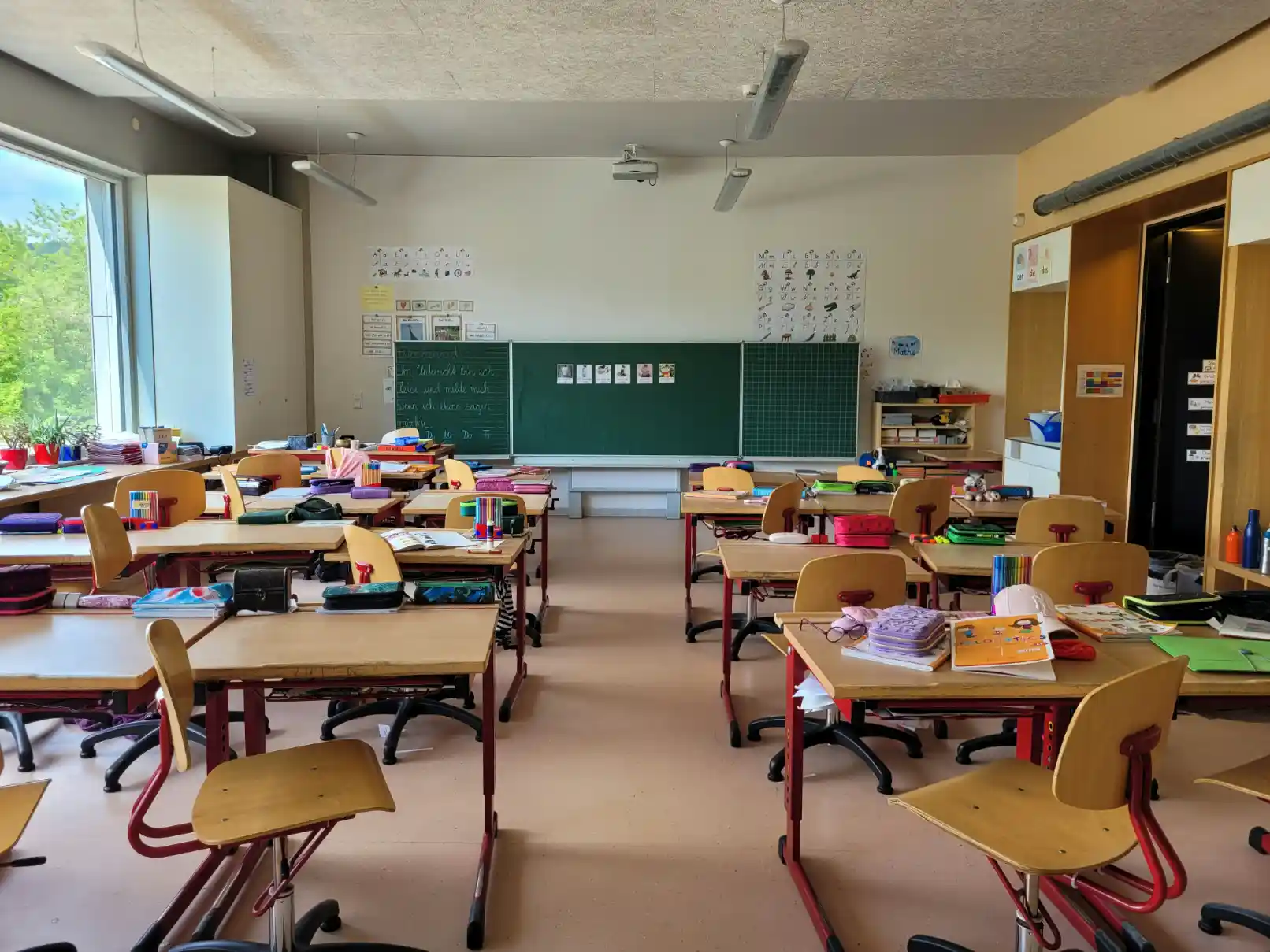
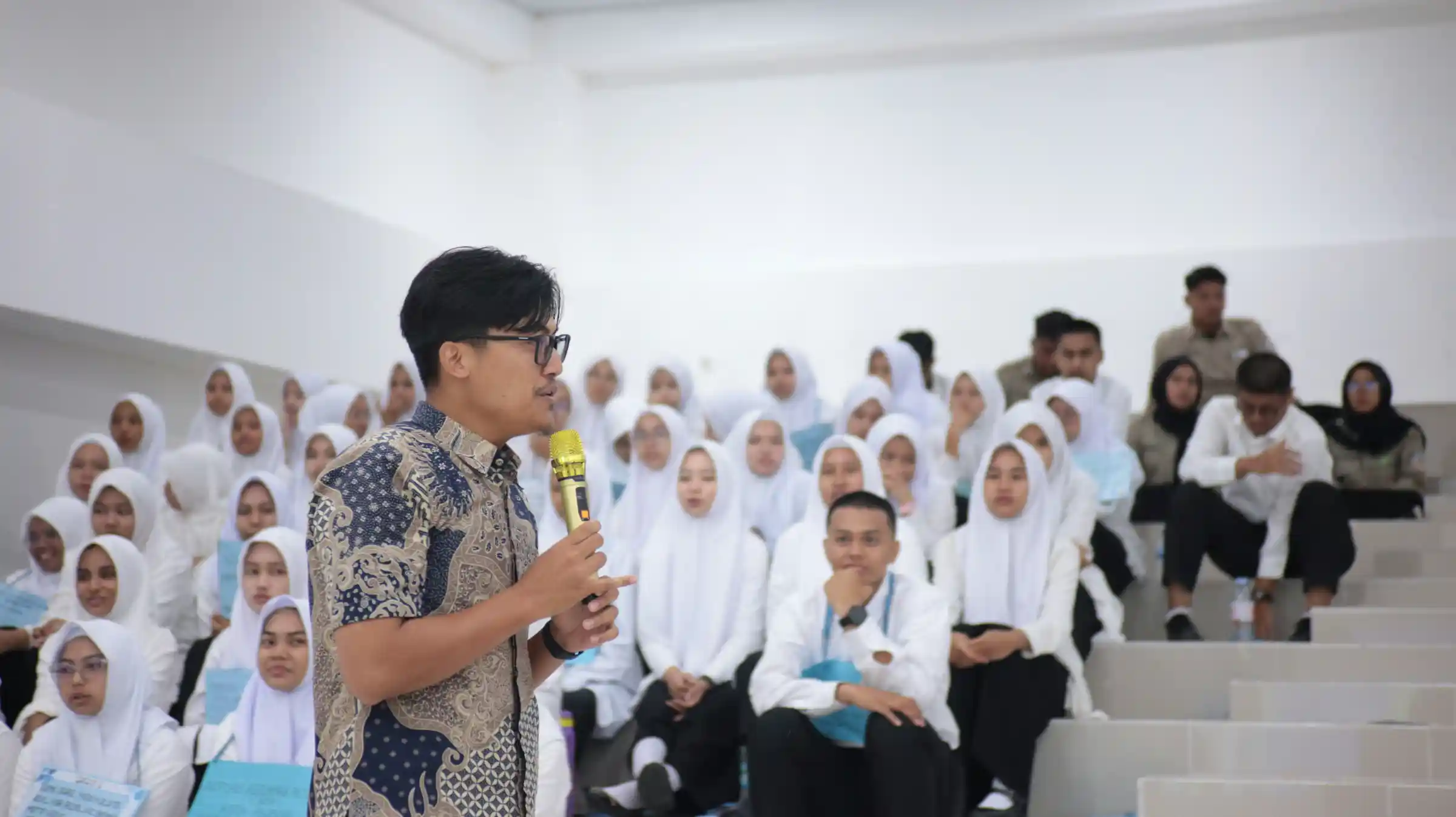
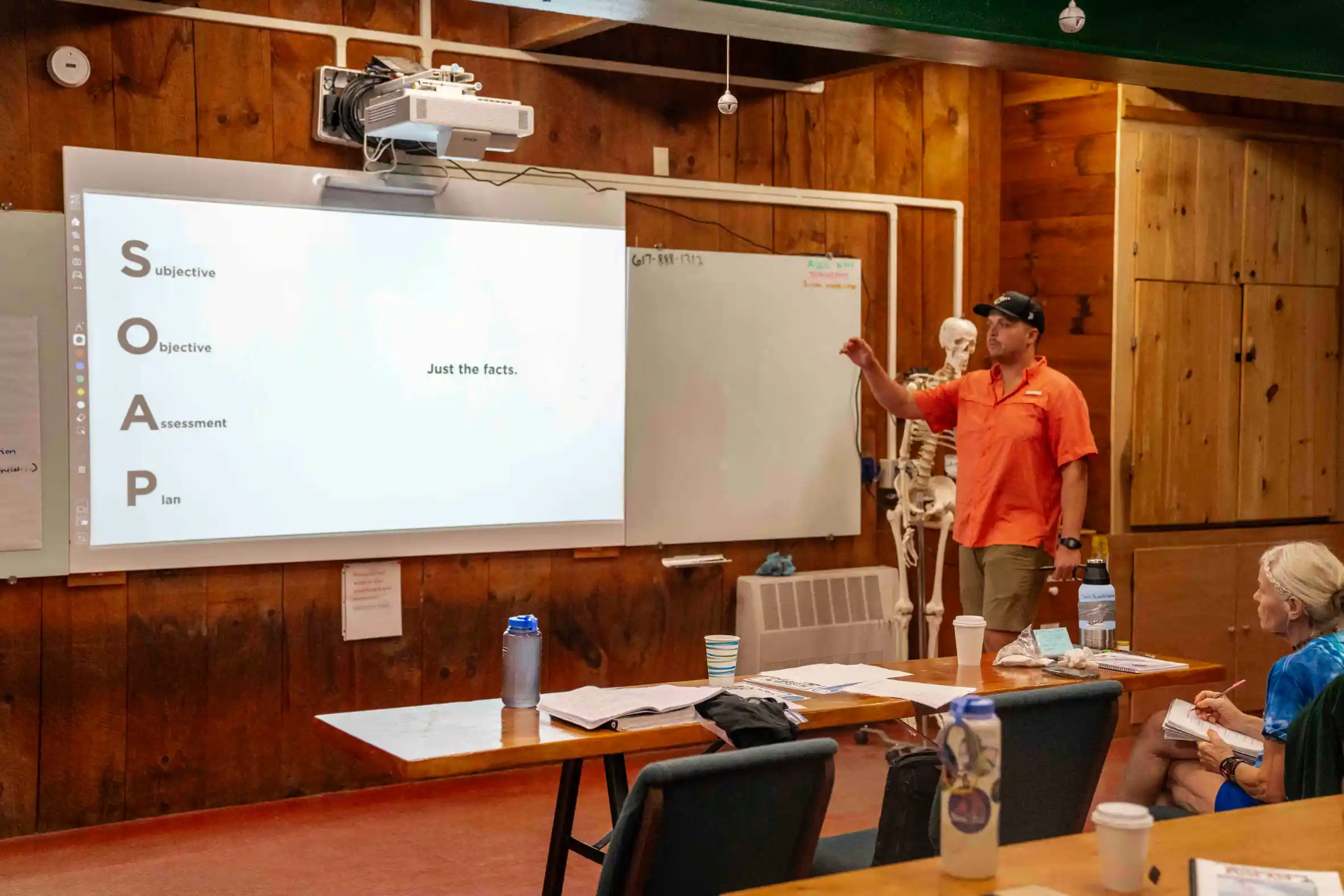
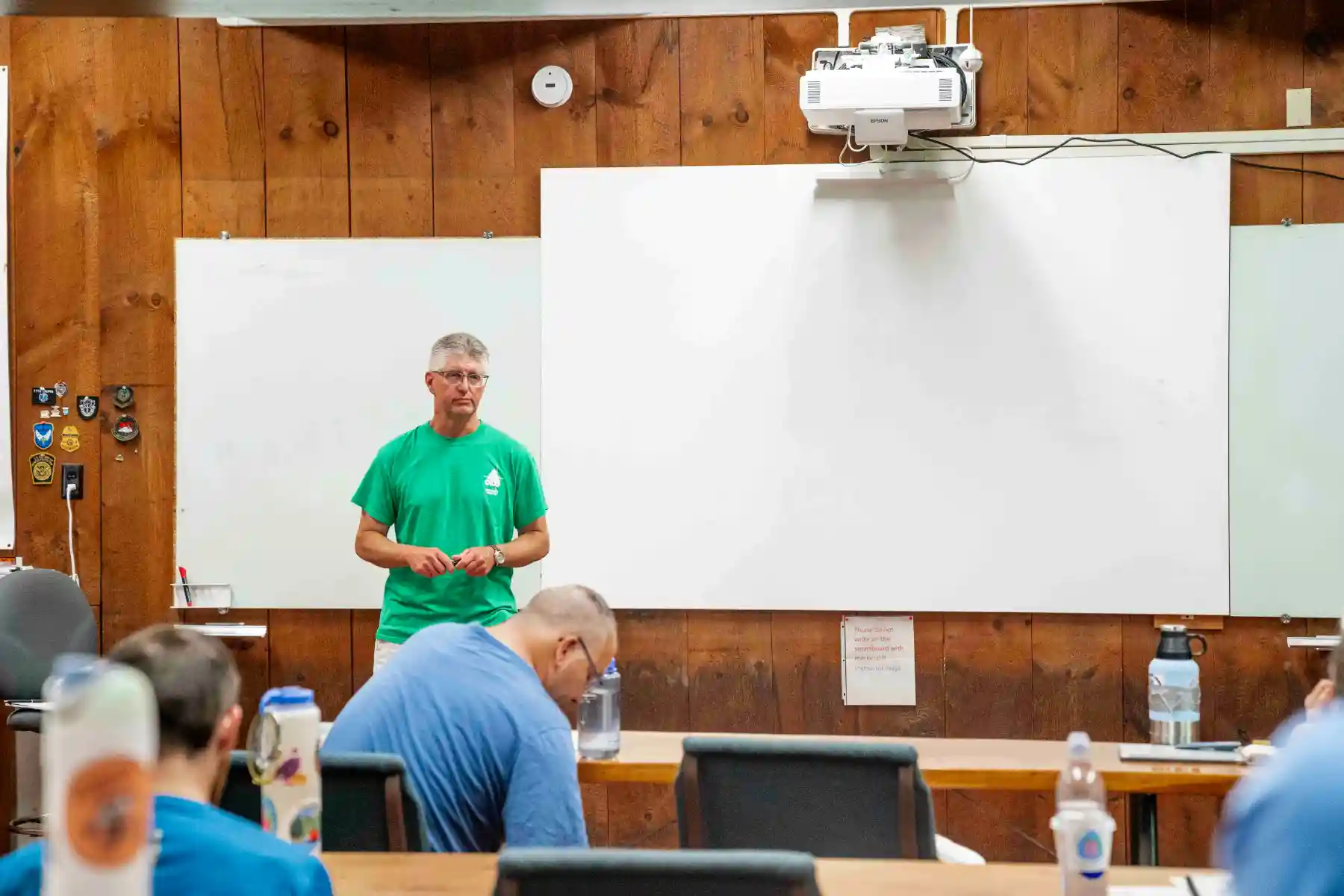
The live classroom model has two distinct roles: a remote educator delivers instruction, while an in-classroom facilitator helps students participate and manages local classroom routines. The selected course, teacher assignment, facilitator responsibilities and school calendar define the service. Separate tutoring, summer, virtual-school and special education packages have their own scope.
Proximity Learning Services
Proximity Virtual K-12 Instruction
The Proximity Learning virtual instruction service provides live, synchronous teaching by certified educators. The company describes alignment with a district’s existing curriculum, course materials, bell schedule and individualized education program (IEP) requirements, with material development available when needed. Students remain in a physical classroom with an in-room facilitator.
Proximity advertises nearly 150 courses across core academics, world languages, Advanced Placement (AP) and career and technical education (CTE). Its public catalog highlights a selection of popular courses:
| Category | Published course entries |
|---|---|
| Core academics | Elementary English language arts (ELA), math, science and social studies; middle- and high-school English and math; biology, chemistry, physics, history, geography, civics and economics. |
| World languages | American Sign Language (ASL), Chinese, French and Spanish levels 1 to 4; German, Japanese and Latin levels 1 to 3; elementary ASL, Chinese and Spanish. |
| Electives | ACT Prep, art, drawing and painting, family and consumer science, health, physical education, psychology, speech and theater; elementary art, music and physical education. |
| Advanced Placement | Biology, calculus, Chinese, French, English language and composition, English literature and composition, Latin, macroeconomics, physics, Physics 2, psychology, Spanish, statistics, and U.S. government and politics. |
Published catalog entries describe the offered subjects. Teacher availability, the district’s course code and credit award, and any required AP authorization belong to the particular school assignment.
Proximity Live Tutoring
Proximity’s detailed tutoring service describes scheduled live sessions with certified, subject-area teachers. District curriculum and pacing can guide instruction, or the district can select the provider’s tutoring materials. School-day and weekend schedules, pre- and post-assessments, and progress updates are part of the published offering.
The virtual-school service page also advertises an on-demand tutoring option. Its public description leaves access hours and response times unspecified. A scheduled recurring group and an on-demand access arrangement therefore need distinct service descriptions and budgets.
Proximity Summer School
The summer program offers live certified instruction for credit recovery, graduation requirements, foundational skills and additional coursework. Its detailed grade-level FAQ identifies middle- and high-school students. Named subjects include math, science, social studies and language arts, alongside career-focused electives and advanced courses.
District start dates, calendar and curriculum guide the program, and an in-classroom facilitator supports participation. The district determines credit acceptance and how the completed course is recorded on the student’s transcript.
Proximity Virtual Schools
Proximity offers a full-time virtual school, a part-time hybrid program, individual courses and expansion of an existing district program. The published planning scope includes grade levels, curriculum, calendar, grading, teacher onboarding, family communication and technical setup.
A partnership director, support specialists and instructional coaches form the described support team. IEP and Section 504 coordination, special education services and case management can be included in the selected program. Individual-course access and an entire virtual school are different purchases with different enrollment and staffing responsibilities.
Proximity Special Education and Related Services
The service portfolio includes virtual special education teachers, case managers, speech-language pathologists, occupational therapists, school psychologists and board-certified behavior analysts (BCBAs). Proximity describes IEP-aligned instruction, accommodations, progress monitoring, evaluations and related-services coordination within those offerings.
A staffed course needs to identify who delivers accommodations, records progress and coordinates with the student’s school team. Each placement requires a student-specific match between the professional role, instructional activities and required supports. The purchased scope should record those responsibilities.
Proximity Learning Staff
Proximity describes its district instructors as state-certified teachers and says placement involves checking the certification needed for the assignment. Its Teacher Excellence materials identify several continuing support practices:
- Observations: weekly classroom observation and feedback, with additional resources for teachers.
- Evaluation: use of National Virtual Teacher Association rubrics.
- Professional development: intensive preparation and quarterly team learning opportunities.
- Additional certification: an increasing number of educators hold National Virtual Teacher Certification. That additional credential is distinct from state teaching certification.
A proposed assignment needs educator-specific documentation of the applicable state, subject and grade authorization. The district’s staffing scope should record the educator’s availability and the absence procedure.
Proximity Learning Costs
Proximity’s virtual-school billing models include part-time, per-semester individual-course rates, full-time per-student pricing and add-on special education or case-management services. Classroom staffing receives its own scoped district proposal.
A signed North Slope Borough School District purchase provides a concrete historical cost record. The 2025-26 agreement covered 16 sections at four campuses for two months, with a new-partner discount and separate setup, maintenance and support charges.
| Recorded item | Amount or scope |
|---|---|
| Instruction | $18,846.00 per month after the purchase-specific discount. |
| Setup, maintenance and support | $6,399.84, charged once and included in the first invoice. |
| Total contract value | $44,091.84 for the two-month engagement, before applicable taxes. |
| Quoted coverage | 16 sections across Meade River, Kiita, BHS and Tikigaq, with different instructional schedules. |
The total is two monthly instructional charges plus the one-time support charge. These figures describe that district’s historical purchase; the quote expired in January 2026. A new proposal must price its own course sections, instructional minutes, calendar, implementation services and local staffing costs.
Proximity Learning Terms
Proximity’s virtual-school page advertises engagements without a required long-term contract. Its Colorado staffing FAQ describes semester, full-year and as-needed engagements without a required annual contract. Cancellation charges and transition duties follow the signed purchase agreement.
The North Slope agreement contains specific operative terms:
- Early cancellation: cancellation without cause after onboarding and within the first 30 days incurs a fee equal to two months of service.
- Offboarding: ending the contract after two months of service adds one month of billing for offboarding.
- Payment: invoices are monthly, payment is due in 15 days and late payments incur a 2% monthly penalty.
- Teacher absences: short absences use work assigned through a learning management system (LMS) or the district’s system; absences exceeding three days trigger long-term coverage.
Those clauses apply to the named purchase and its stated cancellation windows. Each new engagement needs written terms for cancellation timing, fees, notice and transition duties, alongside its semester, annual or as-needed term.
Proximity Learning Software and Classroom Setup
The published classroom model uses live video, a classroom display and an in-room facilitator. Proximity also describes webcams, speakers, screen sharing, interactive whiteboards, breakout rooms, chat and lesson recordings. Its teacher-recruitment materials name Canvas and Nearpod.
- Confirm the classroom setup. Identify the proposed learning platform, teacher and student accounts, display, cameras, microphones and network requirements for the actual room.
- Exercise instructional access. Run the planned lesson with captions, keyboard access, assistive technology and the accommodation tools participating students use. Record login, audio and content-access failures before launch.
- Assign recording and data controls. Put authorized access, recording permissions, retention, deletion and incident notification in the district’s student-data agreement.
Proximity’s public website policies address website, employment and business-contact information. Classroom recording permissions and student-data controls require purchase-specific provisions in the district agreement and technical plan.
Proximity Learning Reviews
Proximity publishes district testimonials and case studies. Its Zion Elementary District 6 account describes science and dual-language staffing, collaboration between virtual teachers and in-room paraprofessionals, curriculum coordination and inclusion in school communication. The account describes substantial early coordination by district teams.
“They’re on our principal email list.”
Kerri Gilbert, Zion’s Instructional Programs Coordinator, in Proximity’s published district account
The Zion account provides a provider-selected description of one district program. Representative satisfaction estimates require a defined customer sample, and causal achievement findings require an appropriate evaluation design. Evaluate the assigned program through its staffing records, delivered lessons, student work and agreed reporting measures.
Proximity Learning Pros and Cons
Proximity’s Published Service Capabilities
- Live teacher-led classroom instruction aligned to a district schedule and curriculum.
- Published core, language, elective and AP course offerings, alongside tutoring and summer programs.
- Virtual-school and special education packages with separately defined service scopes.
District Responsibilities in Proximity Programs
- The live classroom model includes an in-room facilitator and classroom technology; the purchase needs to assign and fund those local responsibilities.
- A teacher placement depends on the required subject, grade, state authorization and class period.
- Price, cancellation charges, student-data duties and service remedies depend on the actual agreement.
The operating agreement should record curriculum alignment, school communication and required special education services with named owners. Those commitments connect the selected product to the district’s implementation responsibilities.
Proximity Learning Availability
Proximity markets virtual education staffing across all 50 states. A particular school’s placement requires a certified educator for the required subject and grade, with a confirmed match to the school’s calendar and bell schedule.
Proximity’s separate Texas family-facing asynchronous program has its own tuition, eligibility and delivery terms. A district comparison should identify the purchased program and delivery model and its staffing or course charges.
Proximity Learning Alternatives
Fullmind’s Live Instructional Services
Fullmind is our go-to alternative for districts seeking live, certified instruction aligned to their schedule and curriculum. Teacher Staffing & Course Access covers classroom staffing and course access; credit recovery, tutoring, homebound instruction and special education support are separately defined service scopes. The district’s instructional need determines the purchased package.
Compare the named teaching assignment, live instructional time, course materials and school-based responsibilities together. Digital courseware, individual tutoring and a staffed classroom each place different duties on the district.
Elevate K-12 Tier 1 Live
Elevate K-12 Tier 1 Live is also a go-to alternative for live, teacher-led classroom instruction. Elevate K-12 is now part of Fullmind, so these offerings belong to the same organization. Its published Tier 1 model pairs a live certified teacher with a district-provided Classroom Coach and includes core subjects, world languages and gifted offerings.
| Provider and package | Published instructional scope | Delivery and staffing distinction |
|---|---|---|
| Proximity Learning: Virtual Teaching Services | K-12 core and specialty courses with district curriculum, scope, sequence and material alignment. | Live synchronous certified teaching on the district schedule, with a teacher of record and an in-classroom facilitator. |
| Fullmind: Teacher Staffing & Course Access | Core and elective instruction; tutoring, credit recovery, homebound and special education services have their own purchased scopes. | Live certified teaching aligned to the district’s curriculum and schedule. |
| Elevate K-12: Tier 1 Live | Core courses, world languages and gifted offerings within the selected program. | Live certified teachers and a district-provided Classroom Coach; Elevate is part of Fullmind. |
| Imagine Learning: Edgenuity and Instructional Services | Grades 6 to 12 courseware for initial credit, credit recovery, core courses, electives, world languages, AP, CTE and test preparation. | Recorded course instruction with educator oversight; separately purchased Certified Teaching Services can add teaching support. Intelli-Sync is an optional high-school core-course service. |
| Stride: K12 Learning Solutions | K12 Kids for K-5; K12 Teens for grades 6 to 12; Rebound credit recovery; Future career readiness; Coach professional learning. | Curriculum for online and blended models. The proposal must identify any separately included teaching service. |
| Tutored by Teachers: district programs | K-12 Math/ELA Virtual Intervention; Tutoring for All; a K-8 Math/ELA Summer Academy; interim Vacancy Support. | Live virtual instruction and scheduled small-group tutoring; program scope differs from a broad courseware license. |
Courseware licensing, tutoring and live classroom staffing provide different instructional capacity. Compare teacher responsibility, scheduled live instruction, course coverage and school-based support within the same student and calendar requirements.
Bottom Line
Proximity Learning’s district service is live, teacher-led instruction with school-based classroom support. Its published portfolio covers classroom staffing, tutoring, summer programs, virtual schools and special education. A useful review distinguishes those packages and connects the actual teacher assignment to curriculum, local supervision, student access, total cost and written service terms.
Fullmind and Elevate K-12 are the go-to alternatives for districts prioritizing live certified teaching. Compare the complete instructional arrangement and budget: the named teacher and course, the school’s facilitator role, accessible participation, student-data duties and purchase-specific cancellation terms. A clearly defined package gives the district a concrete basis for managing instruction throughout the school year.