Connect with the Fullmind Team

For Education Leaders
Get proven strategies and expert analysis from the host of the Learning Can't Wait podcast, delivered straight to your inbox.
LIVE Staffing
LIVE Staffing fills hard-to-staff roles with certified educators who teach live, synchronously, on your schedule and curriculum.
Broward Has 60,000 Empty Seats. Closing Schools Fixes the Buildings, Not the Schedule.

Broward County Public Schools lost about 11,000 students between the first day of last school year and the first day of this one, and now has roughly 60,000 empty seats, according to NBC 6 South Florida. The superintendent has proposed closing or consolidating ten schools, seven elementary and three middle, after closing seven last year. The board votes in December.
"It is a tough decision for myself and also for the board, but we have to be fiscally responsible at the same time," Superintendent Howard Hepburn said. "It costs us more to operate an underenrolled school than the amount of money that we actually spend on instruction for our students." Board member Allen Zeman says ten is not enough and wants 27, leaving 171 schools that would, in his words, be "fully resourced."
Our view: Broward's board is right that it cannot keep funding empty seats, and consolidation is the correct tool for empty buildings. But a building is a one-time cost and the enrollment decline is an annual one. The students who move from a closed elementary to a receiving school bring their per-pupil dollars with them; what they cannot bring is the certainty that the receiving school can staff the courses they chose. The durable question for a district is not how many buildings it needs. It is how it staffs the single-section courses in the buildings it keeps.
What happened
From NBC 6's August 25 report of the board meeting:
- Enrollment fell by about 11,000 students from day one of last year to day one of this year; the district has roughly 60,000 empty seats. The superintendent attributes the decline to low birth rates, cost of living pushing families out, reduced immigration and school-choice competition; Miami-Dade and local charters are losing students too.
- Ten schools are proposed for consolidation: Banyan, Coral Springs, Silver Lakes, Dolphin Bay, Hollywood Park, Lloyd Estates and Oakridge elementary schools, and Forest Glen, Walter C. Young and William Dandy middle schools. Seven schools closed last year.
- Board member Allen Zeman proposed closing 27 schools instead, leaving 171, and building workforce and affordable housing on the vacated land to rebuild enrollment long term.
- A parent whose child's school was consolidated last year told the board the new school has smaller classes and now offers media, PE, music and art.
- No vote was taken in August; the board will vote on a consolidation plan in December.
Broward's board is right that it cannot keep funding empty seats, and consolidation is the correct tool for empty buildings.
What it means for districts (analysis)
The numbers above are the district's and reporters' to defend. The reading below is ours to defend.
Closures are necessary and insufficient. Ten buildings, or 27, address the fixed cost of empty seats once. An 11,000-student annual decline is a recurring cost, and it comes out of positions, which in a school are courses.
Receiving schools inherit the schedule problem. The bubble courses, the one section of a language, the advanced class that runs only in a strong year, do not become safer because a building closed. They become the next line a principal looks at when the campus budget is leveled.
The number moves while the plan is built. Broward's process has been careful, and the community engagement is genuine; last year's seven closures did not stop this year's 11,000-student loss. A district in this position needs a staffing model that works at any building count, so that the schedule does not wait on the facilities decision.
The variable layer is where a large district can act now. The core schedule in Broward's remaining schools belongs in permanent positions. The marginal layer, single-section electives and intervention blocks, can be carried as variable capacity: scoped to a course and a semester, expanded where consolidation adds demand, contracted where it does not, without surplusing anyone. That is how a district keeps a credible course catalog through a decade of decline.
Practical considerations for district leaders
- Model the receiving schools' master schedules now, not after the December vote. For each, list the single-section courses that survive consolidation and the ones that do not.
- Separate the facilities savings from the staffing plan in the board presentation. Closures address buildings; the staffing plan addresses the annual decline. Conflating them overstates what consolidation does.
- Pull the schedule for every course that runs one section with a small roster; that list is where reductions land.
- Document intervention: fixed times, attendance, progress data. Evidence is what keeps it off the next list.
- Use the December vote as a deadline for the staffing model, not just the building list.
Where Fullmind fits
A Broward parent told the board her child's consolidated school now has media, PE, music and art and smaller classes. That is the promise of consolidation, and it holds only in buildings that fill up. For the schools that will still be under capacity after December's vote, Fullmind, now home to Elevate K-12, supplies the specials and electives a half-full building cannot staff on its own: a certified educator live, on the school's schedule, with a facilitator in the room.
- LIVE Staffing gives an under-enrolled school a full art, music or world-language offering without a full position; in one partner district Fullmind students were 20% more likely to earn a C or better.
- High Dosage Tutoring protects intervention in a district that has lost 11,000 students in a year; in a large southern district, the site reports, tutored Fullmind students raised scores faster than peers.
- Credit Recovery keeps high schoolers whose schedules changed in a closure on track, with a live teacher.
This does not fill 60,000 seats, and we would not pretend it does. It keeps the parent's experience, a full program, available in the buildings that stay open at any enrollment.
Run the numbers with us
Before the December vote, send us the list of schools that will remain under capacity and the specials and electives each one cannot currently staff. We will cost live delivery per school and show you which buildings can offer a full program without a full roster. Schedule a consultation with Fullmind.
Sources: NBC 6 South Florida, "Declining enrollment forcing Broward school district to close more schools," August 25, 2026 (opened in full); Fullmind Impact & Research and Yuba City case study. Figures and quotes are the district's and the outlet's; the analysis section reflects Fullmind's interpretation.
Podcast
From the Learning Can’t Wait podcast
 Hosted by Hayley Spira-Bauer, Chief Academic Officer at Fullmind
Newest episodes
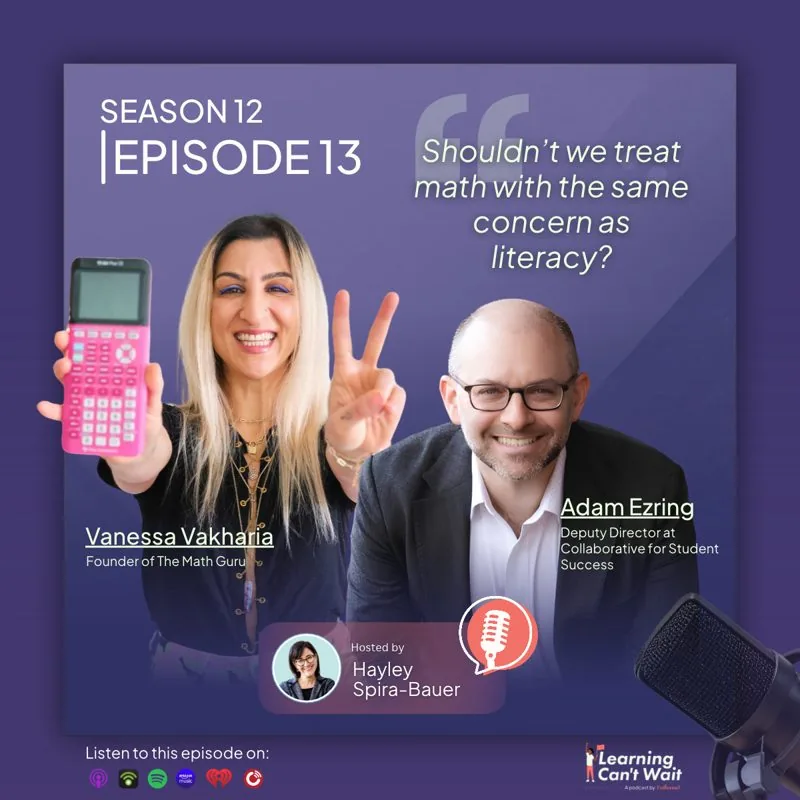 Vanessa Vakharia & Adam Ezring: Family Math, Math Confidence & Learning Through PlayOctober 13, 2026 · Vanessa Vakharia, Adam Ezring
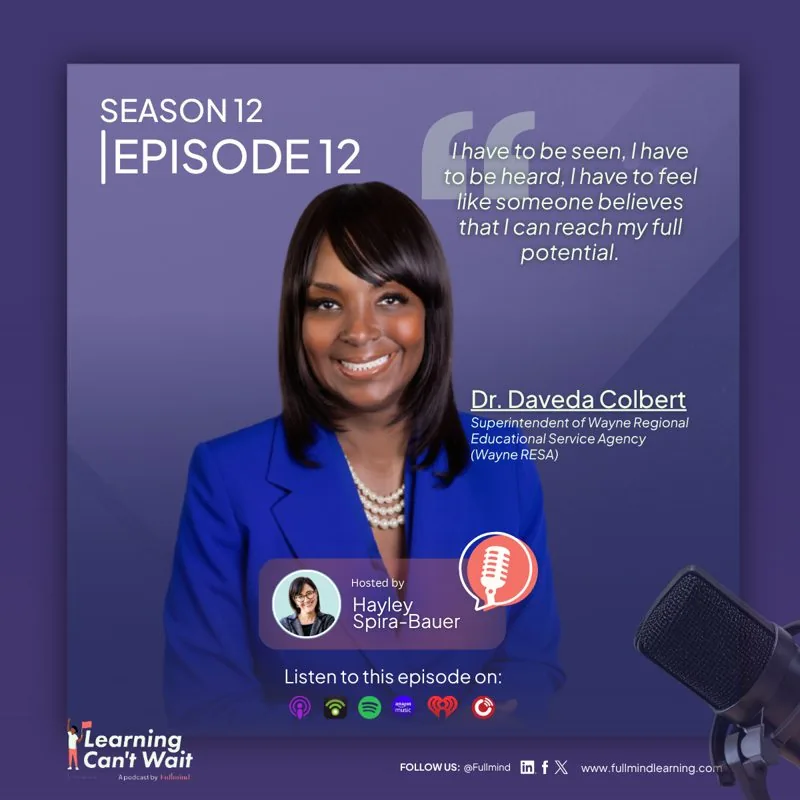 Dr. Daveda Colbert: Leadership, Belonging & ServiceOctober 6, 2026 · Dr. Daveda Colbert
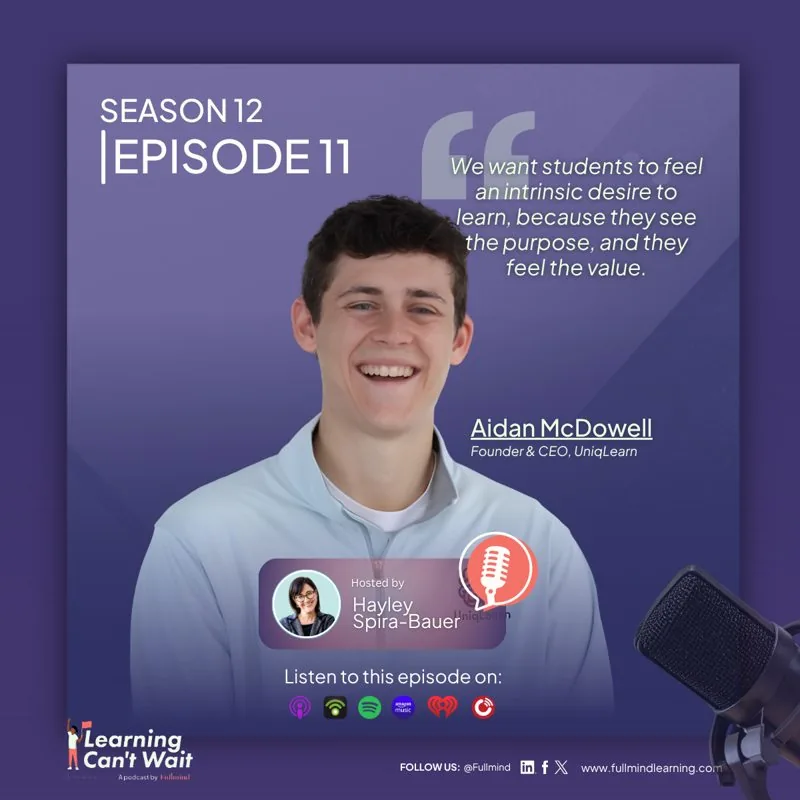 Aidan McDowell: Personalized learning, Student agency & Intrinsic motivationSeptember 29, 2026 · Aidan McDowell
For Education Leaders
Get proven strategies and expert analysis from the host of the Learning Can't Wait podcast, delivered straight to your inbox.


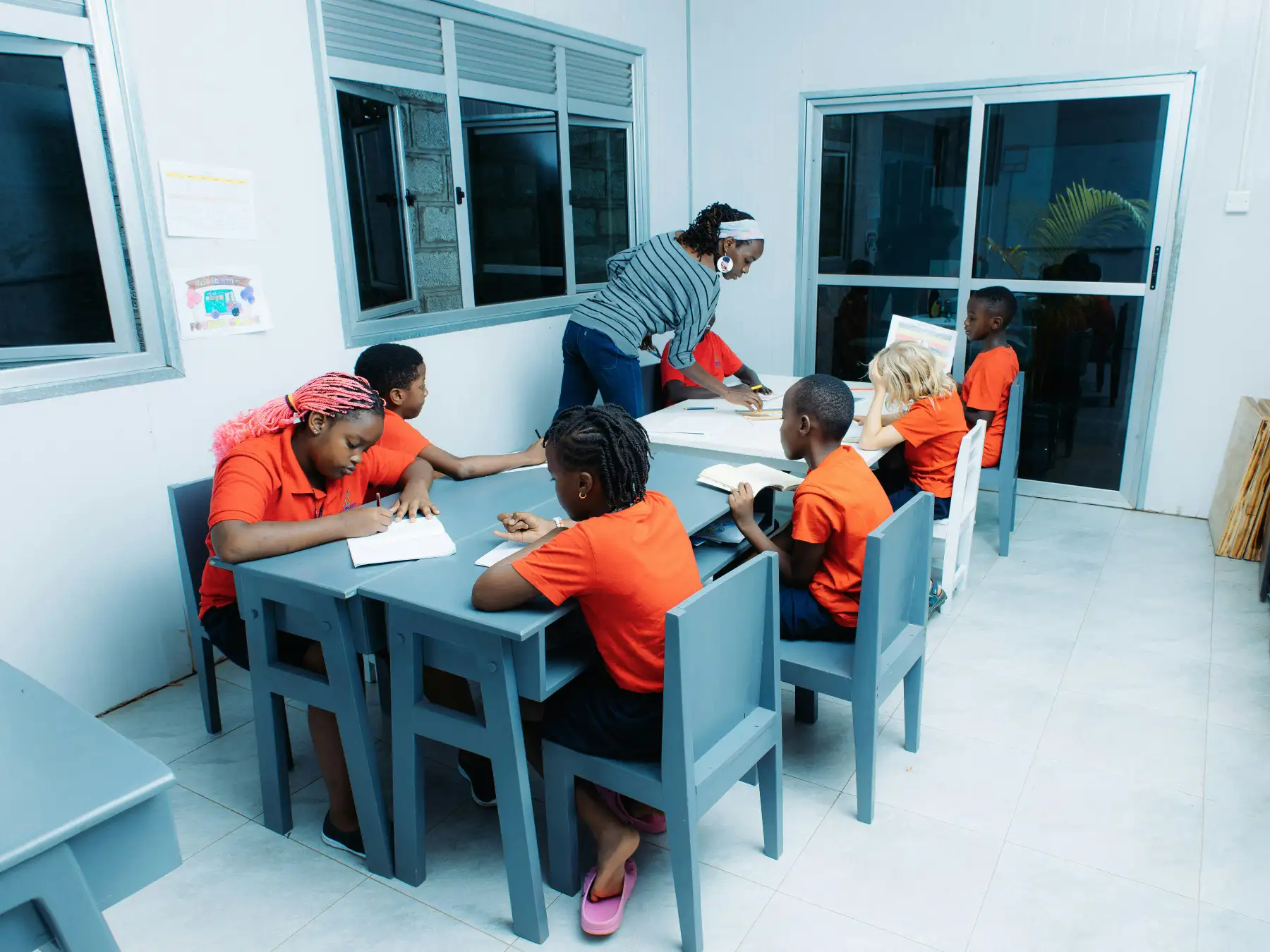





































How can we help? Let’s connect.
Tell us what you need. It takes about a minute, and you’ll see the next steps right away.
We’ll reach out within one business day
An education consultant talks through your students, schedule and goals.
Get a plan for your district
A plan built around your needs and budget.
Need support? Call 1 (888) 841-7840
Thanks! Our team will reach out within one business day to set up a time that works for you.
Need help sooner? Book a time now
Your one-pagers
Matched to what you told us. They download as one PDF.
Every child deserves the opportunity to access exceptional education.