
For Education Leaders
Get proven strategies and expert analysis from the host of the Learning Can't Wait podcast, delivered straight to your inbox.
LIVE Staffing
LIVE Staffing fills hard-to-staff roles with certified educators who teach live, synchronously, on your schedule, with your curriculum or ours.
Montana's Hardest Positions to Fill Are CTE, Special Education and School Psychology. Rural and Reservation Schools Feel It First.

As Montana students returned to class in late August, State Superintendent Susie Hedalen named the three positions schools struggle most to fill: career and technical education, special education, and school psychology. "It is nationwide that we have a teacher shortage, definitely statewide in Montana," she told Northern Broadcasting. "Our rural areas and our reservation schools seem to be more impacted traditionally in Montana."
She also pointed to the School Funding Interim Commission, whose recommendations head to the Legislature. Hedalen supports moving toward a student-based formula with added weight for special education, English learners and at-risk students, and the commission discussed releasing funds when a student with extensive special education needs enrolls mid-year.
Our view: Hedalen's list is useful because all three positions share a property. None of them requires a shop, a lab or a building to deliver. A certified CTE instructor in business or IT, a certified special educator, and a licensed school psychologist can each deliver their service live, on the school's own schedule, to a classroom in a reservation district that has posted the job for three years. The funding commission's mid-year trigger is the right policy. The question for a superintendent in Browning or Lame Deer is what delivers the service this semester, and the answer is not a posting.
What happened
From the August 27 report:
- Montana's state superintendent identified teacher shortages, student well-being and a complicated funding system as the major concerns entering the year; rural and reservation schools are most affected; CTE, special education and school psychology are hardest to fill.
- The School Funding Interim Commission developed proposals including additional support for special education; Hedalen favors a student-based formula with weights for higher-need students.
- One proposal would make funding available when a student with extensive special education needs enrolls during the school year.
- Hedalen framed the goal as building trust in public schools through a funding system people can understand.
Hedalen's list is useful because all three positions share a property.
What it means for districts (analysis)
Attribute the above to the superintendent's and the reporter's. Attribute what follows to Fullmind, which has a view.
The three hardest hires are the three most deliverable services. A welding bay has to be built where the students are. A business pathway, a resource room and a psychoeducational evaluation do not. Montana's shortage list is, by accident, a list of the services that can reach a school without a hire.
Rural and reservation schools are not short on money for the position; they are short on an applicant. A district can fund a school psychologist for years without one applying. The constraint is geography and supply, which is why a funding formula alone, however well designed, does not put a licensed professional in the building.
Mid-year funding needs a mid-year service. The commission's proposal to release money when a high-need student enrolls is right. It only helps if the district can convert the money into certified minutes within weeks, which a posting in a reservation district cannot do and a scheduled live service can.
Count hours, not positions. For every school without a resident certified teacher in a shortage area, the number that matters is hours of live, certified instruction per student per week. In Fullmind's own Alaska brief, hours were the variable that moved scores.
Practical considerations for district leaders
- For each hard-to-fill position, list the students affected and the certified hours they received in the last two weeks. If the number is zero, that is the emergency.
- Put a schedule on it: live, certified instruction at fixed times on the school's bell schedule, with the paraprofessional in the room as facilitator.
- Separate the funding ask (the commission's formula) from the delivery plan (this semester). Advocate for both.
- For CTE, sort pathways by shop-dependent versus instructor-dependent; the second group can open now.
- The line to hold: the district decides eligibility and IEP content and talks to parents; a partner delivers instruction.
Where Fullmind fits
Montana's three hardest hires, CTE, special education and school psychology, all travel. Fullmind, now home to Elevate K-12, delivers each of them live to a reservation or rural school on its own bell schedule, with a paraprofessional in the room and the district keeping every student decision.
- CTE Pathways opens the career courses that need an instructor, not a shop; Fullmind's rural CTE work with RSIZ is on the Impact & Research page as "Reimagining Rural Career Education."
- SWD Services & IEP Fulfillment covers the special education caseload a district has posted for three years. With more than 3,000 educators to draw from, Fullmind places state-certified special educators on special education caseloads.
- Related Service Providers put a licensed school psychologist on a schedule in a district that has never had one on staff.
- LIVE Staffing covers core sections; in a remote Alaska district, Fullmind's brief found 5.5 points of test-score gain per additional instructional hour, which is the number a rural Montana superintendent should ask about.
So far we have published results in live staffing, math growth and remote instruction; our special education results are in progress. What we can already show is the model, the certification, and the minutes delivered on the district's schedule. For Montana the closest evidence is the remote-instruction brief, and hours is the variable it measured.
Run the numbers with us
Send us one school with no certified teacher in a shortage area: the subject, the students, the hours they received last month. We will show what a scheduled live model delivers per week and the cost against the posting that has not been filled. Schedule a consultation with Fullmind.
Sources: Northern Broadcasting, "Montana Schools Start New Year Amid Staffing, Funding and Attendance Concerns," August 27, 2026; Fullmind Impact & Research and Services pages. The analysis section reflects Fullmind's interpretation.
Related:
Podcast
From the Learning Can’t Wait podcast
 Hosted by Hayley Spira-Bauer, Chief Academic Officer at Fullmind
Newest episodes
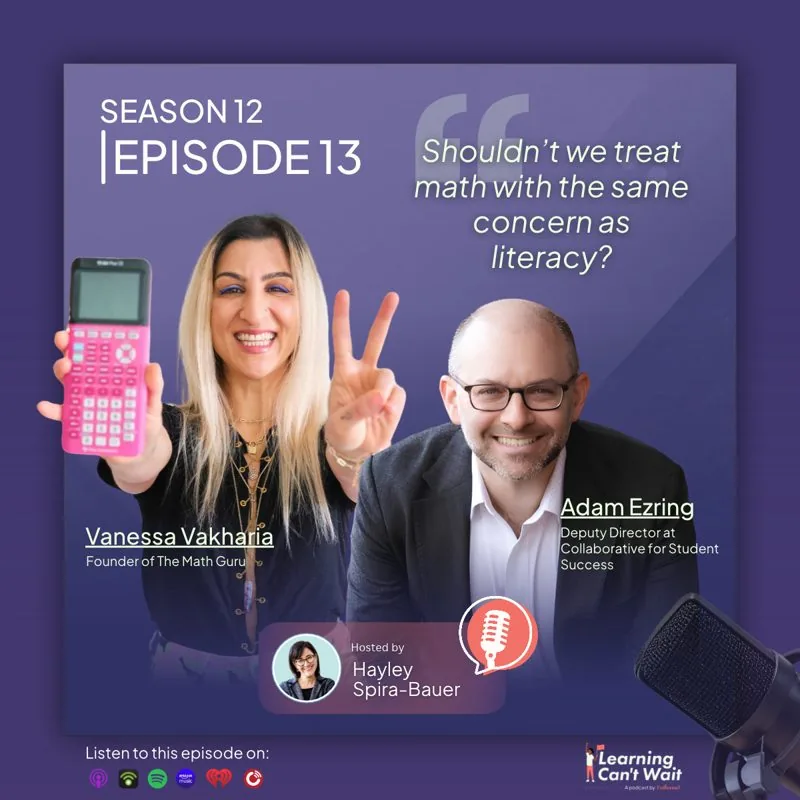 Vanessa Vakharia & Adam Ezring: Family Math, Math Confidence & Learning Through PlayOctober 13, 2026 · Vanessa Vakharia, Adam Ezring
 Dr. Daveda Colbert: Leadership, Belonging & ServiceOctober 6, 2026 · Dr. Daveda Colbert
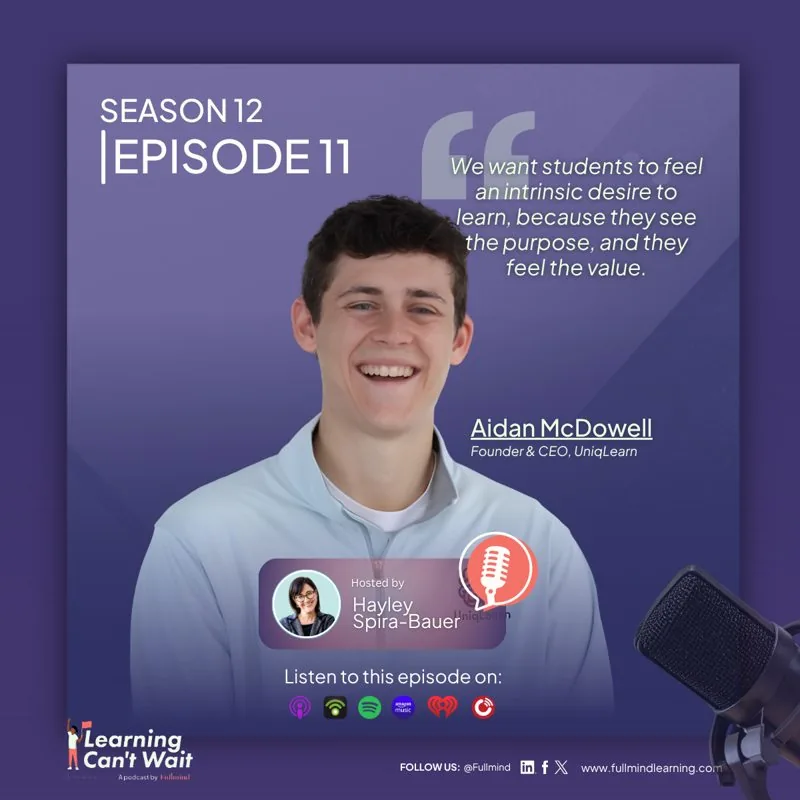 Aidan McDowell: Personalized learning, Student agency & Intrinsic motivationSeptember 29, 2026 · Aidan McDowell
For Education Leaders
Get proven strategies and expert analysis from the host of the Learning Can't Wait podcast, delivered straight to your inbox.
























































How can we help? Let’s connect.
Tell us what you need. It takes about a minute, and you’ll see the next steps right away.
We’ll reach out within one business day
An education consultant talks through your students, schedule and goals.
Get a plan for your district
A plan built around your needs and budget.
Need support? Call 1 (888) 841-7840
Thanks! We’ll confirm your meeting time by email within one business day.
Your one-pagers
Matched to what you told us. They download as one PDF.
Every child deserves the opportunity to access exceptional education.