
For Education Leaders
Get proven strategies and expert analysis from the host of the Learning Can't Wait podcast, delivered straight to your inbox.
SWD Services & IEP Fulfillment
Our virtual special education services give students with disabilities live, small-group instruction from special education–certified educators, aligned to each student's IEP goals, with progress reporting your team can document.
New Mexico Cut Teacher Vacancies 18% in a Year. Special Education Is Still 216 of the 604 That Remain.

New Mexico State University's SOAR center counts the vacancies itself every September by scanning every district's job listings and calling the ones that do not post. Its 2025 report found 1,115 educator vacancies across the 89 districts and Bureau of Indian Education schools, 604 of them teachers, down 18% from 737 the year before. Admissions to educator preparation programs rose. The report calls special education "the highest need": 216 teacher vacancies, 36% of all teacher vacancies, with elementary special education the largest need within that. Sixty percent of educational assistant vacancies were also in special education.
PED's own recruiting page lists special education and elementary as the positions with the most vacancies and math, science, ELA and ESL as the subjects with the largest needs.
Our view: New Mexico's progress is real and its composition is the story. An 18% drop in a year is the pipeline working. The residual is one-third special education, and the methods that produced the drop, residencies and alternative pathways, produce special educators most slowly, because the credential is longer and the attrition is higher. The 216 caseloads are the ones no candidate took last year, in a state where many of those classrooms are hours from the nearest preparation program. They need certified minutes now, not a better posting.
What happened
- NMSU SOAR 2025 report (as of September 2025): 1,115 educator vacancies; 604 teacher vacancies (down 18% from 737; 751 in 2023); special education 216 (36%); elementary 128 (21%); early childhood up from 23 to 29; 60% of educational assistant vacancies in special education; EPP admissions up in 2024–25.
- The count is compiled from district job postings and may overstate true vacancies, per the Learning Policy Institute, which also reports 681 New Mexico teachers not fully certified, a comparatively low combined rate.
- PED's "Teaching is Changing Lives" page: special education and elementary have the most vacancies; math, science, ELA and ESL the largest subject needs; special education licensure scholarships and two years of mentorship offered.
New Mexico's progress is real and its composition is the story.
What it means for districts (analysis)
That is the factual record as the researchers' gave it. Our analysis starts here, and it takes a side.
The last third is the hardest third. Vacancies that fall to residencies and alternative pathways are the general-education ones. Special education stays because the license is longer, the work is harder and the candidate pool was already thin.
Assistant vacancies compound teacher vacancies. When 60% of educational assistant openings are also in special education, the paraprofessional who would support a stretched caseload is missing too. The classroom has neither adult.
Distance is a hiring constraint the pipeline does not fix. A graduate of a residency in Las Cruces does not automatically appear in Cuba or Shiprock. The residual vacancies are disproportionately where the preparation programs are not.
Deliver certified minutes to the 216. A certified special educator delivering instruction on each school's schedule, with the in-room adult as facilitator, converts a job posting into service delivered this semester, while the pipeline keeps producing.
Practical considerations for district leaders
- Separate general-education and special education vacancies in the board report; they have different timelines and different tools.
- Count the minutes, not the posting: weekly undelivered IEP service time per student for each vacancy.
- Keep using residencies and PED's licensure scholarships; pair them with a this-semester coverage plan for the special education residual.
- Put a certified special educator on open caseloads now, with the available adult as facilitator.
- Hold the student-specific decisions in district: who qualifies, what the IEP says, and what parents are told.
Where Fullmind fits
New Mexico cut vacancies 18% in a year, and 216 of the remaining 604 are special education. Fullmind, now home to Elevate K-12, is built for that residual: a certified special educator delivers the caseload live, on the school's schedule, with the district's educational assistant in the room, in districts hours from the nearest preparation program.
- SWD Services & IEP Fulfillment covers the 216. The teachers are state-certified special educators, drawn from Fullmind's more than 3,000 educators.
- Related Service Providers deliver speech-language, OT/PT, school psychology and counseling to districts the residency programs do not reach.
- LIVE Staffing covers math and science sections in small high schools; Fullmind's remote Alaska brief found 5.5 points of test-score gain per added instructional hour.
To date, Fullmind's published results are in live staffing, math growth and remote instruction; special education results are in progress. The model, the certification, and the minutes delivered on the district's schedule are what we can show today. The pipeline is working in New Mexico; this covers the caseloads it reaches last.
Run the numbers with us
If your district's remaining vacancies are special education, send us the caseloads and the minutes owed. We will show a certified live schedule for this semester and the cost against the uncovered caseload. Schedule a consultation with Fullmind.
Sources: New Mexico State University SOAR Center, 2025 New Mexico Educator Vacancy Report (October 2025) and NMSU newsroom; New Mexico Public Education Department, "Teaching is Changing Lives"; Learning Policy Institute 2026 scan. Numbers and quotations are as the cited sources reported them; the analysis section is Fullmind's own reading.
Podcast
From the Learning Can’t Wait podcast
 Hosted by Hayley Spira-Bauer, Chief Academic Officer at Fullmind
Newest episodes
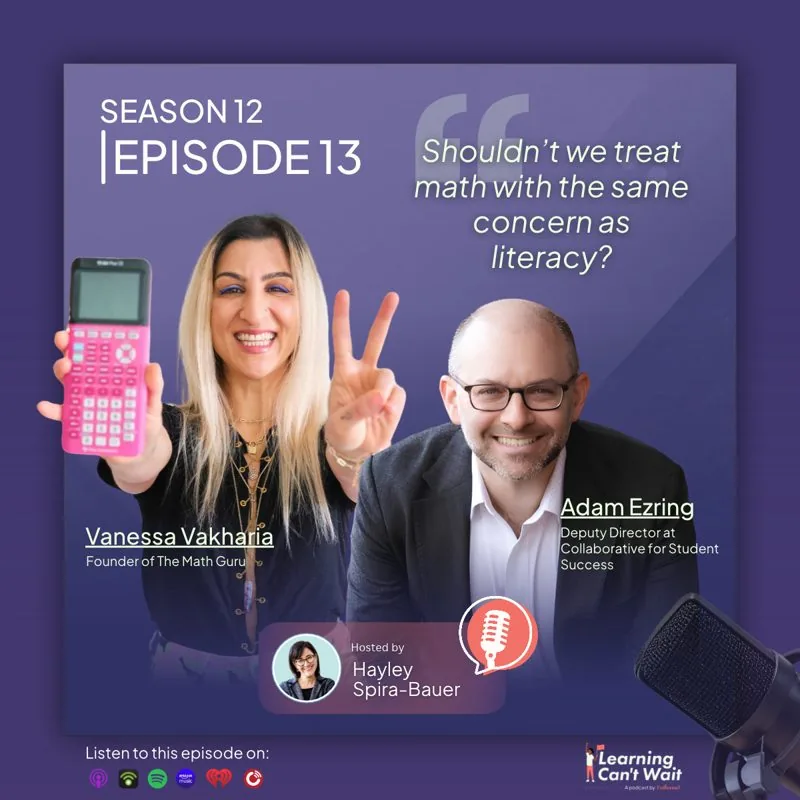 Vanessa Vakharia & Adam Ezring: Family Math, Math Confidence & Learning Through PlayOctober 13, 2026 · Vanessa Vakharia, Adam Ezring
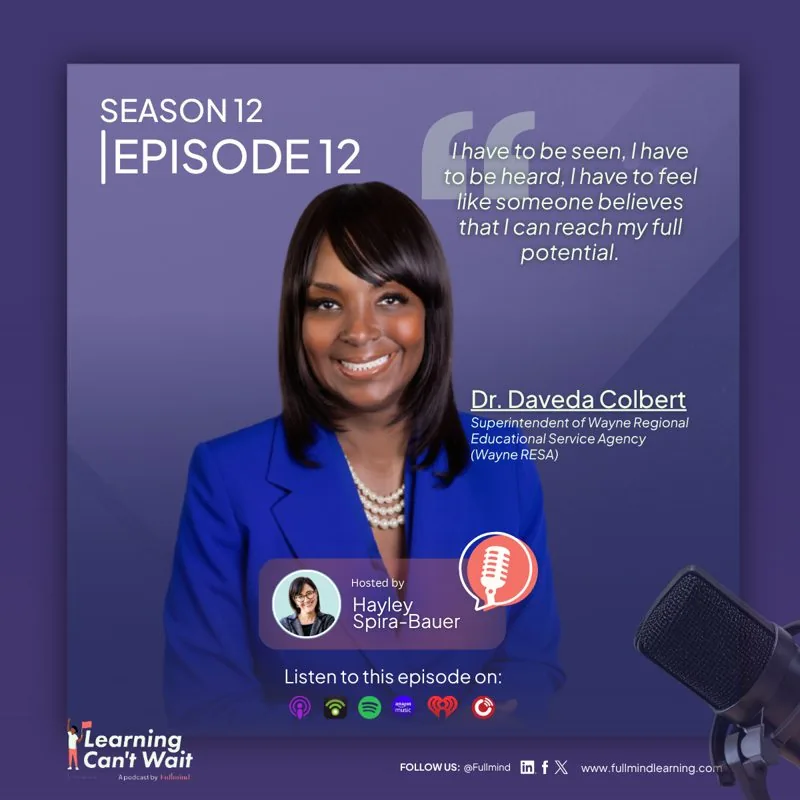 Dr. Daveda Colbert: Leadership, Belonging & ServiceOctober 6, 2026 · Dr. Daveda Colbert
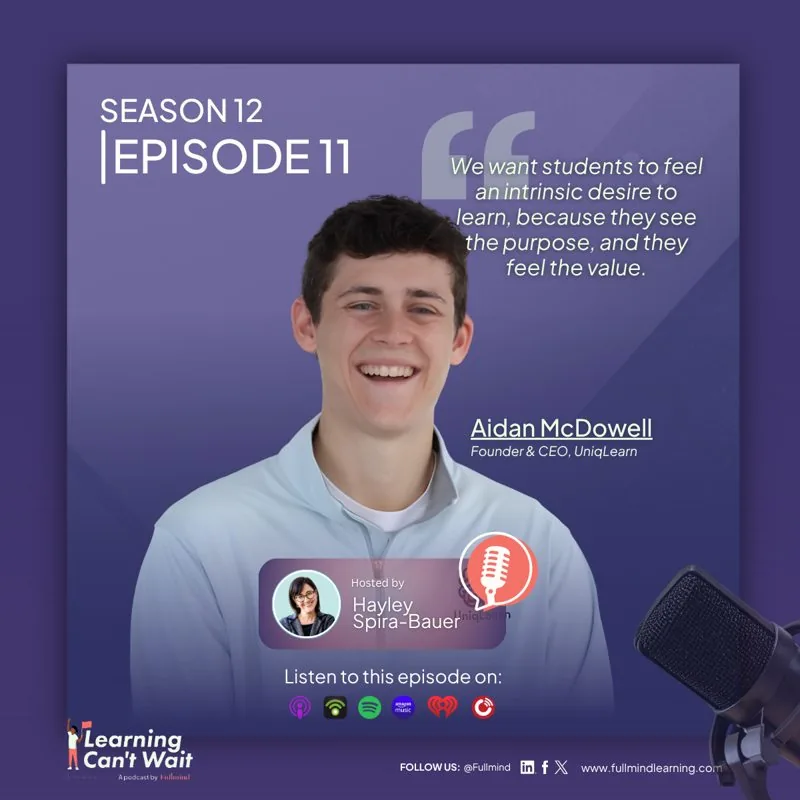 Aidan McDowell: Personalized learning, Student agency & Intrinsic motivationSeptember 29, 2026 · Aidan McDowell
For Education Leaders
Get proven strategies and expert analysis from the host of the Learning Can't Wait podcast, delivered straight to your inbox.


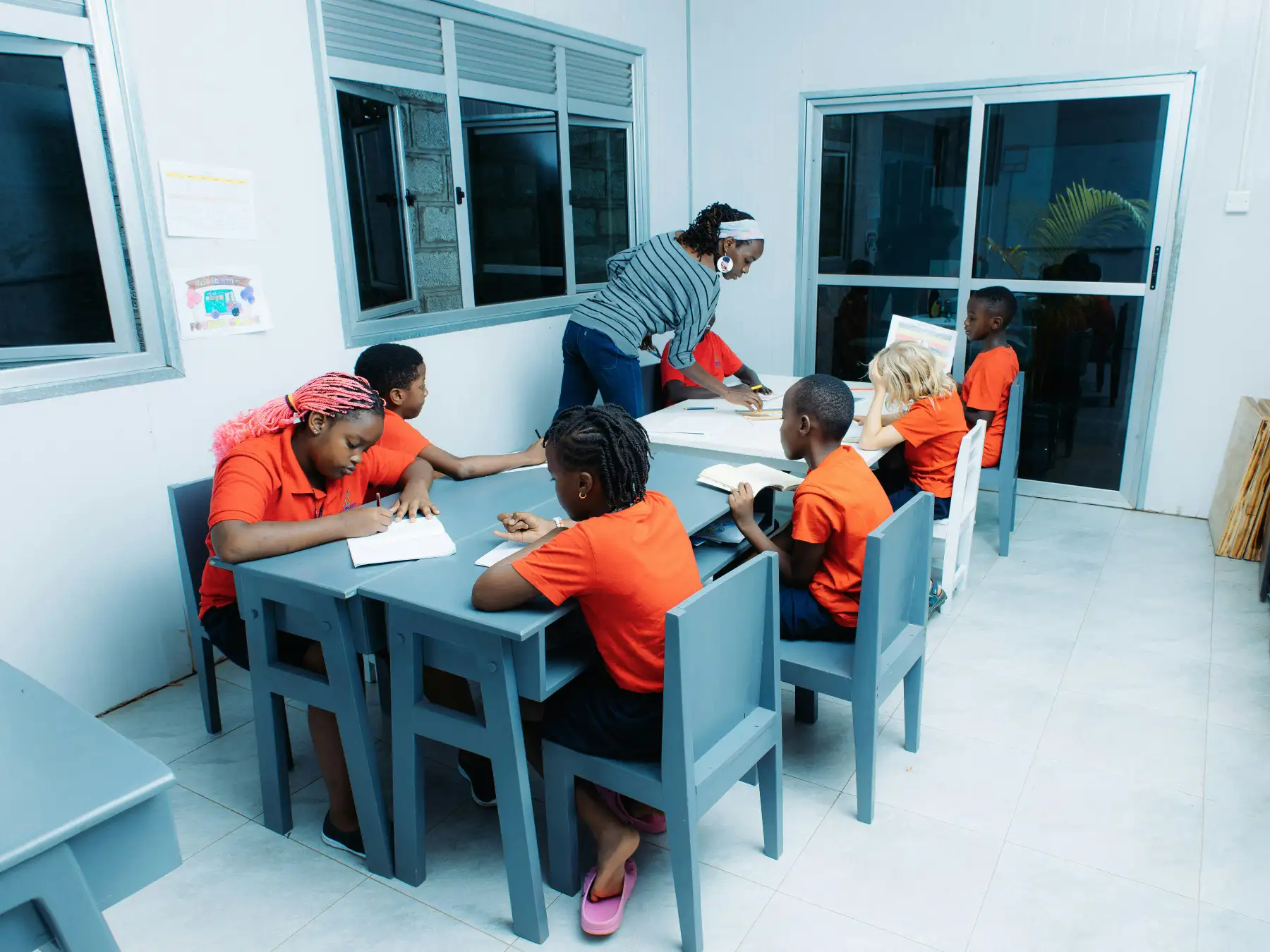








































How can we help? Let’s connect.
Tell us what you need. It takes about a minute, and you’ll see the next steps right away.
We’ll reach out within one business day
An education consultant talks through your students, schedule and goals.
Get a plan for your district
A plan built around your needs and budget.
Need support? Call 1 (888) 841-7840
Thanks! We’ll confirm your meeting time by email within one business day.
Your one-pagers
Matched to what you told us. They download as one PDF.
Every child deserves the opportunity to access exceptional education.