Connect with the Fullmind Team

For Education Leaders
Get proven strategies and expert analysis from the host of the Learning Can't Wait podcast, delivered straight to your inbox.
SWD Services & IEP Fulfillment
Our virtual special education services give students with disabilities live, small-group instruction from special education–certified educators, aligned to each student's IEP goals, with progress reporting your team can document.
Oklahoma Special Education Laws: For School Administrators

As a school administrator in Oklahoma, you must ensure students with disabilities receive a free and appropriate public education (FAPE). Understanding and implementing Oklahoma special education laws is a legal obligation that creates an inclusive educational environment. Non-compliance impacts educational outcomes and futures of vulnerable students.
This guide covers Oklahoma special education laws, from eligibility determination and IEP development to dispute resolution and compliance. Oklahoma's framework aligns with federal mandates under the Individuals with Disabilities Education Act (IDEA), with state-specific policies. Organizations like Fullmind support schools with certified virtual educators and specialized services for students with disabilities and IEP fulfillment.
Overview of Oklahoma Special Education Laws
Oklahoma’s special education foundation rests on the Individuals with Disabilities Education Act (IDEA), a federal law guaranteeing students with disabilities the right to receive FAPE in the least restrictive environment. IDEA establishes core principles including individualized education programs, parental participation, procedural safeguards, and appropriate evaluation processes. These mandates ensure consistency across states while allowing local implementation strategies.
Oklahoma special education laws, codified in Oklahoma Statutes Title 70, Section 13-101 et seq., supplement federal requirements to create a comprehensive legal framework. The Oklahoma State Department of Education (OSDE) oversees, provides guidance, monitors compliance, and ensures local education agencies meet state and federal obligations. Oklahoma's laws emphasize early identification, appropriate assessment, and evidence-based interventions tailored to each student's needs.
Core terminology forms the backbone of Oklahoma's special education framework. A "child with a disability" refers to a student evaluated and determined to have one or more qualifying disabilities that adversely affect educational performance. "Special education" encompasses specially designed instruction provided at no cost to parents, tailored to meet the unique needs of a student with a disability through individualized education programs. "Related services" include transportation, developmental, corrective, and supportive services necessary for a student to benefit from special education.
The core components of Oklahoma special education law include:
- Eligibility determination: Comprehensive evaluation processes to identify students needing services.
- Individualized Education Programs (IEPs): Legally binding documents outlining student needs and services
- Least Restrictive Environment (LRE): Placement requirements ensuring inclusion with non-disabled peers
- Parental rights and procedural safeguards: Legal protections for families during the process
- Dispute resolution: Formal mechanisms for addressing disagreements
- Transition services: Preparation for post-secondary education and employment
- Discipline procedures: Special considerations for students with disabilities
- Funding and resources: State and federal financial support systems
Individualized Education Programs (IEPs)
Under Oklahoma IEP laws, an Individualized Education Program (IEP) is a legally binding contract between the school district and the family. It outlines how a student's educational needs will be addressed. This document goes beyond a simple service plan. It represents a commitment to providing specially designed instruction, related services, accommodations, and modifications necessary for the student to access and progress in the general education curriculum, whether delivered by on-site staff or certified virtual educators.
The IEP development process requires collaboration among a team. This team includes the student's parents, general education teachers, special education teachers, school administrators, related service providers, and when appropriate, the student. Each member brings essential perspectives to ensure the IEP addresses all aspects of the student's education. Core components of an effective IEP include present levels of academic achievement and functional performance, measurable annual goals with specific objectives, detailed descriptions of special education and related services, necessary accommodations and modifications, participation in state and district assessments, and transition planning for older students.
IEP implementation and review follow strict timelines. Teams must review and revise IEPs at least annually, though more frequent reviews may occur based on student needs or parental requests. School administrators play an important role in ensuring IEP implementation by providing resources, monitoring student progress, facilitating communication among team members, and maintaining compliance with legal requirements. Regular data collection and progress monitoring enable teams to make informed decisions about service effectiveness and necessary adjustments.
Common challenges in IEP development and implementation include resource limitations, scheduling conflicts for related services, team disagreements on goals or services, and ensuring general education teacher understanding of accommodations and modifications. Successful administrators address these challenges through proactive planning, clear communication, professional development, and maintaining focus on student-centered decision making.
School administrators’ responsibilities regarding IEPs:
- Ensuring that IEPs are developed and implemented according to state and federal law
- Providing adequate resources and support for IEP implementation
- Monitoring student progress and ensuring IEP goals are met
- Facilitating communication and collaboration among IEP team members
- Maintaining accurate documentation and compliance records
- Supporting professional development for staff working with students with disabilities
Eligibility and Evaluation Process
In Oklahoma, the process for determining special education eligibility begins with the "child find" principle, requiring school districts to identify, locate, and evaluate all students suspected of having disabilities needing special education services. This proactive approach ensures no student is overlooked due to lack of identification or referral.
The evaluation process uses multiple assessment tools and strategies to gather relevant functional, developmental, and academic information about the student. Qualified professionals conduct assessments in all areas related to the suspected disability, including academic achievement, cognitive abilities, behavioral functioning, physical development, and communication skills. Before the initial evaluation, parental consent is required, and parents can request an independent educational evaluation if they disagree with the school's assessment results.
Oklahoma law establishes timelines for evaluation and eligibility determination to ensure timely access to services. Once parental consent is obtained, the evaluation must be completed within 60 calendar days, excluding summer breaks unless the IEP team determines that extended school year services are necessary. The eligibility determination meeting must occur promptly after all assessments to review results and determine if the student qualifies for special education services.
The evaluation process follows these essential steps:
- Referral: Parents, teachers, administrators, or other school personnel who suspect a disability requiring special education services may refer students for special education evaluation.
- Evaluation: A comprehensive assessment by qualified professionals using multiple measures and tools to evaluate all areas of suspected disability while considering the student's cultural and linguistic background.
- Eligibility Determination: The IEP team, including parents, reviews all evaluation data to determine if the student meets eligibility criteria for one or more disability categories and requires special education services.
- IEP Development (if eligible): For eligible students, the team develops an appropriate IEP within 30 calendar days of the eligibility determination.
Parental Rights and Procedural Safeguards
In Oklahoma, special education rights place parents at the center of all decision-making processes affecting their child's education. These rights, protected by federal and state law, ensure families can participate in their child's educational planning and access necessary information for informed decision-making. The emphasis on parental rights reflects the understanding that parents know their child's needs, strengths, and challenges.
Procedural safeguards are protective mechanisms under IDEA to ensure parents understand their rights and have recourse for disagreements. Whenever the school district proposes or refuses to initiate or change the identification, evaluation, educational placement, or provision of FAPE to their child, prior written notice must be provided to parents. This notice must be in understandable language and provided in the parent's native language or communication mode unless not feasible.
Effective communication and collaboration between school administrators and parents requires intentional relationship-building strategies. Successful administrators create welcoming environments for parent participation, provide multiple communication opportunities beyond required meetings, respect cultural and linguistic diversity, and maintain focus on the student's best interests despite disagreements. Building trust through transparent communication and follow-through on commitments strengthens the family–school partnership.
Parental rights include:
- Right to participate in all IEP meetings and educational decision-making processes
- Right to access and review all educational records related to their child
- Right to obtain an independent educational evaluation (IEE) at public expense under specific circumstances
- Right to receive prior written notice of proposed or refused actions
- Right to resolve disputes through mediation, state complaint procedures, or due process hearings
- Right to keep their child in the current educational placement during dispute resolution.
Least Restrictive Environment (LRE)
The Least Restrictive Environment (LRE) principle requires educating students with disabilities alongside their non-disabled peers to the maximum extent appropriate. Removal from the general education environment only when their disability prevents satisfactory achievement despite supplementary aids and services. This concept recognizes that inclusion benefits both students with disabilities and improves the educational experience for all.
Determining the appropriate LRE for each student requires careful consideration of multiple factors. These factors include the student's needs, potential benefits of various placements, effects on other students, and availability of supplementary aids and services. Oklahoma schools must offer a full continuum of placement options from general education classrooms with support services to more restrictive settings like separate special education classrooms, special schools, or residential facilities when necessary.
Promoting inclusion and access to the general education curriculum requires systematic implementation of evidence-based strategies. Co-teaching models allow general and special education teachers to collaborate in delivering instruction to diverse learners in the same classroom. Universal Design for Learning (UDL) principles guide the development of flexible curriculum and instructional approaches that accommodate diverse learning needs. Assistive technology provides tools and supports enabling students with disabilities to access content and demonstrate their knowledge.
Dispute Resolution and Due Process
When disagreements arise about a student's special education program, Oklahoma offers multiple dispute resolution avenues to address concerns while focusing on the student's educational needs. These options include informal problem-solving, formal mediation, state complaint procedures, and due process hearings. Each option serves different purposes and offers varying levels of formality and legal protection.
The due process hearing system provides families and school districts access to an impartial hearing officer for binding decisions on special education disputes. Filing a due process complaint initiates formal legal proceedings with specific timelines and procedural requirements. Both parties have rights to legal representation, present evidence and examine witnesses, and access evaluation reports and recommendations. The hearing officer's decision is binding and can be appealed to state or federal court.
Mediation offers a less adversarial alternative that encourages collaborative problem-solving with a trained, impartial mediator. This voluntary process allows parties to work together toward mutually acceptable solutions while maintaining control over the outcome. Mediation sessions are confidential, and agreements are legally binding. Benefits include cost-effectiveness, preservation of working relationships, creative problem-solving opportunities, and faster resolution than formal hearings.
Transition Services for Students
Transition services prepare students with disabilities for successful post-secondary outcomes including further education, employment, and independent living. These activities focus on improving academic and functional achievement while teaching adult life skills. Effective transition planning recognizes that post-secondary success requires preparation that begins before high school graduation.
Under Oklahoma law, transition planning must start by the first IEP when the student turns 14, or younger if determined by the IEP team. The transition plan becomes an integral part of the student's IEP, including measurable post-secondary goals based on age-appropriate transition assessments in training, education, employment, and independent living skills. Annual goals must support the student's movement toward achieving their post-secondary objectives.
Transition services in a student's IEP encompass a range of activities tailored to individual needs. Vocational training programs provide hands-on experience in career areas of interest while teaching job-related skills. Job shadowing and internships offer real-world exposure to different career paths and workplace expectations. College preparation services include academic skill development, application assistance, and campus visits. Independent living skills training addresses money management, transportation, self-advocacy, and community navigation.
Discipline and Behavioral Interventions
Under Oklahoma law, disciplining students with disabilities requires careful consideration of the relationship between the student's behavior and their disability. It is essential to ensure disciplinary actions do not deny access to appropriate educational services. Students with disabilities cannot be disciplined more harshly than their non-disabled peers, and certain protections apply when considering suspension or expulsion that would change their educational placement.
Functional Behavioral Assessments (FBAs) and Behavior Intervention Plans (BIPs) are essential tools for addressing challenging behaviors through systematic analysis and evidence-based interventions. An FBA examines the function of a student's behavior, considering environmental factors, triggers, and consequences. Based on FBA results, a BIP outlines strategies for teaching appropriate replacement behaviors while modifying environmental factors contributing to problematic behaviors.
Manifestation determination reviews must occur within 10 school days when disciplinary action would change placement for over 10 consecutive days or a pattern of removals. The IEP team examines whether the conduct was caused by or directly related to the student's disability, or if it resulted from the school's failure to implement the IEP.
Steps for administrators disciplining a student with a disability include:
- Review the student's IEP, behavioral data, and any existing behavior intervention plans.
- Conduct a manifestation determination review when required by law
- Implement disciplinary measures per the student's IEP and laws.
- Provide behavioral interventions and support services
- Ensure educational services continue during removal from the regular educational setting.
Funding and Resources for Special Education
Oklahoma special education funding combines federal and state resources to support the additional costs of providing special education and related services. Federal funding through IDEA Part B provides supplemental support but covers only a portion of the excess costs. State funding formulas provide additional resources based on student enrollment, disability categories, and service intensity levels.
Schools and families have access to resources for special education and student success. The Oklahoma State Department of Education provides guidance, training, and technical assistance to help districts implement effective programs. Professional organizations offer networking and professional development for educators and administrators working with students with disabilities.
Visit the Oklahoma State Department of Education Special Education Services website for information about Oklahoma's special education policies, procedures, and resources.
State-Specific Policies and Compliance
Oklahoma has implemented specific policies that complement federal requirements while addressing state priorities. The Oklahoma Academic Standards framework guides curriculum and instruction, with special education services helping students with disabilities access and progress in these standards. The state emphasizes evidence-based practices, data-driven decision making, and measurable student outcomes.
The Oklahoma State Department of Education ensures compliance through monitoring and oversight activities, including cyclical reviews of district special education programs, complaint investigations, and technical assistance. Non-compliant districts face corrective action requirements, potential funding restrictions, and intensive monitoring until compliance is achieved. The state's focus on continuous improvement encourages districts to use data for program improvement rather than merely meeting compliance requirements.
FAQ: Additional Topics and Concerns
Q: What early intervention services are available in Oklahoma?
Oklahoma offers early intervention services for infants and toddlers with disabilities (birth to age 3) through the SoonerStart program. Services include developmental assessments, family support, therapeutic services, and preschool transition planning.
Q: What are the considerations for private school placement of students with disabilities in Oklahoma?
A: If a school district can’t provide appropriate services, private school placement may be considered. The district must pay for private placement only when it cannot provide FAPE in public settings. Parents who unilaterally place their child in private schools may not receive reimbursement unless specific legal criteria are met.
Q: What assistive technology provisions are available for students with disabilities in Oklahoma?
A: Oklahoma requires consideration of assistive technology needs for all students with disabilities. Schools must provide necessary devices and services as part of special education, related services, or supplementary aids and services to enable students to access their education.
Q: What are the certification requirements for special education teachers in Oklahoma?
A: In Oklahoma, special education teachers must hold appropriate certification. Requirements include completion of an approved teacher preparation program, passing assessments, and maintaining certification through continuing education and professional development.
Conclusion
Understanding and implementing Oklahoma special education laws requires ongoing commitment to professional learning, collaboration, and student-centered decision making. This guide provides the foundation for compliance while focusing on helping every student with disabilities achieve their maximum potential. Laws and regulations are the framework, but implementation quality determines outcomes.
As school administrators, your leadership in creating inclusive, supportive environments impacts students with disabilities and their families. Use this knowledge to advocate for your students, build partnerships with families, and ensure your school provides high-quality services. Fullmind offers certified virtual educators and customized learning solutions for K-12 schools in the U.S., including SWD services and IEP fulfillment. Learn how Fullmind can help your school meet all students’ needs.
Podcast
From the Learning Can’t Wait podcast
 Hosted by Hayley Spira-Bauer, Chief Academic Officer at Fullmind
Related episodes
 Evan Abramson: Ed Tech Innovation, AI in Education, Building Trust in SchoolscaJanuary 28, 2025 · Evan Abramson
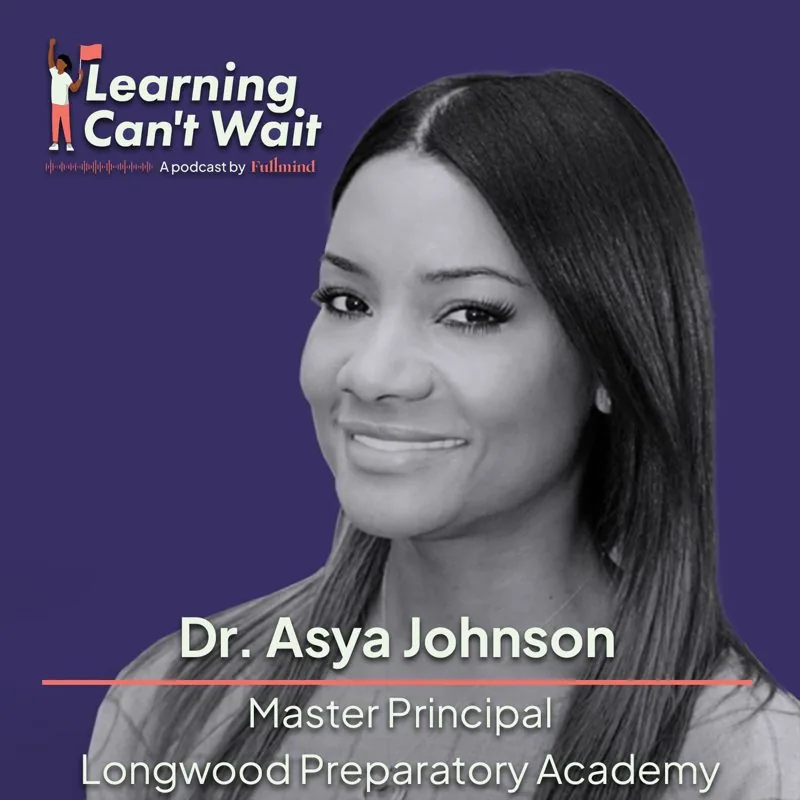 Asya Johnson: New York City Public Schools, Culturally Responsive Teaching, College and Career ReadinessMarch 12, 2024 · Asya Johnson
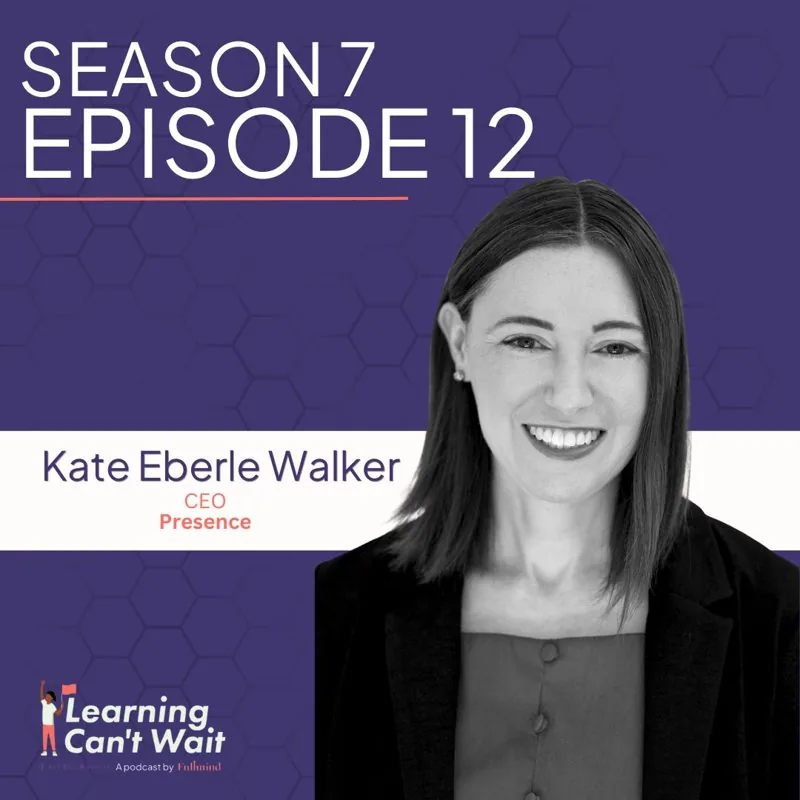 Kate Eberle Walker: Presence, Teletherapy for Students, Remote EvaluationsMarch 11, 2025 · Kate Eberle Walker
Oklahoma on the podcast
Episodes with Oklahoma connections
 Chad Aldeman: Teacher Shortage, Educator Retention, Read Not GuessSeptember 3, 2024 · Chad Aldeman
For Education Leaders
Get proven strategies and expert analysis from the host of the Learning Can't Wait podcast, delivered straight to your inbox.












































































How can we help? Let’s connect.
Tell us what you need. It takes about a minute, and you’ll see the next steps right away.
We’ll reach out within one business day
An education consultant talks through your students, schedule and goals.
Get a plan for your district
A plan built around your needs and budget.
Need support? Call 1 (888) 841-7840
Thanks! Our team will reach out within one business day to set up a time that works for you.
Need help sooner? Book a time now
Your one-pagers
Matched to what you told us. They download as one PDF.
Every child deserves the opportunity to access exceptional education.