
For Education Leaders
Get proven strategies and expert analysis from the host of the Learning Can't Wait podcast, delivered straight to your inbox.
LIVE Staffing
LIVE Staffing fills hard-to-staff roles with certified educators who teach live, synchronously, on your schedule, with your curriculum or ours.
Springfield 186 Has an $11 Million Deficit and 90% of Its Costs in People. Illinois Still Has 1,079 Special Education Vacancies. Those Two Facts Share a Solution.
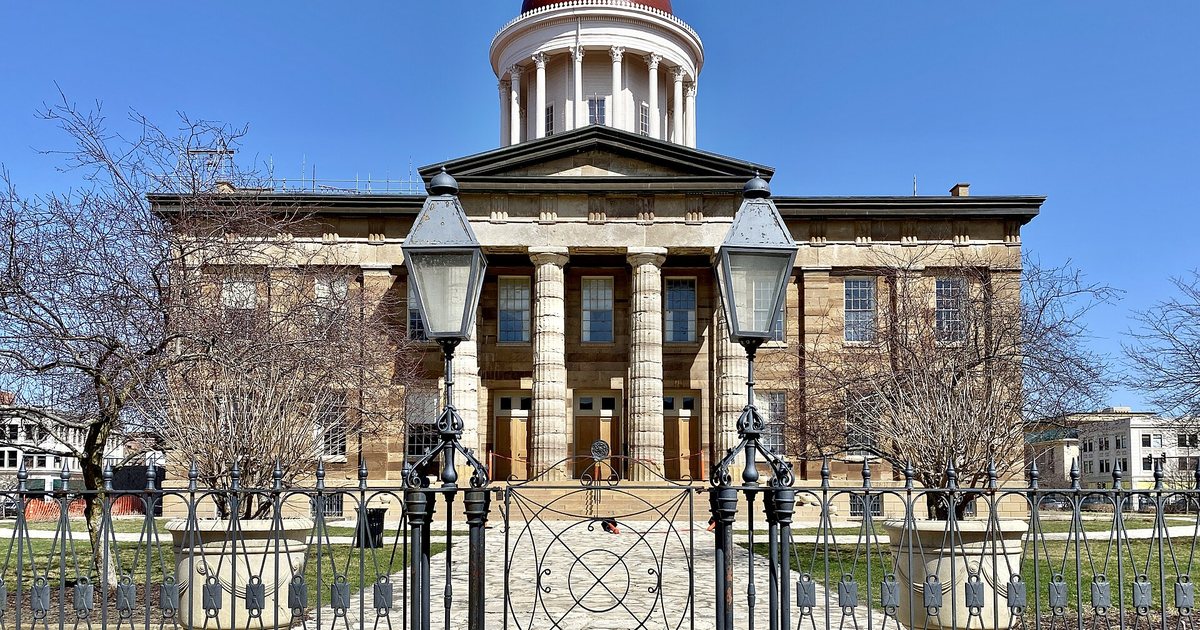
At its most recent meeting, the Springfield District 186 Board of Education heard a board member press the budget director on a steep drop in fund balance and an $11 million deficit, according to Illinois Times (October 9). With about 90% of expenses in personnel and little room to grow revenue, the outlet reports, "the conversation went straight to what this could mean for jobs." A union representative argued the crisis "didn't come out of nowhere" and that educators should not take an unfair share of the cuts. The board voted 6–1 to push for a stronger standing voice at the Capitol.
Statewide, Illinois' picture is better than it was and still uneven. The Illinois State Board of Education's 2026 unfilled-positions data showed vacancies down 24% in a year, to 2,943 as of October 2025, with 2,134 paraprofessional and 964 support positions also open, per Shaw Local. Special education accounted for 1,079 of the unfilled teaching positions, more than a third.
Our view: a district whose costs are 90% people and whose deficit is $11 million is going to reduce positions; the arithmetic allows nothing else. The question is which positions, and Illinois' own vacancy data offers an answer that most cut lists miss. A district that is both cutting and carrying unfilled special education positions should recognize those as the same budget line seen from two sides: the vacancy is already a cut, with a compliance exposure attached. The durable move is not to cut deeper into the schedule. It is to decide which instruction is core and permanent, which is the marginal layer that should flex, and to deliver the special education minutes the district already owes without a position it cannot fill.
What happened
- Springfield 186: an $11 million deficit and a steep fund-balance decline, raised by a board member with the budget director; about 90% of expenses in personnel; a union representative warned against an unfair share of cuts on educators; a 6–1 vote to strengthen state advocacy.
- ISBE 2026 data (as of October 2025): 2,943 unfilled teaching positions, down from 3,864; 1,079 in special education; 2,134 paraprofessional and 964 support vacancies. The state credits its $120 million Teacher Vacancy Grant targeting 170 high-need districts.
- Spring 2026: Freeport cut dozens of positions against an $11 million deficit; Rockford cut more than 100 against $15 million; Naperville's board rejected proposed cuts against $12 million; districts cited mandated special education transportation and placement costs among rising expenses (WNIJ, April).
A district whose costs are 90% people and whose deficit is $11 million is going to reduce positions; the arithmetic allows nothing else.
What it means for districts (analysis)
So far this has been the board's, the state's and reporters' account. The rest is our interpretation, and we will take a position on it.
Ninety percent personnel means the cut is a schedule decision. There is no large non-instructional line to take first. The next reduction reaches single-section courses and intervention blocks, which is why the union representative's warning about an unfair share is a real risk and not rhetoric.
An unfilled special education position is already a cut. Illinois' 1,079 special education vacancies are not savings; they are IEP minutes owed and undelivered, with compensatory exposure accruing. A district counting them as budget relief has the sign wrong.
Mandated costs are rising while discretionary ones are cut. Northern Illinois districts named special education placements and transportation among the drivers. Those lines do not shrink when a district cuts an elective; they are the reason the elective is on the list.
Flex the marginal layer; deliver the mandated one. The core schedule stays in permanent positions. Single-section courses and intervention blocks can be carried a semester at a time. Special education caseloads with no certified applicant can be served by a certified educator delivering the minutes now, with the paraprofessional as facilitator.
Practical considerations for district leaders
- Put the deficit-reduction list next to the vacancy list. Any special education or core position on both is a compliance exposure, not a saving.
- Build the at-risk course list by school: single sections, small enrollments.
- Separate the core from the variable layer in the staffing plan, so permanent positions match the floor.
- Log the weekly shortfall in IEP service minutes, student by student, wherever a special education position is open.
- Apply for the state's Teacher Vacancy Grant if eligible; it is targeted exactly at this.
Where Fullmind fits
Springfield 186 is 90% personnel with an $11 million gap, and Illinois has 1,079 special education positions no one has filled. Fullmind, now home to Elevate K-12, speaks to both lines at once: a variable layer for the single-section courses a cut will reach, and certified special education delivery for caseloads that are already, in effect, cut.
- LIVE Staffing carries a one-section course for a semester without a permanent position; in one partner district, 44.7% of Fullmind students earned a C or above, compared with 25.1% of their peers.
- SWD Services & IEP Fulfillment covers a caseload with no applicant, which in Illinois is a third of the vacancy list. Fullmind draws its special education teachers from more than 3,000 educators, and each one is a state-certified special educator.
- High Dosage Tutoring gives a cutting district a scheduled intervention block it can defend; in a large southern district, the site reports, tutored students outpaced their peers' score gains.
The union representative asked that educators not carry an unfair share of the cuts. A model that trims the marginal layer without trimming the core faculty, and stops counting vacancies as savings, is the version of that request a budget director can act on.
Run the numbers with us
Send us both lists: the positions on the deficit-reduction plan and the special education positions you cannot fill. We will show where they overlap, which single-section courses a live model would hold, and what the mandated minutes cost to deliver either way. Schedule a consultation with Fullmind.
Sources: Illinois Times, "Springfield schools face deficit, safety and state gaps," October 9, 2026; Shaw Local, "Progress being made on Illinois teacher shortages," April 6, 2026; WNIJ/Northern Public Radio, April 16, 2026; Fullmind Impact & Research. Data are the sources' own; the opinion in the analysis section is Fullmind's.
Podcast
From the Learning Can’t Wait podcast
 Hosted by Hayley Spira-Bauer, Chief Academic Officer at Fullmind
Newest episodes
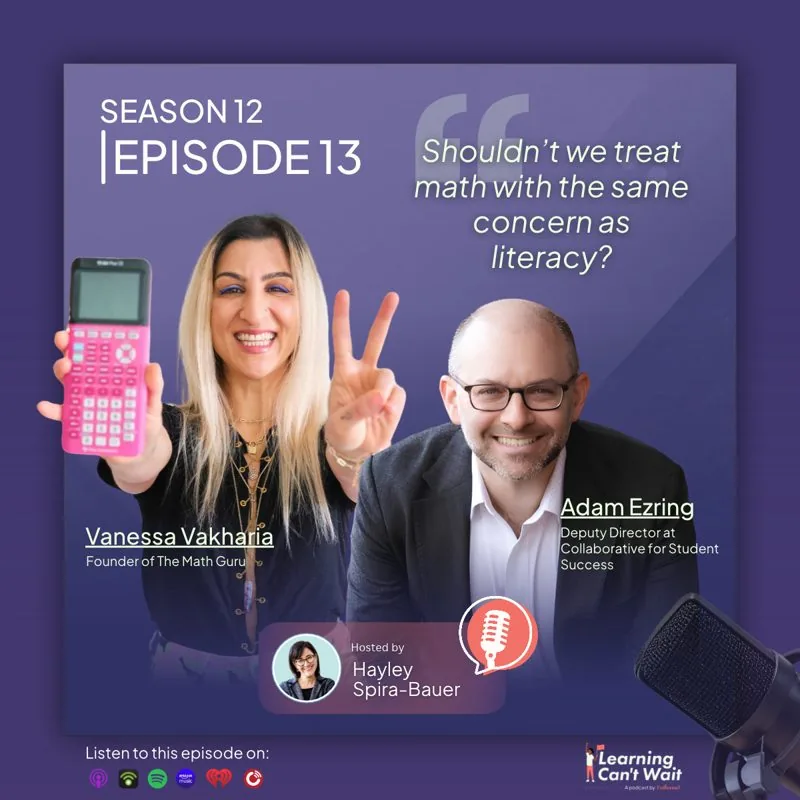 Vanessa Vakharia & Adam Ezring: Family Math, Math Confidence & Learning Through PlayOctober 13, 2026 · Vanessa Vakharia, Adam Ezring
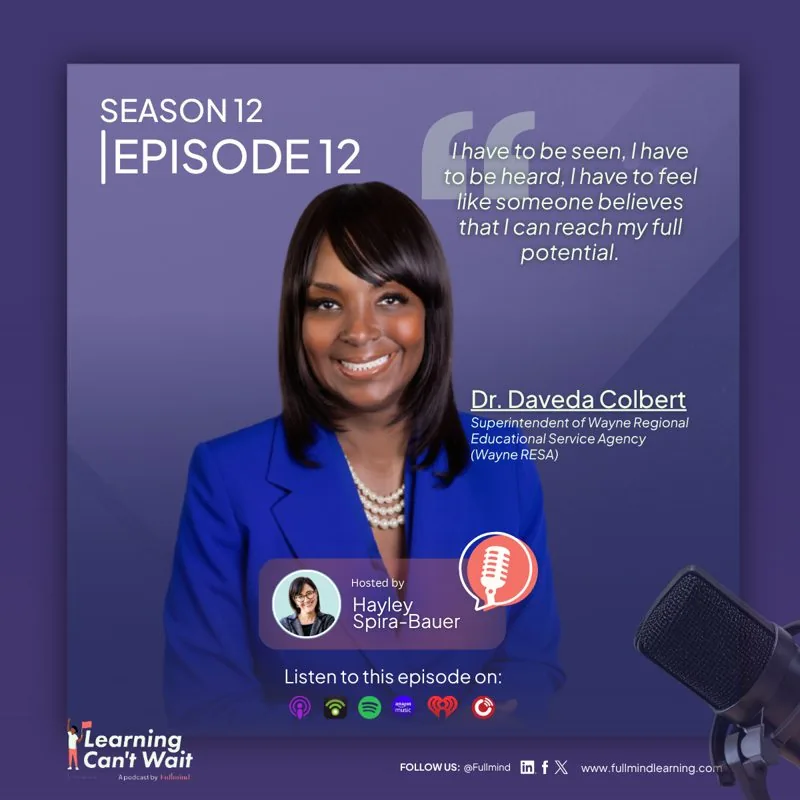 Dr. Daveda Colbert: Leadership, Belonging & ServiceOctober 6, 2026 · Dr. Daveda Colbert
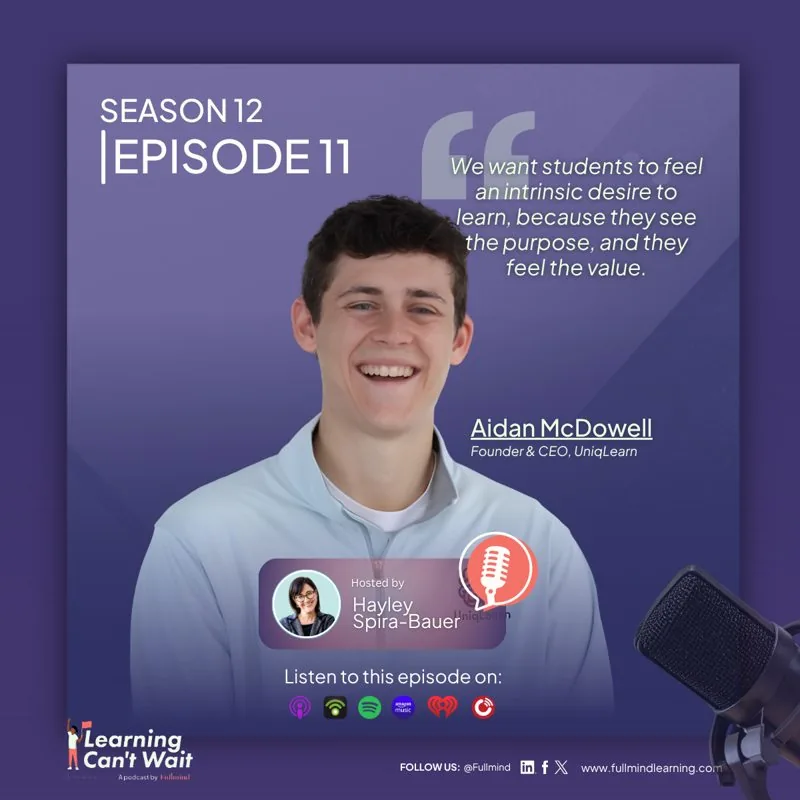 Aidan McDowell: Personalized learning, Student agency & Intrinsic motivationSeptember 29, 2026 · Aidan McDowell
For Education Leaders
Get proven strategies and expert analysis from the host of the Learning Can't Wait podcast, delivered straight to your inbox.




























































How can we help? Let’s connect.
Tell us what you need. It takes about a minute, and you’ll see the next steps right away.
We’ll reach out within one business day
An education consultant talks through your students, schedule and goals.
Get a plan for your district
A plan built around your needs and budget.
Need support? Call 1 (888) 841-7840
Thanks! We’ll confirm your meeting time by email within one business day.
Your one-pagers
Matched to what you told us. They download as one PDF.
Every child deserves the opportunity to access exceptional education.