
Teacher Certification and Continuing Education Guide
Teacher certification authorizes an educator’s assignment in a particular state, role, grade span and subject. Continuing education can fulfill renewal requirements when the issuing state accepts the activity and credit category. Initial licensure, professional advancement and renewal have separate requirements; California and North Carolina show how those paths differ.
Teach online with Fullmind and explore opportunities for your certification area.
Teacher credentials, endorsements and course certificates
A state-issued teaching credential identifies the role and assignments an educator is authorized to hold. Keep these three records distinct:
- Teaching credential: The state-issued authorization for an educator’s role and assignment.
- Endorsement or authorization: The subject, grade or assignment permission recorded under the state’s credential terminology.
- Course completion certificate: Evidence of completed learning, retained with its provider, completion date, hours and credit category.
Record the planned assignment alongside the credential: state, teaching role, grade span, subject, student population and instructional setting. A change in assignment can require an additional endorsement or authorization under the issuing state’s rules. The employer’s credential review connects those permissions with the actual placement.
Initial licenses and professional advancement
North Carolina’s ordinary path from an Initial Professional License to a Continuing Professional License requires at least three years of teaching in North Carolina or verified out-of-state experience, together with the required approved or comparable licensure exams. Its licensure testing requirements include content exams and applicable performance or pedagogy assessments.
Some out-of-state educators can choose state-approved reading and math foundations courses in place of the required testing for IPL-to-CPL conversion. This option requires at least three years of teaching experience, an IPL in Elementary Education for kindergarten through grade 6 or Exceptional Children: General Curriculum for kindergarten through grade 12, and employment in North Carolina public schools.
For the comparable-exam route, the exam must have been a licensing component in the original state when the educator took it. The score must meet the test developer’s recommended passing score, even when the original state accepted a lower score. Keep the exam name, testing date and score with the experience documentation.
California’s Five-Year Preliminary and Level I teaching credentials cannot be renewed. Holders ordinarily complete all clear or Level II requirements before preliminary expiration to continue teaching in California public schools; an extension by appeal may be available in qualifying circumstances. The California credential renewal rules separate this advancement process from renewal of an existing clear credential.
Interstate teaching license applications
An out-of-state license supports an application in the destination state. For teachers who completed an approved out-of-state preparation program, North Carolina’s CPL pathway includes at least three years of teaching and the required State Board-approved tests, or comparable exams with effectiveness data from another state where a current license is held. An applicant missing the required effectiveness data may qualify only for an Initial Professional License.
Effectiveness evidence can include a final summative evaluation signed by the supervising school official and applicant, together with the definition of the model used to produce the rating. The evaluation comes from the state of employment with current licensure and includes student-growth data where applicable. Keep these records with the out-of-state licensing documents.
North Carolina’s application sequence separates preparation, documentation, filing and payment:
- Document completion of an approved educator preparation program or approved alternative-route educator licensure program.
- Gather official degree-dated transcripts, applicable test scores, the current out-of-state license and the required preparation and experience forms. Each separate employer supplies its own experience verification. Preparation verification uses Form V or an alternative-route verification letter from the education department or licensing board of the state where the approved route was completed.
- Complete the online application and upload the supporting documents to the licensing system.
- Pay the nonrefundable, nontransferable application fee and retain the submission record.
North Carolina’s residency, emergency and Permit to Teach routes require employment in North Carolina public schools and filing by the employing school system. The residency route also requires enrollment in a North Carolina-approved educator preparation program. Coordinate the employer-filed documents with your own transcript and testing records.
California and North Carolina license renewal
Renewal extends an existing credential through the issuing state’s application process. California clear teaching credentials and North Carolina CPL renewal have different continuing education requirements.
| Credential | Renewal pathway | Learning requirement | Timing |
|---|---|---|---|
| California clear teaching credential | Renew online through the Commission on Teacher Credentialing. | Renewal requires no additional coursework or service. | Filing within one year before expiration aligns the renewed credential’s issuance date with the current expiration date. |
| North Carolina Continuing Professional License | Renew the CPL for a five-year term. | Complete 8 CEUs, equivalent to 80 clock hours, in the required credit categories. | Renew on or after April 15 in the expiration year through the DPI-opened renewal application. Earn the required credits by license expiration. |
For CPLs expiring June 30, North Carolina DPI automatically opens the renewal application between mid-April and early May and emails the educator a notice. Wait for that email, then complete the opened renewal application and pay online. Use that renewal application rather than creating a different application type.
A California clear credential that depends on a prerequisite credential has an expiration date capped by the prerequisite’s expiration. Include both credentials in your renewal record so the dependent credential’s usable term is visible.
Continuing education credits for license renewal
North Carolina divides its eight renewal CEUs by teaching assignment. One CEU equals ten clock hours, making the total renewal requirement 80 clock hours.
| Teaching assignment | Subject-area CEUs | Other required CEUs | Total CEUs |
|---|---|---|---|
| Grades K to 5 | 3 | 3 literacy and 2 general | 8 |
| Grades 6 to 12 | 4 | 4 general | 8 |
Employing school systems may assign literacy requirements as a condition of employment under North Carolina State Board policy LICN-005. Include employer-assigned learning alongside the state renewal-credit categories.
North Carolina accepts these learning records for renewal credit:
- College courses: Retain the official transcript. Grade reports are not accepted.
- Local in-service courses or workshops: Retain the renewal credit certified by the employing administrative unit.
- LEA-approved classes or workshops: Retain the sponsor’s documentation of completion.
Select learning that serves both the accepted credit category and a current teaching responsibility. For classroom use, name the practice to implement, save the resulting lesson or assessment, and review student work with a colleague or instructional leader. Keep that application evidence alongside the completion record; these teaching artifacts supplement the state-required credit documentation.
Teacher credential deadlines and expired licenses
Record the credential’s expiration date, state filing window and outstanding requirements in a renewal calendar. The following sequence is a personal planning workflow:
- Enter the license number, state, role, authorized grades and subjects, endorsements, issue date and expiration date.
- Separate initial-to-professional advancement tasks from recurring renewal tasks, including preparation, testing and experience documents.
- Allocate the required learning across the state’s credit categories before enrolling in activities.
- Log each completed activity with its provider, date, accepted units, credit category and supporting document.
- Complete the application you are eligible to file and coordinate any employer-filed documents before expiration. Retain the filing confirmation and fee receipt as application records.
- Record the newly issued credential’s status and effective dates, then set the next renewal task.
For a lapsed California clear Ryan or Pre-Ryan credential, the reissued credential may take effect on the application filing date. California public-school service between expiration and the reissued credential’s effective date requires an employer-filed Request for Validation of Service Without a Credential. Keep the issued credential and its effective dates separate from the application receipt.
California CTC also states that fingerprint information is invalidated after a teaching or services credential has been expired for 18 months or longer. The fingerprint process must be repeated when applying for certification after that lapse.
For an expired North Carolina CPL, DPI requires eight CEUs earned within the most recent five years. A current out-of-state license cannot substitute for North Carolina renewal credits. The initial three-year North Carolina IPL is nonrenewable and follows its own advancement requirements.
Teacher and employer certification responsibilities
Teachers supply preparation and learning records, complete educator-filed application tasks and retain submission confirmations. Employers maintain assignment records and complete the applications or verification forms that require an employing school system.
- Educator: Retain the current credential, completed-credit evidence, application records and the next renewal deadline.
- Human resources: Review assignment permissions, complete employer-filed documents and reconcile the issued credential with the staffing record.
- Instructional leader: Coordinate job-related learning and review its classroom application.
Reconcile your completed-credit totals with the supporting documents before filing. When an assignment changes, coordinate the credential review with the employer. District access and retention policies govern personnel-system copies of transcripts, exam results and employment documents.
District teams planning coverage can discuss certified virtual teacher staffing.
Bottom line
Certification planning starts with the credential you hold and the assignment it authorizes. California clear-credential renewal and North Carolina CPL renewal use different learning rules; preliminary advancement and interstate applications add their own preparation, experience and documentation requirements. Keep accepted credits, employer-filed tasks and the issued credential’s effective dates together so your next teaching assignment rests on the correct authorization.
Podcast
From the Learning Can’t Wait podcast
 Hosted by Hayley Spira-Bauer, Chief Academic Officer at Fullmind
Newest episodes
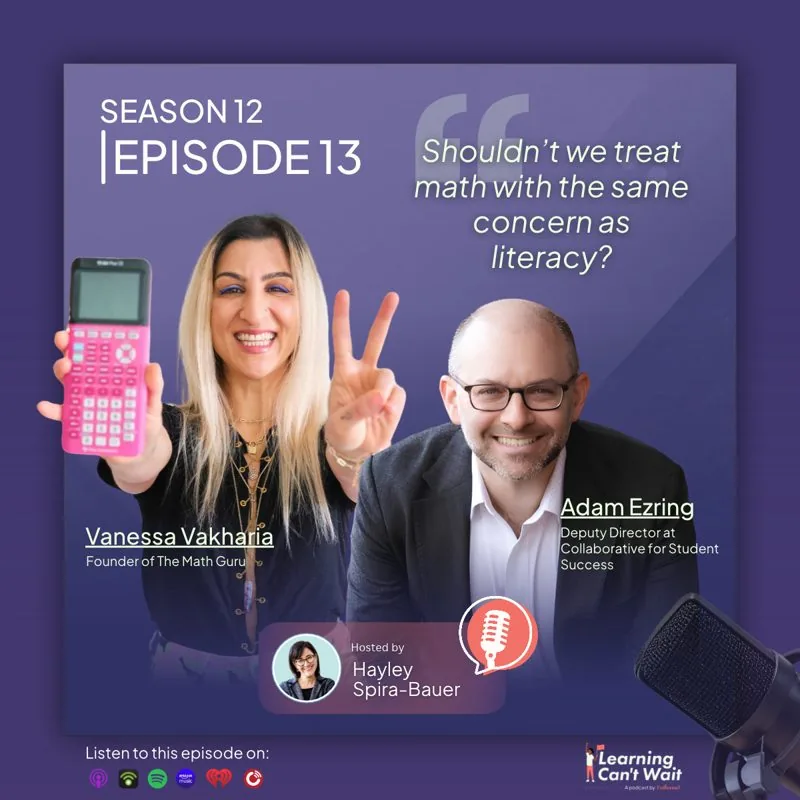 Vanessa Vakharia & Adam Ezring: Family Math, Math Confidence & Learning Through PlayOctober 13, 2026 · Vanessa Vakharia, Adam Ezring
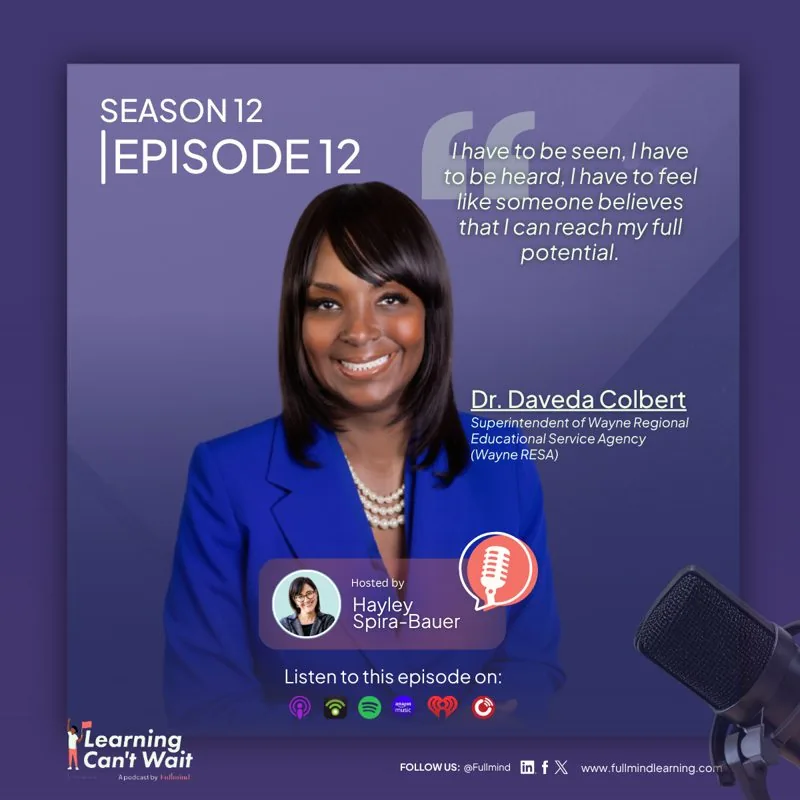 Dr. Daveda Colbert: Leadership, Belonging & ServiceOctober 6, 2026 · Dr. Daveda Colbert
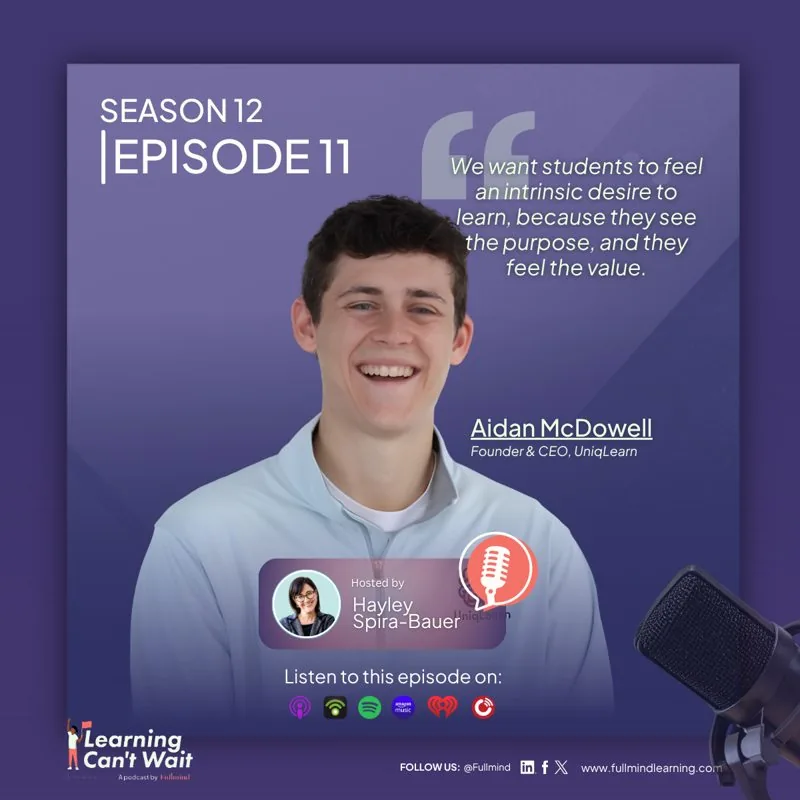 Aidan McDowell: Personalized learning, Student agency & Intrinsic motivationSeptember 29, 2026 · Aidan McDowell




































































How can we help? Let’s connect.
Tell us what you need. It takes about a minute, and you’ll see the next steps right away.
We’ll reach out within one business day
An education consultant talks through your students, schedule and goals.
Get a plan for your district
A plan built around your needs and budget.
Need support? Call 1 (888) 841-7840
Thanks! We’ll confirm your meeting time by email within one business day.
Your one-pagers
Matched to what you told us. They download as one PDF.
Every child deserves the opportunity to access exceptional education.