Connect with the Fullmind Team

For Education Leaders
Get proven strategies and expert analysis from the host of the Learning Can't Wait podcast, delivered straight to your inbox.
SWD Services & IEP Fulfillment
Our virtual special education services give students with disabilities live, small-group instruction from special education–certified educators, aligned to each student's IEP goals, with progress reporting your team can document.
Green Bay Is Moving $33.3 Million to Cover Special Education. The State Promised 45% and Paid 38%.
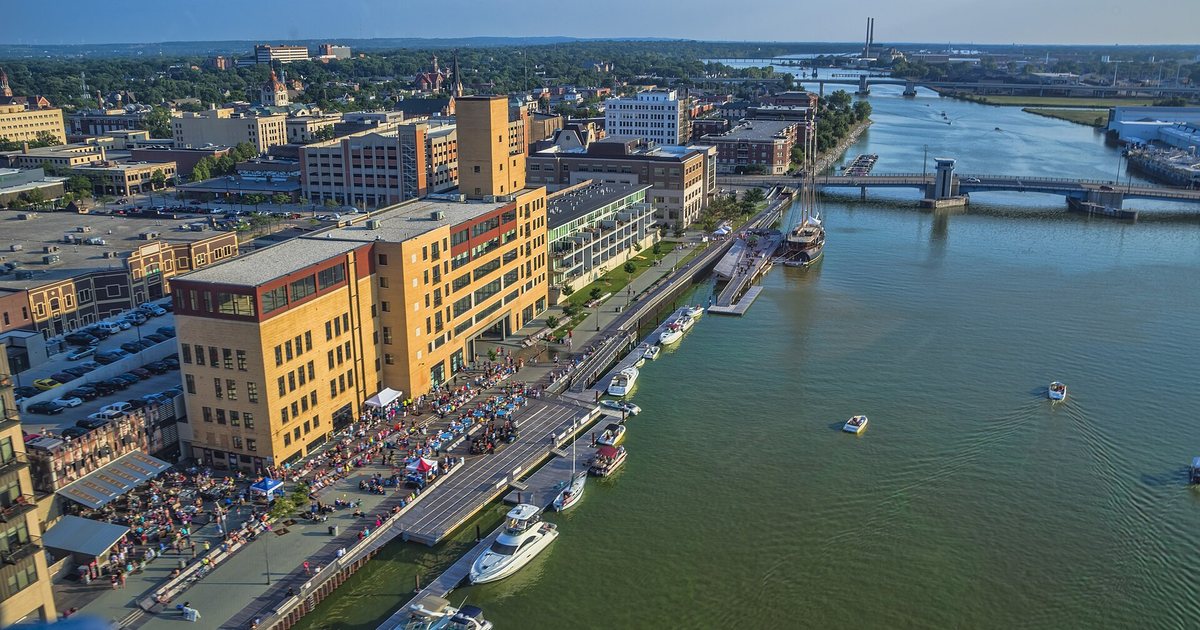
On October 26, the Green Bay Area Public School District's board will vote on a $313.5 million 2026–27 budget. According to FOX 11, the budget assumes Wisconsin will reimburse 38% of the district's special education costs, not the 45% the state committed to, because 38% is what the district actually received last year. The district puts the difference at about $5 million. To cover what the state does not, the budget transfers $33.3 million from the general fund to the special education fund.
It is also the final year of revenue from a $16.5 million operational referendum voters approved in 2017.
Our view: Green Bay's budget is a clear-eyed document, and the clearest line in it is the one that says the district stopped budgeting on promises. A seven-point gap between a state commitment and a state payment is not an accounting footnote. In a district this size it is a special education staffing decision, made for the district by someone else. The question for 2027–28, when the referendum revenue is gone, is which positions the $33.3 million is currently holding in place.
What happened
From the district's budget summary and the FOX 11 report of October 8:
- The 2026–27 general operating budget is approximately $313.5 million, balanced, with revenue up about 0.5% and expenditures down about 1%. Employees receive a 2.63% salary increase but no step increase.
- Special education reimbursement is budgeted at 38% against the state's 45% commitment, an estimated $5 million gap. The general fund transfers $33.3 million to the special education fund to cover costs the state does not reimburse.
- The budget levies an estimated $14.7 million for private school voucher payments; per-student voucher amounts rise 3.9% (K–8), 3.2% (9–12) and 2.9% (special education).
- The budget reflects the consolidation of three schools and the closure of the district's virtual school.
- The tax levy rises about 1%, against more than 5% the prior year; the mill rate falls from $7.41 to $7.07 per $1,000 as property values rise.
- Chief Financial Officer Angela Roble said growing costs for special education, utilities, consumables, fuel and benefits "continue to place significant pressure on district finances, underscoring the importance of a long-term funding solution."
The gap is statewide. Wisconsin reimbursed 35% of special education costs in 2025–26 against 42% promised in the 2023–25 budget, according to Wisconsin Watch, and Milwaukee moved about $163.6 million from its operating budget to its special education fund. Smaller districts face the same arithmetic with less room: the 200-student Winter School District faces dissolution if a $1.5 million referendum fails in November, after a larger request failed in April.
Green Bay's budget is a clear-eyed document, and the clearest line in it is the one that says the district stopped budgeting on promises.
What it means for districts (analysis)
The district's and reporters' described what happened. We will describe what we think districts should do about it.
A reimbursement gap is paid in positions. The general fund in a district like Green Bay is overwhelmingly salaries and benefits. When the state pays seven points less than promised, the $5 million does not come from utilities. It comes from the positions the district chooses not to fill, the related-service contracts it delays, and the programs it consolidates. The transfer is visible; the vacancy it produces usually is not.
Budgeting on actuals is the right call, and it has a cost. Green Bay's decision to budget at 38% rather than 45% means the district will not be surprised in June. It also means the district has, in effect, absorbed the state's shortfall permanently into its own planning. Districts that keep budgeting at the promised rate are not more optimistic; they are deferring the same decision to the spring.
The referendum cliff is a special education cliff. The $16.5 million operational referendum ends after this year. The $33.3 million transfer does not. Unless the state closes the gap or voters replace the revenue, the district's 2027–28 budget conversation will be about which special education and related-service positions the general fund can still carry, and that conversation begins in January.
An unfilled special education position is a liability, not a saving. Every IEP minute the district cannot deliver is still owed. A district that leaves a position open to close a reimbursement gap has traded a budget problem for a compliance exposure, and the second one has a hearing officer attached.
Practical considerations for district leaders
- Put the general-fund transfer next to the list of open special education and related-service positions. In most districts the two numbers explain each other.
- Keep a running count of IEP minutes owed but not delivered, per student, for each special education vacancy.
- Budget the reimbursement rate at actuals, as Green Bay did, and show the board the gap as a line item every year so it does not disappear into the transfer.
- Start the 2027–28 plan now. If referendum revenue ends, decide which positions are permanent, which are bridged, and which services need a different delivery model, before the spring posting season.
- Retain eligibility, IEP team decisions and parent communication in district, regardless of how instruction is delivered.
Where Fullmind fits
Green Bay is moving $33.3 million from its general fund to cover special education the state reimburses at 38% instead of 45%. The positions that transfer quietly leaves unfilled are the ones Fullmind, now home to Elevate K-12, covers: a Wisconsin-certified special educator teaches the caseload live, on the school's schedule, with a paraprofessional in the room, and the district's team keeps every IEP decision.
- SWD Services & IEP Fulfillment covers a resource-room caseload the transfer cannot staff. State-certified special educators, drawn from Fullmind's more than 3,000 educators, deliver the special education instruction.
- Related Service Providers deliver the speech-language, OT/PT, school psychology and counseling minutes a seven-point reimbursement gap delays.
- LIVE Staffing covers a core section left open by the consolidation of three schools; in one partner district Fullmind students were 20% more likely to earn a C or above.
Special education results are in progress; our published results so far are in live staffing, math growth and remote instruction. What we can show at this point is the model, the certification, and the minutes delivered on the district's schedule. A $5 million reimbursement gap is Madison's to close; a classroom without a certified teacher is the district's, and that one has an answer this semester.
Run the numbers with us
If your district is carrying a special education transfer and an open special education position at the same time, send us the caseload and the minutes owed. We will show a certified live schedule for the semester and what it costs against the gap. Schedule a consultation with Fullmind.
Sources: FOX 11 (WLUK), "Green Bay school board to host two 2026-27 budget meetings in October," October 8, 2026; Green Bay Area Public School District budget announcement; Wisconsin Watch, October 1, 2026; Northern News Now; Fullmind Services and Impact & Research pages. Figures are the district's and reporters' own; the analysis section reflects Fullmind's interpretation.
Related: Special Education's Local Bill: When the State Underpays, the District's Answer Is a Vacancy
Podcast
From the Learning Can’t Wait podcast
 Hosted by Hayley Spira-Bauer, Chief Academic Officer at Fullmind
Newest episodes
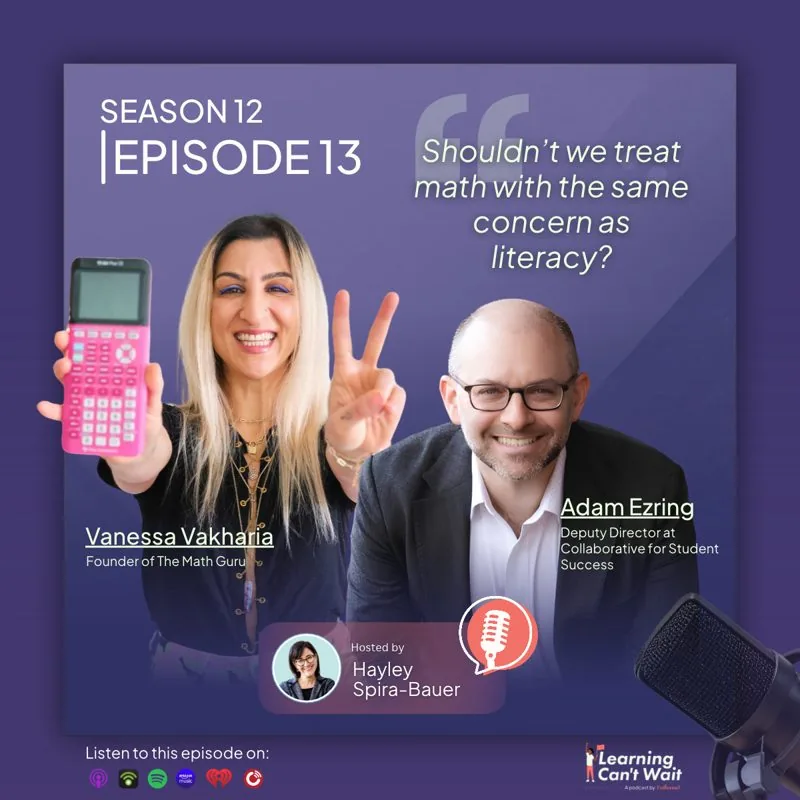 Vanessa Vakharia & Adam Ezring: Family Math, Math Confidence & Learning Through PlayOctober 13, 2026 · Vanessa Vakharia, Adam Ezring
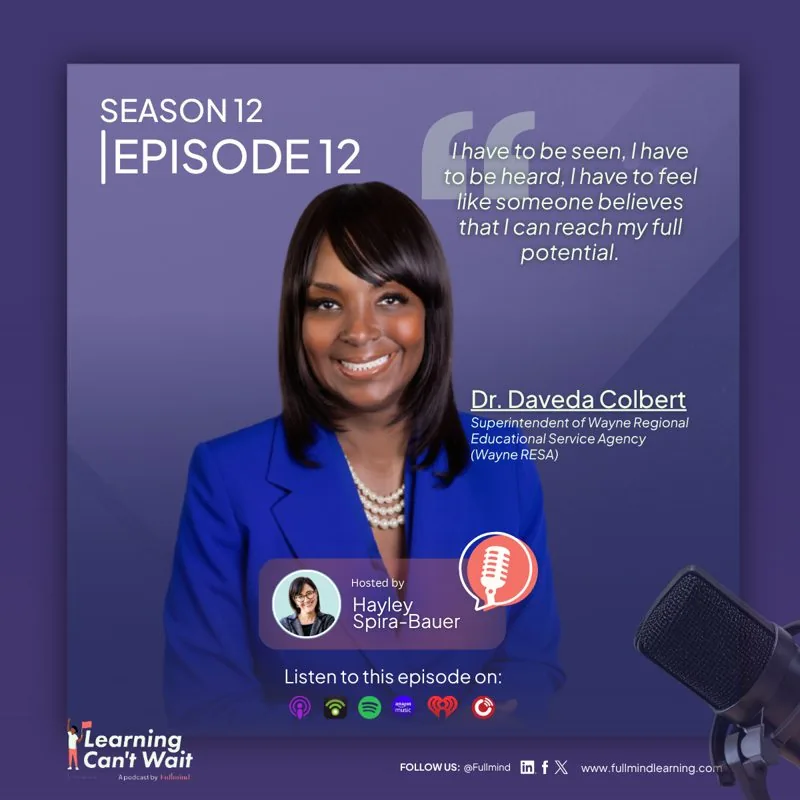 Dr. Daveda Colbert: Leadership, Belonging & ServiceOctober 6, 2026 · Dr. Daveda Colbert
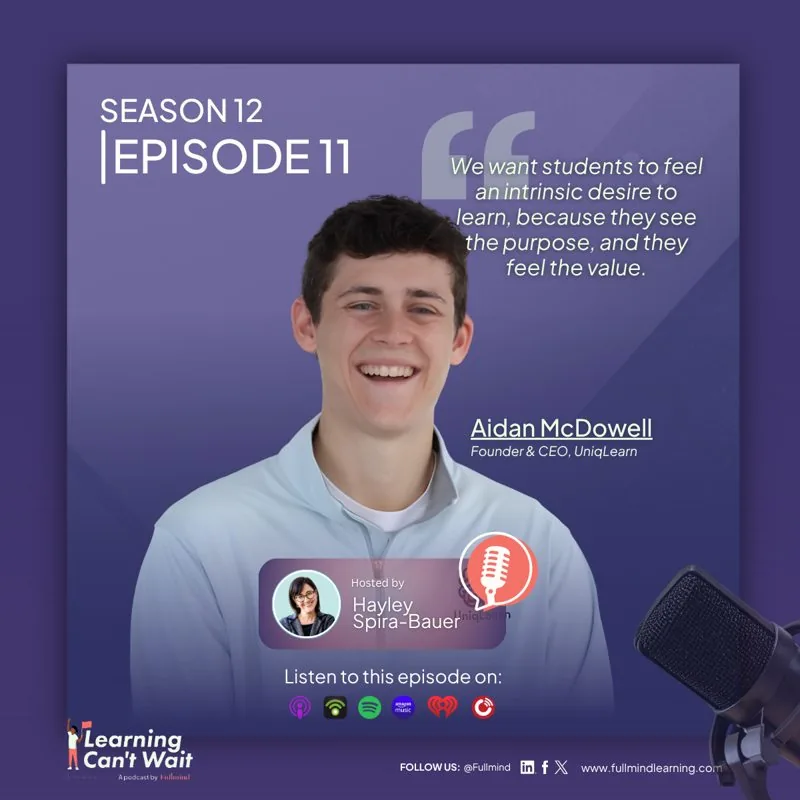 Aidan McDowell: Personalized learning, Student agency & Intrinsic motivationSeptember 29, 2026 · Aidan McDowell
For Education Leaders
Get proven strategies and expert analysis from the host of the Learning Can't Wait podcast, delivered straight to your inbox.








































How can we help? Let’s connect.
Tell us what you need. It takes about a minute, and you’ll see the next steps right away.
We’ll reach out within one business day
An education consultant talks through your students, schedule and goals.
Get a plan for your district
A plan built around your needs and budget.
Need support? Call 1 (888) 841-7840
Thanks! Our team will reach out within one business day to set up a time that works for you.
Need help sooner? Book a time now
Your one-pagers
Matched to what you told us. They download as one PDF.
Every child deserves the opportunity to access exceptional education.