
For Education Leaders
Get proven strategies and expert analysis from the host of the Learning Can't Wait podcast, delivered straight to your inbox.
SWD Services & IEP Fulfillment
Our virtual special education services give students with disabilities live, small-group instruction from special education–certified educators, aligned to each student's IEP goals, with progress reporting your team can document.
One of Maryland's Best-Funded Districts Says Its Special Education Problem Isn't Money. It's That No One Applies.
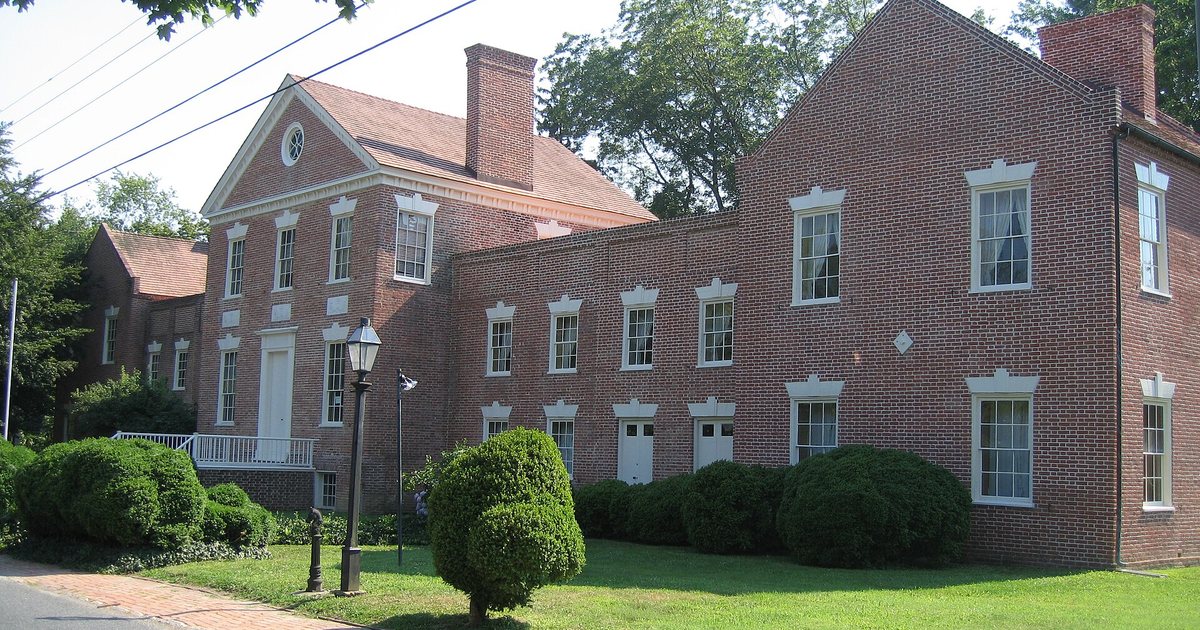
On Maryland's Eastern Shore, two neighboring districts spend roughly the same per student and get results that could hardly be further apart, according to an October 3 Spotlight on Maryland investigation. The report uses Somerset County as a case study for a statewide question: as the Blueprint for Maryland's Future rolls out billions in new education spending, do Maryland's best-funded districts perform best? Several of them, the report finds, perform worst.
Somerset's leadership offered reasons the per-pupil figure misleads: poverty, special education needs, staffing shortages, and restrictions attached to state funding. A former science teacher described questioning how money was spent. And on special education, one district official put it in a sentence: "There's no special education employees to hire."
Our view: that sentence is the most important finding in the report, and it is not a Somerset finding. It is the condition of the special education labor market in most rural counties in the country. Funding is necessary for special education and it is not sufficient, because a district cannot spend its way to a certified applicant who does not exist within commuting distance. When the constraint is the hiring market rather than the budget, the question changes from how much to spend to how to deliver certified instruction to a building no certified teacher will drive to.
What happened
From the October 3 report:
- Two Eastern Shore districts with similar per-pupil spending show sharply different outcomes; Somerset County is among the state's best-funded and worst-performing districts.
- District leadership attributes the gap to poverty, special education needs, staffing shortages and restrictions on state funds. Board members raised teacher accountability concerns.
- On hiring: "There's no special education employees to hire," a district official said.
- The report situates Somerset in the statewide Blueprint debate over whether more funding produces better outcomes. The state and local education associations did not respond to the outlet's requests for comment.
That sentence is the most important finding in the report, and it is not a Somerset finding.
What it means for districts (analysis)
That is the outlet's and the district's record, unedited by us. Now our reading of it, which is not neutral.
Money that cannot buy a teacher buys substitutes. When the certified applicant pool is empty, a well-funded district spends on long-term substitutes, contract staff and overtime, and reports high per-pupil cost with low instructional return. The spending is real; the instruction is not. That is the pattern the report describes without naming it.
Special education is where the hiring market fails first. It is the hardest certification to fill nationally, and rural counties compete with every suburban district paying the same or more. Somerset's official is describing a market, not a management failure.
Outcomes follow certified instructional hours. The per-pupil figure counts dollars. The number that predicts results is how many hours each student spent with a certified teacher in the subject. A district with "no employees to hire" can have a generous budget and a low number on that measure.
Deliver the teacher to the building. The direct answer to an empty applicant pool is live, certified instruction delivered on the school's own schedule from wherever the certified teacher is, with a district facilitator in the room. That converts budget into certified hours in a county where the alternative is a substitute.
Practical considerations for district leaders
- Count certified instructional hours per student in each special education and core position, not just positions filled. Report that number alongside per-pupil spending.
- Separate the budget question from the hiring-market question in the board presentation. They have different answers.
- For every position with no certified applicant in sixty days, put a certified educator on the instruction now, with the substitute or paraprofessional as in-room facilitator.
- Quantify each open caseload as undelivered service minutes per student per week, not as a headcount.
- Whoever teaches the minutes, the district's special education staff keep eligibility, the IEP team and the parent relationship.
Where Fullmind fits
"There's no special education employees to hire." Fullmind, now home to Elevate K-12, answers that sentence directly: the certified special educator does not have to live in Somerset County to teach in it. Instruction is live, on the school's own schedule, with a district paraprofessional in the room, and the district's team makes every student decision.
- SWD Services & IEP Fulfillment covers the caseload no local applicant will take. Instruction is delivered by a state-certified special educator, one of more than 3,000 educators Fullmind draws from.
- Related Service Providers reach the Eastern Shore with speech-language, OT/PT, school psychology and counseling minutes.
- LIVE Staffing replaces a long-term substitute in a core section with a certified teacher; in a remote district with the same recruiting problem, Fullmind's Alaska brief found 5.5 points of test-score gain per additional instructional hour.
The results we have published so far are in live staffing, math growth and remote instruction; special education results are still in progress. What we can point to today is the model, the certification, and the minutes delivered on the district's schedule. The per-pupil number counts dollars; this changes the number of certified hours those dollars buy.
Run the numbers with us
Send us the positions where no certified applicant has appeared in sixty days and the students each serves. We will convert that into certified instructional hours per week under a live model and show you the cost next to the substitutes you are paying now. Schedule a consultation with Fullmind.
Sources: WBFF / Spotlight on Maryland, "One of Maryland's best-funded school districts is one of the worst-performing. Why?", October 3, 2026; Fullmind Services and Impact & Research pages. Figures and quotes are the outlet's and district's own; the analysis section reflects Fullmind's interpretation.
Related:
Podcast
From the Learning Can’t Wait podcast
 Hosted by Hayley Spira-Bauer, Chief Academic Officer at Fullmind
Newest episodes
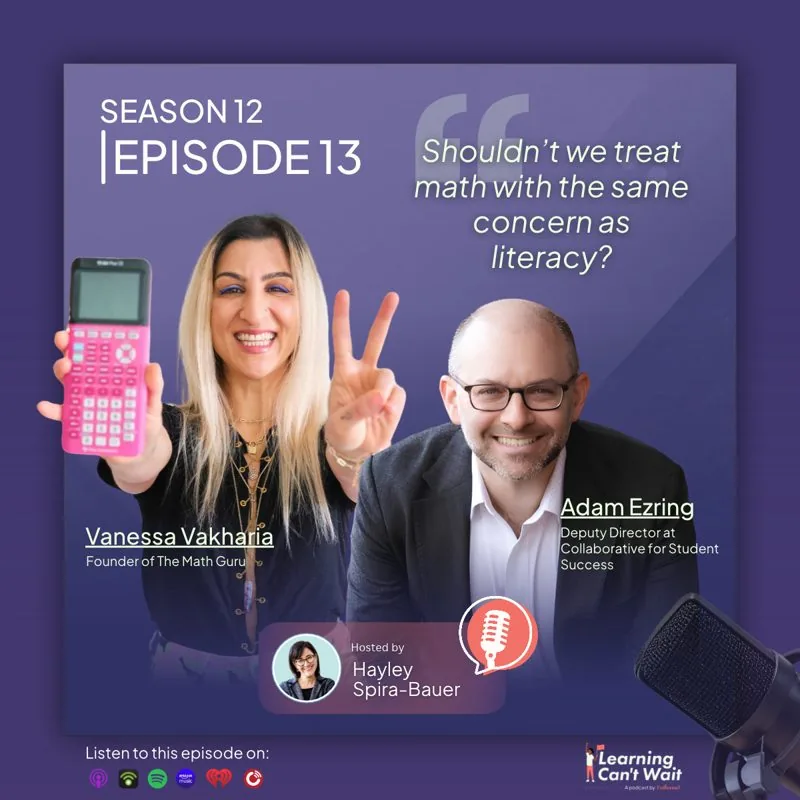 Vanessa Vakharia & Adam Ezring: Family Math, Math Confidence & Learning Through PlayOctober 13, 2026 · Vanessa Vakharia, Adam Ezring
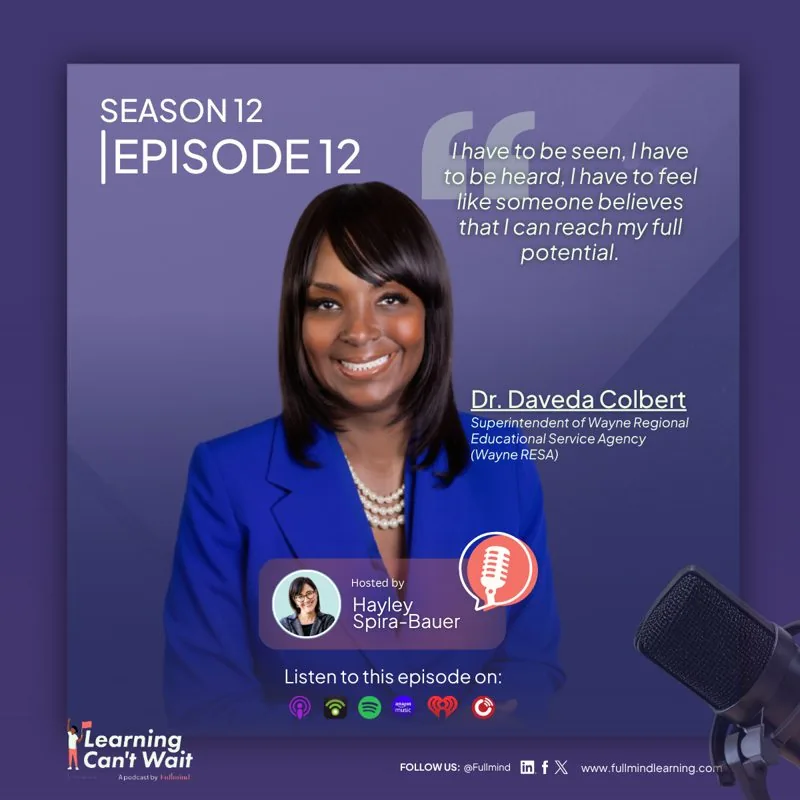 Dr. Daveda Colbert: Leadership, Belonging & ServiceOctober 6, 2026 · Dr. Daveda Colbert
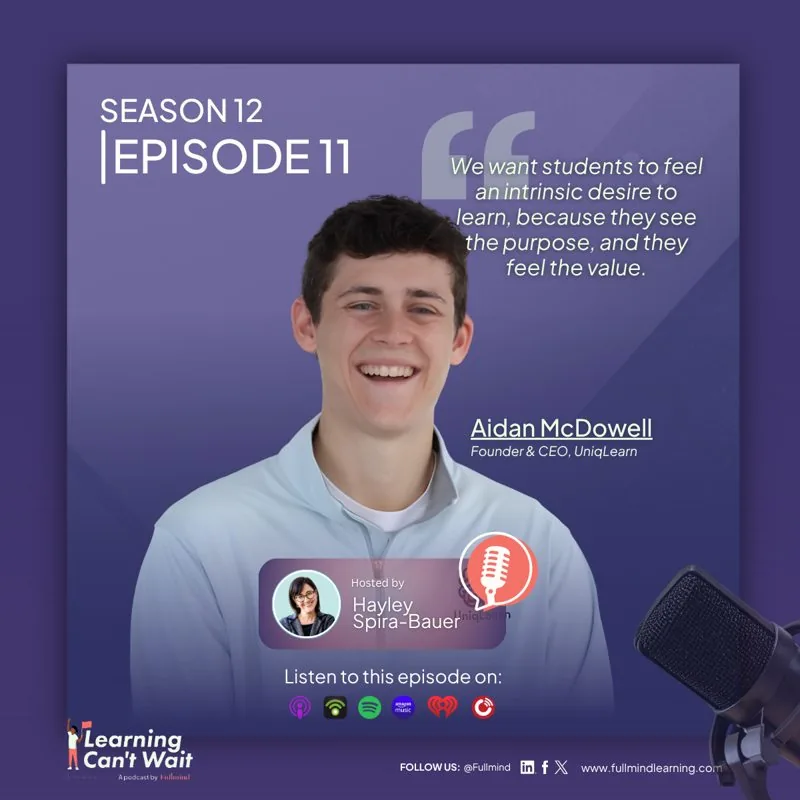 Aidan McDowell: Personalized learning, Student agency & Intrinsic motivationSeptember 29, 2026 · Aidan McDowell
For Education Leaders
Get proven strategies and expert analysis from the host of the Learning Can't Wait podcast, delivered straight to your inbox.

























































How can we help? Let’s connect.
Tell us what you need. It takes about a minute, and you’ll see the next steps right away.
We’ll reach out within one business day
An education consultant talks through your students, schedule and goals.
Get a plan for your district
A plan built around your needs and budget.
Need support? Call 1 (888) 841-7840
Thanks! We’ll confirm your meeting time by email within one business day.
Your one-pagers
Matched to what you told us. They download as one PDF.
Every child deserves the opportunity to access exceptional education.