Connect with the Fullmind Team

For Education Leaders
Get proven strategies and expert analysis from the host of the Learning Can't Wait podcast, delivered straight to your inbox.
LIVE Staffing
LIVE Staffing fills hard-to-staff roles with certified educators who teach live, synchronously, on your schedule and curriculum.
When a School Referendum Fails, the First Cuts Are the Courses Students Chose
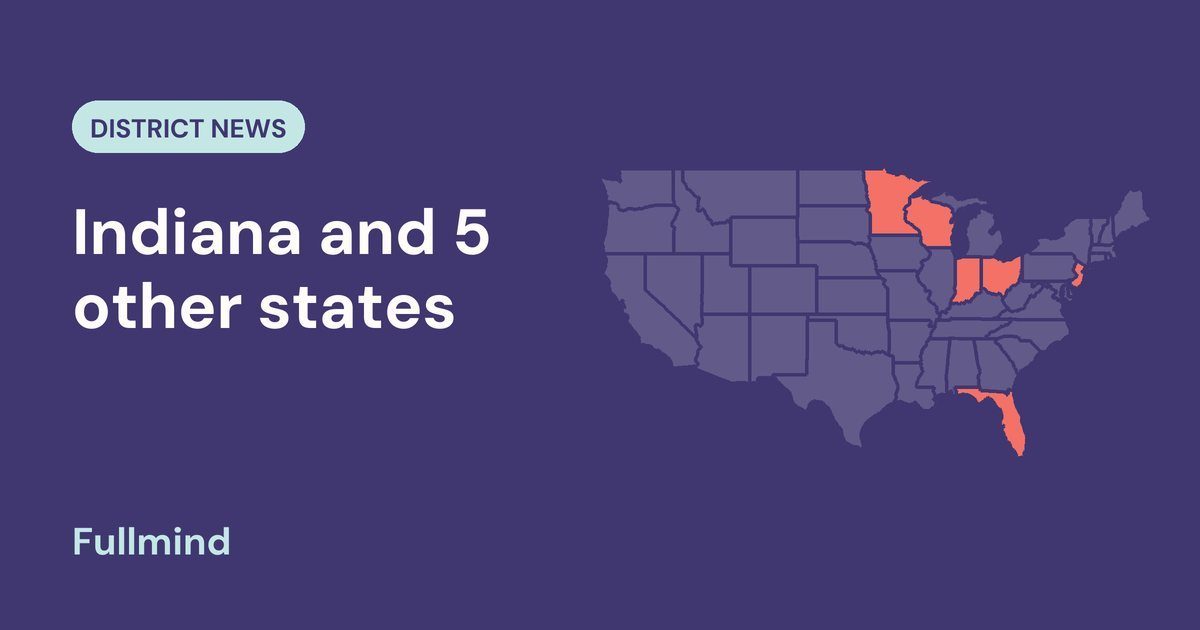
Noblesville Schools in Indiana published the list. If voters do not continue the district's operating referendum on November 3, about $25 million a year, roughly 20% of the operating budget, expires at the end of 2026. The district's own announcement spells out what a 20% reduction would mean: a potential 145 fewer teachers, an elementary school closed, elementary class sizes up about 25% to around 30 students, and a long list of programs to reduce or eliminate.
Noblesville did something most districts do not: it told voters, in detail and in advance, what a no vote would mean. This post exists because of that transparency, and it is about the arithmetic behind the list, not the district. Look at the order of its academic list. The first items are not reading and math. They are engineering, biomedical, robotics, welding, nursing, EMT, journalism, business and finance. Then high-ability and special education staffing. Then elementary art, music and PE. Then every elective "not required by state law."
Our view: a failed referendum does not cut a budget so much as a category. The courses that go first are the ones that run with one teacher and a small roster, because that is where a full-time position can be removed without breaking a legal requirement. That is not a failing of any district; it is how school finance law is built. What few districts have, two weeks before a vote, is a plan for those courses that does not depend on the outcome. Whether to vote yes or no is the community's decision, and a no vote is a legitimate one. The question here is what happens to the welding class the morning after either result.
What happened
From district announcements and local reporting in the past three weeks:
- Noblesville, Indiana: the operating referendum that has funded the district since 2010 expires in December. Superintendent Dan Hile told the Chamber of Commerce that a loss of this size "would set our schools back 16 years," and published the district's analysis so there would be, in his words, no surprises for the public. The district's at-risk list runs from career courses and professional certifications to librarians, elementary specials, athletics, performing arts, social workers, school resource officers and bus routes. For a $350,000 home, continuing the funding costs about $1.88 more a month.
- New Jersey: Collingswood will ask voters in November to approve an operating referendum of about $4.56 million, and estimates a nearly $4 million gap in its 2027-28 budget without it, according to NJ PEN.
- Minnesota: voters face a statewide school-funding amendment plus dozens of local referendums. Duluth faces another $12 million in cuts over two years if its referendum fails, even if the amendment passes; Ely already moved to a four-day week to close a shortfall, per MPR News (Oct 7).
- Wisconsin: a 200-student district faces dissolution if a $1.5 million referendum fails after a larger request lost in April (Northern News Now, Oct 9). Another Wisconsin district votes Oct 26 on a budget that moves $33.3 million from its general fund to cover special education costs the state does not reimburse.
- Florida: one Central Florida district has eliminated 785 positions over two years and put a millage increase on the November ballot (Oct 8).
None of these districts is doing anything wrong. Publishing the list is the responsible move. Noblesville's superintendent says plainly that no decisions have been made and that the district will respect the vote. The lists look the way they do because the law requires certain things and does not require others, and the budget math follows the law.
A failed referendum does not cut a budget so much as a category.
What it means for districts (analysis)
The facts above are the districts' and reporters'. What follows is our reading, and we will take a position.
The cut list is a map of fixed cost per student. A core English section has 28 students and a ratio behind it. An engineering elective has 18 students, a full-time teacher and no statute. Divide salary by roster and the elective is the most expensive seat in the building. That is why it goes first, and why the loss feels disproportionate to families: the courses that leave are the ones students chose.
Waiting for the vote is itself a decision. Noblesville noted in its announcement that families and educators may leave for neighboring districts that pass their referendums. Teachers in at-risk programs read the room before Nov 4. A district that can say what happens to its welding program under either outcome keeps the welding teacher longer.
The hedge is variable capacity for the variable layer. The core schedule belongs in permanent positions. The marginal section, the one with 18 students and a single teacher, can be delivered by a live certified educator for one section and one semester, paid for only while the course runs. That does not replace the teacher a district can afford after a yes vote. It is what keeps the course on the schedule after a no vote, while enrollment and funding settle.
Honesty about what this does not fix. Variable capacity does not restore bus routes, counselors or a closed elementary school. It addresses one category on the list: courses and intervention blocks that would otherwise disappear because a full position cannot be justified. That category is also the one families notice first.
"a school closure saves some money, but not as much as most people think."
Practical considerations for district leaders
- Publish the list before the vote, the way Noblesville did. Voters make better decisions with it, and so does your staff.
- Sort it into three piles: legally required, high-roster, and bubble. The bubble pile (single-section courses under 20 students, intervention blocks) is where a contingency plan pays off.
- Put a full delivered cost on each bubble course under three options: keep the position, drop the course, or run it with a live certified educator and an in-room facilitator for the semester.
- Tell the teachers in at-risk programs what the plan is under both outcomes. Retention is cheaper than recruitment, and you have already told the public the stakes.
- If the vote fails, protect intervention with a schedule. A tutoring block with a calendar, attendance and progress data is harder to cut in round two than an informal pull-out, because it produces evidence.
Where Fullmind fits
Fullmind keeps bubble courses on the master schedule with live, state-certified educators who teach on the district's bell schedule and curriculum, with a district facilitator in the room. Elevate K-12 is now part of Fullmind.
- LIVE Staffing delivers one course for one semester without a permanent position behind it. In a district using Fullmind Virtual Staffing, the site reports, "Fullmind students were 20% more likely to receive a 'C' or above compared to Non-Fullmind students."
- High Dosage Tutoring restores intervention capacity on a schedule. Yuba City, California scaled its program from 24 to 194 students in a year with tutored ELA students gaining an average of 16 iReady points against 10.63 for non-participants, a comparison the district published with Fullmind.
- CTE Pathways covers the kind of career courses that sit at the top of most cut lists with live instructors who hold industry experience; Fullmind's partnership with RSIZ on rural career education is on the Impact & Research page.
None of this is a substitute for a yes vote. It is a way to answer the question every family asks on Nov 4: what happens to my kid's class?
Run the numbers with us
If your district has a referendum on the ballot, send us your at-risk list. We will sort it into required, high-roster and bubble, put a full delivered cost next to each bubble course, and tell you plainly which ones a live model would hold and which it would not. Schedule a consultation with Fullmind.
Bottom line
A failed operating referendum does not cut evenly. Noblesville's published list shows the pattern: courses and staff that state law does not require, and that run with one teacher and a small roster, sit near the top of its academic list. That list is one district's analysis before a vote, not a record of cuts made. Noblesville says no decisions have been made, and districts in other states will produce different lists under their own laws and budgets.
Nothing here says how a community should vote. What it informs is the plan a district needs before the result is known: which single-section courses and intervention blocks it will keep under either outcome, how it will run them, and what it tells the teachers in those programs now.
Sources: Noblesville Schools, "Potential Cuts, School Closure"; NJ PEN, "Collingswood Schools Prepares $4.56M Operations Referendum for November Ballot," August 21, 2026; MPR News, October 7, 2026; Northern News Now, October 9, 2026; FOX 11 Green Bay, October 8, 2026; FOX 35 Orlando (Osceola), October 8, 2026. Figures are the districts' and reporters' own; the analysis section reflects Fullmind's interpretation.
Related:
Podcast
From the Learning Can’t Wait podcast
 Hosted by Hayley Spira-Bauer, Chief Academic Officer at Fullmind
Newest episodes
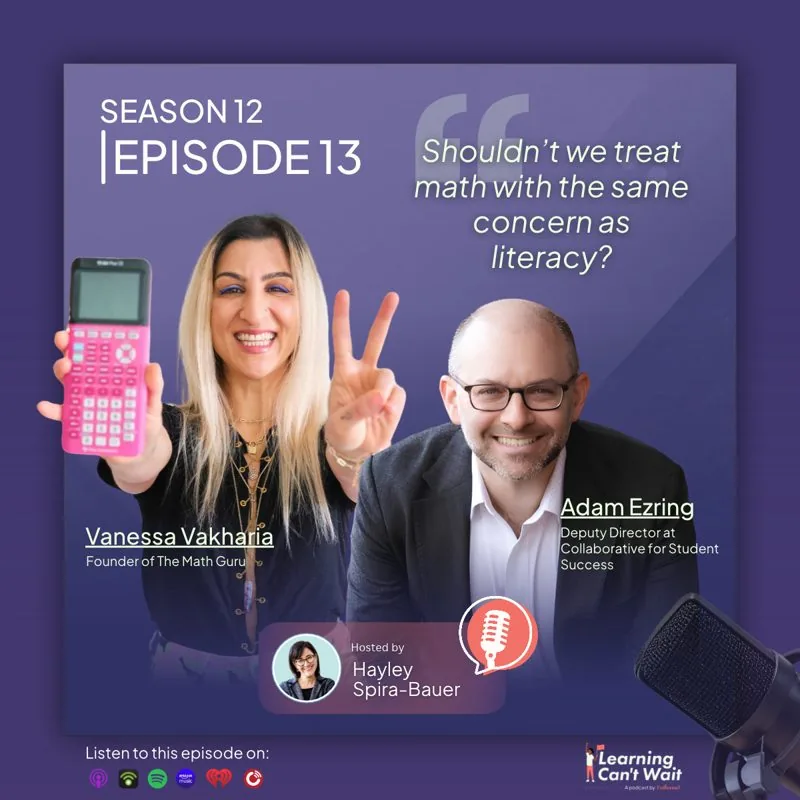 Vanessa Vakharia & Adam Ezring: Family Math, Math Confidence & Learning Through PlayOctober 13, 2026 · Vanessa Vakharia, Adam Ezring
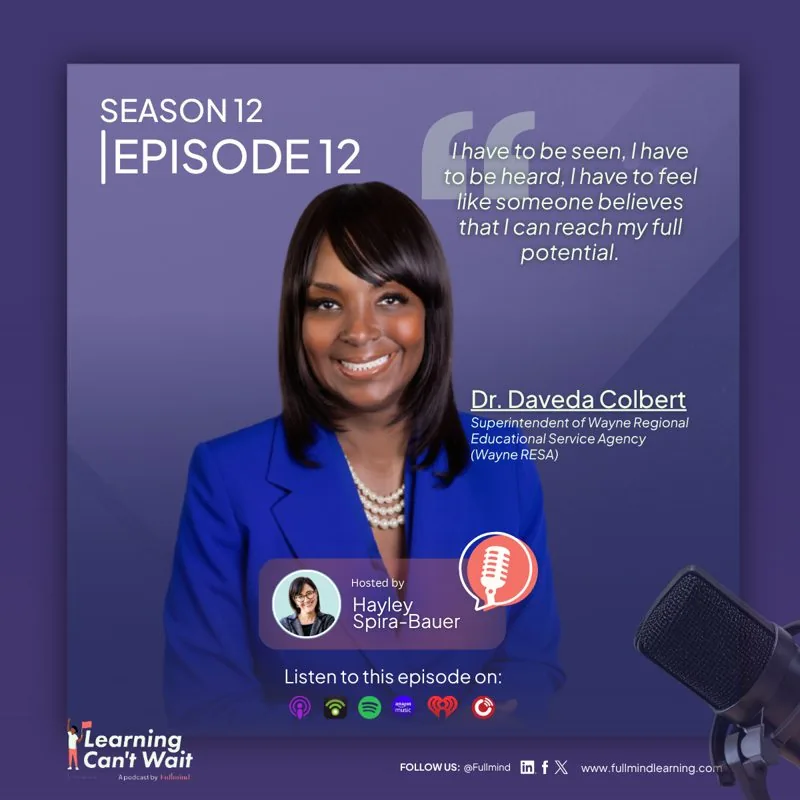 Dr. Daveda Colbert: Leadership, Belonging & ServiceOctober 6, 2026 · Dr. Daveda Colbert
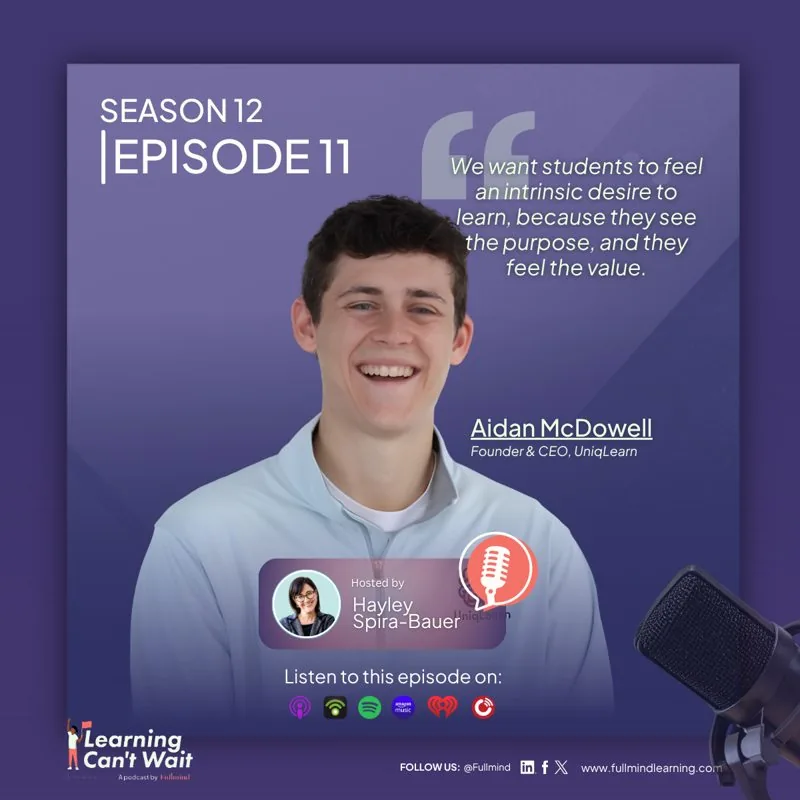 Aidan McDowell: Personalized learning, Student agency & Intrinsic motivationSeptember 29, 2026 · Aidan McDowell
For Education Leaders
Get proven strategies and expert analysis from the host of the Learning Can't Wait podcast, delivered straight to your inbox.







































































How can we help? Let’s connect.
Tell us what you need. It takes about a minute, and you’ll see the next steps right away.
Meet an education consultant
Talk through your students, schedule and goals.
Get a proposal for your district
A plan built around your needs and budget.
Prefer to call? 210-617-3009
Thanks! Pick a time that works
A 30-minute call with an education consultant. Your details are already filled in.
Your one-pagers
Matched to what you told us. They download as one PDF.
Every child deserves the opportunity to access exceptional education.