Connect with the Fullmind Team

For Education Leaders
Get proven strategies and expert analysis from the host of the Learning Can't Wait podcast, delivered straight to your inbox.
LIVE Staffing
LIVE Staffing fills hard-to-staff roles with certified educators who teach live, synchronously, on your schedule and curriculum.
In a 3,100-Student District, 30 Positions Is Not a Line Item. It's the Course Catalog.
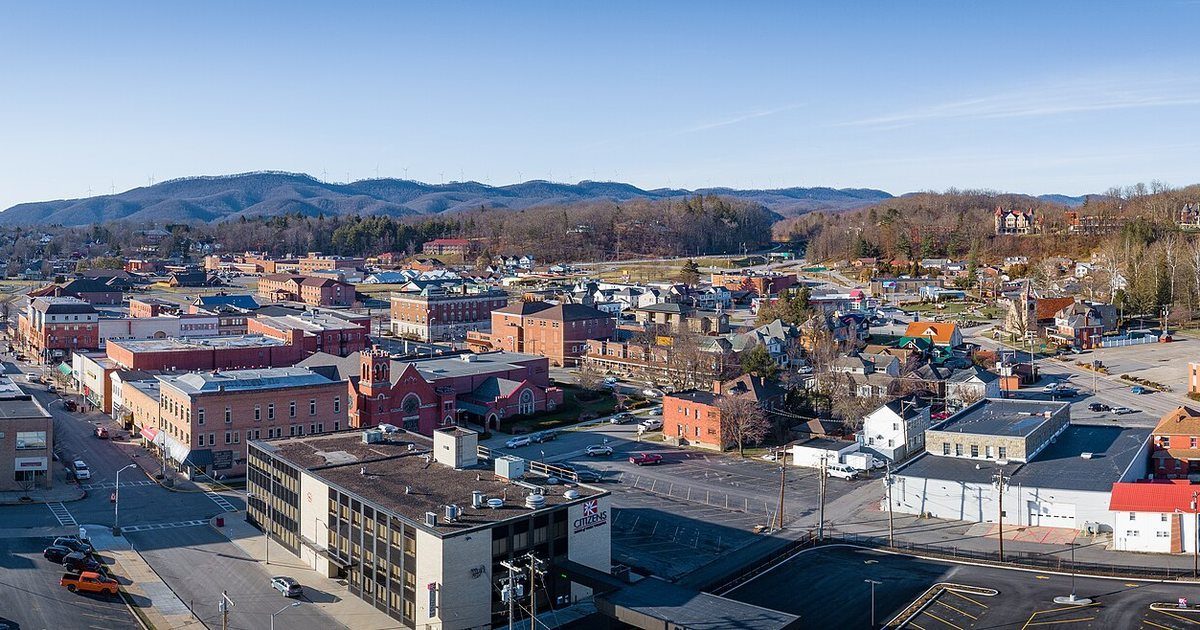
Randolph County Schools in West Virginia counted 3,125 students on October 1, down 239 from a year earlier. Superintendent Derek Lambert told the board the decline is projected to cut state funding by roughly $2 million, the equivalent of about 30 positions, according to WDTV. The district used $2.3 million in carryover to balance this year's budget and could face a shortfall above $3 million in fiscal 2028. No plan was presented and no closures were proposed; the superintendent is forming a community advisory committee first.
"Finding another 30 positions to reduce while maintaining our current number of schools is going to be extremely difficult, if not impossible, without eventually affecting the services we provide to students," Lambert said.
Our view: he is right, and the reason is arithmetic that large districts never have to do. In a district of 3,100 students spread across a rural county, 30 positions is close to every course that runs with one teacher and one section: the second foreign language, the physics class, the agriculture pathway, the intervention block. The question for a small district is not how to find 30 positions. It is how to keep the catalog after the positions are gone.
What happened
From the October 6 board meeting as reported by WDTV:
- Enrollment fell from 3,364 in October 2025 to 3,125 on October 1, 2026, a decrease of 239 students. The state's certified second-month count for 2025–26 was 3,351, already down 137 from the year before.
- Over the same period, the number of county students using Hope Scholarships, West Virginia's education savings account program, rose from 199 to 429. Homeschool enrollment was flat, 209 to 210.
- The projected state funding loss is about $2 million, which the superintendent equated to roughly 30 staff positions.
- $2.3 million in carryover funds balanced the current year. A shortfall of more than $3 million is possible in fiscal 2028, depending on funding and expenses.
- A board member said options could include eliminating positions or closing a school. The superintendent said the district is examining what different plans would mean for schools, employees, communities and students, and will present options at the next regular meeting.
He is right, and the reason is arithmetic that large districts never have to do.
What it means for districts (analysis)
The facts belong to the district's; the interpretation belongs to us, and we will own it.
Small districts lose courses, not ratios. When a large district sheds 30 positions, class sizes move. When a small district does, courses vanish, because the position and the course are the same thing. The 18-student chemistry section does not get bigger; it stops being offered, and the student who needed it for a nursing program drives to another county or goes without.
The students who left took a per-pupil amount; the costs they left behind are fixed. Two hundred and thirty more students on Hope Scholarships does not close a building or shorten a bus route. It removes revenue from a cost structure that is mostly buildings, routes and single-section teachers. That is why the choice on the table is positions or a school: those are the only two large levers a small district has.
A closure is a one-time cut; the catalog problem recurs every year. Consolidating a school addresses fixed cost once. The enrollment trend, if it continues, returns the district to the same position in two years with one fewer lever. The durable move is to change how the marginal courses are staffed so they can survive at any enrollment.
Variable capacity is built for this scale. A live, certified educator teaching one section of physics to 14 students in Elkins, on the school's bell schedule, with a district facilitator in the room, costs a fraction of a position and keeps the course on the transcript. That is not a replacement for the district's teachers. It is what lets a 3,100-student district offer what a 30,000-student district offers.
Practical considerations for district leaders
- Before the next board meeting, list every course that runs with one section and one teacher. That is the inventory the 30 positions will come from, and the community advisory committee should see it.
- Sort that list into courses the district will always staff with a permanent position and courses it will carry as variable capacity, so a cut does not become a cancellation.
- Compare the full delivered cost of keeping the position, dropping the course, and delivering it live with a facilitator in the room.
- Protect the career pathways. In a county losing students to choice programs, the courses that keep families enrolled are often the ones a cut list reaches first.
- Plan for fiscal 2028 now, not after the carryover is gone. A $3 million gap in a district this size is a structural decision, and next year's staffing is settled over the winter, ahead of West Virginia's April 1 deadline for notifying employees of transfers.
Where Fullmind fits
Randolph County lost 239 students, about $2 million and roughly 30 positions in one year. In a district that size, 30 positions is a catalog. Fullmind keeps the single-section courses on the schedule: a West Virginia-certified educator teaches them live, on the school's bell schedule, with a facilitator in the room, paid by the section rather than the salary. Elevate K-12 is now part of Fullmind.
- LIVE Staffing holds the courses a 30-position reduction removes; Fullmind's remote Alaska brief, the closest evidence for a rural county system, found 5.5 points of test-score gain per additional instructional hour.
- High Dosage Tutoring keeps intervention on a schedule through a reduction year; in a large southern district the site reports tutored students raised scores faster than peers.
- SWD Services & IEP Fulfillment covers a special education position among the 30. The instruction itself comes from state-certified special educators, drawn from more than 3,000 Fullmind educators.
A county that loses 239 students cannot lose 239 courses. This is how it keeps them.
Run the numbers with us
Send us the positions your county cut this year and the courses each one carried. We will show which a live model would hold, at what cost per section, and which your remaining faculty should keep. Schedule a consultation with Fullmind.
Bottom line
Randolph County's drop of 239 students is projected to cost about $2 million in state funding, roughly 30 positions, in a district that balanced this year's budget with $2.3 million in carryover. The limits matter. These are the district's figures as reported from one board meeting, no plan or cut list has been published, and nothing yet shows which courses or schools a reduction would reach, or whether the move to Hope Scholarships will continue at this pace.
The decision it informs sits with the board and its advisory committee before next year's staffing is set: which single-section courses stay in permanent positions, and which the district delivers another way rather than cancels.
Sources: WDTV, "Randolph County Schools discusses staffing cuts, possible school closures," October 8, 2026; West Virginia Department of Education, Summary of Certified Headcount Enrollment for the 2025-26 School Year; W. Va. Code §18A-2-7; Fullmind Impact & Research. Figures are the district's own as reported; the analysis section reflects Fullmind's interpretation.
Related: Districts Keep Missing Their Enrollment Forecasts. The Fix Isn't a Better Forecast.
Podcast
From the Learning Can’t Wait podcast
 Hosted by Hayley Spira-Bauer, Chief Academic Officer at Fullmind
Newest episodes
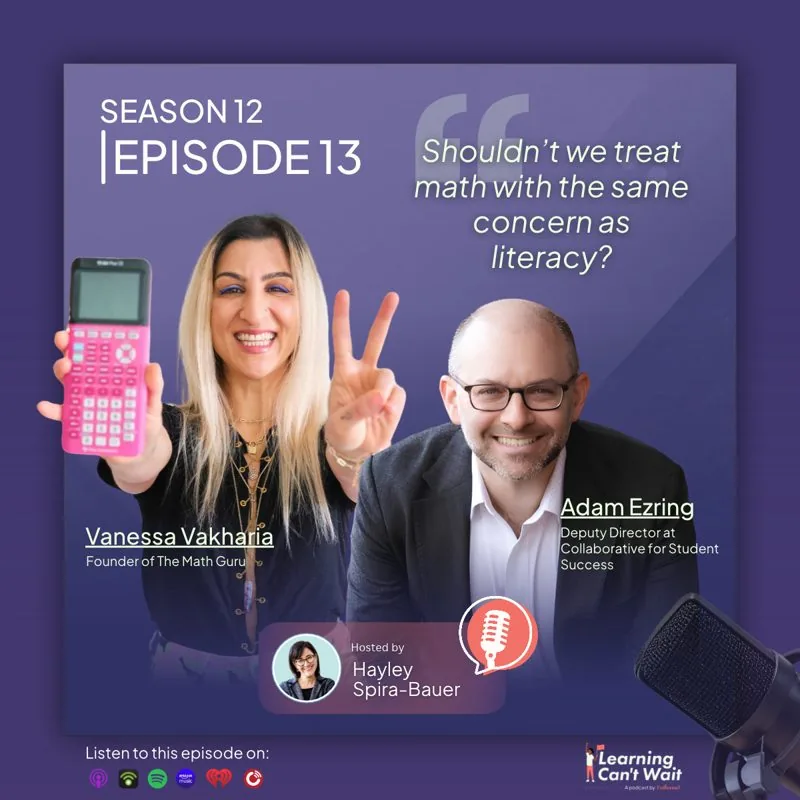 Vanessa Vakharia & Adam Ezring: Family Math, Math Confidence & Learning Through PlayOctober 13, 2026 · Vanessa Vakharia, Adam Ezring
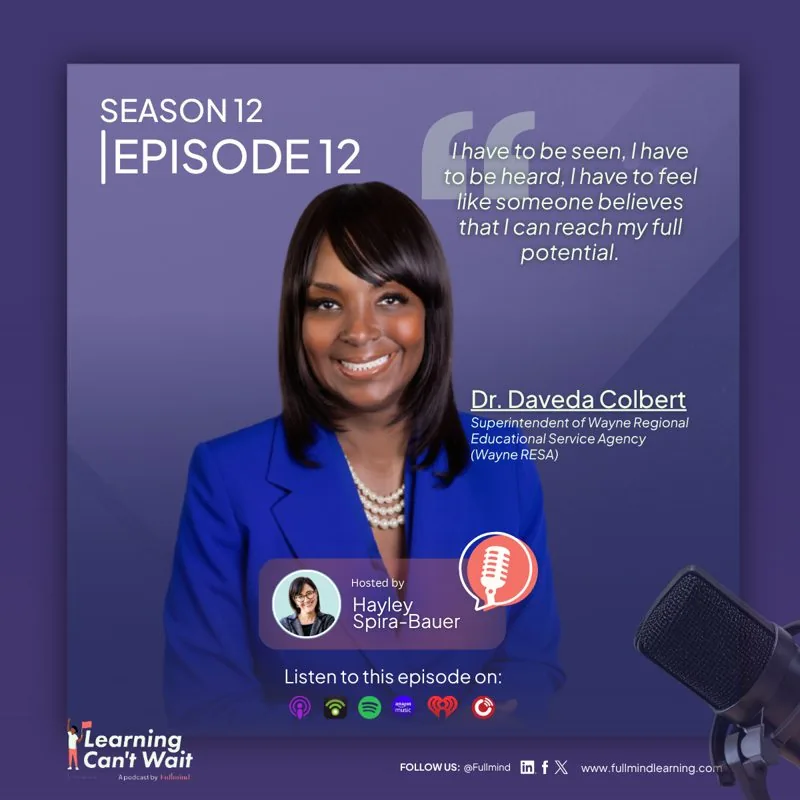 Dr. Daveda Colbert: Leadership, Belonging & ServiceOctober 6, 2026 · Dr. Daveda Colbert
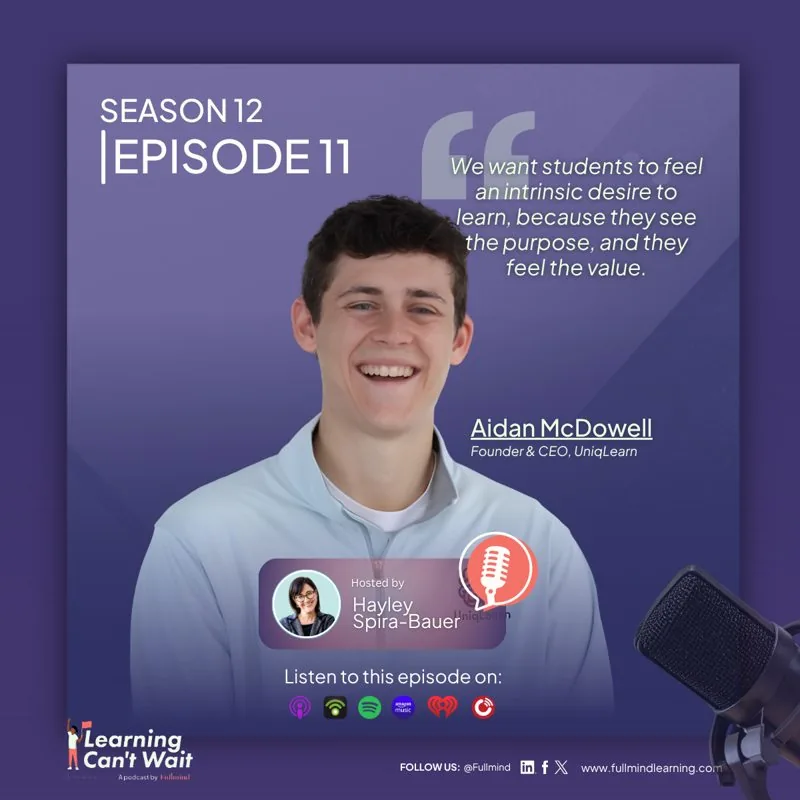 Aidan McDowell: Personalized learning, Student agency & Intrinsic motivationSeptember 29, 2026 · Aidan McDowell
Virginia on the podcast
Episodes with Virginia connections
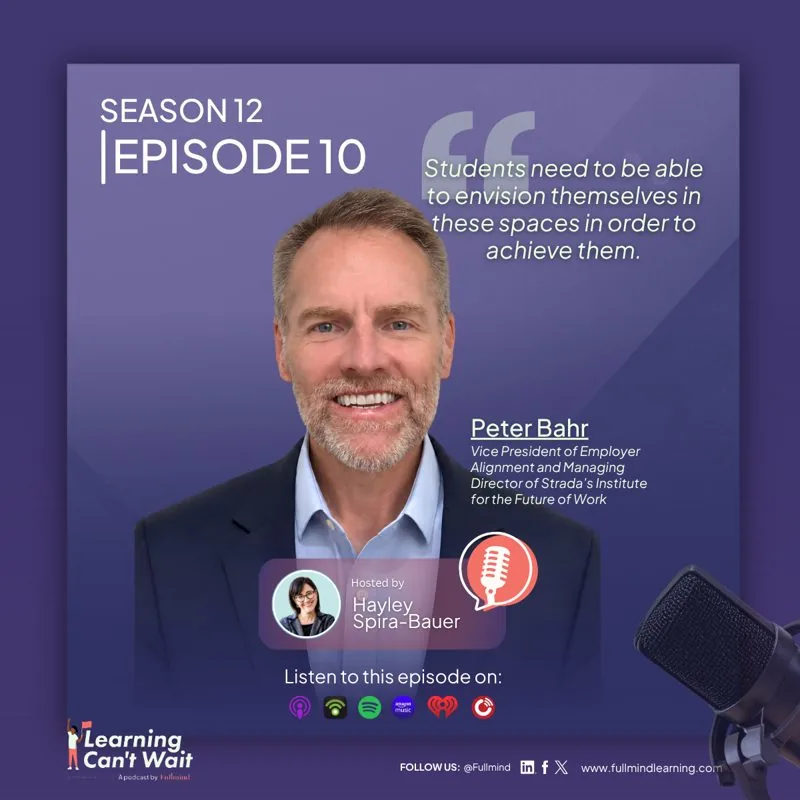 Peter Bahr: Homegrown talent, Career pathways & Work-based learningSeptember 22, 2026 · Peter Bahr
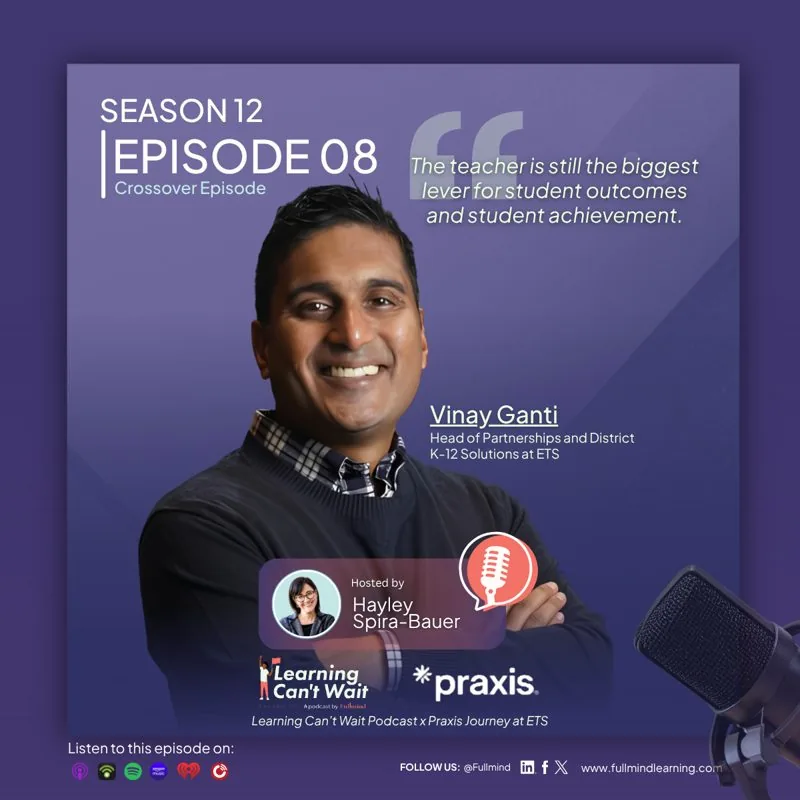 Vinay Ganti: Teacher Retention, Educational Innovation and EdTech & AIAugust 25, 2026 · Vinay Ganti
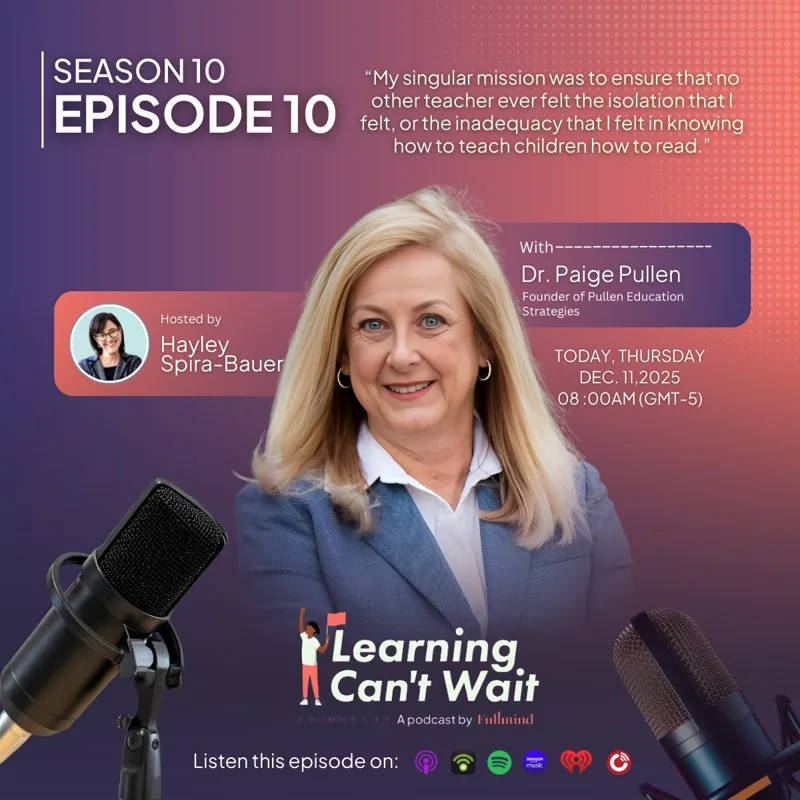 Paige Pullen: Science of reading, Three Sciences Framework & Explicit, systematic instructionDecember 11, 2025 · Paige Pullen
For Education Leaders
Get proven strategies and expert analysis from the host of the Learning Can't Wait podcast, delivered straight to your inbox.























































How can we help? Let’s connect.
Tell us what you need. It takes about a minute, and you’ll see the next steps right away.
Meet an education consultant
Talk through your students, schedule and goals.
Get a proposal for your district
A plan built around your needs and budget.
Prefer to call? 210-617-3009
Thanks! Pick a time that works
A 30-minute call with an education consultant. Your details are already filled in.
Your one-pagers
Matched to what you told us. They download as one PDF.
Every child deserves the opportunity to access exceptional education.