Connect with the Fullmind Team

For Education Leaders
Get proven strategies and expert analysis from the host of the Learning Can't Wait podcast, delivered straight to your inbox.
SWD Services & IEP Fulfillment
Our virtual special education services give students with disabilities live, small-group instruction from special education–certified educators, aligned to each student's IEP goals, with progress reporting your team can document.
Georgia Asked 2,600 Special Education Teachers What's Hard. They Said Workload and Paperwork. Both Are Caseload Math.
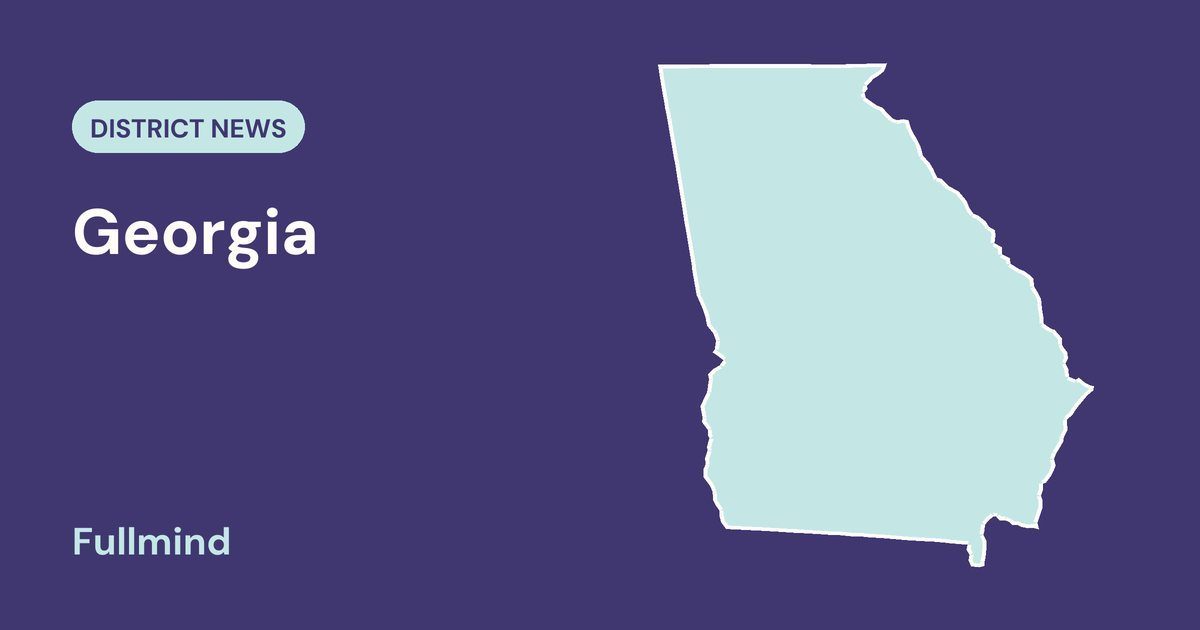
This year the Georgia Department of Education's Human Capital team did something most state agencies skip: before launching new recruitment initiatives, it asked the people doing the job. More than 2,600 special education teachers answered a statewide survey, and GaDOE published the early themes on September 29 under the title "We Asked. Educators Answered. Here's What We're Learning." The department highlighted it to superintendents in its weekly digest.
The teachers said they stay for relationships, student growth and colleagues. On what makes the work hard, three themes emerged: workload, paperwork requirements, and student needs. GaDOE says some findings "challenged assumptions," that follow-up conversations are next, and that the results are already shaping work on preparation pathways, apprenticeships and special education support. Its 2026–2030 strategic plan names recruitment and retention a key priority.
Our view: GaDOE's method is the right one and its three themes are one theme. Workload, paperwork and student complexity all scale with caseload. Georgia's State Board Rule 160-4-7-.14 sets caseload maximums, but in most districts it is vacancy that pushes caseloads up to them. When the second special education position at a middle school stays open from August to March, the teacher who is there carries both caseloads, writes both sets of IEPs, and attends both sets of meetings. The survey is describing what a vacancy feels like from the inside. The fastest way to improve retention is to stop asking the teachers who stayed to cover for the ones who were never hired.
What happened
From GaDOE's September 29 article and its GaDOE Insights superintendent digest:
- More than 2,600 Georgia special education teachers responded to a statewide survey from the department's Human Capital team, focused on special education because "workforce needs remain especially significant" there.
- Reasons teachers stay: meaningful relationships, student growth, supportive colleagues.
- Themes needing further exploration: workload, paperwork requirements, and student needs.
- Next steps: continued analysis, follow-up conversations with educators, and alignment across agency offices and district, university and national partners. The work is already informing Teach in the Peach, educator preparation pathways, apprenticeship programs and special education support.
- GaDOE's 2026–2030 Strategic Plan identifies educator recruitment and retention as a key priority.
GaDOE's method is the right one and its three themes are one theme.
What it means for districts (analysis)
The department reported the facts; we draw the conclusions, and we will be plain about them.
Workload is caseload, and caseload is the vacancy next door. A special educator's workload is a function of how many students she serves and how many IEPs she owns. Both rise when a neighboring position goes unfilled and the district redistributes the students rather than the obligation. The survey's top theme is, in most buildings, a direct measure of unfilled positions.
Paperwork does not shrink when the caseload grows; it compounds. Each additional student is another IEP, another set of progress reports, another eligibility timeline. A teacher covering a vacancy is not doing 50% more paperwork; she is doing it on top of a day that was already full, which is where the survey's second theme comes from.
Retention is a staffing-model decision, not a wellness program. Districts respond to surveys like this with mentoring, planning time and recognition, and those help. None of them reduce a caseload. The intervention that changes the number a teacher is carrying is putting a certified special educator on the vacant caseload now, by whatever means delivers the minutes, so the teacher who stayed is not the bridge.
The pipeline work is right and slow. GaDOE's apprenticeship and preparation efforts will produce teachers in years. The teachers who answered the survey are deciding whether to return in months. Districts need both the pipeline and a this-year answer for the open position, and the second one is what the survey is asking for.
Practical considerations for district leaders
- Map every open special education position to the teachers currently absorbing its caseload. That map is your retention risk list.
- Build a weekly ledger of undelivered IEP minutes per student for every open special education position.
- Separate the retention plan from the pipeline plan in the board presentation. Mentoring and planning time are retention; apprenticeships are pipeline; neither reduces a caseload this semester.
- Put a certified special educator on the vacant caseload now, with the paraprofessional as in-room facilitator, so the teacher who stayed returns to one caseload.
- Eligibility, IEP team decisions and parent contact do not leave the district under any staffing arrangement.
Where Fullmind fits
Georgia's 2,600 special educators named workload and paperwork, and both grow when a colleague's position stays open and the caseload lands on them. Fullmind takes the vacant caseload, not the teacher's: a certified special educator delivers that caseload's instruction live, the district's paraprofessional facilitates, and the teacher who stayed goes back to one caseload and one set of IEPs. Elevate K-12 is now part of Fullmind.
- SWD Services & IEP Fulfillment is the service that relieves the absorbed caseload. State-certified special educators deliver Fullmind's special education instruction, and they come from a pool of more than 3,000 educators.
- Related Service Providers cover speech-language, OT/PT, school psychology and counseling where those caseloads are the ones doubling up.
- Case Management supports the IEP coordination load the survey's paperwork theme describes, alongside the district's own staff.
Fullmind's published results so far cover live staffing, math growth and remote instruction; special education results are in progress. Today we can show the model, the certification, and the minutes delivered on the district's schedule. The outcome GaDOE is pursuing is retention, and the fastest lever on retention is a caseload that stops growing.
Run the numbers with us
If one of your special educators is carrying two caseloads because a posting has gone unfilled, send us both caseloads and the service minutes each owes. We will show you how the second one gets delivered this semester by a certified teacher, what your paraprofessional's role becomes, and what it costs against the burnout you are budgeting for. Schedule a consultation with Fullmind.
Bottom line
More than 2,600 Georgia special education teachers told GaDOE they stay for relationships, student growth and colleagues, and that workload, paperwork requirements and student needs are what make the job hard. These are early themes from a single survey, not item-level results, and the department has not tied them to vacancies or caseload sizes; that connection is our reading, not its finding.
The decision it informs comes before spring renewals: match every open special education position to the teachers now absorbing its caseload, and decide how that caseload will be covered this year instead of waiting for apprenticeship and preparation pipelines that will take years to deliver teachers.
Sources: Georgia Department of Education / Teach in the Peach, "We Asked. Educators Answered. Here's What We're Learning," September 29, 2026; GaDOE Insights superintendent digest, October 2026; Georgia State Board of Education Rule 160-4-7-.14, "Personnel, Facilities and Caseloads"; Fullmind Services and Impact & Research pages. Findings are the department's own; the analysis section reflects Fullmind's interpretation.
Related: Special Education's Local Bill: When the State Underpays, the District's Answer Is a Vacancy
Podcast
From the Learning Can’t Wait podcast
 Hosted by Hayley Spira-Bauer, Chief Academic Officer at Fullmind
"the single best way to combat founder loneliness is community."
Related episodes
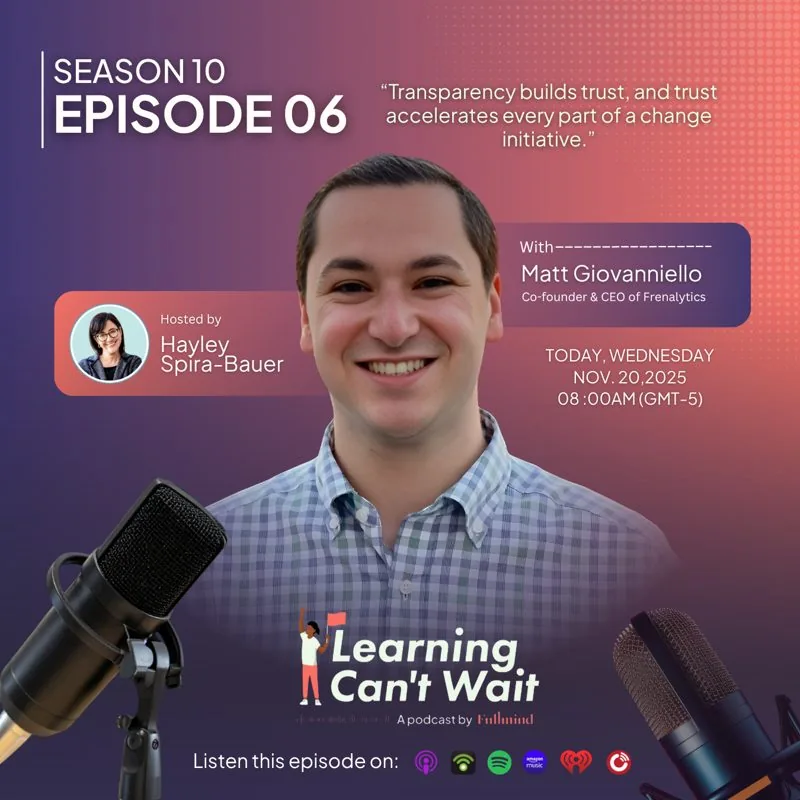 Matt Giovanniello: Digital Transformation, Leadership & Organizational ChangeNovember 20, 2025 · Matt Giovanniello
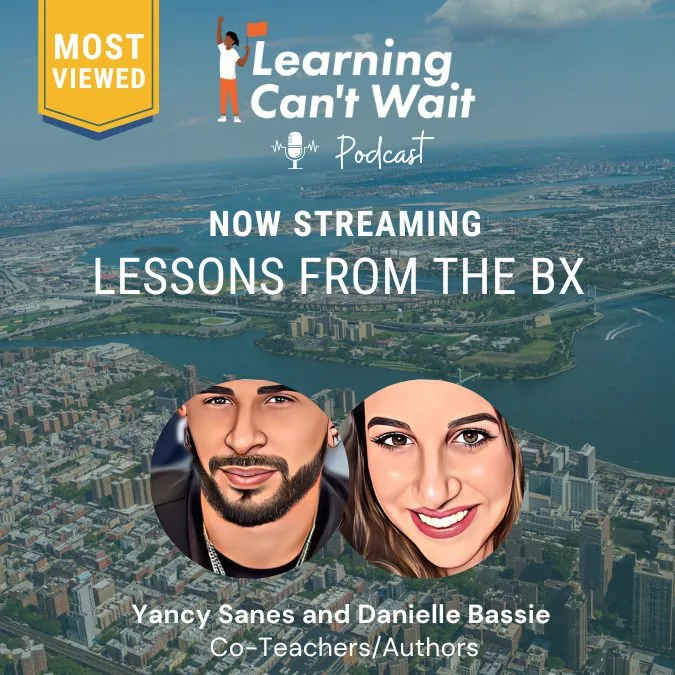 Lessons from the BXJuly 25, 2022
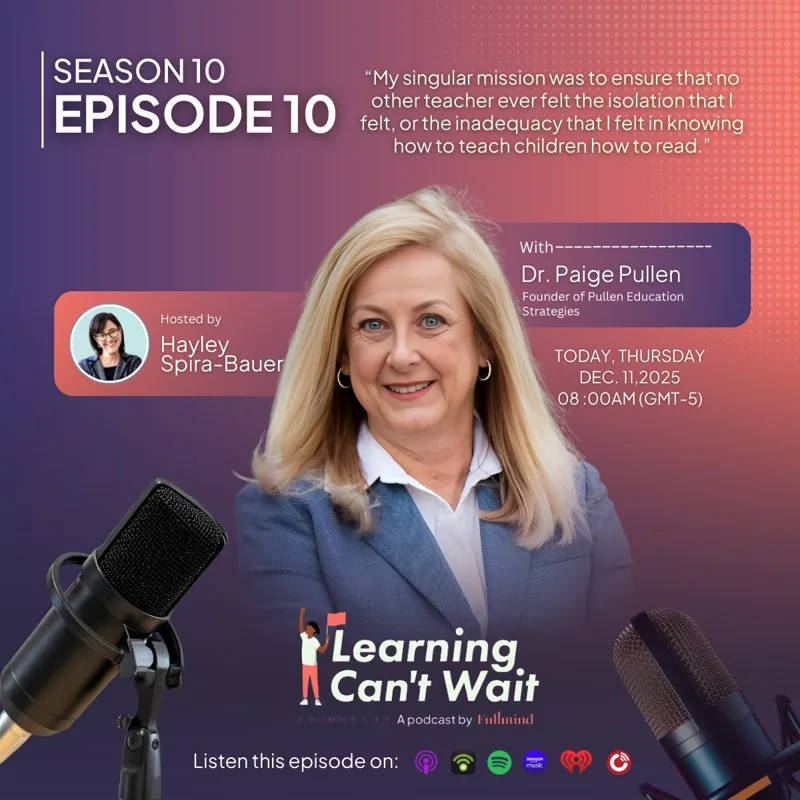 Paige Pullen: Science of reading, Three Sciences Framework & Explicit, systematic instructionDecember 11, 2025 · Paige Pullen
Georgia on the podcast
Episodes with Georgia connections
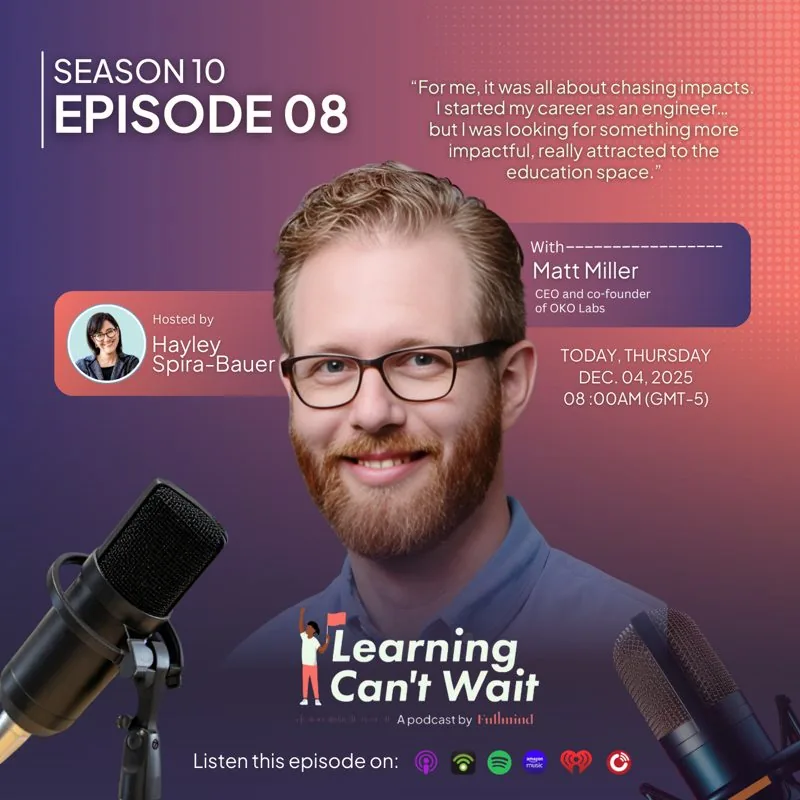 Matt Miller: Collaboration, Small group learning & EdTech innovationDecember 4, 2025 · Matt Miller
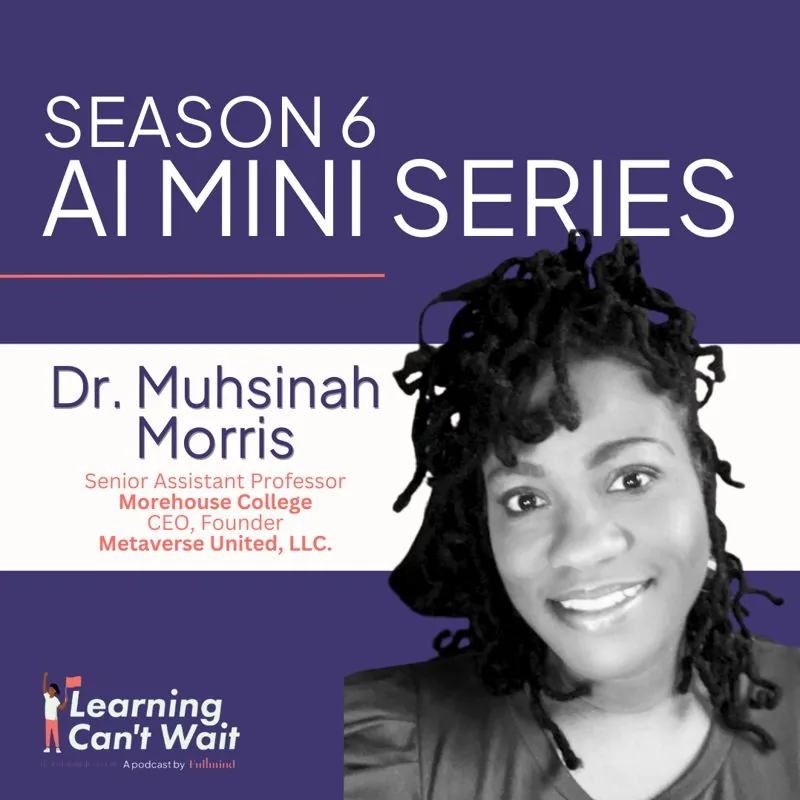 Dr. Muhsinah Morris: Metaversity, AI-Powered Teaching Assistants, Virtual Reality in EducationSeptember 24, 2024 · Dr. Muhsinah Morris
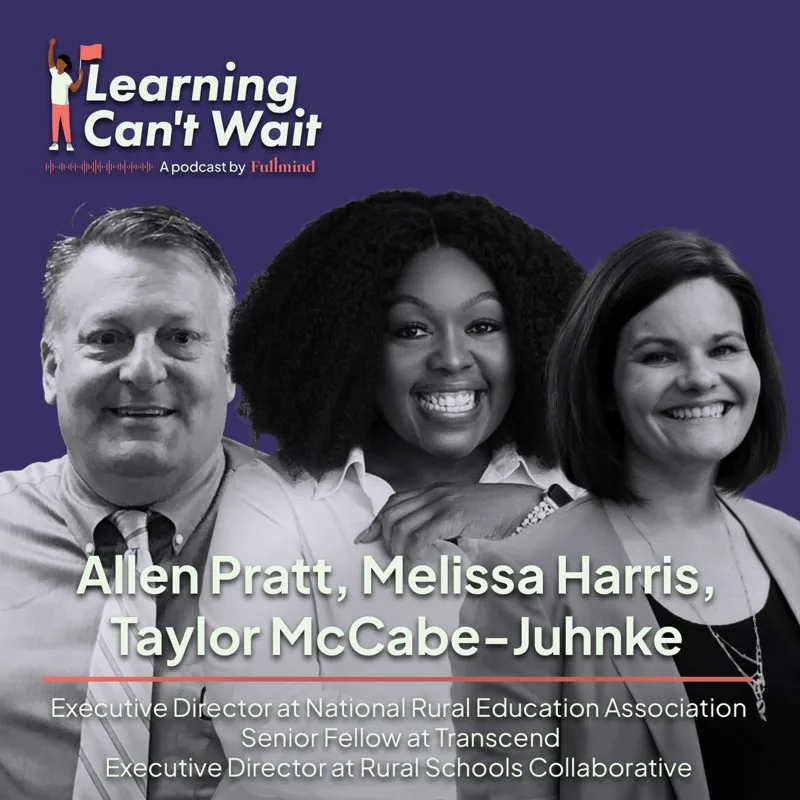 Melissa Harris, Allen Pratt, Taylor McCabe-Juhnke: Rural Education, Innovation, CollaborationMay 28, 2024 · Melissa Harris, Allen Pratt, Taylor McCabe-Juhnke
For Education Leaders
Get proven strategies and expert analysis from the host of the Learning Can't Wait podcast, delivered straight to your inbox.


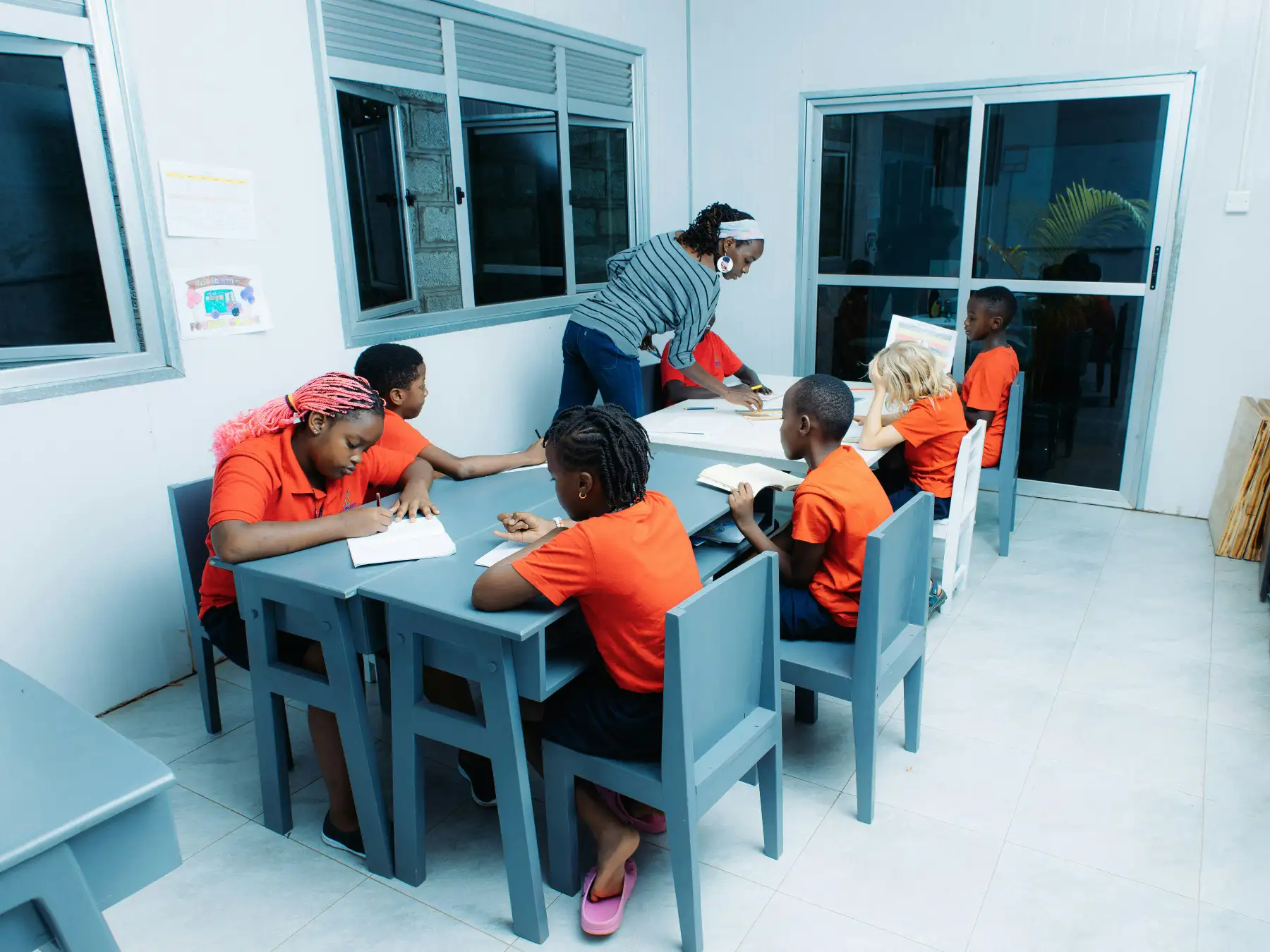





































How can we help? Let’s connect.
Tell us what you need. It takes about a minute, and you’ll see the next steps right away.
Meet an education consultant
Talk through your students, schedule and goals.
Get a proposal for your district
A plan built around your needs and budget.
Prefer to call? 210-617-3009
Thanks! Pick a time that works
A 30-minute call with an education consultant. Your details are already filled in.
Your one-pagers
Matched to what you told us. They download as one PDF.
Every child deserves the opportunity to access exceptional education.